

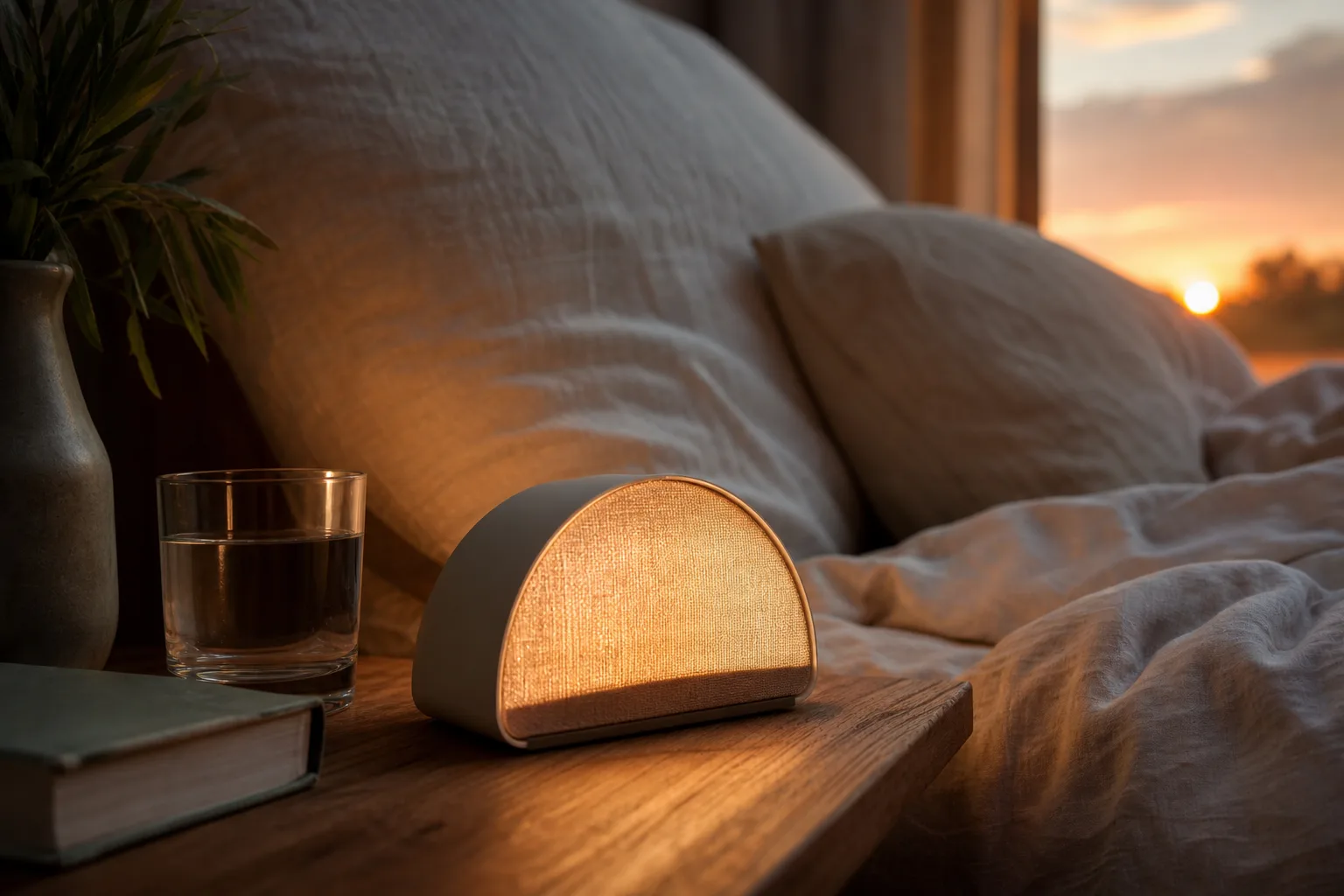
- The Hatch Sleep Clock falls to $188, a $62 discount that brings its price close to the older Restore 3.
- The Hatch Sleep Clock combines a gradual sunrise alarm, dimmable lamp, sound machine, and contactless overnight sleep estimates in one bedside device.
- Its sleep reports do not require a subscription, though Hatch+ costs $6 monthly for the full audio library.
- The deal makes most sense for buyers seeking gentler wake-ups, not detailed health measurements from a wearable replacement.
Table of Contents
A bedside gadget is trying to replace the alarm-clock pileup
The Hatch Sleep Clock is on sale for $188 during Black Friday, down from $250. That is a meaningful $62 cut for a product sitting in an increasingly crowded corner of the bedroom: the space between a basic alarm clock, a sound machine, a smart lamp, and the wearable quietly collecting sleep data on your wrist or finger.
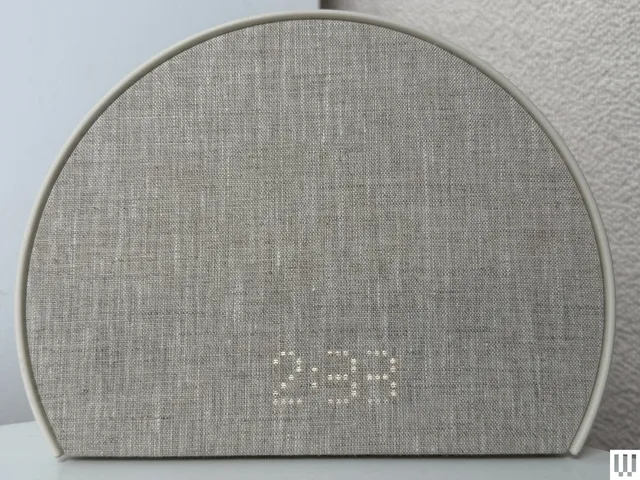
According to WIRED, this is the first Black Friday discount for Hatch’s newer Sleep Clock, and its price now lands only $18 above the $170 retail price of the Hatch Restore 3. The key distinction is passive sleep monitoring. Hatch wants the newer model to be the object on the nightstand that handles the parts of bedtime currently scattered across an iPhone, an Alexa speaker, a lamp, and perhaps an Oura Ring.
That pitch is more sensible than it may sound. Bedtime technology has developed a bad habit of creating more little jobs: charge the watch, remember the ring, silence the phone, choose the soundscape, set the alarm. A single unit that reduces some of that fuss has genuine appeal, particularly for people who want a less aggressive morning routine but have no interest in sleeping with another sensor strapped to their body.
Why the Hatch Sleep Clock deal matters
The sale price is the headline, but the category is the real story. Sunrise alarms have existed for years, most visibly through Philips’ Wake-Up Light range, and smart displays from Amazon and Google can approximate parts of the experience. Hatch’s argument is that the Hatch Sleep Clock packages the whole bedside routine with fewer compromises: scheduled light, customizable sunrise duration and brightness, selectable audio, and an attempt at overnight insight.
At $188, it is still an expensive alarm clock. Frankly, anyone who only wants to stop hearing Apple’s Radar tone can spend far less on a conventional sunrise lamp. But Hatch is not selling a conventional lamp. It is selling consolidation, and consolidation can be valuable when the alternative is a nightstand that resembles the charging section at an airport lounge.
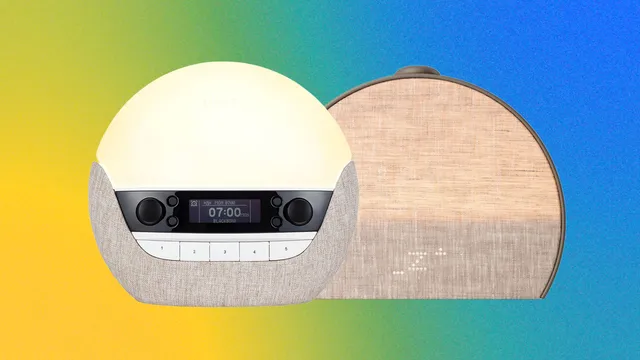
The newer model’s presence also creates an awkward question for Hatch’s own lineup. The Restore 3 remains cheaper at retail and should suit buyers who prioritize relaxing audio and light without asking a bedside device to interpret their night. The Hatch Sleep Clock makes its case only if contactless tracking is worth the extra money. That is a reasonable upgrade path, but not an automatic one.
Contactless sleep data comes with limits
The appeal is straightforward: the Hatch Sleep Clock uses a built-in motion sensor to observe movement and breathing rather than asking users to wear anything. WIRED reported that its test found generally similar estimates for total sleep duration compared with an Oura Ring 5 and Apple Watch Series 12, while the estimated sleep stages were less consistent.
That gap should not be brushed aside. Consumer sleep stages are estimates even when they come from well-known wearables, and a bedside sensor has less information to work with than a device that can read heart rate and other signals from the body. Hatch does not measure physiological metrics such as heart rate, and it cannot listen for snoring or other audio disruptions. If you are trying to identify a persistent sleep problem, this is not clinical equipment and should not be treated as one.
Placement matters, too. A contactless sensor needs an unobstructed view of the sleeper, which means the Hatch Sleep Clock may demand more real estate than a cluttered nightstand can offer. That sounds trivial until you remember what tends to accumulate beside a bed: water glass, chargers, books, glasses, tissues, the remote that vanished three weeks ago. Small domestic realities routinely defeat smart-home ambitions.
Still, there is a useful middle ground here. For a person who wants broad patterns—roughly when they got into bed, fell asleep, woke up, and how restless the night may have been—Hatch’s simpler reports could be preferable to the metric avalanche offered by a smartwatch app. Not everybody needs a dashboard that makes Tuesday night look like a quarterly earnings report.
The subscription line is better than usual
The better news for buyers is that the Hatch Sleep Clock does not put access to sleep data behind a subscription. That should be normal for a $250 piece of hardware, but the industry has made it conspicuous by doing the opposite. Fitbit Premium, Oura Membership, and various app-based wellness services have trained shoppers to ask whether their own data will be held behind another monthly payment.
Hatch does have Hatch+, priced at $6 per month, for the wider audio library. The distinction matters. Paying for an expanding collection of sounds, routines, and spoken content is easier to defend than charging a recurring toll to view basic information the device already collected. Buyers can browse Hatch’s current product and membership details at the company’s official website before deciding whether that library is useful enough to justify the ongoing cost.
Who should buy the Hatch Sleep Clock?
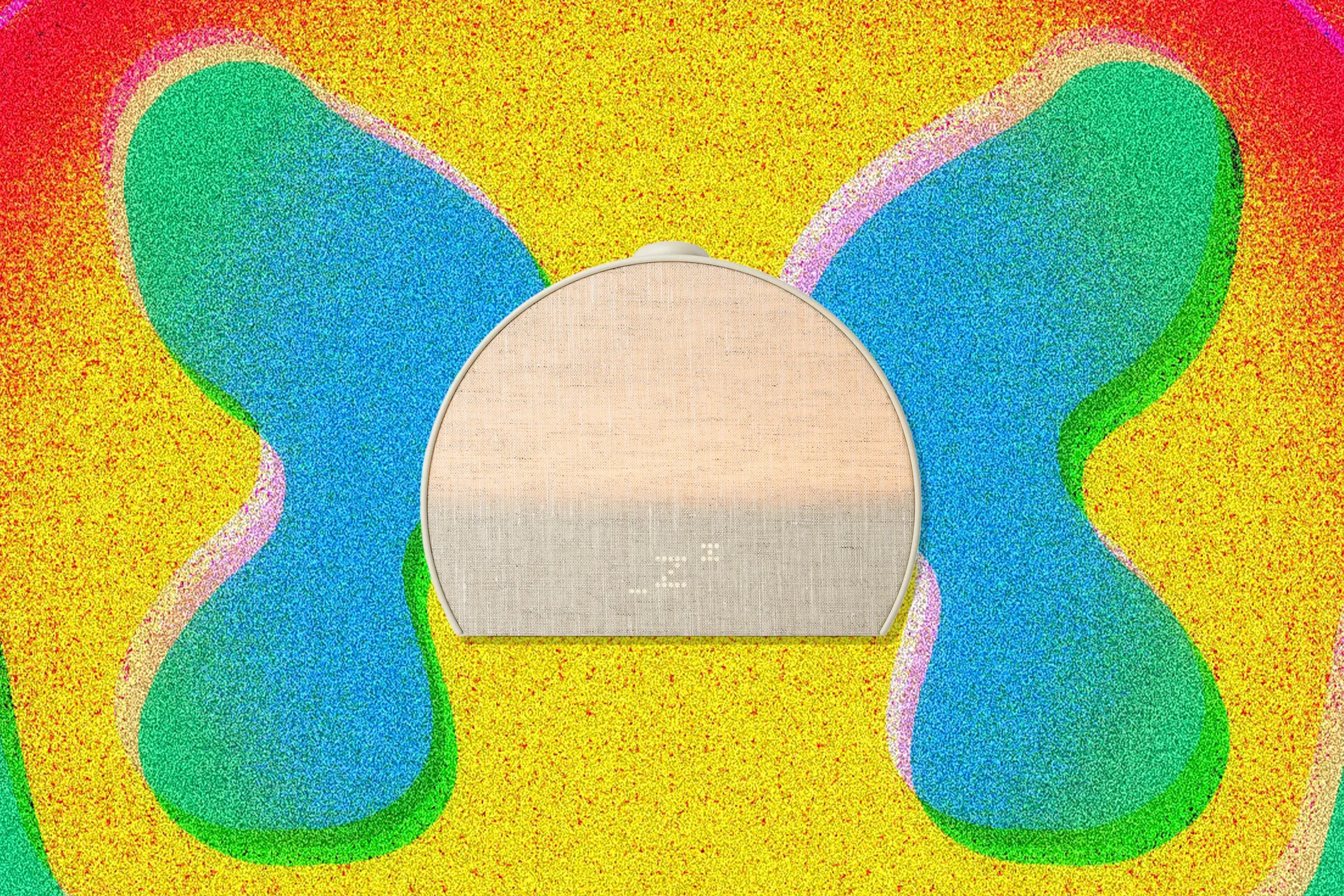
The Hatch Sleep Clock is best viewed as a premium bedside companion, not a bargain health tracker. Its appeal starts with the sunrise alarm, which gradually fills the room with light ahead of a scheduled wake time and can be paired with chosen sounds. In darker months, that may be the feature people notice every morning; the sleep graphs are the secondary benefit.
It is a poor fit for someone seeking detailed recovery scores, exercise-readiness guidance, heart-rate trends, or any serious attempt to investigate snoring and breathing issues. A dedicated wearable remains the more capable tool for that job. It is also overkill for buyers who already own a sunrise clock they like and have no desire to pay for audio content.
But for the person exhausted by a phone alarm and tired of remembering another wearable at bedtime, the Hatch Sleep Clock at $188 has a coherent case. The larger bet is that bedside technology will move away from screens and notifications, toward devices that do less but do it quietly. Given how many of us already resent the phone being the last thing we see at night and the first thing we hear in the morning, that may be one of the smarter directions consumer tech can take.