

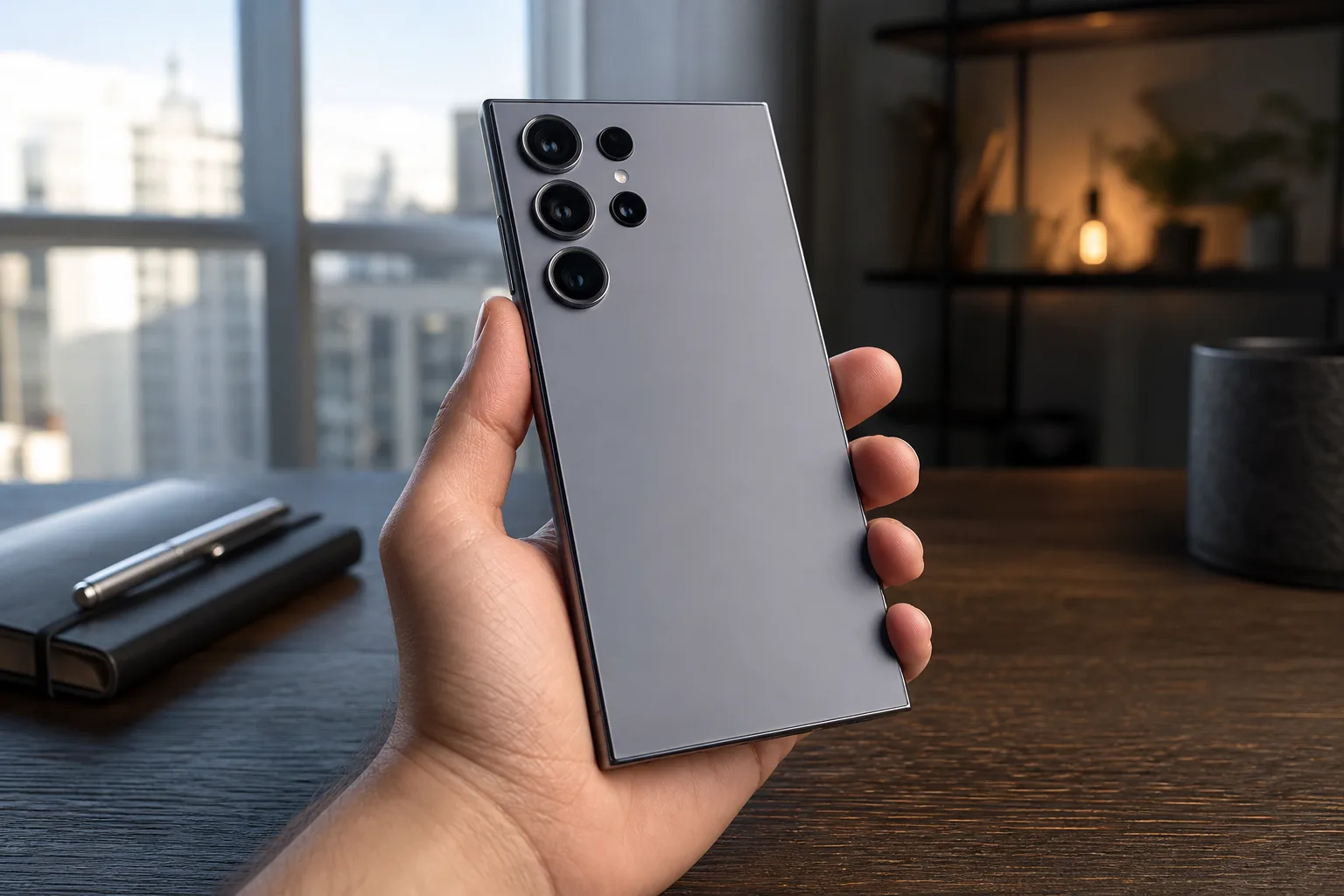
- The iPhone 18 Pro is expected to arrive without a standard iPhone 18, shifting Apple’s usual autumn lineup strategy.
- Potential iPhone 18 Pro price increases could make the current $1,099 iPhone 17 Pro unusually appealing for practical upgraders.
- Reported improvements include a 2nm A20 Pro chip, variable-aperture camera, redesigned Camera Control, and Apple’s C2 cellular modem.
- Apple’s component-cost pressure may matter more than annual hardware refinements when buyers decide whether to upgrade this summer.
Table of Contents
The iPhone 18 Pro could make last year’s model look like the sensible choice
Apple has trained us to wait. The iPhone 18 Pro is reportedly only weeks away, and the annual instinct is obvious: why buy a premium phone just before its successor lands? But this year may be one of those rare moments when waiting for the new model means volunteering to pay substantially more for changes that most people will notice only in a spec sheet.
The central issue isn’t whether Apple can make the next Pro iPhone better. Of course it can. The question is whether the expected improvements justify what could be the first seriously painful jump in iPhone pricing in years. If current reports are directionally right, the iPhone 17 Pro at $1,099 may wind up being the value pick precisely because it is about to become old news.
That’s a strange position for Apple’s flagship cycle, but it reflects a market where high-end memory, advanced chip production, and cellular components are no longer getting cheaper on the familiar timetable. AI data centers are now competing with consumer electronics makers for parts, and somebody eventually has to absorb that bill. Usually, that somebody is the buyer.
What Apple reportedly has planned
The iPhone 18 Pro is expected to be a Pro-only autumn affair. Reporting suggests Apple will hold the regular iPhone 18 for a later spring release, while September is reserved for the iPhone 18 Pro, iPhone 18 Pro Max, and Apple’s long-rumored foldable. If that sounds like Apple trying to create two separate sales peaks rather than one giant September event, well, that’s probably exactly what it is.
On the hardware side, the iPhone 18 Pro sounds more like a meaningful refinement than a clean-sheet redesign. The reported upgrades include a smaller Dynamic Island, a variable-aperture main camera, new finishes including red, a revised Camera Control button, Apple’s A20 Pro processor, and the company’s C2 modem. None is trivial. Few are likely to transform how a typical owner uses their phone on a Tuesday morning.
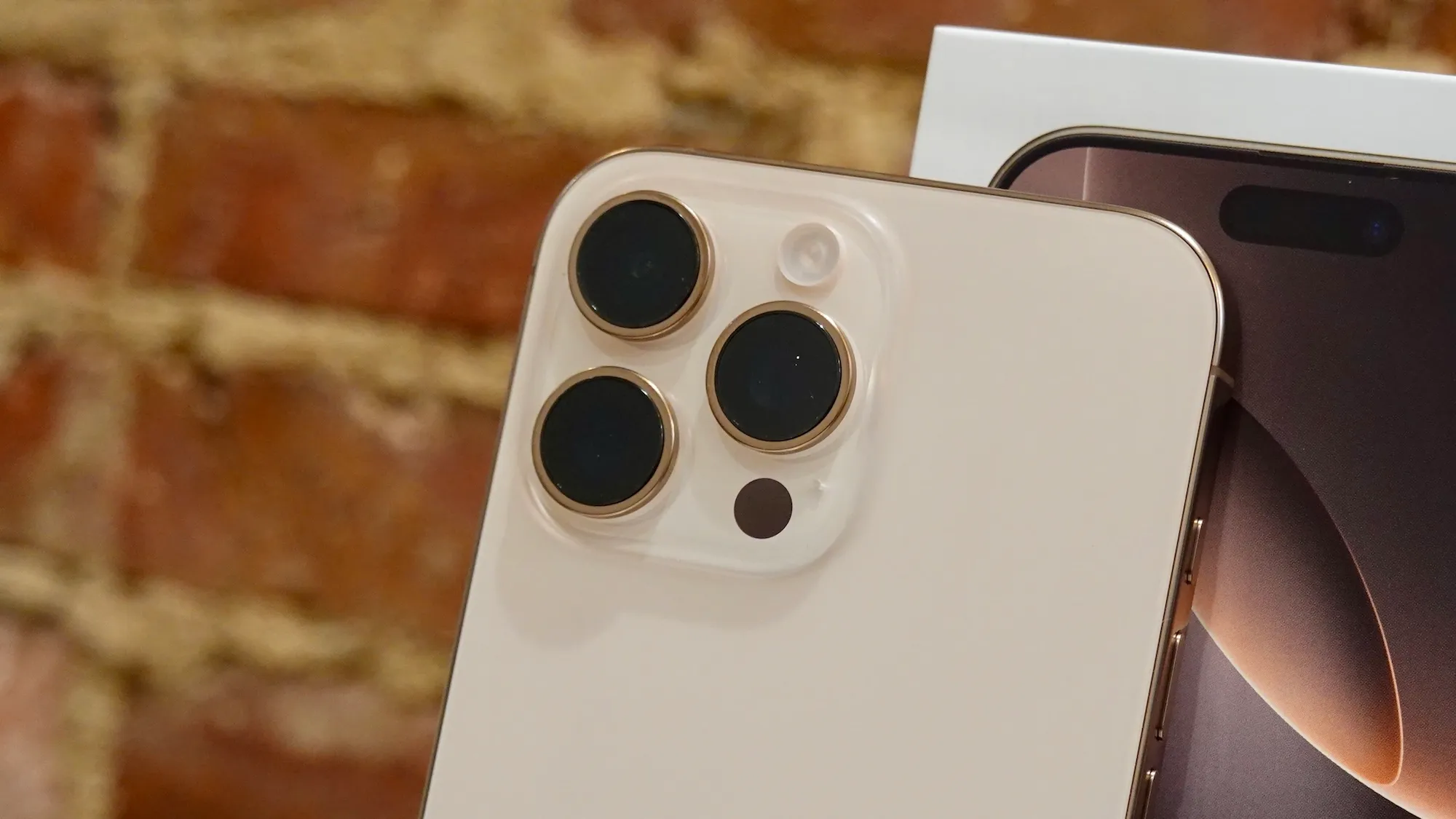
The camera change could be the exception for serious photographers. A variable aperture lets a camera physically adjust how much light enters the lens, offering more control over depth of field than today’s mostly software-led portrait effects. Apple has become very good at computational photography, but simulated blur still occasionally gets confused by hair, glasses, pets, and the general chaos of actual human life. More optical control would be welcome.
Still, smartphone photography has reached the stage where improvements are often obvious only in difficult conditions: a dim restaurant, a moving child, a concert with vicious lighting. For plenty of people, the iPhone 17 Pro will already clear that bar comfortably. The iPhone 18 Pro may make those edge cases better; it probably won’t suddenly make every lunch photo look cinematic.
The modem and battery story may matter more than the camera
Apple’s rumored C2 modem is arguably the more consequential development. The company began replacing Qualcomm modem technology with its own silicon in lower-stakes products, and putting the second-generation version into a Pro phone would signal much greater confidence. Better power efficiency, steadier reception, and support for 5G connectivity via satellite are all possibilities being discussed.
That satellite detail needs a little restraint. Apple already offers satellite-based emergency features in supported markets, but ordinary cellular service from space has major technical and regulatory limits. A 5G satellite connection sounds exciting, yet the real experience may resemble a useful lifeline rather than broadband in your pocket. Think roadside assistance, messages, and basic connectivity when towers disappear—not streaming a baseball game from a trailhead.
The iPhone 18 Pro Max could benefit most. Reports say it may be thicker to accommodate a larger battery, and a more efficient modem could compound those gains. Battery life is the rare phone feature everyone understands immediately. A camera aperture is fun to explain. A phone that still has 30 percent at bedtime is something people feel.
There’s also the A20 Pro, expected to use a 2nm manufacturing process. Smaller process nodes can improve performance and power use, though chip nomenclature has long since stopped being a simple measure of physical dimensions. In practice, expect the familiar benefits: quicker app launches, better graphics, and more headroom for Apple Intelligence features. With the iPhone 18 Pro reportedly retaining 12GB of memory, though, it doesn’t sound as if Apple is preparing a dramatic generational reset for on-device AI.
Price is the real feature nobody wants
The smaller Pro is priced at $1,099 in the current generation. That stability has been impressive, especially while Mac and iPad pricing has faced more visible pressure. But it also means a new bump would feel sharper. Consumers remember the number they paid, not the supply-chain spreadsheet that justified it.
Estimates circulating around the iPhone 18 Pro put a starting price somewhere between $1,199 and $1,399, with the Pro Max potentially reaching $1,499. Those are not confirmed prices, and Apple could decide to protect volume by accepting lower margins. Still, the direction of travel is credible. Memory prices have been rising amid relentless demand for AI infrastructure, while leading-edge chip capacity from firms such as TSMC remains expensive and limited.
Apple can point to the integration of hardware, software, and services. You can see the current US iPhone pricing on Apple’s official iPhone store. But there is a ceiling to the argument. At $1,399, a base Pro iPhone stops being an easy annual purchase and starts competing with a decent laptop, a vacation fund, or several months of household bills. That changes the conversation.
Who should buy now, and who should wait
My read: if you are using an iPhone 14 Pro, iPhone 13, or anything older and need a replacement now, the iPhone 17 Pro is the rational buy. It has a modern camera system, current Apple silicon, USB-C, and years of software support ahead. Buying it late in its cycle is not exciting, but phones are tools, not seasonal sneakers.
There are exceptions. Mobile photographers who want manual-like aperture flexibility should wait for confirmation. So should people whose coverage is unreliable and who are intrigued by the C2 modem’s possible satellite capabilities. And if maximum battery life is the priority, the larger iPhone 18 Pro Max may be worth the extra patience—and, likely, the extra money.
Everyone else should be honest about what an upgrade delivers. The iPhone 18 Pro may be better, as every new Pro iPhone is better. But if Apple asks hundreds more for incremental polish, the older model could become the more interesting product. Frankly, that would be a healthy reminder that the best technology purchase is not always the newest one. It’s the one whose price still makes sense after the launch-day applause fades.
Frequently Asked Questions
When is the iPhone 18 Pro expected to launch?
The iPhone 18 Pro and iPhone 18 Pro Max are expected to arrive in September. The base iPhone 18 is expected to shift to a spring release schedule.
Will the iPhone 18 Pro cost more than the iPhone 17 Pro?
The iPhone 18 Pro lineup is expected to cost more than the iPhone 17 Pro. Estimates discussed in current reporting range from roughly $1,199 to $1,399 for the smaller Pro, though Apple has not confirmed any increase.
Should I buy an iPhone 17 Pro or wait for iPhone 18 Pro?
Buyers coming from an older phone may be better served by the iPhone 17 Pro if its current price fits their budget. Waiting makes more sense for people who specifically want the reported camera controls, potential satellite connectivity expansion, or the biggest possible Pro Max battery.

