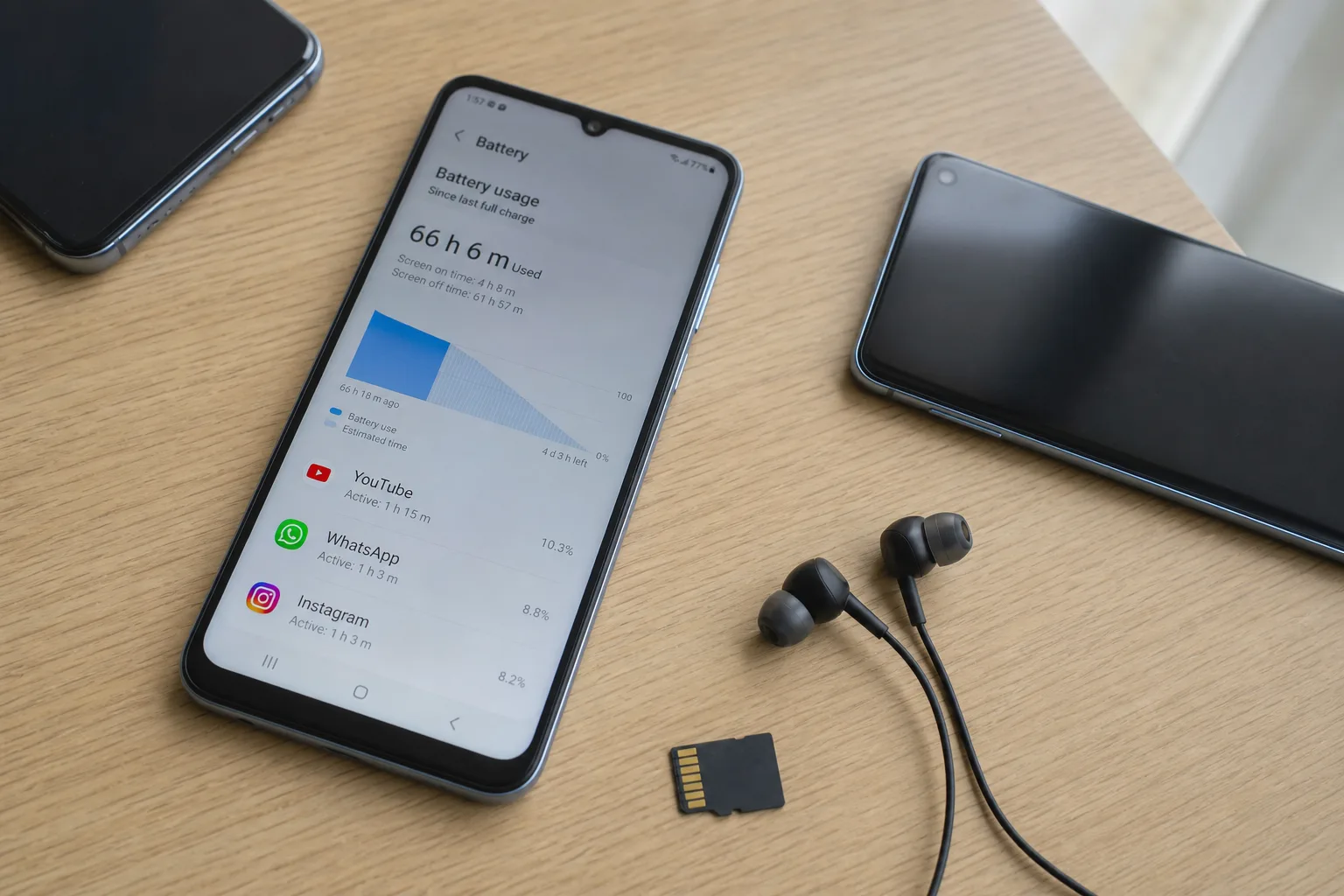
- The reader poll on Moto G Power alternatives was tight, with the Moto G Stylus taking 28.9% of votes.
- The best Moto G Power alternatives depend on whether buyers value battery life, updates, cameras, storage, or a headphone jack.
- Samsung’s Galaxy A27 and Google’s Pixel 10a remained close contenders, showing how fragmented the $400 Android market has become.
- Discounted older flagships and import phones complicate every budget-phone comparison, especially when carrier promotions enter the picture.
Table of Contents
Moto G Power alternatives reveal a divided budget market
For a phone that costs around $400, the Moto G Power has an unusually clear identity: it lasts a long time, survives a few knocks, and still has the ports and storage options many brands decided we no longer deserve. But a reader poll on Moto G Power alternatives suggests that practical charm only gets Motorola so far when buyers can choose longer update policies, sharper displays, and more capable cameras.
The Moto G Stylus (2026) came first with 28.9% of votes. Samsung’s Galaxy A27 followed at 23.9%, while Google’s Pixel 10a claimed 19.7%. That is a win for Motorola, yes, but hardly a coronation. Less than five percentage points separated first and second place, and the top three were packed into a gap of under 10 points.
My read is that this is less a verdict on one handset than a useful snapshot of the awkward middle of Android. At $300 to $450, shoppers are no longer choosing between a bad cheap phone and a good expensive one. They are choosing which compromise among Moto G Power alternatives will annoy them least for the next few years.
Why the Moto G Stylus won
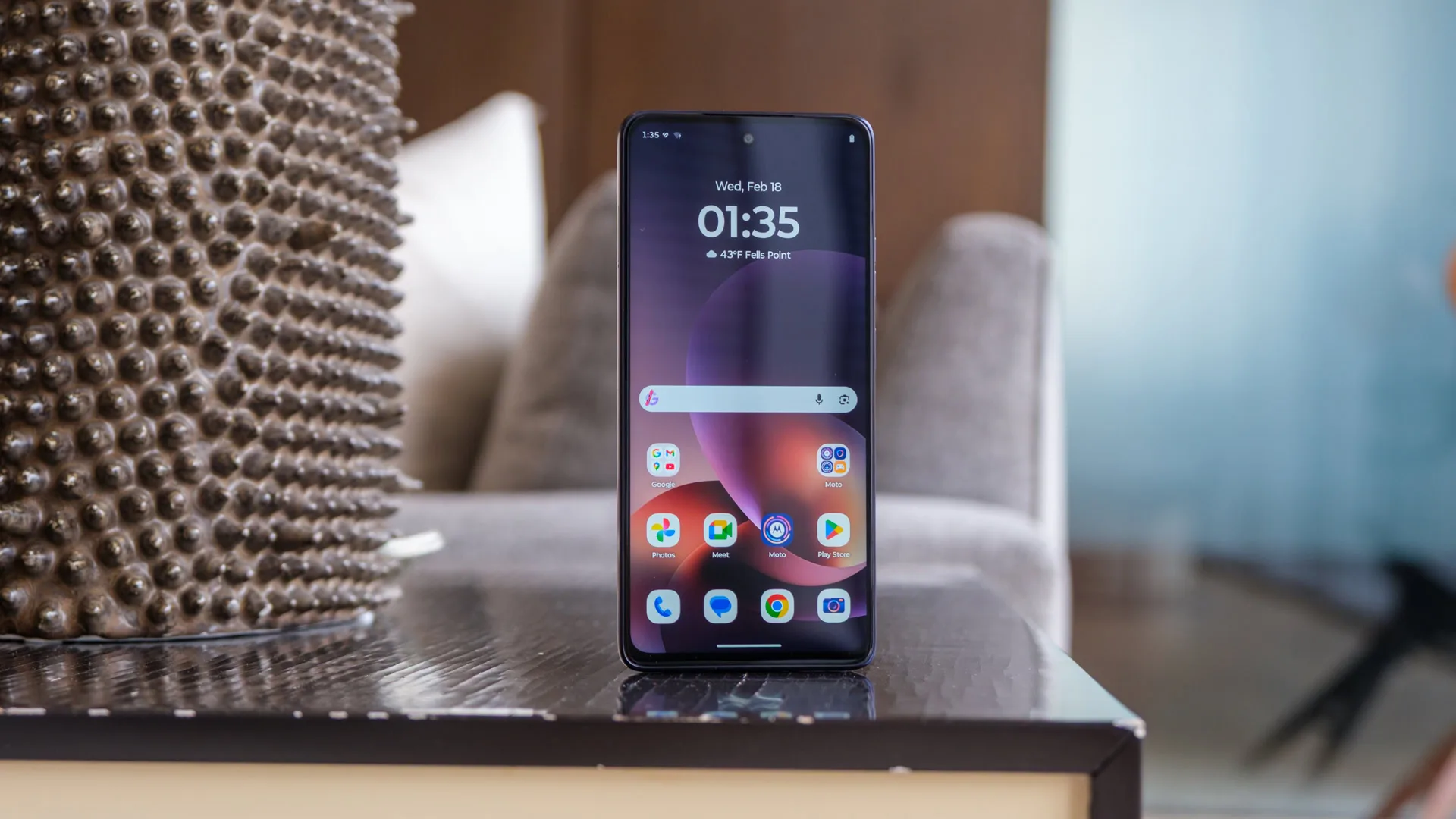
The result tracks with how people actually shop. If someone starts by considering the Moto G Power, they probably already see value in Motorola’s old-school priorities: battery stamina, expandable storage, a 3.5mm headphone jack, and software that generally stays out of the way. The Moto G Stylus is the natural in-house upgrade. It retains that family resemblance while adding the appeal of a stylus and a somewhat more aspirational feature set.
That matters because buying a phone is not like ordering a laptop CPU from a parts list. Familiarity counts. People who have learned their way around Motorola’s interface, set up its gestures, and built habits around its hardware extras may not be eager to move to Samsung’s more crowded One UI or Google’s Pixel-first approach. A stylus also remains one of those features that sounds niche until you use it to sign a PDF, jot down a delivery number, or mark up a screenshot in a hurry.
Still, the poll result comes with an important asterisk: 71.1% of voters chose something else. The Moto G Stylus won the race, but the field made a strong case that Motorola cannot rely on familiarity forever.
The real split among Moto G Power alternatives
The Galaxy A27 and Pixel 10a represent the argument Motorola has heard for years: support matters. Samsung and Google have increasingly turned long software and security-update commitments into a selling point, and rightly so. A phone is now a wallet, boarding pass, two-factor authenticator, camera, and home for years of personal messages. Leaving it behind on security patches early is not a minor footnote.
Google’s own Pixel update policy has helped set expectations in Android, particularly for buyers tired of replacing perfectly functional hardware because support has run out. Samsung has made a similar play across much of its Galaxy range. Motorola has improved in places, but its update reputation remains a drag on otherwise appealing hardware. Frankly, it should be a bigger concern for the company than whether a rival has one more camera sensor.
The Nothing Phone 4a Pro appeals to buyers who want a budget device to feel a little less budget. Nothing has built its brand around conspicuous industrial design and a willingness to make midrange phones look interesting. That does not automatically make it the sensible purchase, but it exposes a problem for the G Power: competent can become invisible.
The source discussion also surfaced a few left-field picks. One commenter, Jsumera10, said they left Motorola for a POCO M8 Pro 5G because of its longer update policy and T-Mobile compatibility. Another reader suggested the Moto G84 5G, while a third reached back to the Pixel 7 Pro. Real-world shopping is exactly why neat lists of Moto G Power alternatives can become messy. Grey-market imports, clearance inventory, refurbished flagships, and carrier deals all scramble the price ladder.
Battery life and ports are not nostalgia
It would be a mistake, though, to treat the Moto G Power’s core strengths as quaint leftovers. One reader argued that battery life is the whole reason to buy it. Fair enough. Battery anxiety is more tangible than a promised feature arriving in Android 18. Another pointed to the microSD slot and headphone jack, two capabilities that have quietly disappeared even from phones that cost far more.
For shoppers weighing Moto G Power alternatives, those details are the difference between a phone that works around their life and one that creates small daily hassles. Commuters with wired headphones, parents carrying offline media for kids, and anyone who takes lots of photos without paying for cloud storage understand the appeal. The market’s obsession with thinness has made basic flexibility feel exotic.
The caveat is performance. The Moto G Power (2026) uses MediaTek’s Dimensity 6300 chipset, a serviceable but unremarkable platform. It should handle messaging, navigation, streaming, and casual browsing without drama. But buyers who keep dozens of apps open, play demanding games, or expect camera processing to feel instant may reasonably look at other Moto G Power alternatives. A huge battery is less comforting when the phone feels sluggish before lunch.
Price comparisons need a little honesty
Several readers reported buying the Moto G Power for $200, and some said they found it near $100. Those deals are real. They are also not a stable basis for declaring every competing phone overpriced. Carrier subsidies often require a plan, a trade-in, a specific line, or simply good timing. Sales can turn a mediocre deal into a great one overnight, then vanish before the weekend is over.
Retail pricing still has value when evaluating Moto G Power alternatives, even if nobody actually enjoys paying retail. It gives shoppers a consistent starting point. From there, compare the real cost: the unlocked price, financing terms, carrier commitment, trade-in value, and how long the phone will receive updates.
Motorola’s narrow poll victory should be encouraging, not comforting. The company has a loyal audience because it continues to sell useful features competitors abandon. But Android buyers are plainly becoming more willing to trade those extras for longevity. If Motorola wants the next G Power to win more than a plurality, it needs to pair that excellent battery and welcome headphone jack with a software promise people can trust.
Frequently Asked Questions
What are the best Moto G Power alternatives in 2026?
The strongest options discussed include the Moto G Stylus 2026, Samsung Galaxy A27, Google Pixel 10a, Nothing Phone 4a Pro, and discounted older flagships. The right choice depends on priorities such as software support, battery life, display quality, expandable storage, headphone jacks, and price.
Why did the Moto G Stylus beat the Galaxy A27 and Pixel 10a?
The Moto G Stylus 2026 won 28.9% of the poll, narrowly ahead of the Galaxy A27 at 23.9% and Pixel 10a at 19.7%. Its appeal appears rooted in familiar Motorola software and the sense that it offers a more ambitious version of the G Power formula without moving far upmarket.
Is a discounted older flagship better than a new budget phone?
It can be an appealing option for buyers who want more premium specs for similar money. The best choice depends on the features and trade-offs that matter most to the buyer.