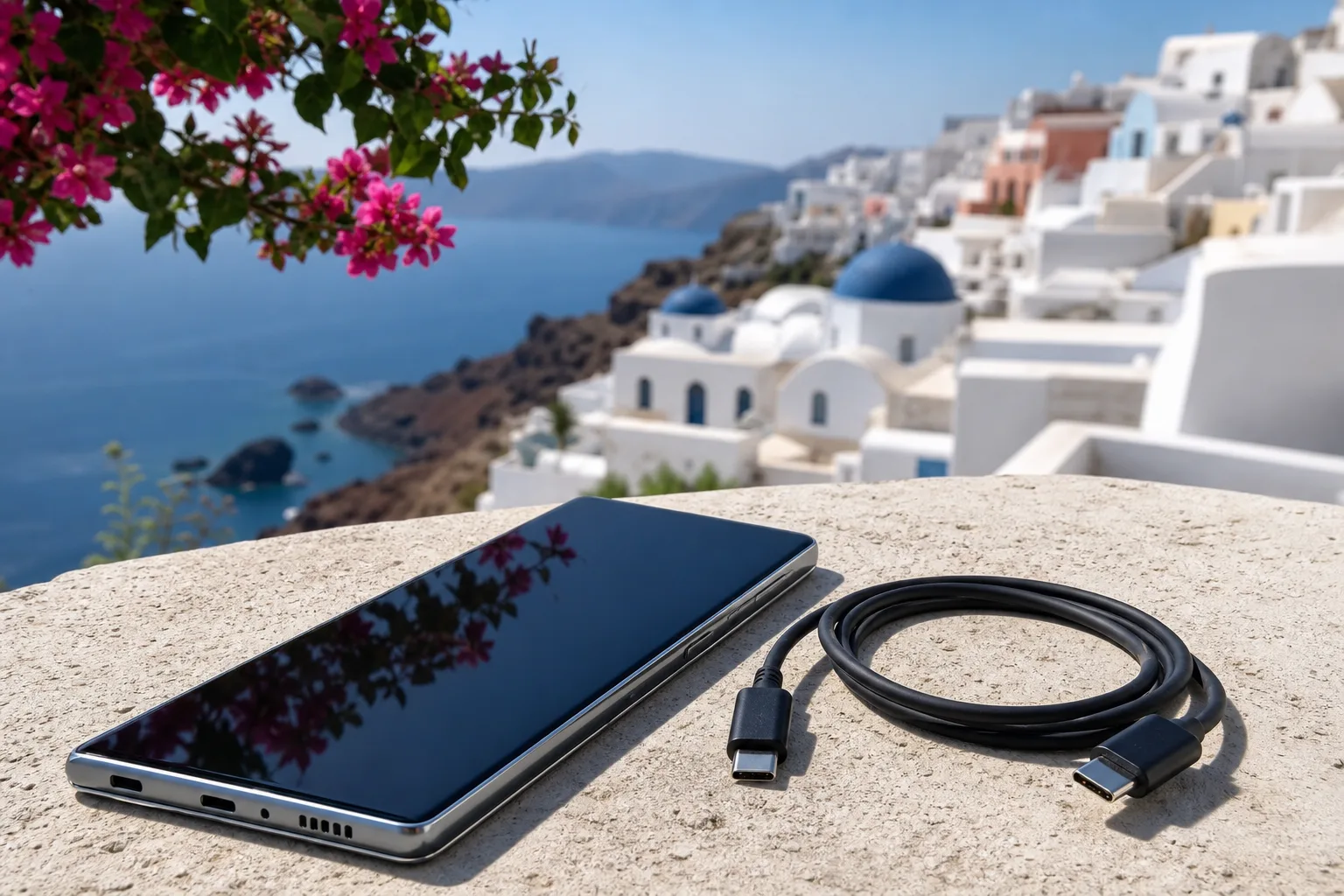
- Galaxy S27 Ultra charging may improve through longer periods at high power, not simply a larger maximum wattage figure.
- A smarter Galaxy S27 Ultra charging curve could reduce the frustrating slowdown that arrives during the final stretch toward a full battery.
- Samsung still trails several Android rivals on charging specs, though peak wattage alone says little about real-world refill times.
- Thermal limits, battery longevity, charger support, and cable quality will determine whether the reported improvement reaches owners.
Table of Contents
Galaxy S27 Ultra charging may be about the curve, not the number
The interesting part of the latest Galaxy S27 Ultra charging chatter isn’t a spectacular wattage claim. It’s the suggestion that Samsung could keep the phone charging at a higher rate for longer. That sounds like a small engineering adjustment. For anyone staring at 63% while their coffee goes cold, it could matter far more than a flashy figure on a spec sheet.
Smartphone makers love quoting a maximum charging speed because it’s easy to market. A phone that briefly touches a high wattage is technically fast, after all. But that number is a bit like saying a car can hit 180mph: useful trivia, not a description of your commute. What owners feel is how quickly the battery moves from nearly empty to useable, and then from useable to full.
Reports around Samsung’s future Ultra flagship point toward an optimization of that charging curve. Rather than radically changing the hardware or chasing the 100W-plus claims common among some Chinese brands, Samsung may be looking at reducing the time the phone spends throttling down from its fastest charging state. Samsung has not announced the Galaxy S27 Ultra, its final battery capacity, or its charging specification, so this belongs firmly in the rumor column for now.
Still, the direction makes sense. Samsung’s current flagship strategy has been conservative, while rivals including OnePlus, Xiaomi, and Oppo have spent years advertising much bigger numbers. Samsung has been playing a different game, one focused on thermal management, battery health, and broad charger compatibility. Frankly, that caution has sometimes looked more like complacency.
Why sustained power is what people actually notice
A lithium-ion battery cannot accept the same level of power throughout a charge. As it fills, the charging system has to reduce current and carefully manage voltage to limit heat and prevent undue cell stress. This is the familiar taper: the last 10% or 20% takes disproportionately long, even with a powerful adapter plugged in.
Better Galaxy S27 Ultra charging would mean engineering the phone so it can remain near its top charging speed deeper into the session before that taper begins. That could come from improved battery chemistry, a larger vapor chamber, more efficient power-management components, revised charging software, or some combination of all four. Samsung doesn’t need to turn the phone into a handheld space heater to make this meaningful. It needs to make the useful portion of a charge quicker.
Think about a typical rushed morning. You may plug in at 18%, shower, get dressed, and grab the phone 25 minutes later. A higher peak rate that lasts for two minutes might look great in a promotional graphic, but a steadier rate across most of those 25 minutes is what gets you through the day. That’s the practical case for a smarter charging curve. In other words, Galaxy S27 Ultra charging performance will be judged by the time it saves when people actually need it.
The official charging support guidance is worth consulting. That may sound obvious, but it gets at the awkward truth behind charging comparisons: lab results and a hot phone in a backpack are not the same thing.
Samsung has room to catch up without joining the wattage arms race
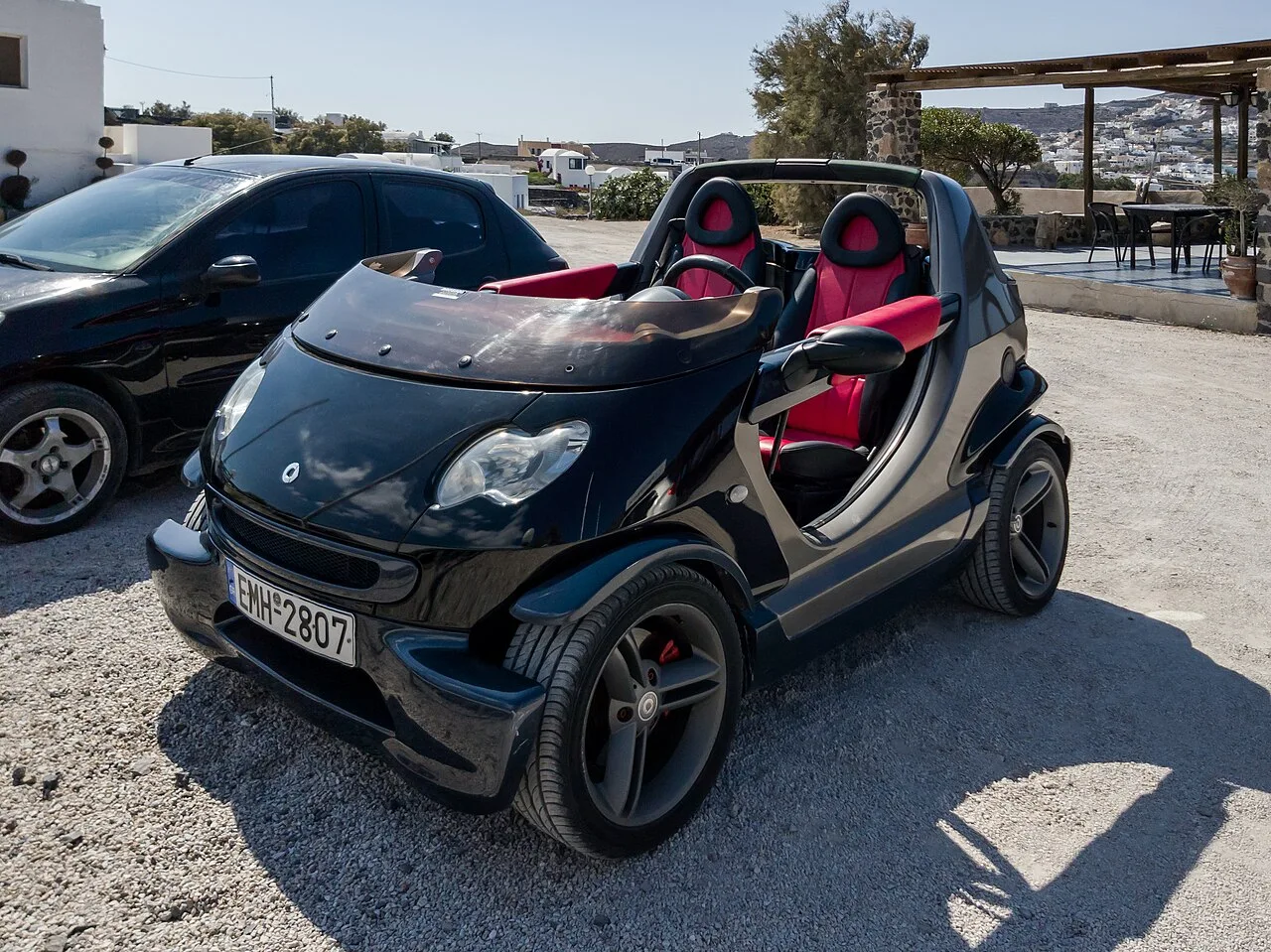
The image of a Smart Crossblade in Akrotiri, Santorini may seem like an odd detour, but it makes the trade-off in consumer hardware easy to see. Design is always a negotiation between headline performance and the constraints hidden beneath the bodywork. Phones face the same problem, only the engine is a battery pressed against a bright display and a powerful processor.
OnePlus offers a useful comparison. Its recent flagships have made rapid charging a core part of their appeal. Xiaomi and Oppo have pushed further still. Those phones can be genuinely convenient, and Samsung’s 45W ceiling has looked dated beside them.
But maximum wattage does not settle the argument. Charger availability differs by region, some brands bundle adapters while others do not, and battery capacity changes the math. Add heat, battery percentage at plug-in, screen activity, and ambient temperature, and the tidy marketing claim gets messy fast.
Galaxy S27 Ultra charging would look like a more credible improvement if Samsung focused on sustained performance. That would also fit the company’s general approach. Samsung has historically preferred standards-based USB Power Delivery charging over proprietary brick-and-cable systems that deliver their best results only with one manufacturer’s accessories. There are trade-offs, but buying a replacement charger shouldn’t require a scavenger hunt.
The details Samsung must answer
The catch is communication. If Samsung delivers faster real-world results while retaining a 45W rating, it may have trouble getting credit for them. Most shoppers compare the biggest number on a retail page, not the shape of a charging graph. A phone that reaches 80% faster than a competitor can still lose the spec-sheet argument to a phone labeled 80W.
My read is that Samsung should publish more than a claimed time to 50%. It should state the battery capacity, the charger used, the ambient temperature, and the expected time to 80% and 100%. Independent testing will do the rest. We’ve seen this movie before: manufacturers present an idealized charging time, then quietly omit the proprietary charger required to achieve it.
Speed is only part of the story. Will this Galaxy S27 Ultra charging work with the same widely available 45W USB-C adapters? Will the company include a charger in the box? Can the phone sustain its improved rate while navigating, recording video, or sitting in a warm car? And does Samsung have data showing the revised system preserves battery capacity over several years?
Samsung likely has time to answer those questions. But the company’s next move matters now. Android competitors have made quick top-ups feel normal, while Samsung’s flagship has asked buyers to accept a slower ritual. If it can make charging meaningfully faster without turning battery health into collateral damage, that’s a far smarter win than simply printing a bigger number on the box.