Apple new apps don’t usually dominate the WWDC conversation — that honour typically goes to whatever OS features Apple decides to headline. But this year’s developer conference quietly delivered five genuinely interesting additions to Apple’s software portfolio, and taken together they say a lot about where the company is putting its energy heading into the fall release season.
- Apple new apps unveiled at WWDC 2026 include a rebuilt Siri with its own standalone chat interface for the first time.
- The five Apple new apps span AI, developer tooling, smartwatch consolidation, and a restored TV remote — a broad platform push.
- Siri AI won’t be available in the EU at launch, reflecting ongoing regulatory friction between Apple and European authorities.
- Claris FileMaker Go 2026 adds Google Gemini support, joining Anthropic, OpenAI, and Cohere on its AI model roster.
Table of Contents
Apple New Apps at WWDC 2026: The Full Picture
Four of the five Apple new apps were announced at WWDC 2026 alongside the upcoming iOS 27, iPadOS 27, macOS Golden Gate, watchOS 27, and visionOS 27 software updates. A fifth — Claris FileMaker Go 2026 — arrived independently on June 10, already available to download. The spread is telling: Apple is shoring up its AI story, handing developers better tooling, cleaning up some long-standing housekeeping, and quietly modernising a legacy enterprise product. None of these is a trivial addition.
Siri AI: Apple’s Most Consequential App in Years
Let’s start with the obvious one. Siri AI is a ground-up rebuild of Apple’s voice assistant, and for the first time it arrives as a dedicated standalone app — not just a system feature you summon with a button press or ‘Hey Siri.’ The app works like a modern chat interface: type or speak, get a response, scroll back through your conversation history, which syncs across devices via iCloud. It’s the same interaction model that made ChatGPT and Gemini feel so approachable, and Apple is clearly aware that Siri’s reputation has taken a battering over the years for being less capable than its rivals. Among all the Apple new apps shown at this year’s conference, Siri AI generated the most discussion for good reason.
The feature set is genuinely wide. Siri can now search the web, reason over documents, handle multi-step maths problems, take action across apps (think: pulling up multi-stop Maps directions, editing a photo and sharing it, or drafting an email that actually sounds like you), and access general world knowledge. That last part — writing in the user’s own style — is the kind of deeply personal feature Apple has been positioning as its competitive moat against OpenAI and Google. Whether it delivers will depend on execution, but the ambition is clear.
There’s a significant catch, though: Siri AI won’t be available in the EU at launch. Apple says it is working on a path forward, which is the same carefully worded holding pattern it used when delaying Apple Intelligence features in Europe last year. The EU’s Digital Markets Act has consistently complicated Apple’s AI rollout timelines, and Siri AI appears to be the latest casualty of that friction. European iPhone users are, again, being asked to wait.
Access to Siri AI even in supported regions requires joining a waitlist for now, so this isn’t a switch-it-on-day-one situation. Developer betas of the operating systems are live, but Siri AI itself is being drip-fed — which suggests Apple is still stress-testing the infrastructure at scale.
The Apple TV Remote App Is Back
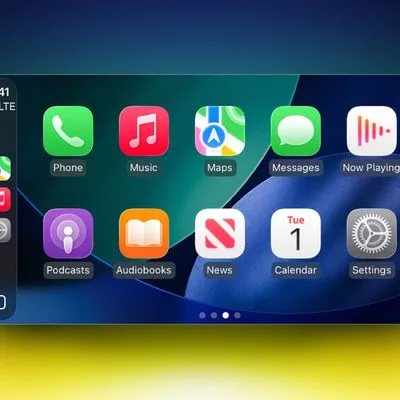
This one is more housekeeping than headline, but it matters to a lot of people. Apple originally offered a dedicated Apple TV Remote app in the App Store, then quietly pulled it in 2020 when it folded the functionality into the Control Centre. The problem: Control Centre isn’t exactly discoverable, and a lot of users simply didn’t know the remote was still there. With iOS 27 and iPadOS 27, the Remote app returns as a proper home screen icon, pre-installed and searchable — making it one of the more user-friendly Apple new apps in this year’s lineup. You can also pin it to your home screen manually by searching ‘Remote,’ long-pressing the icon, and dragging it into place. Simple. It’s the kind of quality-of-life fix that should never have required six years.
Find My on Apple Watch Gets a Long-Overdue Redesign
If you’ve tried to use Find My on an Apple Watch recently, you’ll know the frustration. The functionality was split across three separate apps — Find Devices, Find People, and Find Items — which made no logical sense to anyone who just wanted to locate their AirTag or check where a family member was. watchOS 27 consolidates all three into a single, map-centric app, with quick-access actions for getting directions and finding nearby items all in one place. Alongside the other Apple new apps announced this cycle, this redesign addresses one of the most frequently cited pain points in the Apple Watch experience.
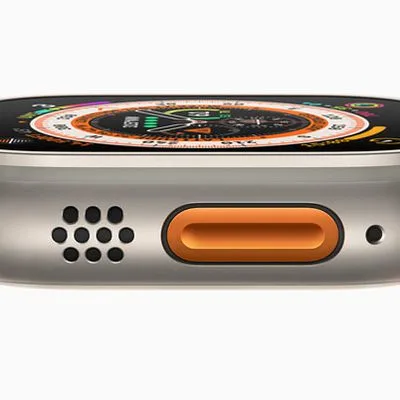
Precision Finding — the feature that uses Ultra Wideband to guide you to a specific device with directional arrows and haptic feedback — now covers the paired iPhone, AirPods Pro 3, and AirTag 2, directly from the watch. The redesign also brings more flexible location-sharing controls, giving users finer-grained options over what they share and with whom. It’s a meaningful upgrade for anyone who relies on the Apple ecosystem for family tracking or frequently loses things. The real question is why it took this long — the fragmented app structure was a known annoyance — but better late than never.
Pass Designer: A Serious Tool for Wallet Developers
Pass Designer is the most developer-focused of the Apple new apps announced this cycle, and it’s one that’s been missing from Apple’s toolkit for a while. Building Apple Wallet passes — boarding passes, event tickets, loyalty cards, gift cards — has always involved manually editing JSON files and hoping the output looked right on device. Pass Designer replaces that painful workflow with a proper Mac application that shows you a live preview using the exact same rendering engine as iOS and watchOS. What you see is literally what your customers will see.
The app supports both Apple-provided templates and custom designs, lets you import logos, background images, and strip images, and validates your pass in real time — flagging missing required fields before you ship. For boarding passes and event tickets specifically, it supports semantic tags: structured metadata like flight numbers, departure times, venue coordinates, and event dates that the system uses to power Siri Suggestions, Calendar integration, and Maps directions. Pass Designer can also auto-generate a backward-compatible pass structure from that semantic data, so older devices that don’t support semantic tags still get a functional pass.
Pass Designer beta is available now for registered Apple developers and requires macOS 27. As Apple new apps go, it’s a welcome addition — Apple Wallet’s usefulness has always been hamstrung by how painful it was to build for, and a dedicated visual tool lowers the barrier considerably.
FileMaker Go 2026: Apple’s Enterprise Arm Adds Gemini
The fifth entry in this week’s Apple new apps roundup comes not from Cupertino’s main software teams but from Claris International, the Apple subsidiary that maintains the FileMaker platform. FileMaker is a low-code database and app-building platform used by businesses to manage data and automate workflows without deep programming expertise — it’s been around in various forms since 1985 and has a devoted enterprise user base that often goes unnoticed in mainstream Apple coverage.
FileMaker Go 2026 landed on June 10, ahead of the WWDC announcements, and it’s a meaningful update. The new release adds support for iOS and iPadOS 26, and — most notably — brings Google Gemini into FileMaker’s supported AI model lineup alongside Anthropic, OpenAI, and Cohere. That’s a significant roster. Most enterprise software platforms are still scrambling to support even one AI backend; FileMaker is now supporting four major ones simultaneously, which gives developers serious flexibility in choosing which model fits their data and privacy requirements. It may be the least visible of the Apple new apps covered here, but for enterprise users it is arguably the most immediately practical.
Claris says the 2026 release was shaped directly by feedback from its developer community, with a focus on developer productivity, infrastructure resilience, and an architecture described in the release notes as AI-ready. That last phrase is doing some work, but the underlying point is valid: as businesses increasingly want to run AI queries against their own structured data, having a low-code platform that can natively call multiple AI APIs is genuinely useful.
Taken together, these five Apple new apps sketch a coherent strategic picture: Apple is unifying its ecosystem experience (Find My, the Remote app), arming developers with better tooling (Pass Designer, FileMaker), and making its most aggressive AI play yet with Siri. The EU exclusion for Siri AI remains a real problem — Apple can’t credibly claim to be an AI-first platform while locking out an entire major market — but the direction of travel is unmistakable. The fall release season is going to be a significant one.
Frequently Asked Questions
When will Apple new apps from WWDC 2026 be available to everyone?
Most of the Apple new apps announced at WWDC 2026 will ship this fall alongside iOS 27, iPadOS 27, macOS Golden Gate, watchOS 27, and visionOS 27. Developer betas are already live, though Siri AI access requires joining a waitlist.
Why won’t Siri AI launch in the EU?
Apple hasn’t detailed the precise legal reasoning, but it says it’s working on a path forward. Siri AI will not be available in the EU at launch.
Who is Pass Designer aimed at?
Pass Designer is a Mac app targeting developers and businesses who build Apple Wallet passes — think boarding passes, event tickets, and loyalty cards. It requires macOS 27 and is available now as a beta for registered Apple developers.
What AI models does FileMaker Go 2026 support?
FileMaker Go 2026 now supports Google Gemini alongside Anthropic, OpenAI, and Cohere — giving developers a broad choice of AI backends within the low-code FileMaker platform, which is developed by Claris International, an Apple subsidiary.