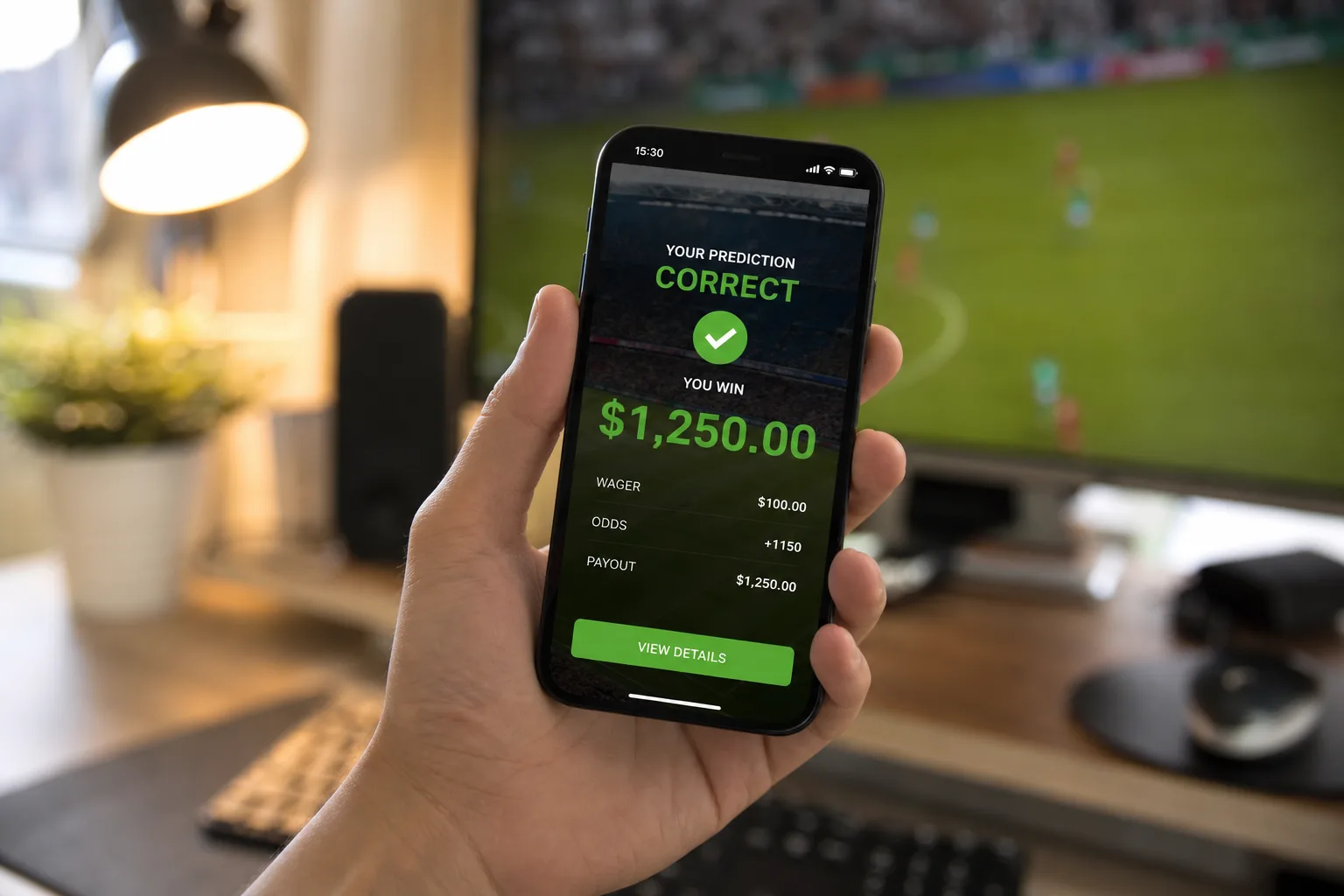
Polymarket fake bets. That’s the phrase that’s going to follow the prediction-market darling around for a while, after a Wall Street Journal investigation found that the platform paid social-media creators to film themselves apparently winning large wagers — wagers that, according to the WSJ, never actually existed.
- Polymarket fake bets totalling roughly $1.9 million were shown in influencer hype videos that were not real.
- A Wall Street Journal investigation reviewed over 1,100 videos and found none of the bets shown were real.
- Polymarket reportedly paid creators to produce the videos, raising serious questions about deceptive marketing practices.
- The scandal hits Polymarket at a sensitive moment, as prediction markets face growing regulatory and public scrutiny.
Table of Contents
What the WSJ Investigation Found
The numbers here are stark. Journalists at the Wall Street Journal reviewed more than 1,100 videos produced by influencers working with Polymarket and found that the roughly $1.9 million in bets shown across that content wasn’t real. None of it. The videos, which were designed to look like organic screen-recordings of big wins on the platform, were apparently staged on dummy sites built to mimic Polymarket’s interface. These Polymarket fake bets were crafted specifically to deceive prospective users into believing real payouts were happening.
Think about what that actually means in practice. A creator films their phone screen, showing a $50,000 winning bet on some political outcome. The viewer assumes this is a real person who made a real prediction and got paid out real money. They download the app, deposit funds, and start placing their own bets. That’s the funnel. And if the WSJ’s reporting holds up, the entire top of that funnel was manufactured.
This isn’t a case of an influencer exaggerating their results or cherry-picking their best trades to show followers. The Polymarket fake bets scheme is allegedly a coordinated, platform-funded operation to fabricate evidence of wins that never happened on an exchange where real people’s money is at stake.
Polymarket Fake Bets and the Platform’s Rapid Rise
To understand why this matters beyond the obvious, you need to appreciate how quickly Polymarket has grown and how central its public image has been to that growth. The platform became a mainstream talking point during the 2024 US presidential election cycle, when its markets on the race between Donald Trump and Kamala Harris attracted enormous volumes and significant media coverage. Outlets that had never previously quoted a prediction market were suddenly citing Polymarket odds as a genuine signal of where the race stood.
That credibility — the idea that Polymarket’s markets reflect the aggregated wisdom of financially-motivated bettors — is essentially the entire product. If the platform’s user acquisition strategy was built on Polymarket fake bets shown in influencer videos, it poisons the well in a way that a bad advertising campaign simply doesn’t. People weren’t just being sold a product. They were being shown false proof that the product works and pays out.
Polymarket is built on blockchain infrastructure, which lends it an aura of transparency. Every transaction is theoretically verifiable on-chain. The irony of a platform selling itself on trustless, transparent markets apparently running an off-chain, fake-it-till-you-make-it influencer campaign built around Polymarket fake bets is not lost.
A History of Regulatory Friction
This isn’t Polymarket’s first brush with serious controversy. In January 2022, the Commodity Futures Trading Commission fined Polymarket $1.4 million for offering unregistered binary-option contracts to US customers and ordered the platform to block American users from trading. Polymarket complied — or at least claimed to — but its continued prominence among US-based commentators and media suggests geofencing has done only so much.
Now, with the Polymarket fake bets marketing scandal on the table, the regulatory calculus gets more complicated. The CFTC cares about market structure and contract registration. But deceptive advertising aimed at retail users starts to look like territory the Federal Trade Commission might want to wade into as well. The FTC has been increasingly aggressive about influencer marketing disclosure requirements, and a scheme this systematic — paid creators, dummy sites, mass-produced videos — seems designed to hide the commercial relationship entirely.
The Wider Influencer Marketing Problem in Crypto
Let’s be honest: deceptive influencer marketing is practically a genre within the crypto and Web3 space. From undisclosed token promotions to paid shills presenting themselves as genuine community members, the industry has a long and well-documented history of blurring the line between authentic enthusiasm and paid promotion. The FTX collapse, for instance, threw a harsh spotlight on the dozens of celebrities and influencers who had been paid to promote the exchange to retail investors with no disclosure.
What makes the Polymarket fake bets situation somewhat distinct is the alleged use of dummy infrastructure — replica sites built specifically to stage winning screenshots and screen-recordings. That’s not just a disclosure problem. That’s constructing props for a deception. It suggests a level of intentionality and planning that goes beyond a creator posting “I love this app” without a hashtag-ad disclosure.
The broader prediction market sector will be watching nervously. Platforms like Kalshi, which fought a multi-year legal battle to offer event contracts in the US and won CFTC approval to list political event contracts, have been trying to present prediction markets as a legitimate, regulated financial product. A scandal involving Polymarket fake bets at the sector’s highest-profile name doesn’t help that case.
What Happens Next for Polymarket
Polymarket hasn’t folded or gone dark — the platform continues to operate, and its markets continue to attract volume. But reputational damage in a trust-dependent industry compounds in ways that are hard to model in advance. Users who bet on Polymarket are, in a sense, betting on the integrity of the market itself. If the story of how those users were recruited turns out to involve Polymarket fake bets fabricated to manufacture winning screenshots, that’s a legitimacy crisis, not just a PR problem.
The bigger question is whether regulators move. The CFTC already has Polymarket in its sights from the 2022 action. If the WSJ’s reporting on Polymarket fake bets prompts a formal inquiry into the influencer campaign — particularly around whether it constitutes deceptive conduct toward retail investors — the platform could find itself defending on two fronts simultaneously: market structure regulation and consumer protection law.
Prediction markets are still fighting for their seat at the adult table in US financial regulation. Polymarket fake bets used as a marketing tool, if the allegations are accurate, is exactly the kind of conduct that makes that fight harder for everyone in the space. The platforms that survive this era will be the ones that built user trust on something real — not staged screen-recordings on a dummy site.