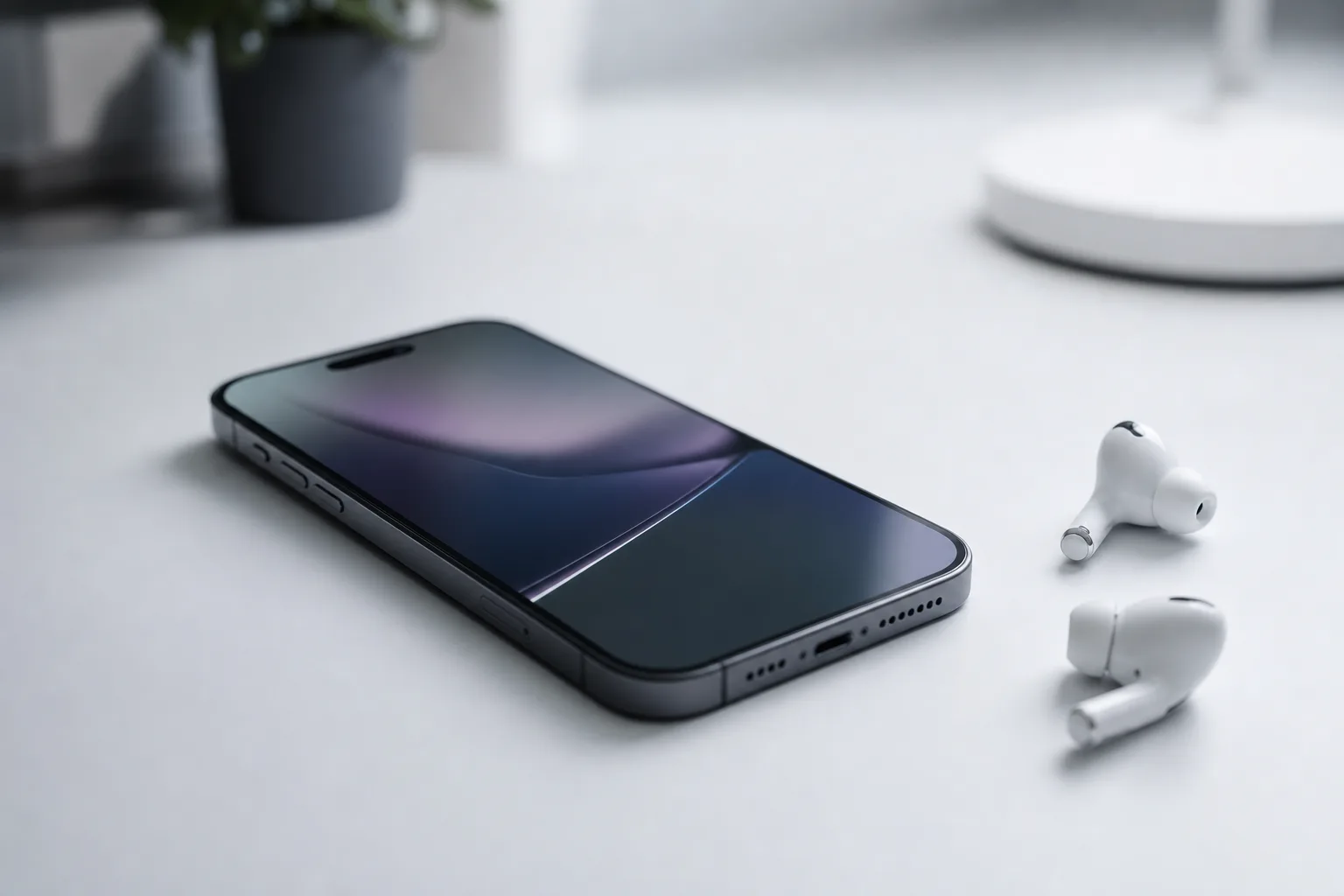
Three stories broke through the noise on Monday, and together they paint a picture of an Apple at a genuine crossroads: the iPhone 18 Pro price is shaping up to be the steepest Apple has ever charged for a base Pro model, a new CEO is preparing to put his stamp on the company’s culture, and three more Apple Stores are shutting their doors for good.
- The iPhone 18 Pro price could start at $1,399, marking Apple’s most expensive base Pro model ever.
- Reports suggest the iPhone 18 Pro price hike reflects rising AI hardware costs and component investments.
- Incoming Apple CEO John Ternus is reportedly planning to restore the design team’s central role at the company.
- Apple is permanently closing three retail stores, continuing a quiet but steady consolidation of its physical footprint.
Table of Contents
iPhone 18 Pro Price: $1,399 Is Just the Starting Point
Let’s start with the number everyone’s going to argue about. A new report suggests the iPhone 18 Pro price could open at $1,399 — or even higher. That would represent the single largest base-price increase Apple has ever applied to its Pro lineup in one generation.
For context, Apple held the iPhone Pro starting price at $999 for years before making incremental increases in recent generations. A leap to $1,399 would shatter that incremental pattern entirely. It’s the kind of move that forces even loyal Apple customers to stop and do the math. The iPhone 18 Pro price jump is, by any measure, a significant departure from Apple’s historically cautious approach to Pro tier increases.
So what’s driving it? The most credible explanation is the cost of on-device AI hardware. Apple has been racing to build the silicon and memory architecture needed to run its Apple Intelligence features locally — meaning on your phone, not in a data center. That’s expensive. Apple has reportedly emphasised its commitment to private, on-device AI processing, and that commitment doesn’t come cheap. Advanced packaging, larger DRAM configurations, and next-generation neural engine designs all add up fast at the component level. According to Bloomberg’s reporting on Apple Intelligence, the investment in on-device AI infrastructure has been substantial across multiple hardware generations.
There’s also the broader industry dynamic at play. Samsung raised prices on its Galaxy S25 Ultra. Premium Android devices have been creeping upward too, which gives Apple some cover to move aggressively. The question is whether Apple’s customer base — notoriously sticky but not infinitely elastic — will absorb a $1,399 iPhone 18 Pro price floor without flinching.
The iPhone 18 Pro price report hasn’t been confirmed by Apple, and the company rarely comments on pre-launch pricing speculation. But given the source’s track record and the economic logic behind it, this one deserves to be taken seriously. If accurate, it will almost certainly become the defining consumer story of Apple’s fall 2026 product cycle.
John Ternus and the Redesign of Apple’s Internal Culture
While the iPhone 18 Pro price debate will dominate headlines, arguably the more consequential story is what’s happening inside Apple’s leadership structure. Reports indicate that John Ternus — Apple’s current head of hardware engineering and the widely expected successor to Tim Cook — is planning to restore the design team to a position of central influence when he takes the CEO role.
That framing is telling. It implies the design team has lost some of that influence — which, if you’ve been paying attention to Apple’s trajectory since Jony Ive’s departure in 2019, isn’t hard to believe. Ive was famously given enormous autonomy over product direction, sometimes to the frustration of engineering and operations teams. After he left, power appeared to shift more decisively toward those engineering and ops functions. The products got better in measurable, technical ways. But something more intangible — a certain design-led audacity — felt less present.
Ternus is a hardware engineer by background, which makes his reported interest in re-centring design all the more interesting. He’s not a designer trying to reclaim lost territory. He’s an engineer who appears to believe that great design and great engineering aren’t competing priorities — they’re the same priority. That’s a very Apple-founding-era way of thinking, and it suggests he may want to recapture something that the company’s post-Ive years gradually diluted.
What this means practically is harder to predict. Does Apple bring in a new chief design officer? Does the design team get a seat at more product-strategy tables earlier in the development cycle? Does it change how Apple approaches categories like wearables, home devices, or even its long-gestating vision product line? All of that is speculation for now. But the signal from Ternus — even at the pre-announcement stage — is that he sees design leadership as a cultural priority, not just an aesthetic one.
Apple Store Closures: Three More Locations Gone for Good
Apple is permanently closing three retail stores, adding to a pattern of quiet but consistent consolidation that’s been underway for a few years now. The company hasn’t made a big announcement about it — this isn’t a dramatic retreat from retail — but the cumulative effect is real.
Apple’s retail strategy has always been a point of pride. The stores, designed under Ive and former retail chief Angela Ahrendts, were conceived as town squares — places where people came not just to buy things but to learn, to attend sessions, to interact with products in an experiential environment. That vision still exists in Apple’s flagship locations. But the economics of maintaining hundreds of physical stores in an era of record-high online sales and growing services revenue are different from what they were in 2010.
Three closures isn’t a crisis. But it’s worth watching which types of locations are being cut. If Apple is trimming smaller, lower-traffic stores while maintaining and even upgrading its flagship presence in major markets, that’s a rational and relatively painless portfolio adjustment. If the pattern shifts toward closing stores in markets where Apple has meaningful competition from Android ecosystems, that would be a more strategic signal.
For now, the closures feel like operational housekeeping rather than a philosophical shift. Apple’s retail business remains one of the most profitable per-square-foot operations in the world. Three stores closing doesn’t change that. But it’s a reminder that even Apple isn’t immune to the slow structural pressure that’s reshaping physical retail across the board.
What These Three Stories Tell Us About Apple Right Now
Taken individually, each of these stories is interesting. Taken together, they reveal something about where Apple is headed. The company is preparing to charge more — significantly more — for its flagship product at a moment when consumers are already stretched. It’s navigating a leadership transition that will shape its cultural identity for the next decade. And it’s quietly right-sizing a physical retail footprint that was built for a different era.
The iPhone 18 Pro price story is the one that will get the most attention, and rightly so — it directly affects tens of millions of potential buyers. But the Ternus story might matter more over the long run. Apple’s greatest periods have always been defined by what it believed design could do, and if Ternus genuinely intends to put that belief back at the centre of the company, the products that follow could look and feel meaningfully different from what we’ve seen in recent years.
The retail closures, meanwhile, are a footnote today. They might not be a footnote by 2028.
Frequently Asked Questions
What is the expected iPhone 18 Pro price at launch?
According to reports, the iPhone 18 Pro price could start at $1,399 or more. That would represent a significant increase over current Pro iPhone pricing.
Why is Apple raising the price of the iPhone 18 Pro?
The exact reasoning hasn’t been confirmed by Apple, and the source does not detail specific factors behind the potential price increase.
Who is John Ternus and what is his role at Apple?
John Ternus is an Apple executive who is reportedly set to take over as CEO. He is expected to re-establish the importance of Apple’s design team when he assumes that role.
Which Apple Stores are closing permanently?
Apple is permanently closing three retail locations, and the source indicates a list of the affected stores is available. No further details about the specific locations are provided in this source.