
If you’ve been putting off buying a new laptop, phone, or console, hoping prices would settle down, here’s some uncomfortable news: consumer electronics price increases are not only continuing — they’re accelerating. A confluence of forces, from an AI-driven memory chip crunch to lingering tariff pressures and stubbornly high shipping costs, is pushing the price of nearly everything with a chip inside it noticeably higher. And the experts tracking this say there’s no clear end in sight.
Table of Contents
What’s Actually Driving Prices Up
The headlines have been hard to miss. Apple raised prices on its MacBook and iPad lineups in June. Microsoft confirmed that Xbox consoles will get more expensive starting in August. Sony already moved the goalposts with the PlayStation 5 Pro. These aren’t isolated decisions — they’re symptoms of the same underlying problem driving consumer electronics price increases across the board.
The core issue is a shortage of memory chips, and it’s not the kind of shortage born from a factory fire or a bad quarter. It’s structural. Semiconductor manufacturers have been redirecting production capacity toward chips destined for AI data centres — the kind of high-bandwidth memory that powers large language models and the server farms behind them. That leaves less supply for the consumer-facing products that rely on the same fundamental components: your next phone, your next laptop, your next gaming console. Consumer electronics price increases are a direct downstream consequence of this reallocation.
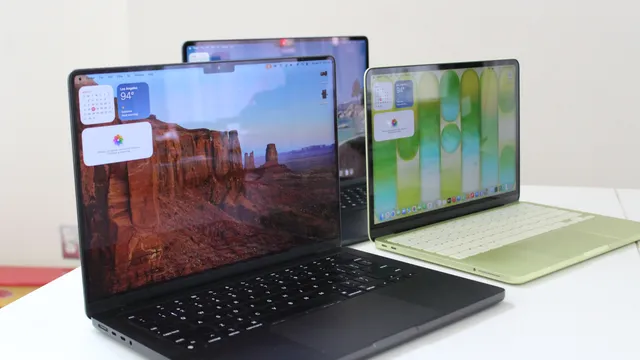
Layered on top of that are tariffs that were already biting manufacturers last year, plus the knock-on effects of elevated oil prices feeding into logistics costs. Every box that gets shipped from a factory to a warehouse to your door costs more than it did two years ago. Companies absorbed some of that pain for a while. But at a certain point, the math stops working, and the cost gets transferred down the chain — contributing further to consumer electronics price increases that shoppers are now feeling at checkout.
‘In the past, you maybe could have waited out little blips like this,’ says Shawn DuBravac, chief economist at the Global Electronics Association, which closely monitors the memory market and its downstream effects. ‘I don’t think that’s the case here. Waiting is not a strategy right now and probably won’t be for the foreseeable future.’
Consumer Electronics Price Increases Are Now Broad-Based
This isn’t a single-category problem. Memory touches almost everything. Phones, tablets, laptops, smart TVs, wearables, gaming hardware — they all depend on DRAM and NAND flash at various points in their design. When supply tightens and costs rise at the component level, the ripple moves outward fast, and consumer electronics price increases follow in category after category.
What makes this wave of consumer electronics price increases particularly tricky for buyers is the timing. Back-to-school season is approaching, and the holiday product cycle is already looming on manufacturers’ roadmaps. That means there’s a very real possibility that the devices people are planning to buy for kids heading to university, or as gifts later in the year, will cost noticeably more by the time they reach shelves.
Thibaud Hug de Larauze, CEO of the secondhand marketplace Back Market, puts it plainly: ‘People are worried that they’re going to have to pay a lot of money for the next device or the next purchase. The bad thing about that is just pushing people to upgrade more rapidly because they’re scared of inflation, basically.’ That kind of fear-buying is real — and it’s exactly the behaviour that can make consumer electronics price increases feel more acute than they already are.
What the Experts Say You Should Do
DuBravac’s advice breaks down into a few practical tiers. First, if you can go refurbished, go refurbished. Second, if you need something new, pay attention to what has and hasn’t already had a price bump. Products that have already absorbed an increase give you a little more breathing room — the next jump is likely further away. Products that haven’t seen a hike yet may be closer to one than you’d like. Staying informed about consumer electronics price increases by category is genuinely useful right now.
‘They are very intentional in their pricing, and there’s a lot of coordination that goes along with all of that,’ DuBravac says. ‘If you’re looking at products that have already had a price increase, you probably have a little bit of time to think about it.’ That’s not a green light to take months deliberating — but it does suggest you’re not facing an immediate cliff edge on those specific products.
The calculus is genuinely different for people who are financially stretched. Buying everything now before prices rise further isn’t a realistic option when household budgets are already tight. That’s where the refurbished and secondhand markets become more than just an ethical choice — they become a practical lifeline in the face of ongoing consumer electronics price increases.
The Secondhand Market Is Quietly Having a Moment
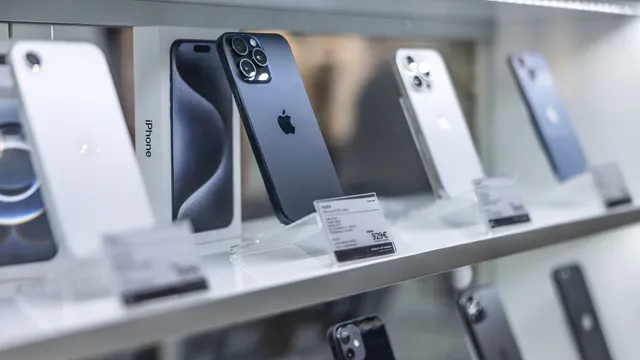
Here’s the silver lining buried in all of this: the refurbished device market is booming. Platforms like Back Market and recommerce companies like B-Stock are seeing demand surge as more buyers either can’t justify new-device prices or simply don’t want to. And for anyone sitting on a relatively recent device they’re thinking of trading in or selling, the timing is unusually favourable.
Sean Cleland, vice president of Mobility tech at B-Stock, reports that used smartphones are currently selling for 10 to 20 percent more than they were in December 2025. In any normal market cycle, you’d expect the opposite — used phones typically depreciate as newer models arrive. The fact that the trend has inverted says a lot about how unusual this moment is, and how deeply consumer electronics price increases have reshaped buying behaviour.

‘The supply chain will correct eventually,’ Cleland says. ‘Secondary market pricing will go back to normal depreciation, but it will continue being a step above what it was in 2025. It just never comes all the way back.’ That last part is important. Even when things normalise, the baseline will likely be higher than it was before this cycle started. Consumer electronics price increases, historically, don’t tend to fully reverse once they’ve taken hold.
‘You’re going to get way more from that phone than you ever would before,’ Cleland adds. ‘Take advantage of it; there’s trade-in and resale value in all that stuff.’ Major manufacturers have been building out their own buyback and trade-in programmes for phones, laptops, tablets, watches, and headphones. Third-party marketplaces are also paying more for quality used hardware right now. If you’ve got something to sell, this is an unusually good window.
The AI Angle Nobody’s Talking About Enough
It’s worth stepping back and recognising what’s really happening here at a structural level. The memory shortage underpinning these consumer electronics price increases isn’t random — it’s a direct consequence of the AI investment supercycle. Hyperscalers like Microsoft, Google, Amazon, and Meta are spending hundreds of billions of dollars collectively on data centre infrastructure. That spending competes directly with consumer device manufacturers for the same pool of memory components.
The AI bubble, as DuBravac notes, hasn’t popped. Until it does — or until semiconductor fabs significantly expand capacity, which takes years — this dynamic isn’t going away. Consumers are, in a very real sense, subsidising the AI arms race through higher prices on the devices they buy every day. That’s a tension that’s only going to become more visible as the year progresses and back-to-school and holiday buying kicks into gear, putting fresh pressure on already-elevated prices.
Manufacturers aren’t villains here — they’re navigating a genuine supply crunch. But the net effect is that the golden era of steadily falling consumer tech prices, which defined much of the 2010s, feels firmly in the rearview mirror. Consumer electronics price increases are now the default expectation rather than the exception. The smarter play right now is to buy carefully, consider refurbished seriously, and trade in whatever you’re sitting on before the resale window narrows again.
Frequently Asked Questions
Why are consumer electronics price increases happening right now?
The main driver is a global memory chip shortage caused by manufacturers prioritising chip production for AI data centres over consumer devices. Combined with existing tariff pressures and rising shipping costs, this has squeezed supply enough that companies are passing the extra costs on to buyers.
Should I buy a new device now or wait for prices to drop?
Industry experts say waiting is not a practical strategy at this point. The memory shortage shows no sign of easing soon, and the AI demand fuelling it hasn’t slowed. If you need something new, the current price may be the best base price you’ll see for some time.
Is buying a refurbished device a good idea right now?
Yes — refurbished gear is one of the most practical alternatives to paying full price on new hardware. It’s typically more eco-friendly, and demand for quality refurbished devices has surged. Secondhand marketplaces are booming as more people turn to used devices amid rising prices.
How much more are used smartphones selling for compared to last year?
According to B-Stock, used smartphones are currently selling for 10 to 20 percent more than they were in December 2025 — a reversal of the normal pattern where used phones depreciate in value over time.