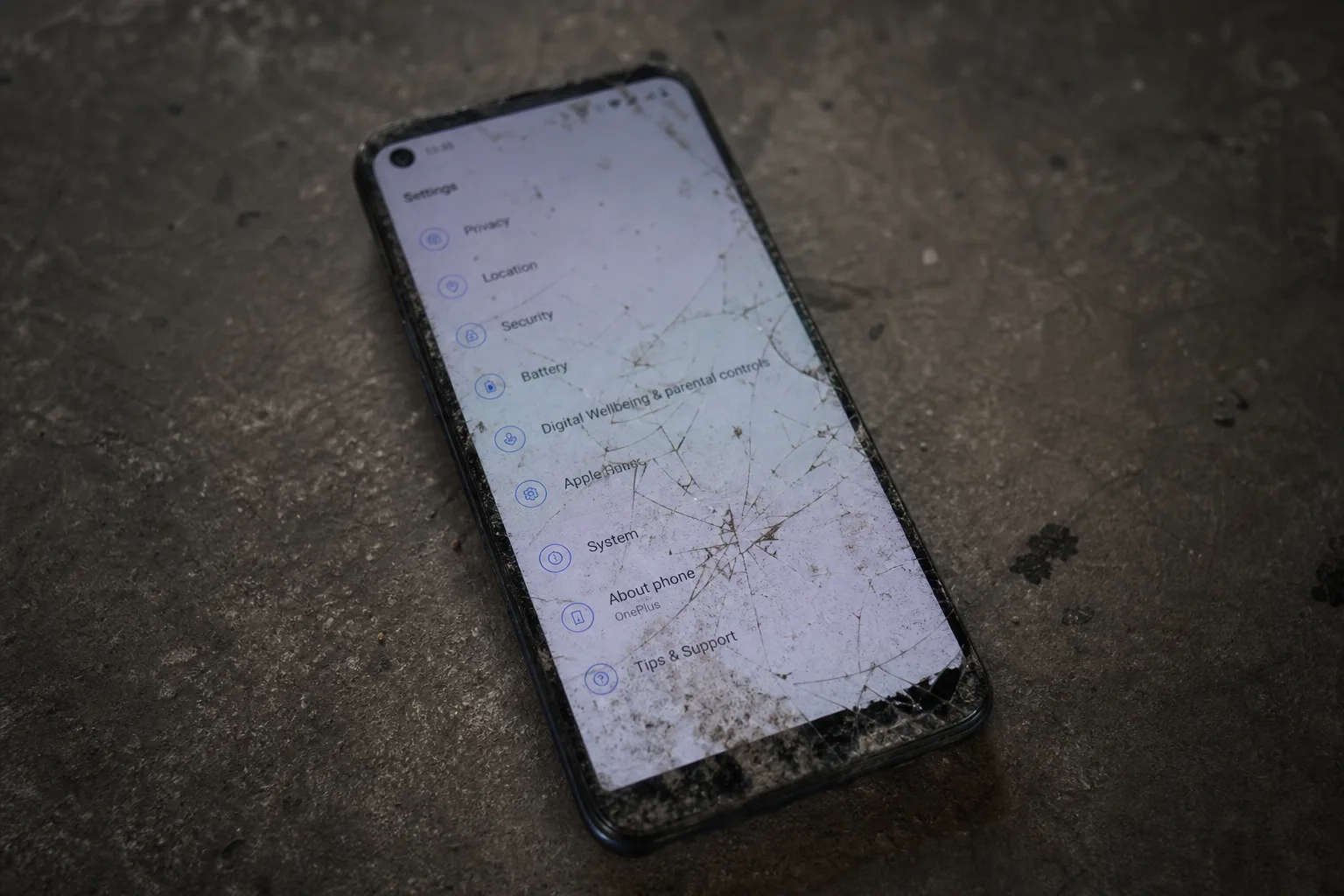
The slow unravelling of OnePlus has been painful to watch for anyone who followed Android closely over the past decade. Now, a new report is pushing the story toward what looks like its final chapter. According to Indian tech outlet Smartprix, OxygenOS discontinuation is on the table — and it’s taking Realme UI down with it. If the report holds up, both OnePlus and Realme will be fully folded into the Oppo brand, with all devices migrating to ColorOS.
- OxygenOS discontinuation appears imminent as OnePlus and Realme are reportedly folded fully into the Oppo brand.
- The OxygenOS discontinuation is part of an aggressive restructuring that will migrate all devices to ColorOS.
- OnePlus products are already listed as out of stock on the official UK storefront, signalling the brand may be winding down.
- Realme had already merged with OnePlus as recently as April, accelerating the collapse of two once-distinct Android brands.
Table of Contents
What the OxygenOS Discontinuation Report Actually Says
Smartprix’s report cites an Oppo insider describing what it calls an ‘aggressive restructuring’ of the BBK Electronics portfolio. The plan, as described, would see OnePlus and Realme lose their software identities entirely — no more OxygenOS, no more Realme UI. Every device across both brands would move to ColorOS, the same software skin that ships on Oppo’s own handsets. It’s a move that consolidates resources, reduces software engineering overhead, and simplifies the product roadmap. From a purely corporate perspective, it makes obvious sense. From a consumer perspective, it’s a different conversation entirely.
The source also points to a broader pattern that’s been building for months. OnePlus’s global offices have quietly shuttered. Oppo products have started appearing on OnePlus’s own online storefronts — a detail that raised eyebrows when it first emerged, and now reads as foreshadowing rather than an oddity. Meanwhile, OnePlus products are currently listed as ‘Out of stock’ across the official UK storefront, which doesn’t look like a supply chain hiccup. It looks like a wind-down.
Why OxygenOS Discontinuation Was Almost Inevitable
Here’s the thing: for anyone who’s been paying attention, OxygenOS discontinuation isn’t exactly a bolt from the blue. The software that made OnePlus famous — that clean, fast, near-stock Android experience — effectively ceased to exist years ago. When OnePlus merged its software development with Oppo’s and adopted ColorOS as the shared base, OxygenOS became a brand name more than a distinct operating system. The divergence in code between the two had shrunk so dramatically that by the time the Nord 2 launched, the differences were largely cosmetic.
That shift was a calculated trade-off. OnePlus couldn’t sustain a fully independent software stack at the scale it was operating. Pooling resources with Oppo brought stability and meant faster security patches, more consistent feature rollouts, and a development pipeline that a mid-sized brand couldn’t have maintained alone. There was even a brief period where it seemed to work — the OnePlus 10 Pro and the 11 were genuinely well-regarded phones that showed what a leaner, more focused approach could achieve. But the brand identity was already hollowed out by then, and the hardware wasn’t enough to compensate.

Realme UI Is Also on the Chopping Block
Less discussed but equally significant is the fate of Realme UI. Realme launched as an Oppo sub-brand targeting budget-conscious buyers in India and Southeast Asia. It found genuine traction — the brand built a loyal following by offering competitive specs at aggressive price points and carved out a real slice of the Indian market. But Realme had already merged with OnePlus operationally as recently as April, a move that, in retrospect, looks like the beginning of the end for both as independent entities. The OxygenOS discontinuation and Realme UI’s removal are two sides of the same restructuring coin.
The combined user base of these two brands is substantial, particularly in South and Southeast Asia. What happens to those users — the software migration path, the update support commitments, the communication strategy — is where the real questions lie. ColorOS has matured considerably over the past few years. Oppo’s software is no longer the bloat-heavy skin it once was, and in many markets it’s a perfectly serviceable Android experience. But that’s cold comfort to someone who bought a OnePlus phone specifically because it wasn’t running ColorOS.
What It Means for the Android Landscape
The Android ecosystem has always been defined by fragmentation — dozens of manufacturers, hundreds of device variants, and a patchwork of software skins layered over Google’s base. But what’s happening at BBK Electronics represents something slightly different: consolidation by attrition. Rather than a competitor buying out a rival, it’s a parent company quietly absorbing its own sub-brands once the cost of maintaining their individual identities outweighs the marketing value.
OnePlus’s ‘Flagship Killer’ era feels genuinely distant now. That phone, and the philosophy behind it, resonated because it represented a real challenge to established players. It forced Samsung and LG to reconsider their mid-range pricing. It gave Android enthusiasts something to rally around. The brand became a cultural shorthand for ‘the smart person’s phone choice.’ That goodwill has been spent gradually over the years, and the OxygenOS discontinuation, if confirmed, would mark the moment the last symbolic link to that identity is cut.
Unanswered Questions for OnePlus Users Right Now
The report raises practical concerns that haven’t been addressed. If OxygenOS discontinuation proceeds, will existing OnePlus handsets receive a ColorOS migration push through an OTA update? Will owners be notified clearly and given time to adapt? What happens to devices that are technically incompatible with the latest ColorOS builds? Oppo hasn’t commented publicly, and OnePlus — as a brand — has been conspicuously quiet throughout the months of mounting speculation.
For users still running a OnePlus 11 or a OnePlus Open, the immediate practical impact may be limited. ColorOS and OxygenOS are close enough that the transition probably won’t feel jarring. But the psychological impact is real. These are people who made a deliberate brand choice, often specifically because OnePlus wasn’t Oppo. Being told, via a migration update, that it effectively always was — that stings, regardless of how similar the software actually looks.
OnePlus built its reputation on listening to its community, on forum posts and open betas and genuine user feedback shaping software decisions. Whether Oppo extends any of that ethos to what comes next — or whether this restructuring signals a clean break from everything that made OnePlus worth caring about — will define how this story is ultimately remembered. The signs, right now, don’t point toward a soft landing.