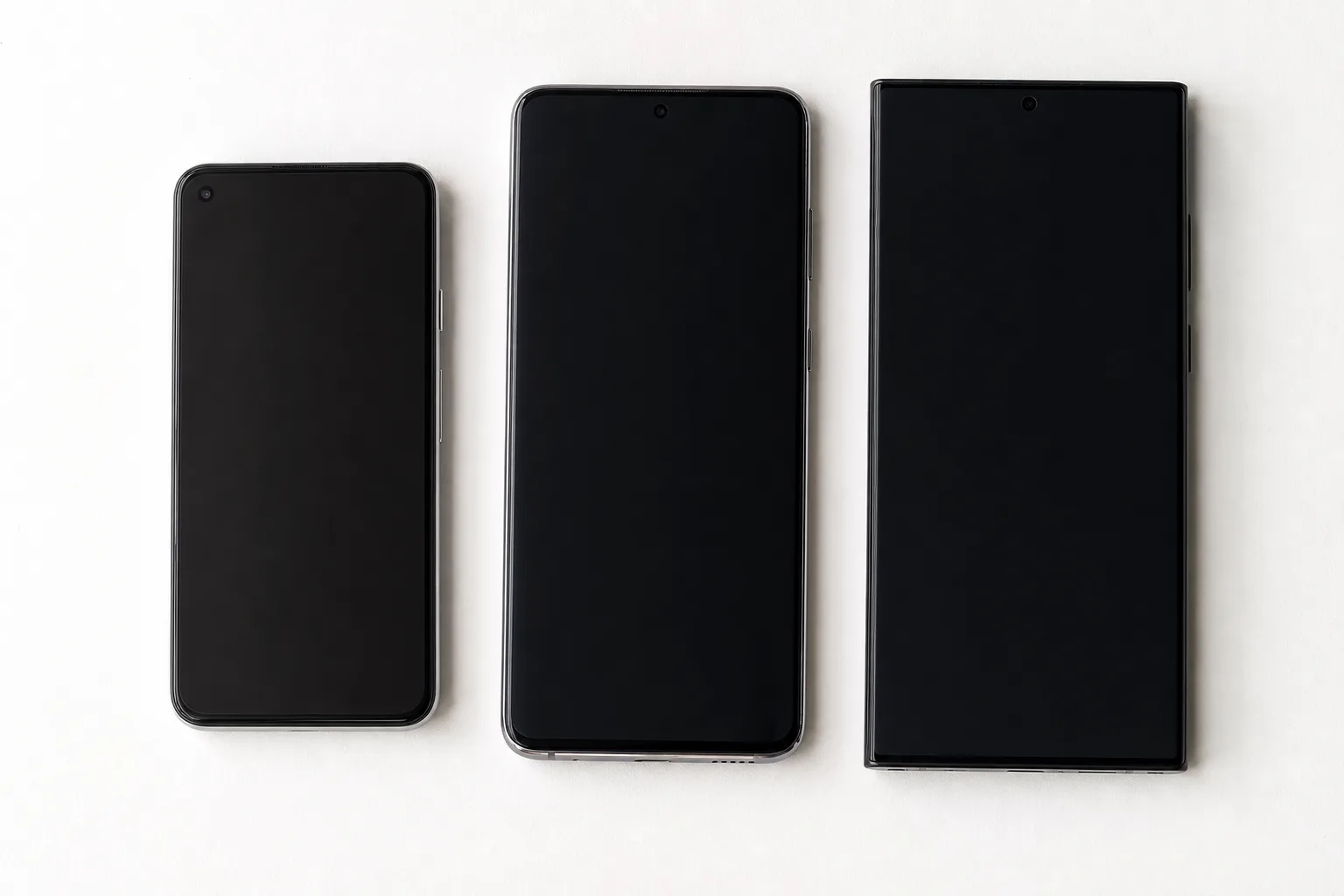
Smartphones have never lasted longer. Extended software commitments from Google and Samsung, combined with genuinely capable hardware, mean a three-year-old phone doesn’t feel nearly as dated as it once did. But ‘capable enough’ and ‘worth keeping’ aren’t the same thing — and when it comes to the android phones to upgrade in 2026, a few specific models have aged badly enough that the case for moving on is hard to ignore.
- The android phones to upgrade in 2026 include the Pixel 7 Pro and Galaxy S22 Ultra, both plagued by overheating chipsets.
- Knowing which android phones to upgrade matters more than ever as software support windows now stretch to seven years.
- The Snapdragon 8 Gen 1 inside the Galaxy S22 Ultra was a genuine dud, with poor battery life and thermal issues.
- Motorola’s 2023 Razr Plus still holds up stylistically, but newer flip phones offer bigger cover screens and better durability.
Table of Contents
Why 2026 Is a Turning Point for Android Upgrades
The economics of holding onto a phone have shifted. Manufacturers are now promising six or seven years of OS updates — Samsung’s Galaxy S26 series and Google’s Pixel 10 lineup both carry that pledge. That’s a meaningful reason to buy new hardware today. But it also means phones bought back in 2022 and 2023 are quietly ageing out of that support window, even if they still technically turn on. The android phones to upgrade most urgently tend to share two problems: troublesome chipsets that never quite recovered their reputations, and display technology that’s been lapped by current panels. Below are the six that stand out.
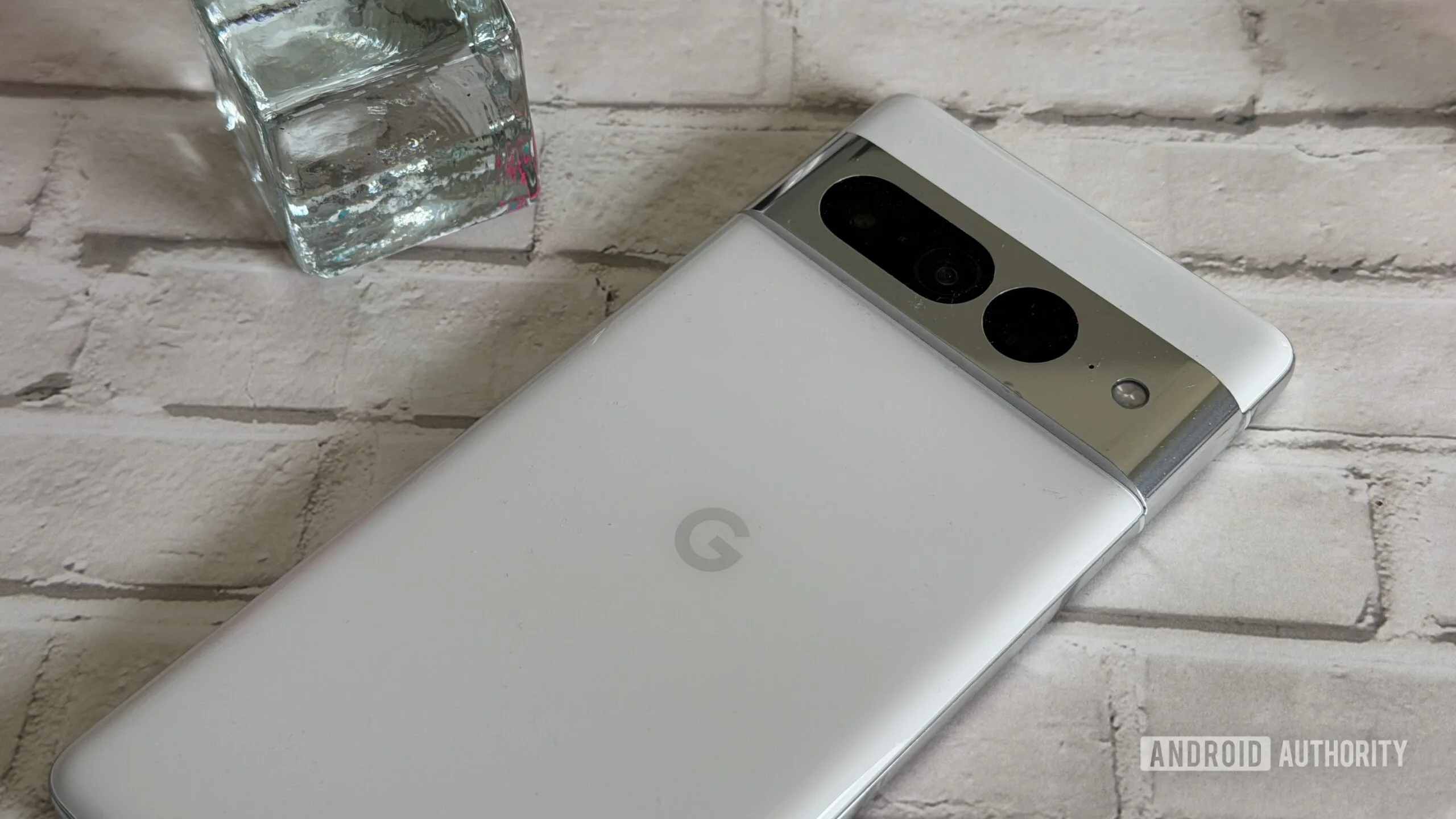
Google Pixel 7 Pro: Good Enough, But No Longer Good
The Pixel 7 Pro arrived in late 2022 feeling like a course correction. Google had spent much of the Pixel 6 era firefighting — fingerprint sensor complaints, Android 12 bugs, and a general sense that the phone wasn’t ready. The 7 Pro improved most of that. The hardware felt more refined, and the fingerprint sensor actually worked. But the Tensor G2 chipset brought its own baggage: thermal issues that hit battery life hard and gaming performance that left a lot to be desired. It’s one of the clearest android phones to upgrade if you’re sitting in the Google ecosystem.
The Pixel 10 Pro, powered by the Tensor G5, is a different animal. Google developed the Tensor G5 with significant efficiency improvements, and the thermal efficiency gains are real. Two days of mixed-use battery life is achievable, which simply wasn’t realistic on the 7 Pro. The Super Actua display is genuinely excellent in direct sunlight — a meaningful quality-of-life improvement for anyone who’s ever squinted at a 7 Pro screen outdoors at maximum brightness.
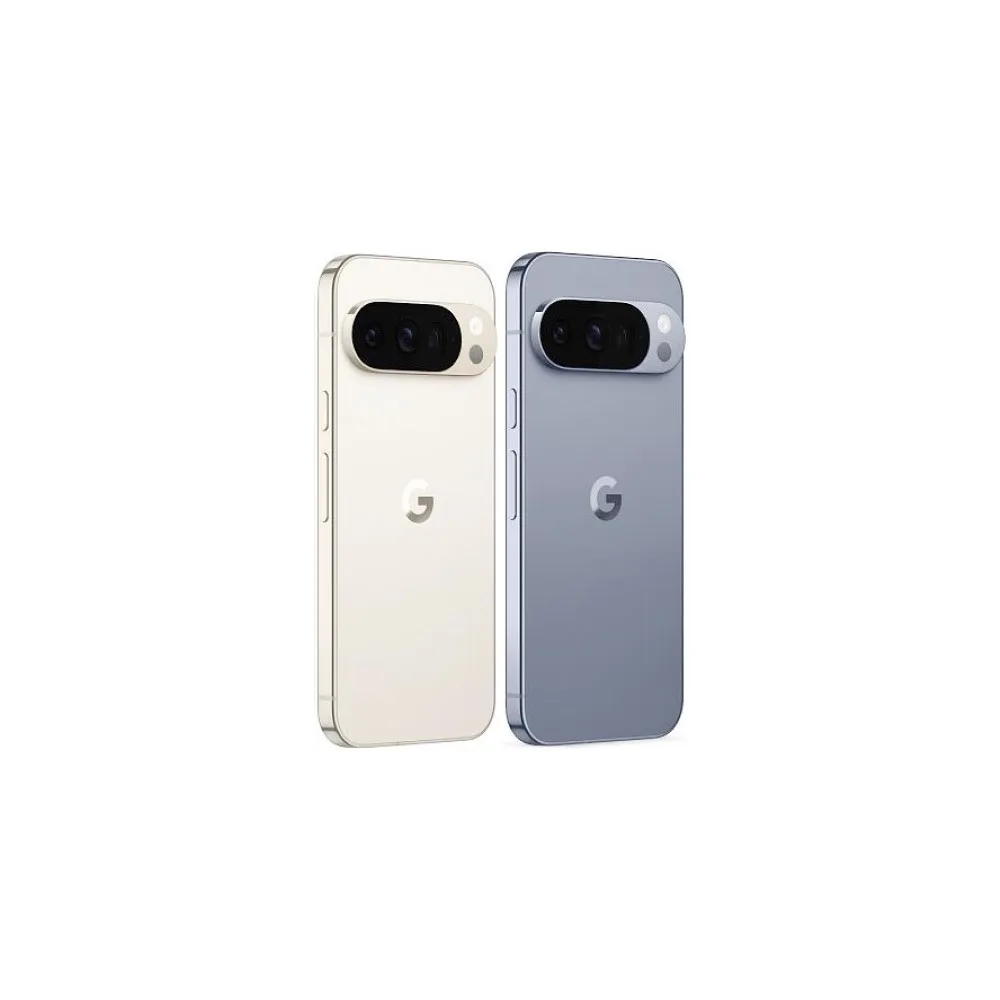
Samsung Galaxy S22 Ultra: Snapdragon’s Worst Hour
It’s easy to take shots at Tensor, but Qualcomm’s Snapdragon 8 Gen 1 — the chip inside the Galaxy S22 Ultra — was arguably the bigger disaster of 2022. It ran hot from day one. Getting five hours of screen-on time required babying the device, which isn’t what you expect from a flagship at that price point. The S-Pen integration and the 6.8-inch OLED panel are genuinely great, but those positives have been overshadowed by a chip that never stopped being a liability. The S22 Ultra remains one of the android phones to upgrade most often cited by power users frustrated by thermal throttling.
The Galaxy S26 Ultra isn’t just an iterative step up — it represents a generational leap in software longevity. Samsung’s seven-year update commitment means the S26 Ultra will receive new versions of One UI for years to come. The S22 Ultra, by contrast, is at or near the end of its support runway. For a phone that cost this much at launch, the android phones to upgrade argument is as much about value protection as it is about raw performance.
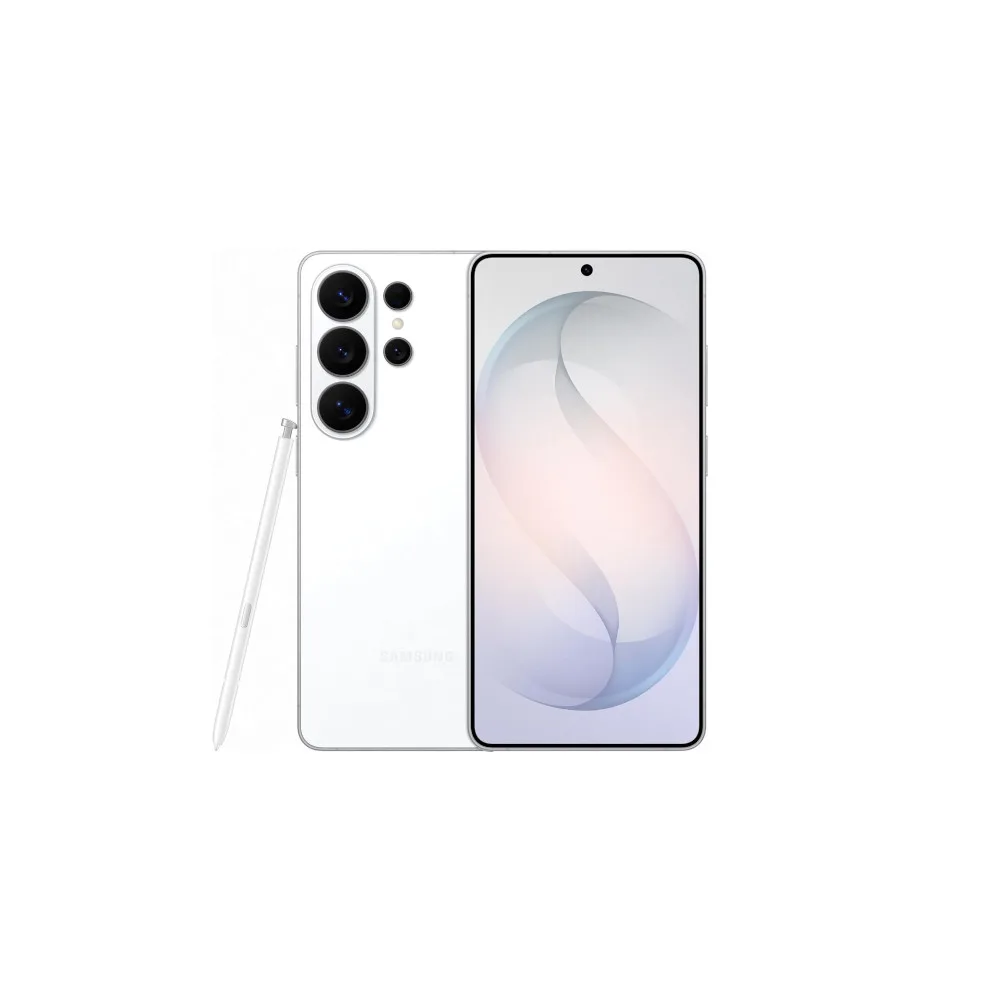
Motorola Razr Plus (2023): Style That’s Starting to Show Its Age
The 2023 Razr Plus was the phone that made flip phones feel like a real choice rather than a novelty. Motorola’s Snapdragon 8+ Gen 1 corrected the thermal chaos of the 8 Gen 1. The cover screen was bigger than anything Samsung offered on the Z Flip at the time, and the whole thing felt like proof that Motorola had genuinely figured something out.
In 2026, it’s still functional for daily tasks. But the hinge has accumulated three years of wear, and that’s where flip phones tend to show their age first — not in the chipset, but in the physical mechanism. The updated Razr Plus brings a 4-inch cover screen that meaningfully expands what you can do without opening the phone. If you’re looking at android phones to upgrade in the foldable category, the durability improvements alone justify the jump.
Google Pixel 7a: The One That Disappointed Most
The Pixel 6a had set a high bar. It offered Google’s Tensor processor and excellent cameras at a genuinely midrange price, and it felt like a smart buy for anyone who didn’t want to spend flagship money. The Pixel 7a was supposed to build on that. Instead, Tensor G2’s thermal problems hit even harder in the more compact, budget-constrained chassis. Overheating was routine. Battery life tanked. And a persistent modem bug caused the phone to fumble its 5G-to-LTE handoffs in a way that became notorious in owner communities. For budget-conscious buyers deciding which android phones to upgrade, the 7a is an easy call.
The Pixel 10a addresses this directly. The Tensor G4 chip is measurably more efficient, and the inclusion of an updated Exynos 5400 modem eliminates the connectivity shuffling that plagued the 7a. The 6.3-inch Actua display is a clear step forward. Among the android phones to upgrade on this list, the 7a-to-10a jump might deliver the most noticeable day-to-day improvement per pound spent.
Samsung Galaxy A54: A Mid-Range Milestone That’s Ready to Retire
The A54 deserves some credit for rehabilitating Samsung’s mid-range reputation after the A53 — a phone that lagged so badly on its Exynos 1280 chipset that it was embarrassing to recommend. The A54’s Exynos 1380 delivered genuine progress: smoother performance, longer battery life, and a 6.4-inch Super AMOLED panel that looked premium well above its price bracket. One UI ran without complaint, and the design matched Samsung’s pricier offerings closely enough that it felt aspirational.
But mid-range hardware ages fast. The Galaxy A57 brings Gorilla Glass Victus+ on both sides and an aluminium frame — the kind of structural upgrade that has a real impact on longevity for a phone that lives in pockets and bags. The A54 ranks firmly among the android phones to upgrade if you prioritise long-term durability over short-term familiarity. If you’re still on the A54, you’re running on borrowed time with both the software support calendar and the hardware durability front.
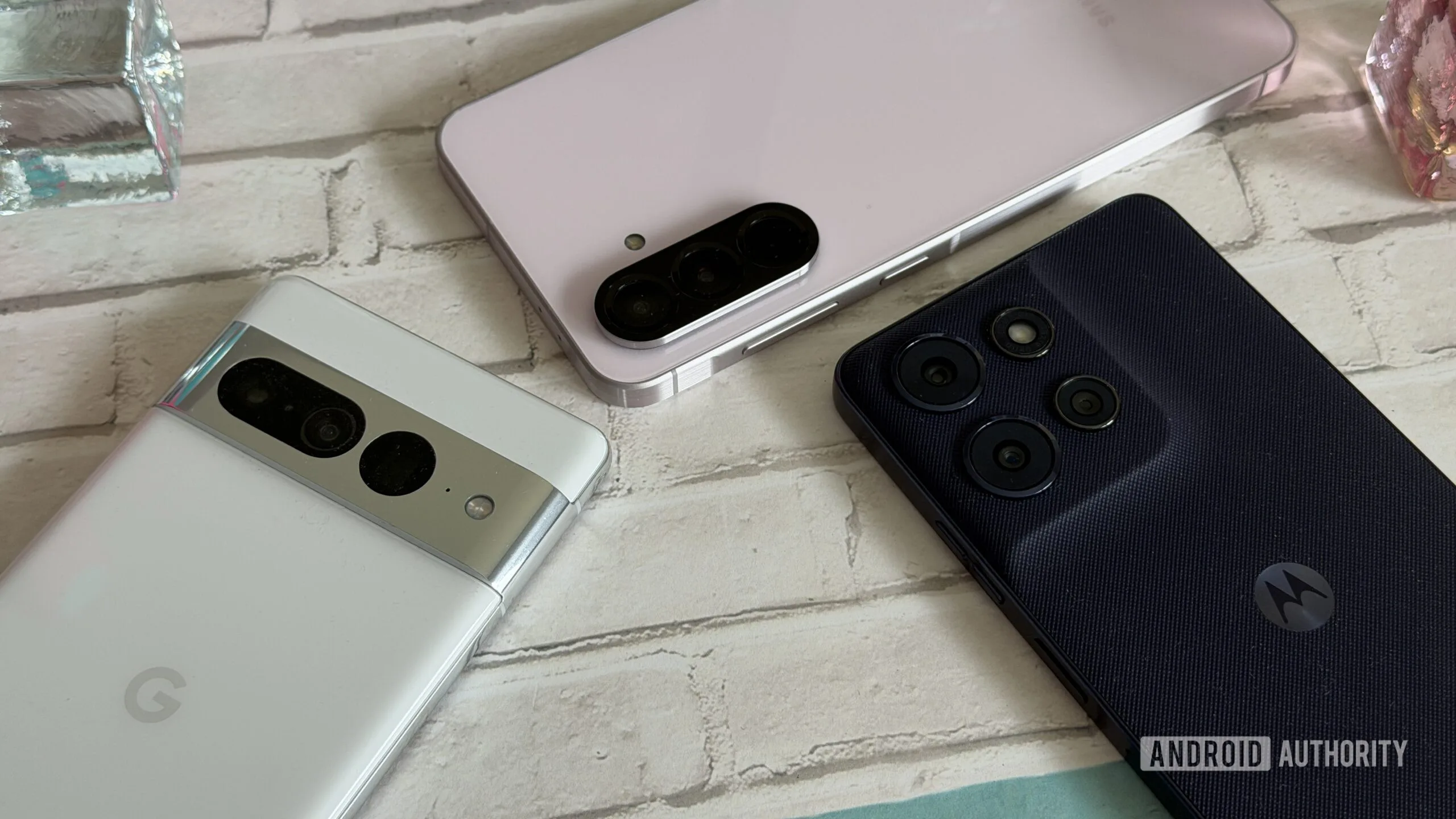
The Bigger Picture: Software Support Is Redefining ‘Time to Upgrade’
A few years ago, deciding when to upgrade was simple: performance degradation made the choice for you. Now, with Apple, Google, and Samsung all extending software support windows significantly, the trigger is more likely to be the expiry of security patches than a slow processor. That’s broadly good news for consumers and the environment. But it makes identifying the genuine android phones to upgrade in any given year harder — the bad ones don’t announce themselves the way they used to.
What ties most of the phones on this list together isn’t age alone — it’s that they were let down by specific, identifiable hardware decisions made at a particular moment in chipset history. The Snapdragon 8 Gen 1 and Tensor G2 were both products of an industry pushing too hard on performance before efficiency caught up. The phones built around them were otherwise decent, but they carry those scars permanently. Their successors don’t, and that gap will only widen as software requirements grow heavier. If any of these models are in your pocket right now, 2026 is a reasonable moment to close that chapter.
Frequently Asked Questions
Which android phones to upgrade from in 2026 have the most urgent case for replacement?
The Google Pixel 7a and Samsung Galaxy S22 Ultra have the strongest case for replacement. Both run on problem chipsets — Tensor G2 and Snapdragon 8 Gen 1 respectively — that caused persistent overheating and poor battery life, issues their successors have largely resolved.
How many years of software support does the Samsung Galaxy S26 Ultra get?
Samsung has committed to seven years of Android upgrades and patches for the Galaxy S26 Ultra, making it a strong long-term software support option.
Is the Pixel 10a a worthy upgrade from the Pixel 7a?
Yes. The Pixel 10a swaps the troubled Tensor G2 for the more efficient Tensor G4, includes an updated Exynos 5400 modem that fixes the 5G switching problems reported on the 7a, and features a noticeably better 6.3-inch Actua display.
Does the Motorola Razr Plus 2023 still perform well in 2026?
It still handles basic tasks without major issues, thanks to the capable Snapdragon 8+ Gen 1. That said, battery life is a limitation, and newer Razr models offer a larger cover screen and more durable hinges.