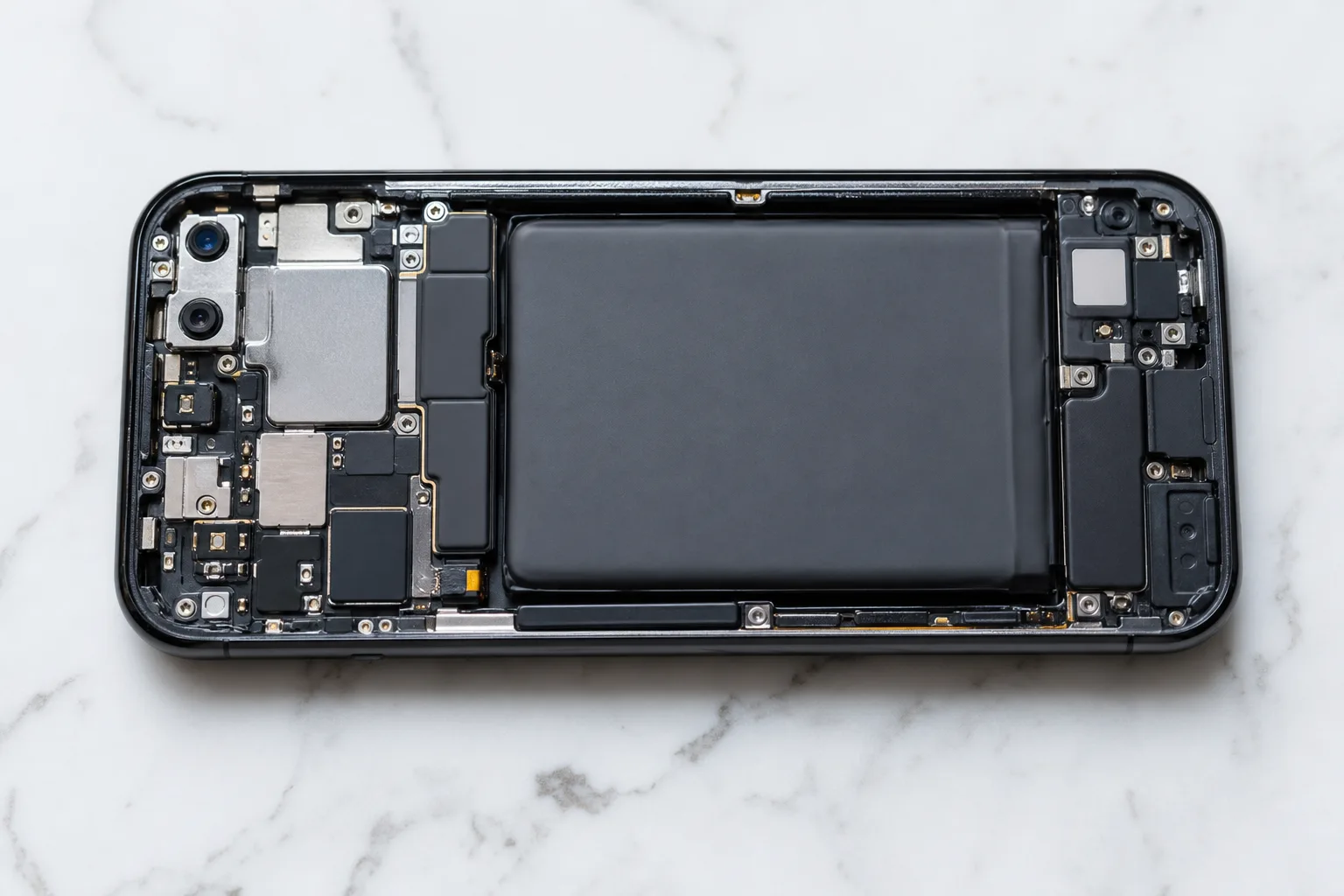
Apple’s thinnest iPhone has always lived at the intersection of ambition and compromise, and the next generation is shaping up to be no different. Fresh supply chain chatter points to a meaningfully larger iPhone Air 2 battery when the device arrives in spring 2027 — and if the surrounding pieces fall into place, it could finally make the Air feel like a complete product rather than a beautiful trade-off.
- The iPhone Air 2 battery is rumoured to reach 3,500mAh, an 11% increase over the current 3,149mAh cell.
- Apple’s iPhone Air 2 battery upgrade is expected alongside a second rear camera and a thinner Samsung CoE OLED panel.
- A new A20 chip built on a 2nm process should deliver efficiency gains that amplify any raw capacity increase.
- The iPhone Air 2 is targeting a first-half 2027 launch alongside the iPhone 18 and a new lower-cost iPhone 18e.
Table of Contents
The Numbers: What a 3,500mAh Cell Actually Means
Chinese leaker Digital Chat Station, posting on Weibo, put out a supply chain prediction pegging the iPhone Air 2 battery at 3,500mAh. The current iPhone Air ships with a 3,149mAh cell, so that’s an increase of roughly 350mAh — about 11% more raw capacity on paper. The Air 2 is still firmly in the mid-range tier when it comes to pure cell size compared to Apple’s larger Pro Max models. But that headline figure doesn’t tell the whole story.
Raw milliampere-hours are only one variable in the battery-life equation. How efficiently the chip and display consume power matters just as much, sometimes more. Apple clearly knows this, which is why the iPhone Air 2 battery bump doesn’t exist in isolation — it’s part of a wider set of engineering changes that could compound into a noticeably better all-day experience.
How Apple Might Actually Fit a Bigger iPhone Air 2 Battery in the Same Shell
The original iPhone Air was an engineering feat that required extraordinary packaging discipline. Apple consolidated multiple components — including the SIM tray hardware and various antennas — onto an elevated plateau inside the chassis to preserve as much internal volume as possible for the battery. Adding 350mAh without making the phone thicker or wider means Apple needs to find that space somewhere else.
Two changes could help. First, Apple is said to be adopting Samsung’s CoE (Color Filter on Encapsulation) OLED technology for the Air 2’s display. CoE integrates the colour filter layer directly onto the encapsulation layer of the OLED panel rather than using a separate film, which shaves a meaningful slice off the display stack’s overall thickness. A thinner screen module doesn’t just make a phone slimmer — it can directly translate into a slightly taller or thicker iPhone Air 2 battery cell within the same device dimensions. Samsung’s display division has been pushing CoE as a key differentiator for next-generation mobile panels, and Apple adopting it for a flagship product would be a significant endorsement.
Second, there’s room to improve internal packaging on its own merits. The first-generation Air was Apple’s opening attempt at this particular form factor — a spring iPhone with an ultra-thin brief. Second-generation products typically benefit from engineers who’ve spent a year looking at the first version and thinking about everything they’d do differently. Tighter component routing, smaller connectors, and refined board layouts can collectively recover surprising amounts of internal volume, giving the iPhone Air 2 battery more room to grow without any sacrifice to the chassis dimensions buyers already love.
The A20 Chip: Efficiency as a Force Multiplier
Perhaps the biggest battery-life story isn’t the iPhone Air 2 battery capacity figure at all — it’s what sits underneath it. The Air 2 is expected to run Apple’s A20 chip, built on TSMC’s 2nm process node. Moving from 3nm (used in the A18 family) to 2nm typically delivers meaningful gains in both peak performance and power efficiency. In Apple’s case, that usually means the chip can handle the same workloads while drawing noticeably less current, which directly extends runtime regardless of what the battery capacity number says.
Apple has consistently used process node transitions to prioritise efficiency gains in its mainstream and thin-and-light products. The A16 Bionic in the standard iPhone 14 was a prime example — Apple moved it to a more efficient node the following year to give the iPhone 15 better battery life without a dramatic capacity change. The same philosophy could make the A20 one of the Air 2’s most consequential upgrades, even if it’s the least visible one in marketing materials.
A Second Camera Changes Everything — Including the Battery Challenge
Battery life wasn’t the only criticism levelled at the original iPhone Air. The bigger complaint, and the one that dominated early reviews, was the camera system. A single rear Wide lens put the Air at a disadvantage compared to not just the Pro models but the standard iPhone 17 — a phone that costs less. For a device positioned as a premium, desirable product, that gap was hard to justify.
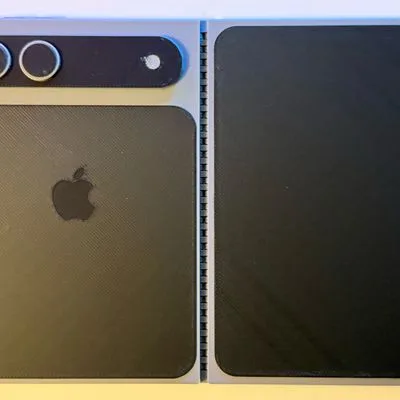
Apple appears to have heard the feedback. Multiple leaks now point to the Air 2 gaining an Ultra Wide lens to sit alongside the primary Wide camera. It’s the minimum viable camera upgrade — two lenses rather than three — but it would close the most glaring gap. Being able to shoot at a wider focal length matters enormously for travel photography, architecture, and interiors: exactly the scenarios where someone carrying a thin, elegant phone is most likely to want to use it.
The catch is that adding a second camera module, with its associated optics, sensor, and supporting circuitry, takes up physical space inside a chassis that was already packed to its limits. The plateau design that Apple uses to house various components in the Air would likely need a significant rethink to accommodate an additional lens assembly. Whether that redesign helps or hinders the iPhone Air 2 battery packaging remains one of the key unknowns at this stage of the rumour cycle. Engineers working on the iPhone Air 2 battery layout will need to balance the added camera hardware against the goal of squeezing in a larger cell.
Where the Air 2 Fits in Apple’s 2027 Lineup
The iPhone Air 2 is expected to land in the first half of 2027, forming a spring release alongside what’s reported to be the standard iPhone 18 and a refreshed budget option, the iPhone 18e. That’s a meaningful shift in Apple’s release cadence — the company is effectively running two iPhone launch windows per year rather than one, using the spring slot to keep the Air line visible and desirable between the main autumn launches.
It’s a smart structural play. The Air targets a specific buyer: someone who prioritises thinness and aesthetics over maximum spec sheet performance, and who’s willing to pay a premium for that. By refreshing it annually on its own schedule, Apple keeps the conversation going around a device type that could otherwise get lost in the shadow of the Pro Max. The second-generation model has a clearer brief than most — address the camera, extend the battery, keep the chassis — and the early supply chain signals suggest Apple is on track to do exactly that.
Whether 11% more battery capacity and a second lens are enough to make the Air 2 a genuinely easy recommendation rather than a considered trade-off will depend on execution. But the direction of travel is exactly right, and if the A20’s efficiency gains stack on top of a physically larger cell, the 2027 version of Apple’s thinnest phone could be the one that stops feeling like a compromise.
Frequently Asked Questions
How much bigger is the iPhone Air 2 battery compared to the current model?
According to leaker Digital Chat Station, the iPhone Air 2 battery is expected to be 3,500mAh, up from 3,149mAh in the current iPhone Air. That’s roughly an 11% increase in raw capacity, though real-world battery life gains will also depend on chip efficiency and software.
Will the iPhone Air 2 still be a thin phone despite the larger battery?
Apple is expected to keep the same slim chassis. A thinner Samsung CoE OLED display and improved internal packaging could free up just enough room for the larger cell, though fitting in a second camera at the same time makes the engineering challenge considerable.
What new camera is coming to the iPhone Air 2?
Multiple supply chain reports suggest Apple will add an Ultra Wide lens to complement the existing Wide camera. The current iPhone Air ships with a single rear Wide lens, which puts it behind even the more affordable iPhone 17 for photography versatility.
When is the iPhone Air 2 expected to launch?
The iPhone Air 2 is expected in the first half of 2027, reportedly alongside the standard iPhone 18 and the budget-oriented iPhone 18e.