

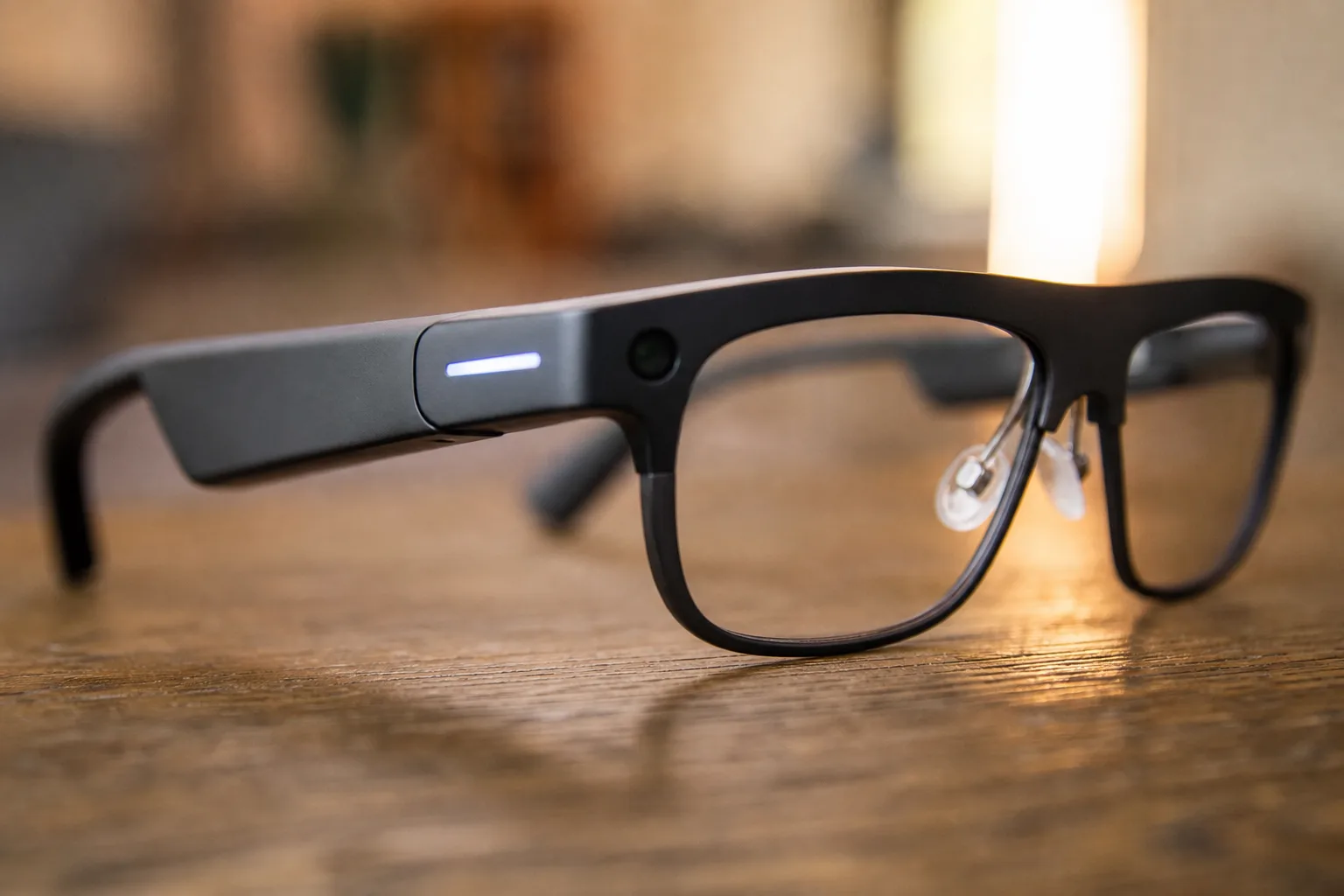
Meta smart glasses were already controversial. Concerns about covert recording had already sparked backlash, particularly around the potential for the Ray-Ban Meta glasses to be used to silently film strangers in public. Then came the modders. And now, Meta is fighting back.
- Meta smart glasses will now disable their camera if the recording LED is physically tampered with or destroyed.
- Meta smart glasses have included an automatic LED-block detection feature since the second generation of the product.
- Meta is removing ads and Marketplace listings for LED tampering services and threatening legal action against sellers.
- The mandatory software update is already rolling out to existing Meta smart glasses owners.
Table of Contents
Meta Smart Glasses’ New Anti-Tampering Rule
Meta has published an FAQ addressing the growing privacy firestorm around its wearable cameras, and the headline measure is this: if you tamper with the recording LED on the glasses, the camera stops working. Full stop. The company confirmed to Engadget that a mandatory software update enforcing this is already rolling out to devices globally.
The LED in question is what Meta calls the “capture LED” — a white indicator light that blinks when the user takes a photo and stays blinking throughout a video recording. Meta is emphatic that this light has no off switch by design. It exists purely to let people nearby know they’re being filmed. That’s the social contract the product is built around. Break the LED, break the camera.
Why This Became a Problem in the First Place
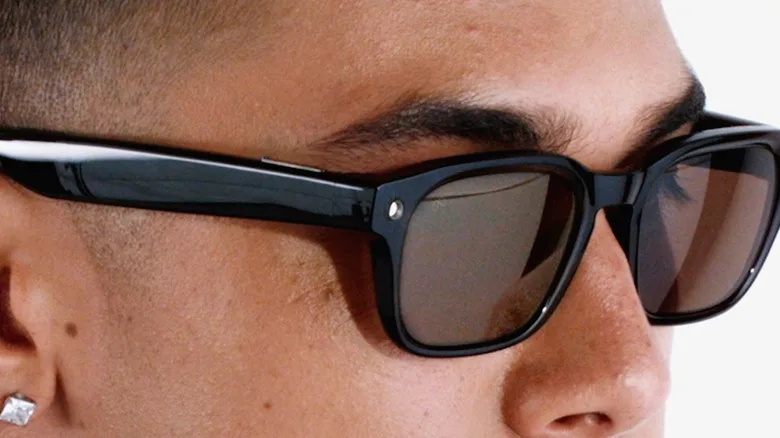
The issue didn’t emerge overnight. Since the second generation of Meta smart glasses, the devices have technically been able to detect when the capture LED is blocked — by tape, for instance — and disable the camera automatically. Meta quietly baked that safeguard in. What the company apparently didn’t anticipate was just how far some users would go.
According to Meta’s own statement, it has observed people going “beyond using tape to sophisticated efforts to modify or destroy the capture LED.” Some individuals turned this into an actual business: advertising services to physically remove or disable the indicator light so that wearers could record without any visible signal. These listings appeared on Meta’s own Marketplace, in ads, and in posts across the platform.
That last detail is particularly uncomfortable for Meta. The company was, at least indirectly, hosting a marketplace for tools that could be used to covertly surveil people — on its own platform. The privacy implications go well beyond annoyance. Concerns have been raised specifically about Meta smart glasses being used to record women without their knowledge or consent, which is where much of the public anger has been sharpest and most justified.
What the Update Actually Does
The previous safeguard covered passive blocking — put tape over the LED, and the camera switches off. The new update goes further. It now covers active physical tampering: if the system detects that the capture LED has been modified, damaged, or destroyed — not just covered — the camera is disabled. Meta smart glasses won’t be able to take photos or video until Meta’s system confirms the LED is intact and functioning again.
It’s a meaningful technical escalation. Tape can be removed. A destroyed LED cannot be easily restored. For the casual modder who wanted a low-effort workaround, the old detection was probably sufficient. But for anyone who had gone further — soldering out the component, grinding it down, replacing it with a dummy — the new update closes that gap, at least in theory.
Meta is also going after the commercial side of the problem directly. The company says it has been removing ads, posts, and Marketplace listings that advertise LED tampering services. It’s now promising to ban accounts that promote those services and, critically, to pursue legal action — even against businesses operating entirely off Meta’s own platforms. That’s an unusually aggressive posture, and it signals that Meta is taking the reputational risk here seriously.
The Broader Privacy Reckoning for Wearable Cameras
None of this exists in a vacuum. Regulators and consumer advocates have been increasingly focused on the intersection of always-on cameras and public privacy, and Meta smart glasses sit right at the centre of that tension. Unlike a smartphone camera — which requires a visible, deliberate gesture to use — glasses-mounted cameras are inherently discreet even when operating legitimately. The form factor itself raises questions that a blinking LED can only partially answer.
Meta isn’t alone in facing this. Google’s early Glass experiment collapsed partly under the weight of public discomfort about covert recording, and the backlash was so severe it became cultural shorthand — “Glassholes” — for a certain kind of oblivious tech overreach. Meta smart glasses have been far more commercially successful than Glass precisely because they avoided looking like spy hardware. But the LED tampering episode shows how fragile that public trust is, and how quickly the perception can shift.
There’s also a practical question that Meta’s FAQ doesn’t fully resolve: what happens in the gap between when someone tampers with an LED and when the device detects it? The update addresses persistent tampering, but detection timing matters. If there’s any window — however small — between physical modification and camera shutdown, that’s still a potential exploit. Meta hasn’t published granular technical details about detection latency, and that’s a conversation worth having.
For now, the mandatory update is a concrete step in the right direction. Banning accounts, threatening legal action, and hardening the hardware detection all send a message that Meta wants to be seen as taking this seriously. Whether it’s enough to rebuild trust with critics — particularly women who have raised specific, pointed concerns about being surveilled — is a different question. Technical fixes are necessary. They’re not, on their own, sufficient.
The larger challenge for Meta is that it’s trying to mainstream a product category that society hasn’t fully decided it’s comfortable with yet. Meta smart glasses that look like normal eyewear, record in HD, and stream to the cloud represent a genuine shift in how surveillance could work in public spaces — not through government cameras or corporate CCTV, but through millions of individual wearers. How the company handles the LED tampering fallout will likely shape the regulatory and public conversation around wearable cameras for years to come.

