
SpaceXAI — the company formerly known as xAI, freshly rebranded as of Monday — is reportedly preparing to release the Grok 4.5 model as early as this week. And if the internal benchmarks hold up, this one could genuinely shake up the frontier AI leaderboard.
- The Grok 4.5 model is reportedly the first SpaceXAI model built jointly with Cursor, the coding assistant firm being acquired for $60 billion, though an earlier version of Grok had already incorporated some Cursor data.
- Elon Musk confirmed the Grok 4.5 model entered private beta at SpaceX and Tesla, with evals showing performance close to Claude Opus.
- SpaceXAI — formerly xAI — is positioning the release as a direct challenger to Anthropic’s Claude Opus 4.8 and OpenAI’s GPT-5.5.
- Cursor founder Michael Truell announced last month that Cursor was working on a frontier-level model without explicitly tying it to the SpaceXAI collaboration.
Table of Contents
What the Grok 4.5 Model Actually Is
The Grok 4.5 model isn’t just an incremental version bump. According to The Information, it’s the first SpaceXAI model built collaboratively with Cursor — the AI-powered coding assistant that SpaceX is currently acquiring in a deal reportedly valued at $60 billion. That’s not a small footnote. It signals that the integration between SpaceXAI’s frontier research and Cursor’s specialized coding intelligence is already bearing fruit, months before the acquisition is even finalized.
Elon Musk confirmed the existence of the model in a post on X on June 28, writing: ‘Grok 4.5, based on our 1.5T V9 foundation model, with Cursor data added in supplemental training, is now in private beta at SpaceX & Tesla.’ He added that early evaluations show performance ‘close to, perhaps exceeding Opus’ — a reference to Anthropic’s Claude Opus tier, which sits just below the company’s most powerful model, Fable.
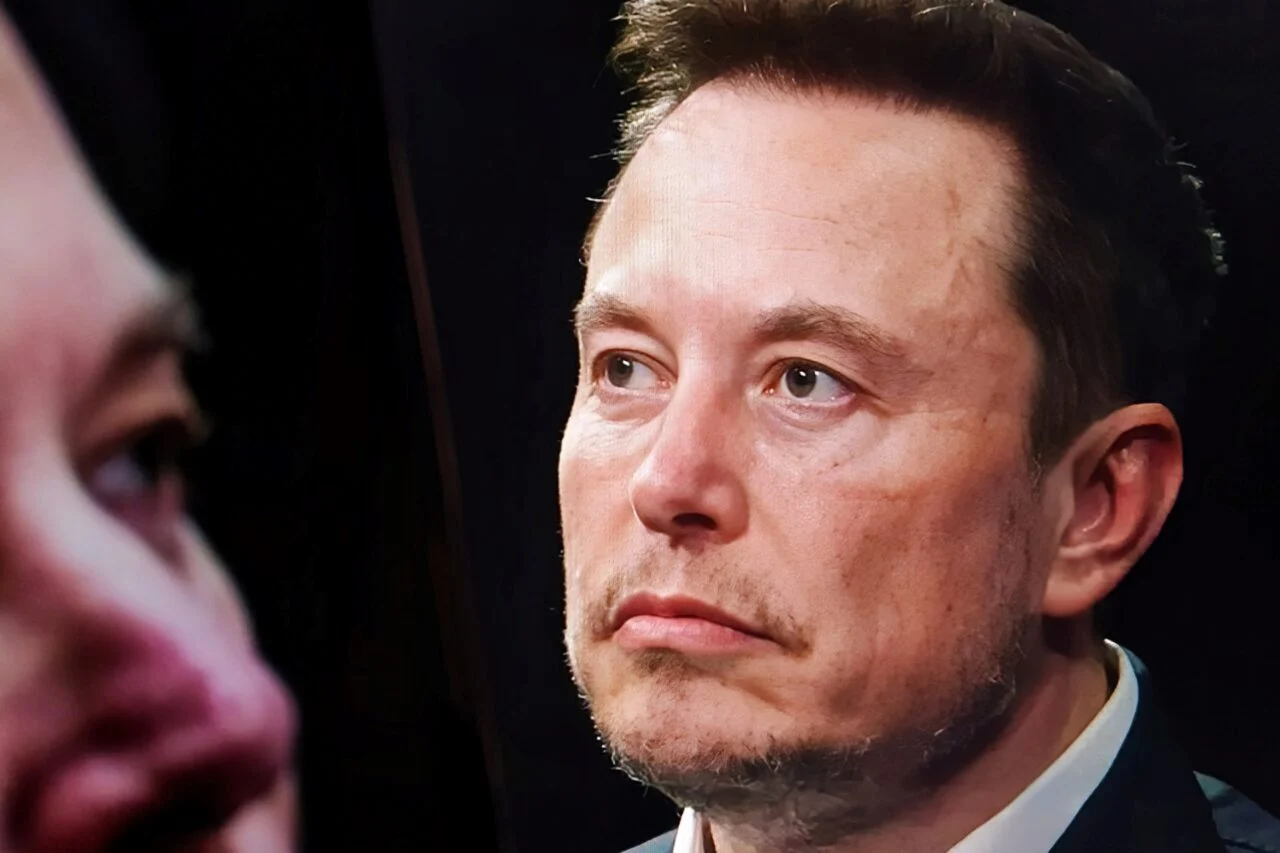
The Information’s reporting goes a step further, saying SpaceXAI is internally benchmarking the Grok 4.5 model against Claude Opus 4.8 specifically, as well as OpenAI’s GPT-5.5 — currently the most recent publicly released GPT model, though GPT-5.6 is reportedly close behind it. That puts the competitive framing in sharp relief. SpaceXAI isn’t trying to be a second-tier player here. They’re aiming directly at the top of the stack.
The Cursor Connection and What It Means
It’s worth understanding why Cursor’s involvement matters so much to the Grok 4.5 model’s positioning. Cursor has built one of the most widely adopted AI coding environments in the market, known for deeply contextual code understanding and a developer experience that’s drawn comparisons to having a senior engineer available on demand. When Musk’s team talks about supplemental training data from Cursor, they’re likely referring to the kind of high-quality, structured reasoning data that coding tasks generate — the sort that tends to improve performance on logical inference benchmarks far beyond what general web text can achieve.
A version of Grok released in May had already incorporated some Cursor data, according to Musk. But the Grok 4.5 model appears to be the first where the collaboration was baked in from the start, rather than appended afterward. That’s a meaningful architectural distinction. Training on specialized data from day one tends to produce models with more coherent capabilities in those domains, rather than the uneven results you sometimes get from late-stage fine-tuning.
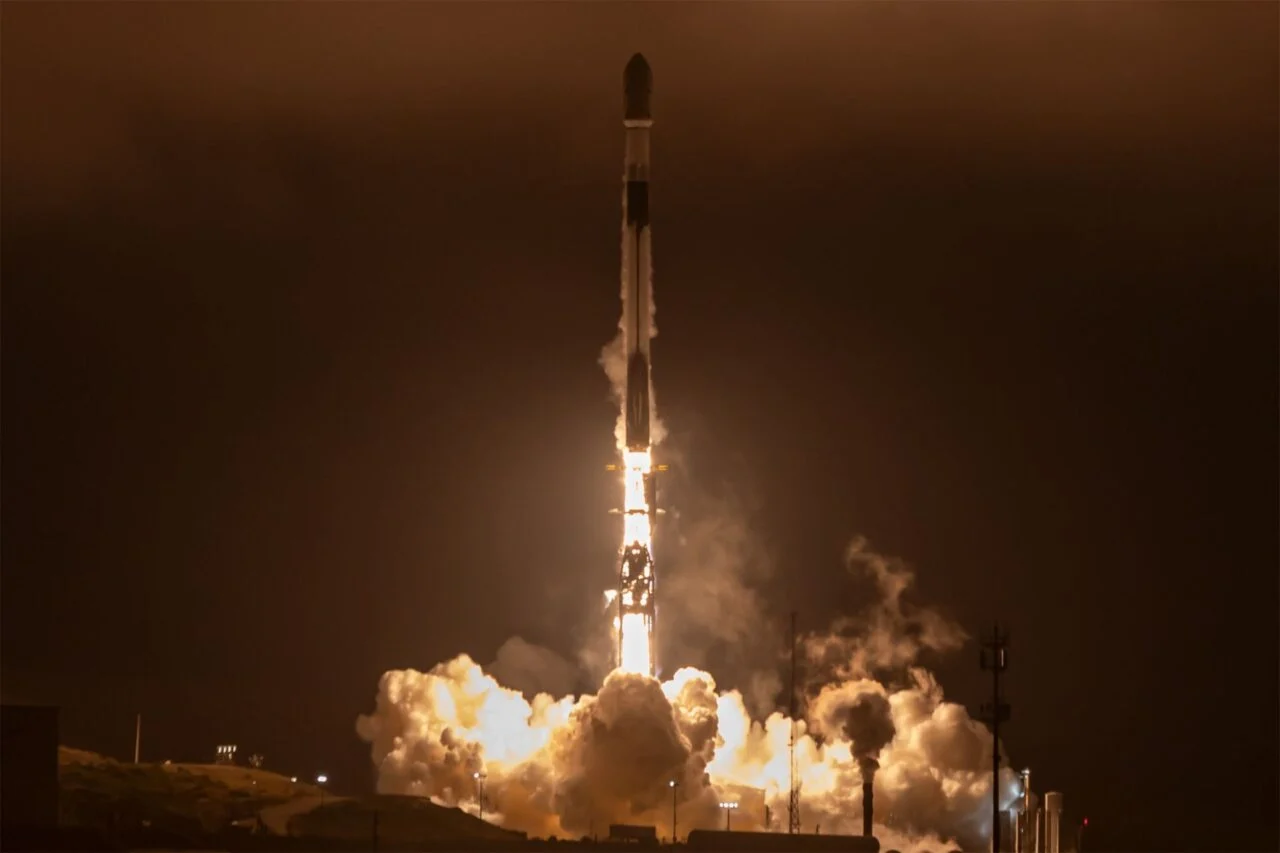
Cursor founder Michael Truell added to the intrigue last month when he announced that Cursor was working on a model designed to compete directly with frontier offerings from Anthropic and OpenAI. He described it as the next phase of the company — conspicuously without naming SpaceXAI as a partner. At the time, that restraint seemed like standard startup caution. In retrospect, it reads more like careful coordination ahead of a joint announcement.
Grok 4.5 Model vs. Claude Opus and GPT-5.5
The competitive landscape the Grok 4.5 model is entering is genuinely crowded and moving fast. Anthropic has been steadily iterating on the Claude 4 family, with Opus 4.8 representing its current high-water mark for reasoning and long-context tasks. OpenAI’s GPT-5.5, meanwhile, has been positioned as a capable all-rounder, even as GPT-5.6 reportedly waits in the wings. The fact that SpaceXAI is benchmarking internally against both of these suggests the company has strong conviction about where Grok 4.5 lands — though, of course, internal evals and public benchmarks don’t always tell the same story.
Musk’s framing — ‘perhaps exceeding Opus’ — is also carefully hedged. That word ‘perhaps’ is doing a lot of work. AI benchmark claims from companies about their own models carry an inherent credibility discount, and the frontier AI space has seen more than a few models announced as Claude-beaters that turned out to be Claude-adjacent at best. The Grok 4.5 model will need to hold up on third-party evaluations before the competitive claims land with full weight.
That said, Musk also noted that reinforcement learning is ‘continuing to significantly improve the model’ — an indication that the version being beta-tested at SpaceX and Tesla may not be the final form that ships publicly. RL-based post-training has become one of the most reliable levers for boosting reasoning performance, and models like DeepSeek R1 and OpenAI’s o-series have demonstrated just how much headroom there is after pretraining ends.
The SpaceXAI Rebrand Adds Context
Timing matters here. SpaceXAI’s rebrand from xAI was announced on Monday — just days before this model release. That sequence doesn’t feel accidental. A new name, a new frontier model, a $60 billion acquisition in progress, and a direct challenge to the two dominant players in the enterprise AI space: this is SpaceXAI trying to establish itself as a serious third pole in the AI industry, not just Elon Musk’s side project.
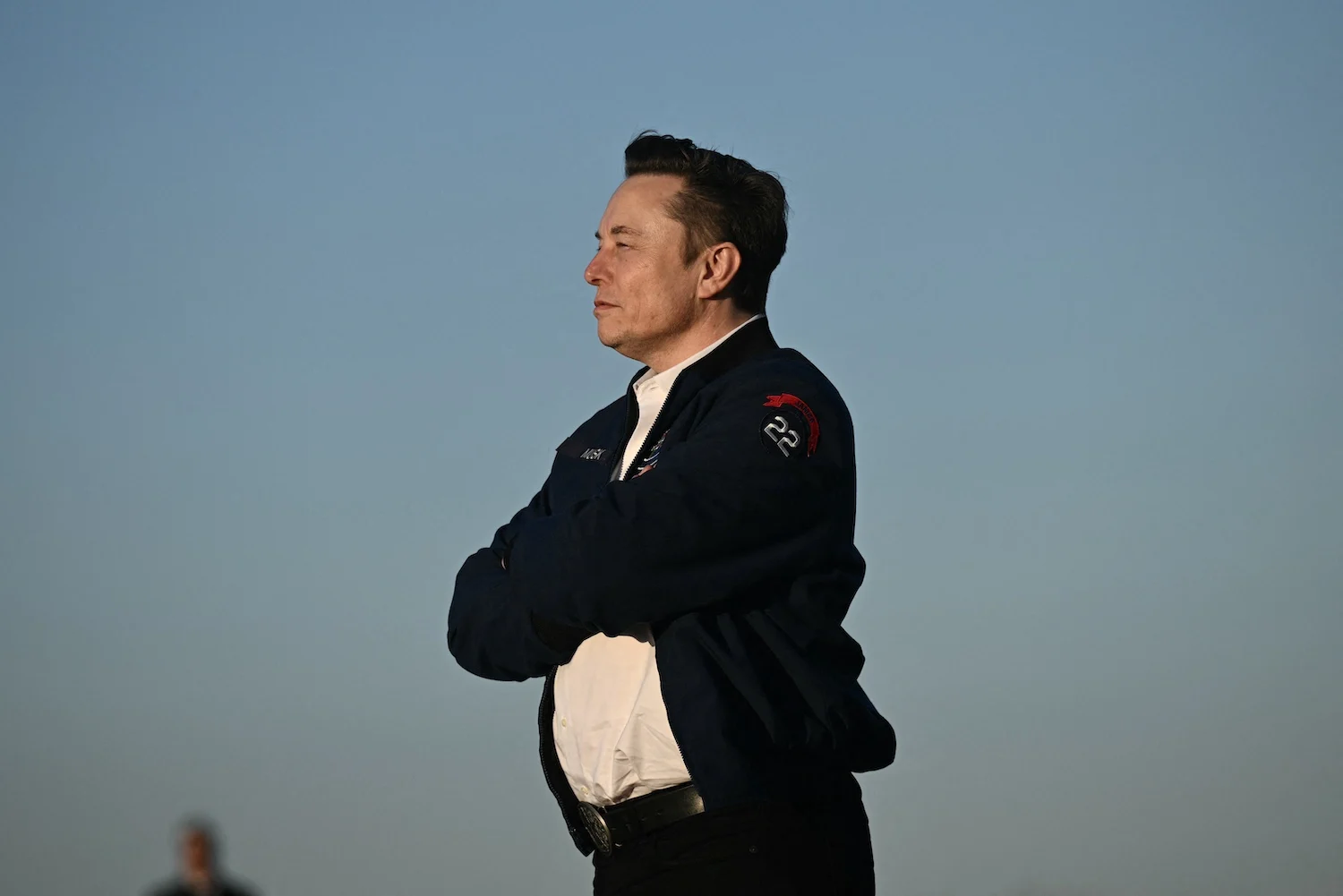
The rebrand also raises questions about brand strategy. ‘xAI’ was always a somewhat opaque name — easy to confuse with other ‘X’ branded Musk ventures. ‘SpaceXAI’ is less ambiguous, though it tightens the association with SpaceX the rocket company, which remains a separate entity. Whether that bundling is intentional — leaning into Musk’s aerospace credibility — or simply a branding shortcut is unclear. Either way, it gives the company a more distinctive identity heading into what looks like a significant product moment.
What Comes Next
If the Grok 4.5 model releases this week as reported, the immediate test will be how it performs on independent benchmarks — MMLU, GPQA, coding evaluations like HumanEval, and the increasingly influential LiveBench, which is designed to resist contamination from training data. Anthropic and OpenAI have both been subjected to that scrutiny, and neither has emerged unscathed every time.
The longer-term question is what the full Cursor integration looks like once the $60 billion acquisition closes. If SpaceXAI can build a coding-specialized frontier model that also performs well on general reasoning tasks, it could carve out a genuinely distinctive position in the enterprise market — particularly for developer-facing deployments where Cursor already has strong brand recognition. That’s a narrower target than ‘beat GPT-5,’ but it might be a smarter one.