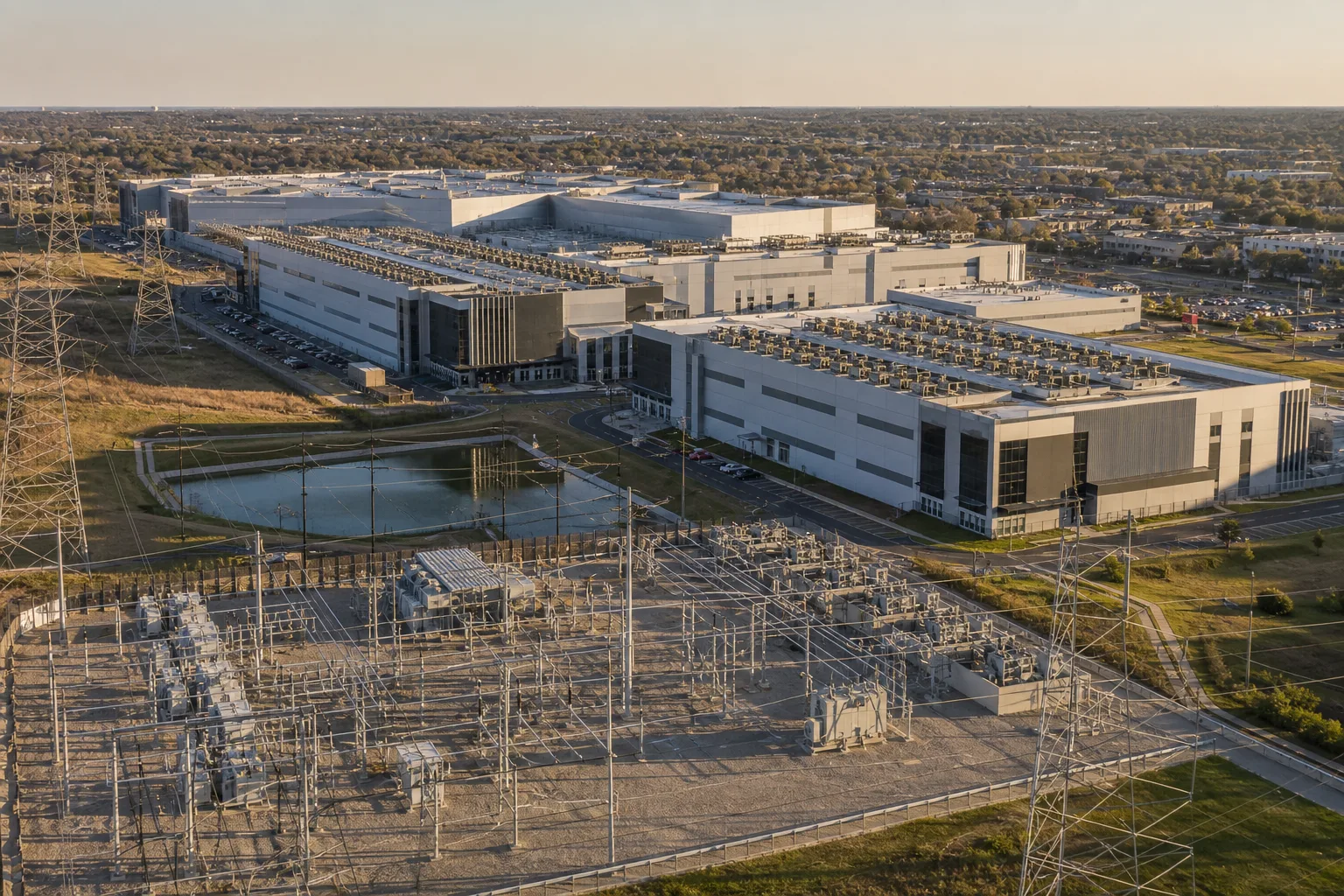
- Data center electricity demand is a major driver behind $23 billion in PJM customer price increases expected through at least 2028.
- Data center electricity users can potentially reduce charges by cutting usage during system peaks, shifting grid costs onto ordinary customers.
- State utility commissions decide how new substations, transmission lines and generation are charged across homes, businesses and industrial users.
- Tech companies’ promises to cover infrastructure costs mean little unless regulators impose enforceable long-term rate structures.
Table of Contents
The $23 billion bill is already taking shape
The argument over data center electricity has moved beyond abstract warnings about AI’s appetite for power. In the PJM Interconnection region, which encompasses all or part of 14 mid-Atlantic and Midwest states, the market monitor has linked expected demand from large data centers to roughly $23 billion in higher customer costs that could run through at least 2028.
That figure deserves attention because PJM is not some small, isolated utility territory. It is the country’s largest power market, spanning a dense corridor of homes, factories, offices and server farms from the Mid-Atlantic into the Midwest. When prices move there, the effects are felt by people who may never use an AI chatbot, train a model, or know where the nearest hyperscale campus sits.
My read is that the most frustrating part of this story is not that grid expansion costs money. Of course it does. The problem is that the current system can turn a highly specific commercial demand surge into a broadly shared household expense. Data center operators want dependable, always-on power at an industrial scale; the wires, transformers and new generation required to provide it do not appear out of thin air.
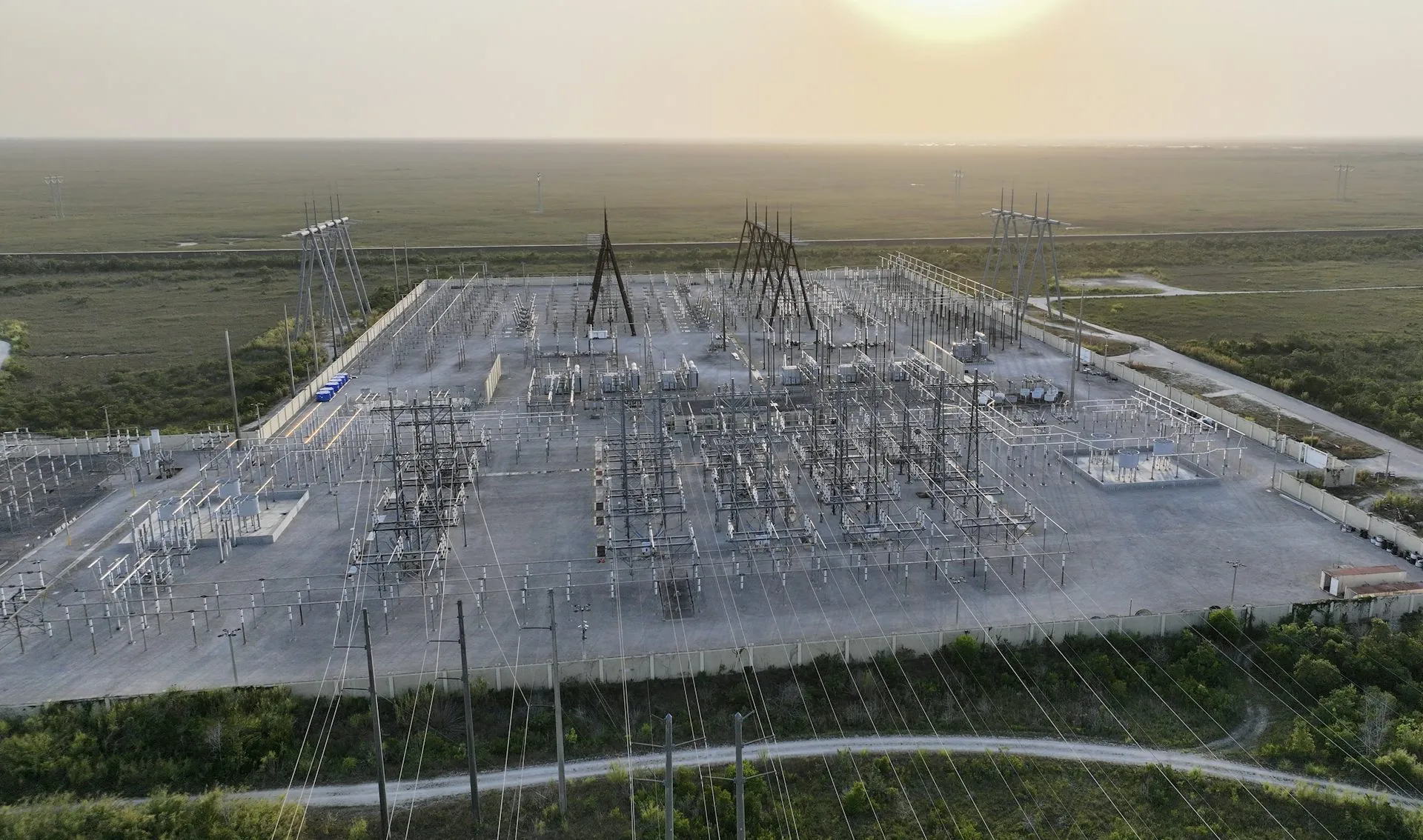
PJM’s official market materials make clear how rapidly reliability and capacity questions are becoming central to the region’s planning. Add the AI buildout, cloud computing and a long queue of proposed facilities, and utilities face the equivalent of a new factory town arriving overnight — except each factory may draw as much power as a small city.
How data center electricity costs get spread around
The mechanics of utility regulation are dull right up until they land on your monthly bill. State public utility commissions review a utility’s investments and operating expenses, then determine what each customer class should pay. Residential customers, retailers, manufacturers and large industrial users do not necessarily receive the same deal, because they do not use the grid in the same way.
Start with the easy case: a new data center pays for its direct hookup. If the facility needs a dedicated line running from a nearby substation, that is an easy call. But data center electricity becomes much harder to price when the local substation must be rebuilt, a transmission corridor expanded, or new power plants and battery storage procured for regional reliability. Those assets serve the wider grid, and utilities can argue — often reasonably — that everyone should contribute.
Here is where regulators have to resist a convenient accounting trick. A project may be technically useful to everyone while still being triggered by one exceptionally large customer. If a supermarket asks for a larger parking lot because one tenant is bringing in thousands of shoppers per day, the landlord would not normally bill every existing tenant equally. Electricity regulation has more moving parts, obviously, but the basic fairness question is not exotic.
Many major tech companies have pledged to pay their fair share of the infrastructure their facilities need. Those pledges are welcome. Frankly, they are also not a substitute for a rate order with enforceable terms, deposit requirements and penalties if a promised project fails to materialize. Remember the many corporate climate targets that became remarkably elastic once supply chains and construction schedules got difficult?
Data center electricity can exploit the peak-demand loophole
One particularly thorny issue is what regulators call coincident peak demand: how much power a customer consumes at the same moment the entire system hits its high-water mark. Since grid infrastructure must be built to cover those intense periods, utilities commonly allocate a share of peak-related costs based on who was drawing power then.
For a family, responding to a peak event is awkward at best. You can postpone laundry, change the thermostat or avoid cooking dinner at a particular hour, but nobody is sprinting through the house unplugging appliances because a utility signal arrived on a Tuesday afternoon. A data center can be very different. It may shift workloads between regions, delay non-urgent computing jobs, run backup generation where permitted, or trim processing for a narrowly timed interval.
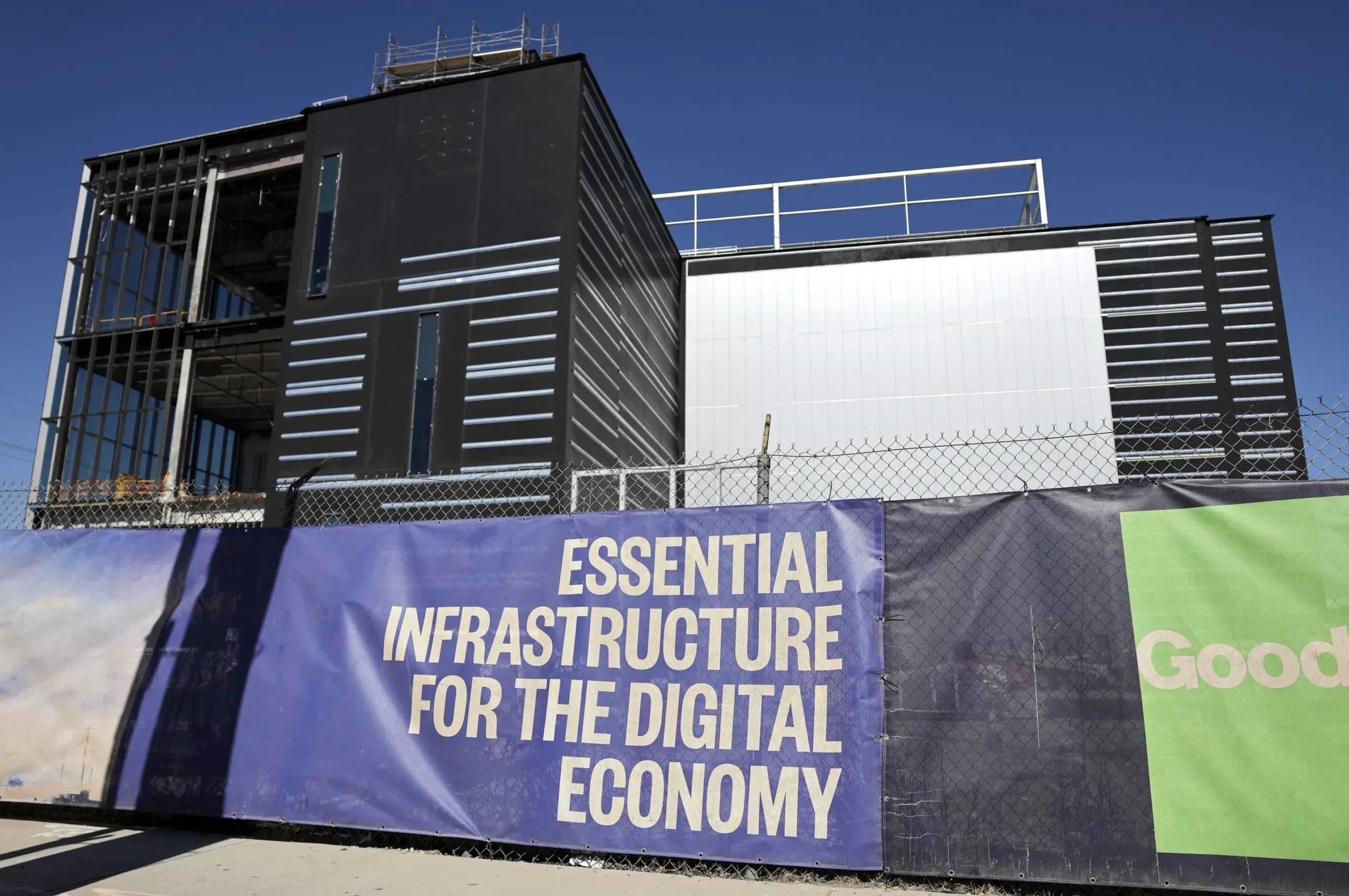
That flexibility can be useful for the grid. It can also create a loophole. If a facility keeps its data center electricity consumption low during a few carefully anticipated peak windows, it could escape a substantial share of demand-based charges despite using enormous volumes of power throughout the year. Texas has already seen versions of this dynamic with crypto mining, where operators were paid or incentivized to curtail usage during stressed periods.
There is no inherent scandal in demand response. Paying a major customer to reduce load during an emergency can be cheaper than building an underused power plant. The question is whether the rates capture the full cost of keeping capacity ready for that customer on all the other days. If they do not, the supposed efficiency starts to look like a discount financed by everyone else.
Ordinary ratepayers need a sharper advocate
The politics of a utility case are lopsided. A large data center can hire specialist lawyers, engineers and cost-allocation consultants. So can the utility. Industrial groups and major retailers have their own representation. The average household has a consumer advocate’s office, in most states, but those offices are often constrained by statutes requiring them to represent the public generally rather than argue that one class of customer should bear more costs than another.
That arrangement made more sense when demand growth was gradual and large new customers looked like conventional factories. The data center electricity boom is different in speed and concentration. A single campus can reorder local planning assumptions, consume scarce interconnection capacity and require upgrades years before it produces any obvious local benefit beyond construction work and tax revenue.
Regulators should be asking for binding long-term contracts, meaningful upfront payments and exit fees that protect customers if a project is canceled or uses less power than promised. They should also test rates against annual consumption, not merely a facility’s behavior during a handful of peak hours. And they should publish the math in language regular customers can read without hiring an economist.
AI companies like to describe compute as invisible infrastructure. It is not invisible to the grid. Every model query ultimately ends up as heat, power demand and a line item somewhere. The next fight over data center electricity will decide whether that line item belongs mainly with the companies selling the compute, or with the people trying to keep the lights on at home.
Frequently Asked Questions
Why is data center electricity affecting household power bills?
Large facilities can require enormous new supplies of power, transmission capacity and substation upgrades. Utilities generally recover those investments through regulated rates, and households may pay part of the bill when regulators treat upgrades as shared grid infrastructure rather than costs created by one customer.
What is coincident peak demand in electricity pricing?
Coincident peak demand measures a customer’s electricity use during the moment when the entire grid reaches its highest load. Utilities often use it to divide costs for infrastructure needed to serve peak demand, but flexible data centers can potentially lower usage during those windows.
Will data centers pay for their own grid upgrades?
They may pay for direct connections, such as a line from a substation to a facility, but broader upgrades are harder to assign. New generation, larger substations and regional transmission assets are often classified as shared system costs unless state regulators establish customer-specific protections.