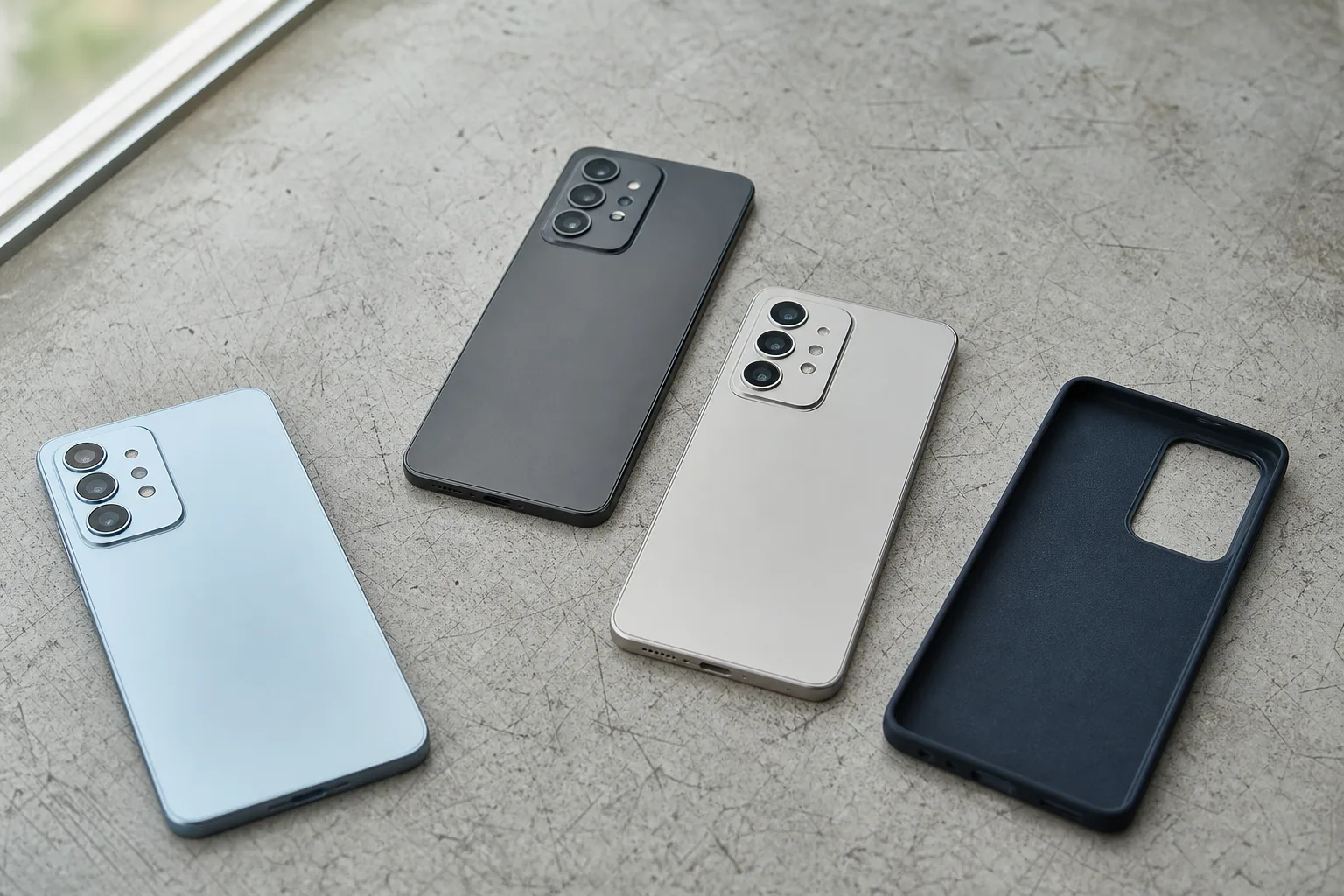
- Pixel 11 durability ratings give the Pixel 11 Pro a B grade after it completed 180 free-fall tests without failure.
- Other Pixel 11 durability results are stronger, with the standard model and Pro XL rated for 270 free falls.
- Every Pixel 11 model is rated to retain at least 80% battery capacity after 1,000 charge cycles.
- Google’s foldable survived 210 drops when closed but only 45 drops when tested in its unfolded state.
Table of Contents
Pixel 11 durability has an unexpected weak link
The regular Pixel 11 may be Google’s safer buy for clumsy people. New European product filings put Pixel 11 durability under a fairly unforgiving spotlight, and the odd result is that the more expensive Pixel 11 Pro trails both the base handset and the larger Pro XL in drop-test performance.
According to entries in the EU’s European Product Registry for Energy Labelling, or EPREL, the Pixel 11 Pro is rated for 180 repeated free falls without a defect. That earns it a B durability grade. The standard Pixel 11 and Pixel 11 Pro XL each reached 270 falls, earning an A. On a spec sheet obsessed with cameras, Tensor silicon and AI tricks, this is the kind of number that can easily get buried. It probably shouldn’t.
A phone is not a lab specimen, of course. Nobody drops a handset 180 times in the same controlled conditions. But standardized testing is still useful because it gives shoppers a relative comparison between closely related devices. And in this comparison, Google’s Pro branding looks a little backwards.
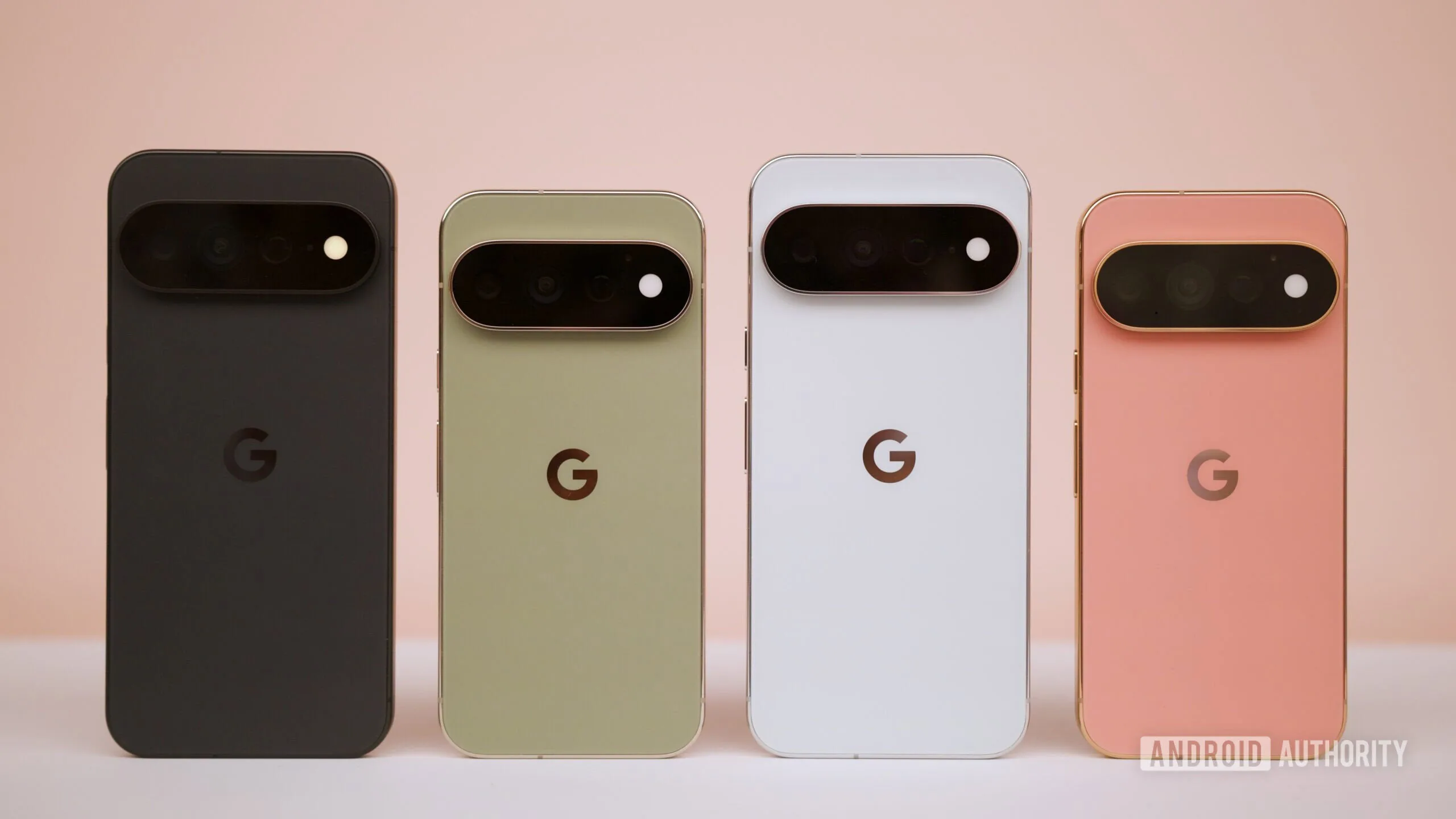
The EPREL records cover energy efficiency, repairability, battery endurance and resistance to repeated falls. These labels stem from European Union rules designed to make smartphone buying a little less like choosing a mystery box. Manufacturers have historically been happy to cite Gorilla Glass names and IP ratings, while saying much less about how a device fares after its third meeting with a pavement. The registry is one attempt to force more comparable answers, including on Pixel 11 durability.
Google has not publicly explained why the Pixel 11 Pro’s test result comes in below its siblings. It could be down to its physical construction, the weight distribution of a smaller Pro model, a particular screen assembly, or simply the threshold achieved during this prescribed test. Without teardown data or a statement from Google, claiming a precise cause would be guesswork. Still, the result is hard to ignore when the cheaper phone posts the better score.
What the EPREL grades actually tell buyers
For Pixel 11 durability, the letter grade is not a broad declaration that one phone is indestructible and another is fragile. It reflects a defined repeated-free-fall reliability test. The Pixel 11 Pro’s 180-drop result does not mean it will crack on drop number 181 in real life, any more than the Pixel 11’s 270 score means you should start juggling it on concrete. Case makers can relax.
What it does suggest is that Google’s standard model and Pro XL have a larger measured margin in this one aspect of structural resilience. That matters because display repairs remain pricey, and flagship phones increasingly cost enough to make a cracked screen feel like a minor financial emergency. If you use a case and never drop a phone, this may not move your purchasing decision. If you are the person whose phone has met every airport tile floor in Europe, it should.
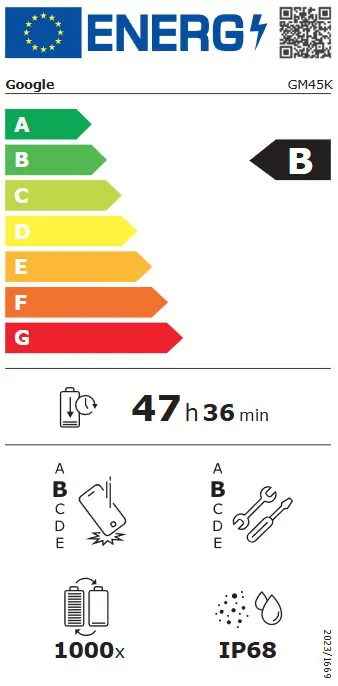
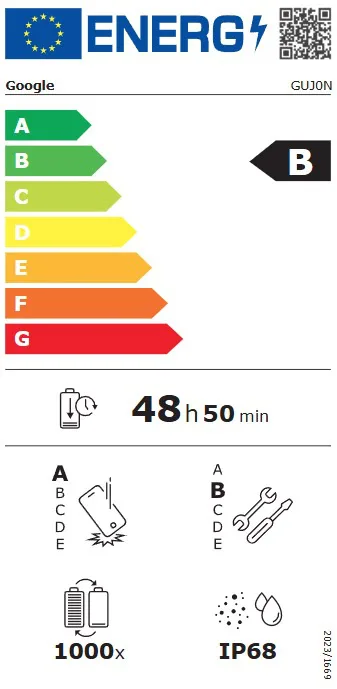
The Pixel 11 Pro XL is rated B for energy efficiency and repairability, but A for durability. The base Pixel 11 follows the same pattern. The Pixel 11 Pro receives B grades across all three categories: energy efficiency, repairability and durability. A B for repairability is respectable rather than exceptional; it suggests these phones are not designed as sealed-off curiosities, but Google is not leading the repair-first pack either.
There is a wider industry point here. Regulators are doing what glossy launch presentations rarely do: separating a product’s headline features from its long-term ownership costs. Samsung, Apple, Google and other premium-phone makers have become very good at selling annual upgrades. A comparable Pixel 11 durability score asks the less glamorous question: will the thing still be pleasant, and affordable, to own two or three years later?
Battery figures are steady, not spectacular
The rest of the EPREL data paints a more consistent picture. Google rates every model in the lineup to retain at least 80% of original battery capacity after 1,000 charging cycles. That is unchanged from the Pixel 10 generation, according to the filings. For most owners charging roughly once a day, 1,000 cycles is the sort of figure that matters far more than a launch-day benchmark chart.
Rated battery runtimes vary. The Pixel 11 is listed at up to 48 hours and 50 minutes from its 4,840mAh battery, while the Pixel 11 Pro is listed at 47 hours and 36 minutes despite its Pro status. The 5,000mAh Pixel 11 Pro XL leads the family at 50 hours and 10 minutes. These are regulated test results, not a promise that every user will get two full days while shooting video, navigating, streaming and letting Google’s new Tensor G6 work overtime.
Still, the ranking reinforces the strange shape of this range: the smallest Pro is not the clear hardware winner. It has the shortest listed endurance among the non-folding models and the weakest Pixel 11 durability rating. Buyers may still prefer it for its size, camera system or whatever Google ultimately does with its renamed HiLight feature, previously known as Pixel Glow. But this is no longer a simple case of paying more to get more in every measurable category.
The foldable result comes with a giant asterisk
The Pixel 11 Pro Fold earns an A durability grade, B energy-efficiency grade and B repairability grade. Its 4,658mAh battery is rated for 45 hours and 5 minutes, the lowest figure in the lineup. The eye-catching caveat is the free-fall testing: it handled 210 drops in the closed position, but only 45 when unfolded.
Foldable buyers already know the trade-off in theory; the test numbers make it uncomfortably concrete. Open the phone and you expose a much larger, thinner surface along with the inner display. The Pixel 11 Pro Fold’s overall Pixel 11 durability grade is encouraging, but it should not be read as permission to treat an open foldable like a conventional glass slab. Physics remains stubbornly unimpressed by premium pricing.
For readers who want to inspect the product labels themselves, EPREL’s official public database publishes registered energy-label information for eligible products sold in Europe. It is not glamorous browsing, but it may be one of the better sources of practical phone-buying information available before the first long-term reviews arrive.
Google needs to explain the Pro gap
My read is that the Pixel 11 Pro result is not a reason to write the device off. A B grade and 180 successful test falls are not catastrophic. But it is a meaningful blemish on a product that will almost certainly command a premium over the base Pixel 11, especially when the latter manages an A durability rating and a slightly longer listed battery runtime.
Pixel 11 durability may become one of those tedious spec-sheet details that only matters after the first accident. That is precisely why it matters now. Google has made a habit of asking customers to trust its software ambitions; this year, the physical case for the smaller Pro needs a little more convincing.