

Table of Contents
The iPhone 17 Pro discontinued move is routine, but the pricing is not
Apple has officially confirmed the iPhone 17 Pro discontinued status after introducing its iPhone 18 Pro family. The retirement itself is familiar: Apple has long treated its Pro phones as one-year residents of the official store, pulling them the moment their replacements arrive. The surprise is the price of staying in the Pro lane.
The iPhone 17 Pro started at $1,099 in the US, while the larger iPhone 17 Pro Max began at $1,199. Their successors now start at $1,199 and $1,299 respectively. A $100 bump may not sound enormous, but it changes the psychology of Apple’s lineup. The four-figure iPhone was already normal. The $1,200 entry-level flagship is a more pointed statement.
Apple’s online store no longer lists either 2025 Pro model for sale, and the iPhone 17 Pro discontinued status means new direct purchases from Apple are no longer possible. Carrier inventory, electronics retailers, and Apple’s refurbished channel may keep them available for some time. Anyone hoping to buy new directly from Apple has missed the window.
A short but consequential run for Apple’s 2025 Pro phones
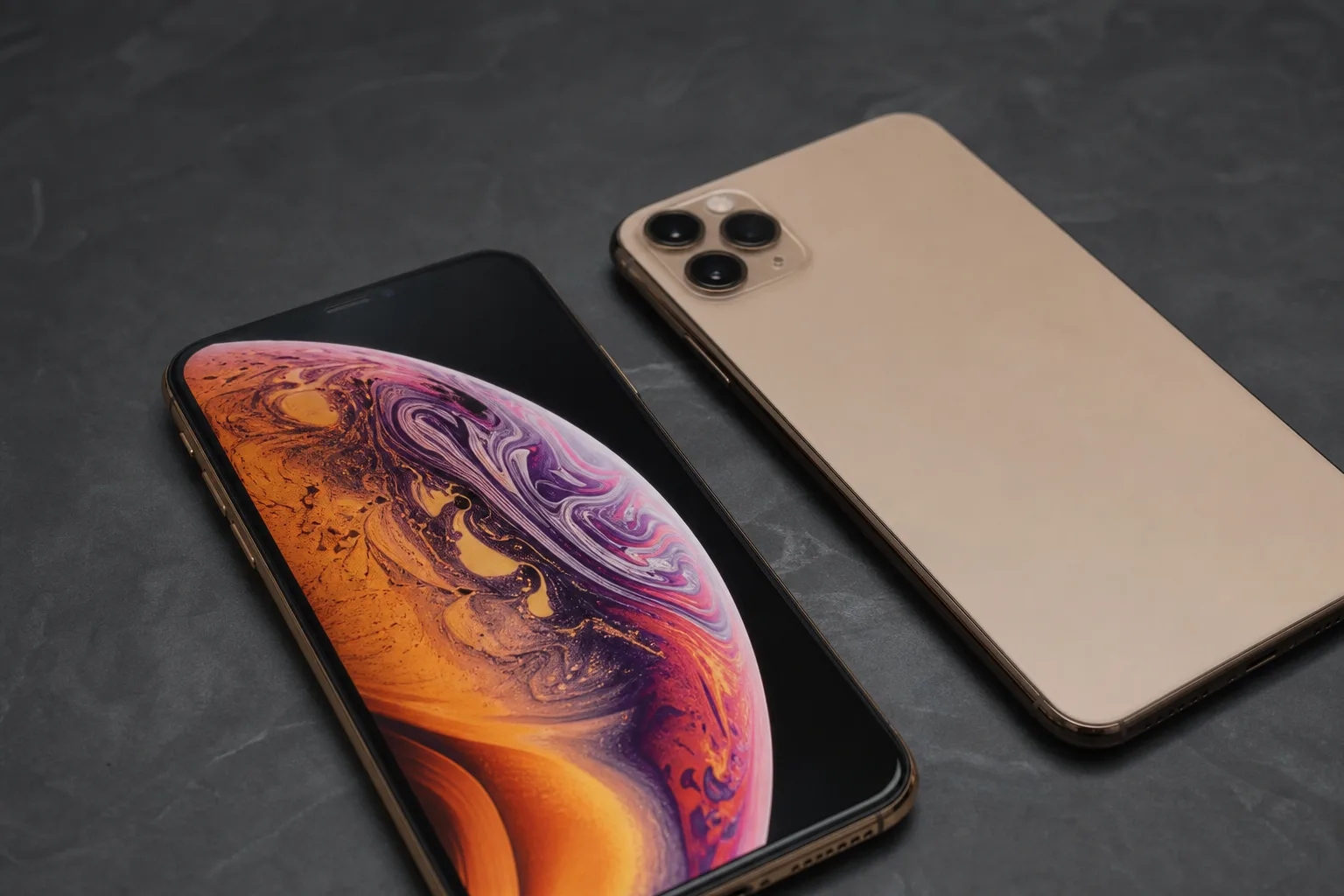
The iPhone 17 Pro discontinued notice closes the book on devices introduced at Apple’s September 2025 “Awe dropping” event and released later that month. They ran on the A19 Pro processor and retained the familiar 6.3-inch and 6.9-inch screen split. Their notable hardware turn was structural: Apple moved away from the titanium frame used on the iPhone 16 Pro generation and adopted an aluminum unibody design with an Apple-designed vapor chamber intended to better manage heat.
That thermal work mattered because the modern Pro iPhone is asked to do rather more than text, scroll, and take the occasional photo. Extended gaming, on-device machine-learning features, long video recording sessions, and high-speed charging all make sustained performance a practical issue. Vapor chambers have been standard fare in Android flagships for years, so Apple was catching up in one sense. But it was also acknowledging that thinner, more capable phones can’t simply shed heat by wishful thinking.
The camera system was unusually ambitious on paper. Each rear camera used a 48-megapixel sensor, including a 48-megapixel telephoto camera capable of 4x optical zoom and up to 8x optical-quality zoom. The front camera moved to an 18-megapixel Center Stage unit. For people who use an iPhone as their everyday camera, those were meaningful upgrades rather than a mere annual spec-sheet shuffle.
Still, the iPhone 17 Pro discontinued cycle exposes Apple’s harshest retail truth: last year’s top-tier camera phone becomes a non-product overnight when the new one arrives. That doesn’t make it suddenly worse. In fact, remaining retail stock may be one of the more sensible iPhone purchases this fall—if the discount is real and buyers understand Apple will no longer offer it directly.

Apple’s new lineup has a much higher ceiling
The more interesting story around the iPhone 17 Pro discontinued announcement is Apple’s revised price ladder. The iPhone 18 Pro starts at $1,199, and the Pro Max begins at $1,299. Apple is also offering a 2TB capacity on the smaller Pro model for the first time, a sign that storage-heavy users are no longer expected to buy the biggest screen merely to reach the biggest storage tier.
Then there is the iPhone Duo, Apple’s first foldable handset. It starts at $1,999 for 256GB and reaches 2TB. Foldables have spent years as a premium Android experiment led by Samsung, Google, Motorola, and Chinese phone makers, with varying levels of polish and durability. Apple arriving at $1,999 is not a bid to democratize the category. It is Apple planting its flag at the luxury end, where it has traditionally been most comfortable.
For a company that sells phones at enormous scale, this is a telling split. The standard iPhone remains the volume product, but the company’s attention is increasingly drawn to customers willing to spend more on storage, cameras, large displays, and now folding hardware. Apple also raised prices for the iPhone 16, iPhone 17, iPhone Air, and iPhone 17e on its online store, tightening pressure across more of the range rather than only at the top.
Readers should keep an eye on the gap between Apple’s retail pricing and carrier promotions. Carriers can make a $1,299 phone look manageable with trade-in credits, but those offers usually come with lengthy service commitments. The sticker price still matters because it sets the value of the deal you are being asked to accept.
What buyers should do now
If you own a 17 Pro, the iPhone 17 Pro discontinued change does not alter its support outlook. Apple typically supports iPhones with software updates for many years, and the A19 Pro is hardly obsolete. There is no practical reason to panic-upgrade because an online-store listing disappeared. Remember when manufacturers could make a two-year-old phone feel ancient? Apple has generally been better than that, even if its annual launch cycle tries hard to make us forget.
If you are shopping today, the iPhone 17 Pro discontinued status should prompt you to compare any remaining 17 Pro stock against the iPhone 18 Pro’s $1,199 starting price, not against last year’s launch price. A tiny discount is not a bargain for a model Apple just retired. A meaningful price cut, however, could make the older phone a very attractive option for buyers who care more about its triple 48-megapixel camera system than having the latest badge.
Apple has not yet published a broad consumer explanation for its new pricing structure, but its official iPhone store now makes the direction hard to miss. The iPhone 17 Pro discontinued decision is business as usual. The higher floor beneath it is the part that may define this generation. Apple is betting that people who want its best phones will keep paying up. With upgrades slowing, that may be the growth story it has left.

