

Most smartphone upgrades are easy to predict: another camera sensor, a faster chip, a slightly brighter panel. Matte OLED displays feel different because they address a daily irritation that phone makers have mostly trained us to tolerate: staring at our own reflections.
- TCL’s P80 Ultra shows matte OLED displays can cut glare without sacrificing the contrast and color earlier paperlike screens compromised.
- Apple’s iPhone Duo could make matte OLED displays a foldable priority, particularly if the coating makes inner-screen creases less visible.
- TCL’s dedicated Paper Mode and Max Ink Mode offer a practical template for phones that double as calmer reading devices.
- The P80 Ultra still has performance and camera shortcomings, but its screen points to a feature the wider phone market has ignored.
Table of Contents
Matte OLED displays finally look ready for prime time
TCL’s P80 Ultra is not, by the usual midrange-phone scorecard, a device that should dominate anyone’s wish list. Reports on the handset point to uneven performance and merely passable camera results, familiar problems in a crowded Android tier where Samsung, Google and Xiaomi set a high bar. But TCL has done something genuinely interesting with its Nxtpaper screen technology: it has paired that paperlike surface treatment with OLED.
That combination is why matte OLED displays are more interesting than the anti-glare coatings phones have used in the past.
The distinction matters because TCL has put Nxtpaper screens in tablets since 2021 and in phones since 2023, generally using a matte finish and eye-comfort modes to imitate some of the appeal of an e-reader. The problem was that earlier versions carried visible compromises. A conventional LCD can be perfectly fine, but it does not deliver OLED’s inky blacks, strong contrast and pixel-level control over an always-on display.
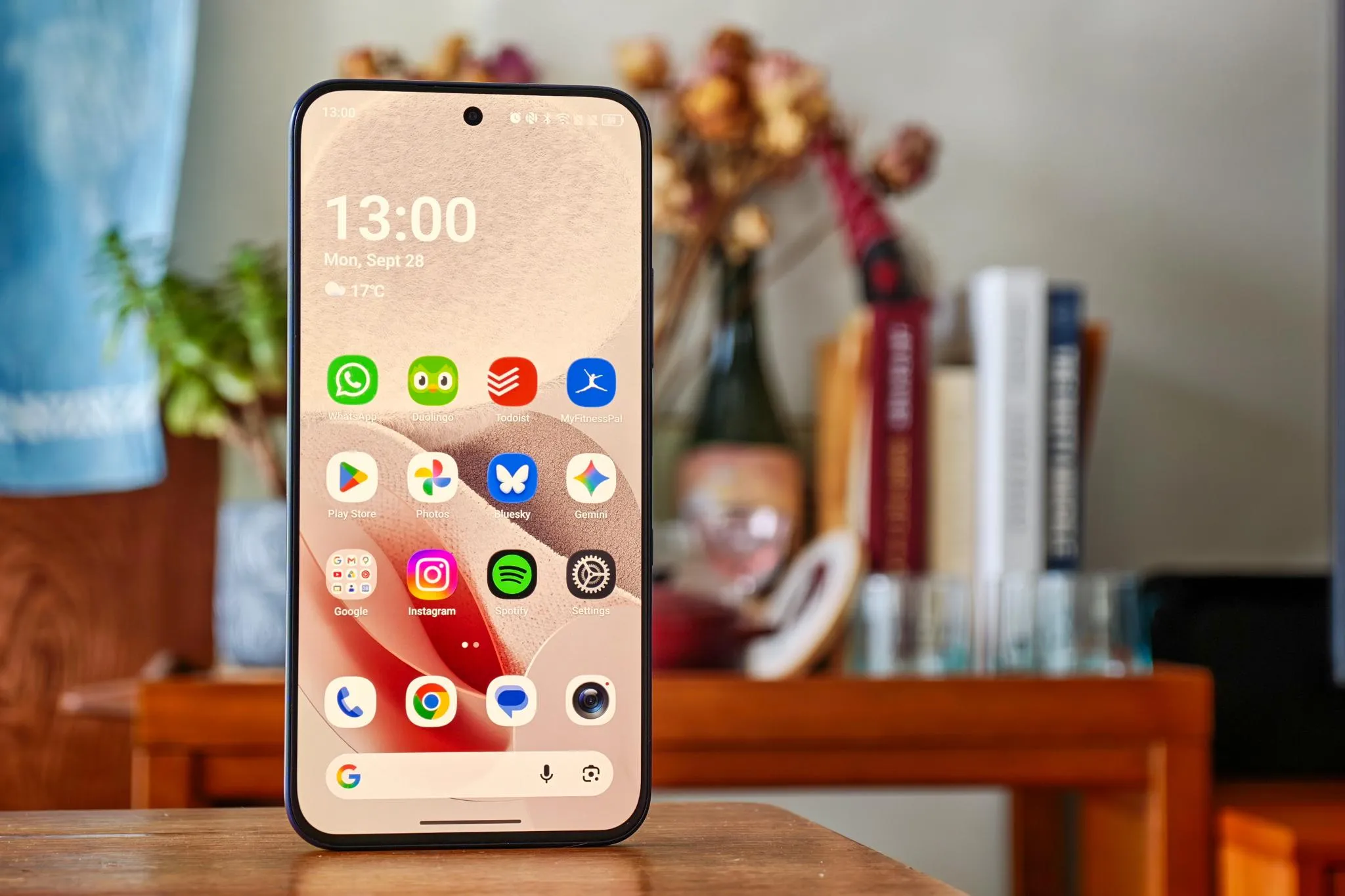
The P80 Ultra changes the equation by bringing those OLED strengths to a surface designed to scatter reflected light. In hands-on reports, the screen stays colorful and punchy while feeling less harsh under bright indoor lights or outdoors. That is the promise matte OLED displays have been waiting to fulfill. For years, the typical choice was a glossy flagship panel or a matte screen protector that dulled the image, collected grime and made an expensive phone feel vaguely like it had been wrapped in office stationery.
There is also a small tactile benefit. A matte layer gives the glass a satiny resistance under a finger, rather than the slippery, sometimes sticky sensation of bare polished glass. It is hardly a reason to buy a phone on its own, but phones are objects we touch thousands of times a day. Tiny ergonomic improvements add up, like switching from a glossy kitchen counter to one that does not show every fingerprint before lunch.
TCL has a better idea than a simple anti-glare coating
TCL’s version goes beyond surface treatment. A physical switch activates Paper Mode, which mutes colors or shifts the display into monochrome for reading. Max Ink Mode is more aggressive: it restricts much of the app and operating-system experience, turning the phone into something closer to a long-lasting e-reader with calling capabilities. It is a refreshingly blunt intervention in an industry that usually responds to digital exhaustion with another notification setting buried three menus deep.
For TCL, matte OLED displays are only part of the appeal; the reading-focused software gives the hardware a clearer purpose.
I would argue that this is where TCL is thinking more clearly than many premium-phone brands. Grayscale options already exist on Android and iOS, and Apple’s Screen Time tools can limit distractions, but neither platform gives users an immediate hardware-driven escape hatch. A dedicated switch says: this phone can stop being a slot machine for a while. That is more useful than another AI wallpaper generator, frankly.
The visual approach also has some credible backing beyond TCL’s marketing. Reducing reflections can improve perceived legibility without simply blasting more light at a user’s eyes, while monochrome interfaces can remove the color cues designed to pull attention toward apps. The trade-off is usually a slightly softer image, especially compared with pristine glossy glass. But a phone is not a showroom television. It gets used on trains, in cafes, on sidewalks and under the unforgiving downlights of an airport gate.
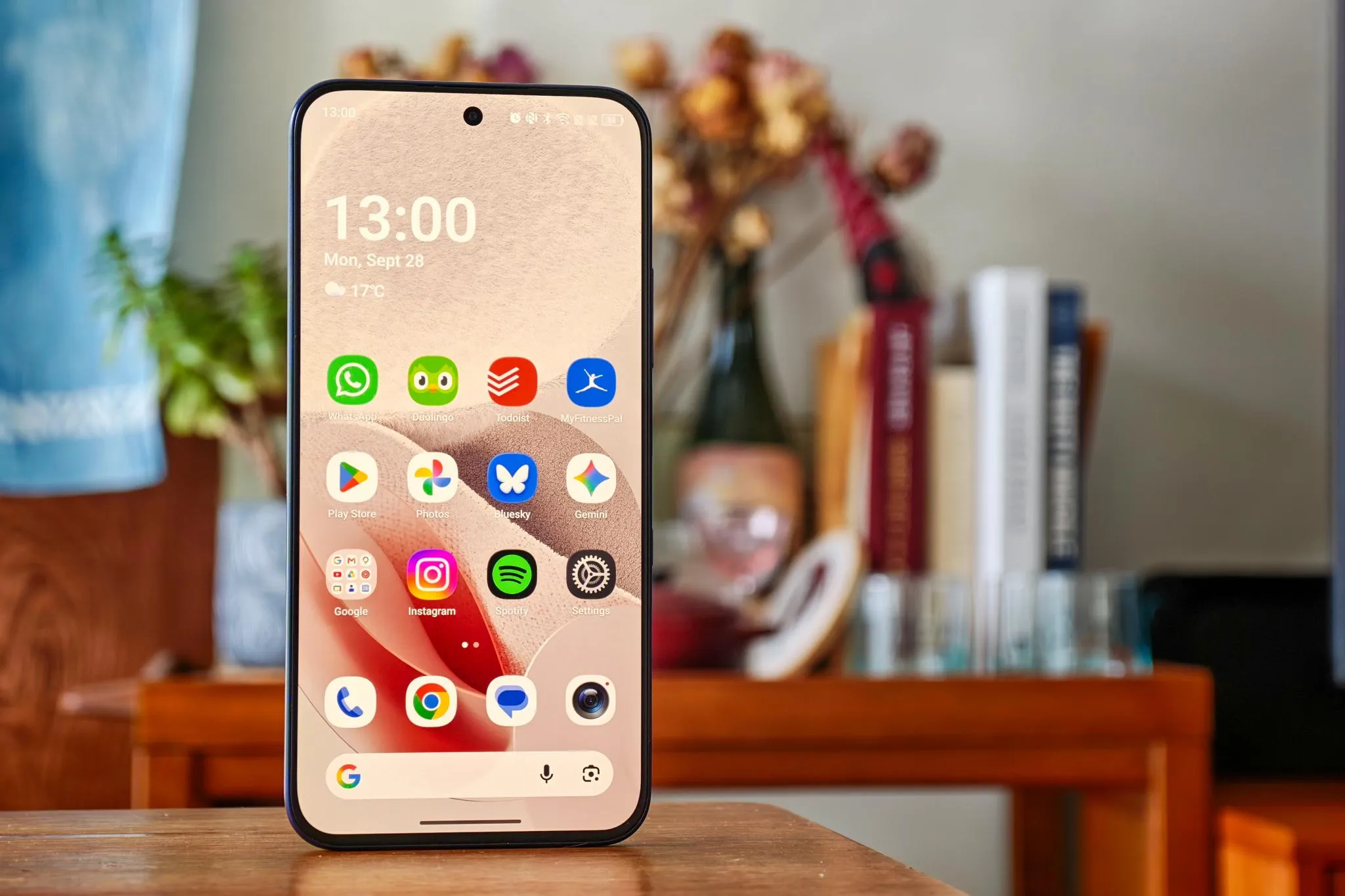
For everyday use, that is why matte OLED displays may be more compelling than the annual race for peak brightness. Brightness still matters, obviously, but glare is its own enemy. A well-treated screen can remain readable because it is not acting like a black mirror every time the sun catches it.
Apple may give the idea the push TCL could not
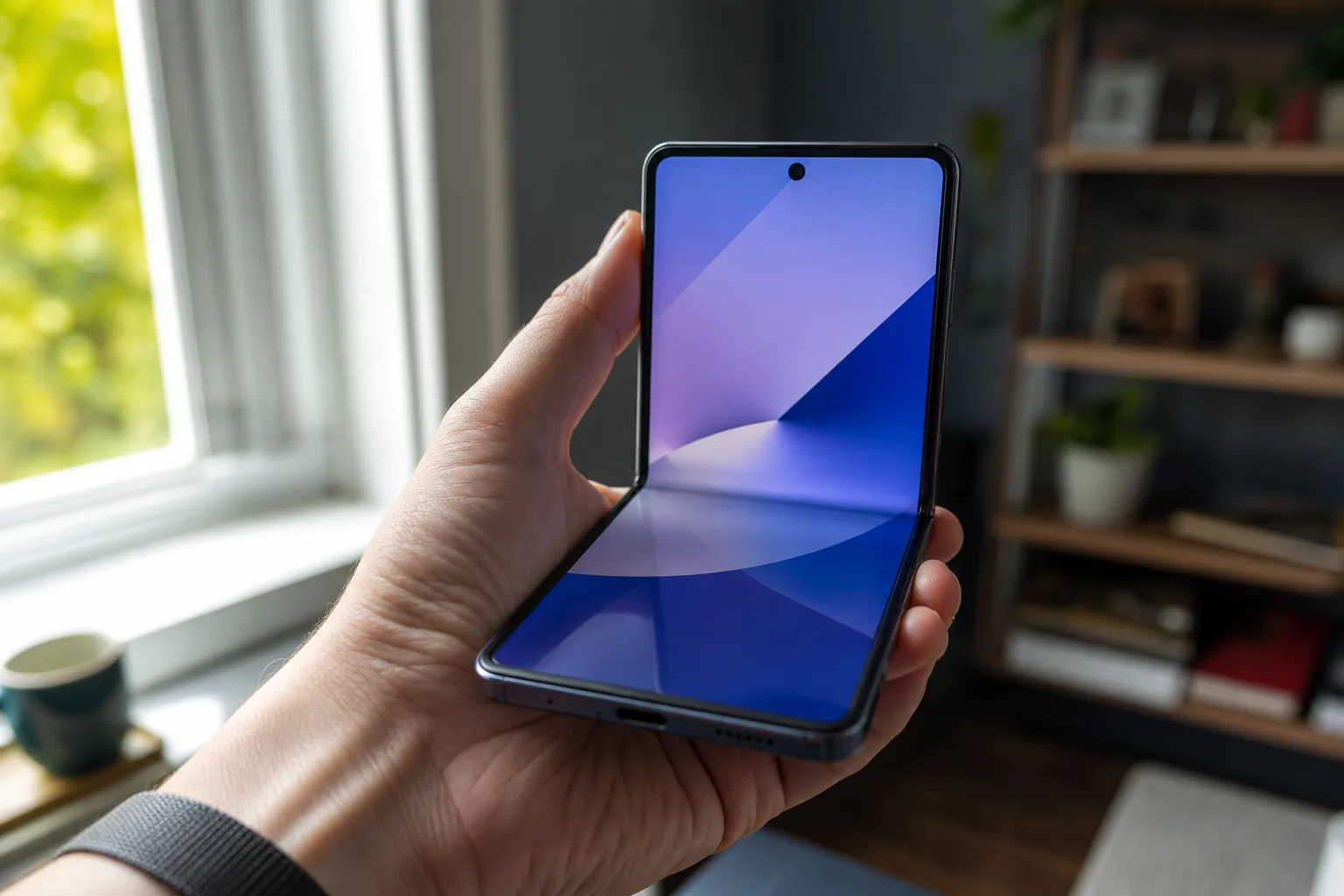
Apple’s reported use of a matte inner display on the iPhone Duo could turn a niche screen treatment into a major industry story. Apple has already sold nano-texture glass on select iPad Pro models, positioning it as an option for drawing. That is broadly the same balancing act TCL is attempting on a phone.
On a foldable, though, the payoff could be even larger. The interior panel is the part of a book-style foldable that asks users to overlook the most obvious hardware compromise: the crease. A matte finish will not physically erase a foldable crease, but it could reduce the way overhead light catches it. The difference matters because creases often look worse in a store than they feel in actual use: glossy reflections turn a shallow indentation into a bright visual line.
If Apple can make that effect less conspicuous, expect rivals to pay attention. Samsung, Huawei, Xiaomi and Motorola have spent years refining foldable hardware, but the display surface remains one of the category’s unresolved annoyances. Matte OLED displays could become a relatively straightforward way to improve the experience without waiting for a magical crease-free hinge.
Apple’s involvement could also validate matte OLED displays as a premium feature rather than a compromise for reading-focused devices.
There is one awkward caveat. Apple reportedly reserves the matte treatment for the Duo’s larger inner panel, not its external display. That may be a sensible manufacturing or durability decision, but it risks making the transition between screens feel oddly mismatched. If Apple is selling the Duo as one device with two equally useful displays, a glossy cover panel and a soft-looking interior may be more noticeable than the company expects.
The next phone-screen arms race should be less glossy
Not every handset needs a matte finish. People who watch lots of HDR video in dark rooms may still prefer the crystalline pop of glossy glass, and photographers can be finicky about any coating that changes perceived sharpness. But that is precisely why this should be an option, not a blanket design mandate. Apple has made nano-texture a configuration choice on iPad Pro. Phone makers could do the same, especially at the high end.
Other consumer electronics already offer a clue. Huawei has built tablets around its PaperMatte display concept, while Samsung’s The Frame television uses a matte panel to make art look less like an illuminated rectangle. Those products recognize something phone makers have overlooked: reducing reflections can make a screen feel more natural, even when the underlying technology remains intensely digital.
TCL may not sell enough P80 Ultras to set a market trend by itself. Its phone has too many ordinary weaknesses for the screen to carry the whole product. Still, the device makes a convincing case that matte OLED displays no longer have to mean settling for washed-out color or lower-end hardware. If the iPhone Duo makes the finish fashionable, Android makers will almost certainly follow. And for once, imitation would be a welcome improvement rather than another round of camera-bump copycats.

