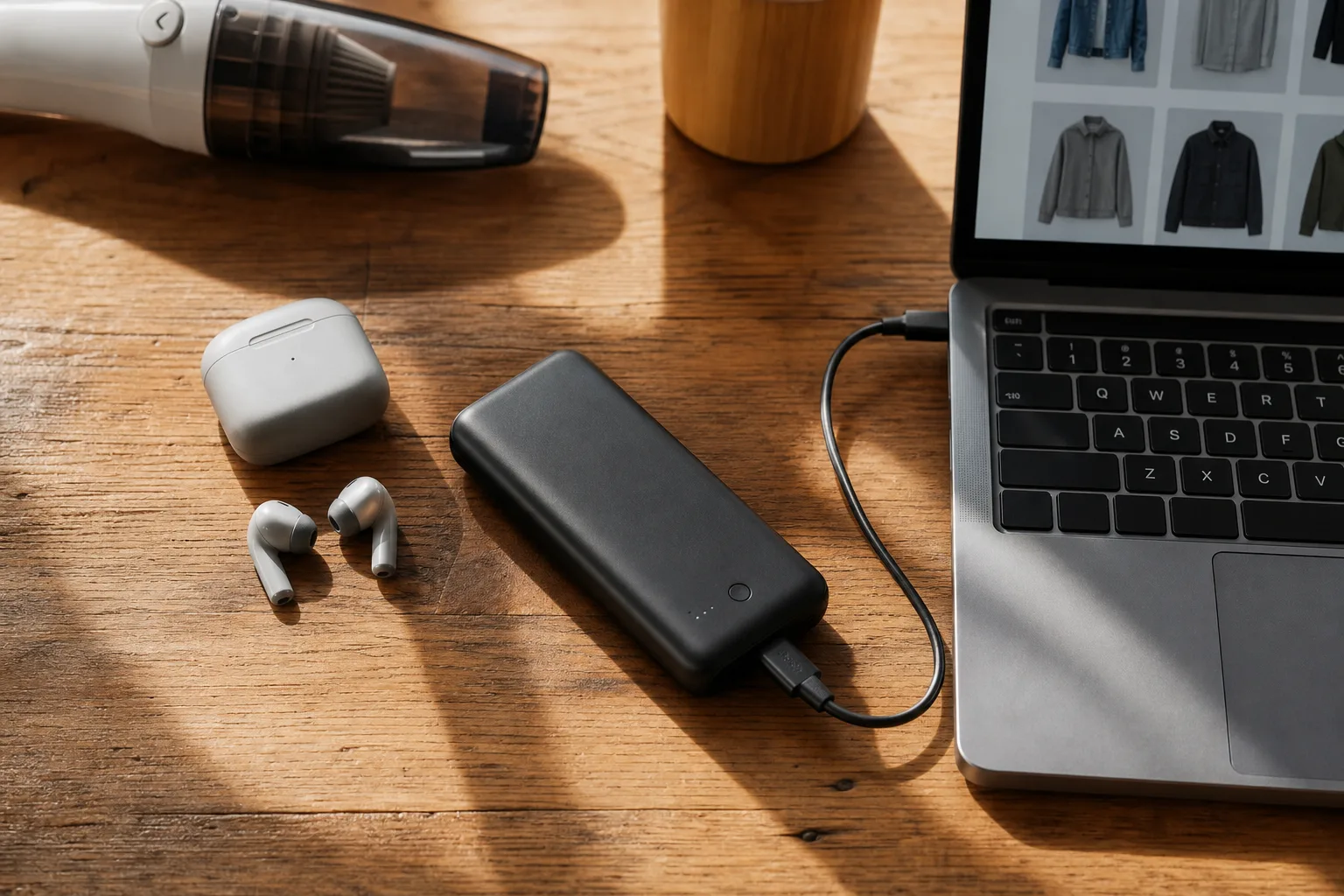
- The best Prime Day deals solve routine annoyances, from dead phones in transit to crumbs lodged between car seats.
- Prime Day deals under $100 are strongest when sale prices beat normal street pricing rather than inflated manufacturer list prices.
- A 25,000-mAh laptop power bank and Soundpeats H3 earbuds stand out as practical purchases with clear everyday value.
- Subscription costs can erase hardware savings, particularly with Arlo cameras that require a paid plan for their fuller feature set.
Table of Contents
Prime Day deals are best when they fix a boring problem
The most convincing Prime Day deals aren’t the ones with the flashiest percentage-off badge. They’re the purchases that quietly remove friction from daily life: a battery pack that keeps a laptop alive at an airport gate, earbuds that don’t make conference calls sound like they’re happening underwater, or a small vacuum that can reach the debris colony beneath a car seat.
This year, that distinction matters because the sub-$100 category is crowded with gadgets that look inexpensive only next to an optimistic manufacturer list price. Amazon’s sales event remains a legitimate moment to buy accessories and household tech, but it also rewards a little skepticism. A 40 percent reduction from a price nobody actually pays is not a bargain; it’s retail theater.
If you are shopping late in the event, the practical shortlist is clearer than the sprawling deal pages suggest. The best choices are established products with known trade-offs, not random brand-name keyboard mashing from an Amazon storefront you’ll never find again.
Prime Day deals worth buying for travel and daily tech
A 25,000-mAh laptop power bank, selling for roughly $96, is the most useful item in this group. It packs enough capacity for serious phone charging and can provide a meaningful top-up to compatible laptops, while two USB-C cables — including a retractable two-foot cable — reduce the usual tangle of accessories. Anyone who has packed a power bank and then forgotten the cable has already learned why this design matters.
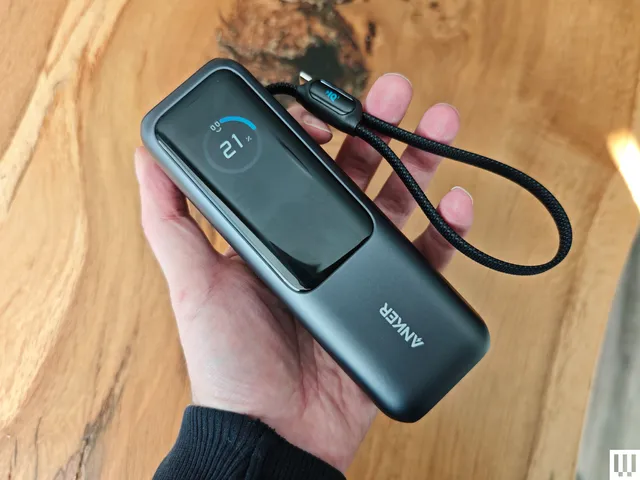
Battery capacity is not the same as usable delivered energy after conversion losses, and airline rules can limit large batteries in checked baggage. Still, a 25,000-mAh pack sits in a sweet spot for people who work away from outlets. Amazon lists its broader portable-battery rules and product information through its official storefront, but travelers should also check their airline’s current policy before flying.
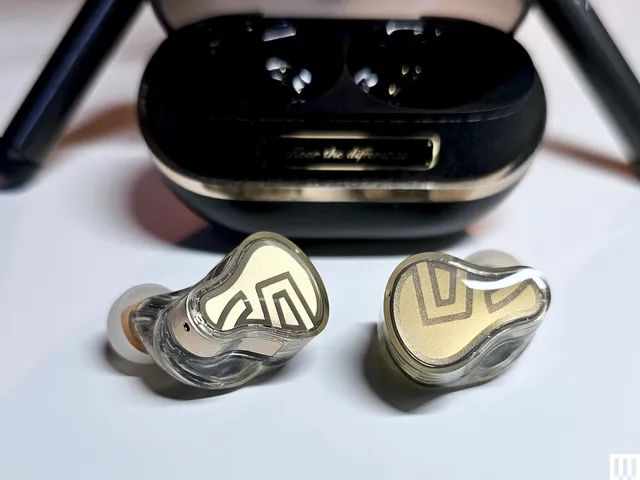
For audio, the Soundpeats H3 earbuds at around $93 look like a more sensible buy than feature-stuffed budget buds. The pitch is straightforward: detailed listening, support for lossless audio and credible call quality, without trying to turn earbuds into a wellness dashboard. I’d argue that is the right priority. Heart-rate monitoring in your ear remains one of those features that sounds futuristic until you remember you mostly need the things to stay connected on a train platform.
JBL’s Flip 7, listed at $100, is another reasonable option if you need a portable speaker rather than private listening. It has IP68 protection against dust and water, an attachable strap and Auracast support for pairing with newer JBL speakers. It has sold for less before, so this is not the most urgent of the Prime Day deals, but it is a dependable buy for someone who will actually use it outside.
Kitchen and home picks have clearer utility than novelty
The Nutribullet Ultra at about $94 is the kind of deal that earns its place because it replaces a routine, not because it creates a new one. Its 1,200-watt motor is enough for smoothies, sauces and protein shakes, and the blending cup doubles as a travel cup. Counter space is the tax every kitchen gadget eventually pays, and this one at least makes a decent case for itself.
The roughly $95 basket air fryer makes much the same case. A well-regulated air fryer is a small luxury for people who cook quick meals, particularly in apartments where heating a full oven for a few portions feels absurd. The sale price is compelling if you wanted one already. If you have not used an air fryer in two years of considering one, no amount of Prime Day deals math will change that.
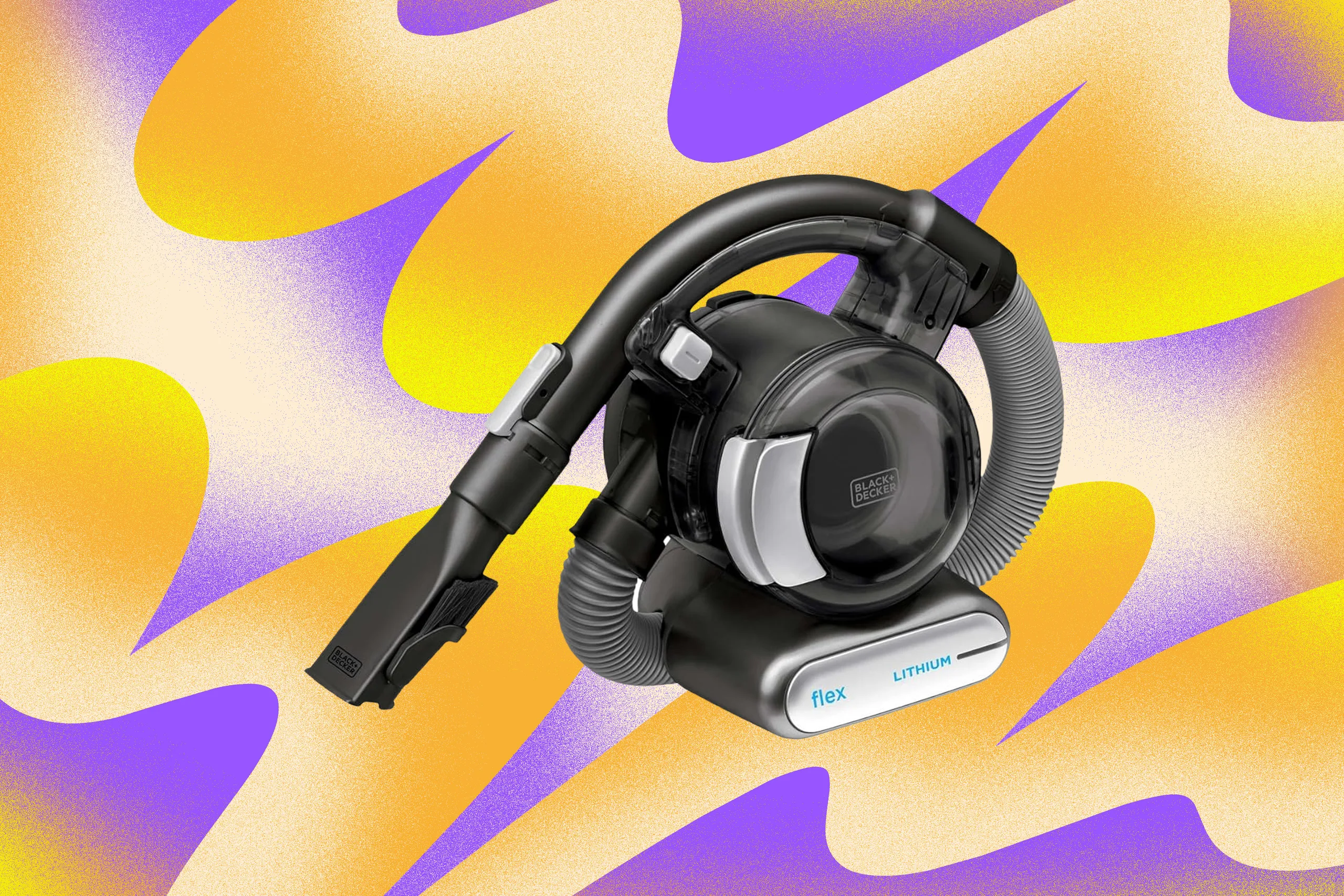
Black+Decker’s Dustbuster Flex, down to about $90, is less glamorous and probably more valuable. Its hose makes it useful for cars, stairs and corners that upright vacuums handle poorly. Battery life is only around 15 minutes, which sounds disappointing until you remember this is for targeted cleanup rather than cleaning a three-bedroom house. Its charging stand also keeps the attachments in one place — a mundane detail, but a good one.
The LetPot LPH-SE indoor garden at roughly $92 offers a different kind of utility. It can grow greens and herbs without proprietary seed pods or a mandatory subscription, a welcome contrast with some countertop gardening systems. It will not make you agriculturally self-sufficient, obviously. But fresh basil next to the kitchen window is a better outcome than another app-controlled object gathering dust.
Read the fine print on smart-home Prime Day deals
Smart-home hardware is where Prime Day deals can become deceptively expensive. Arlo’s Pro 6 outdoor camera is priced near $95 and has compelling on-paper basics: 2K video, a 160-degree field of view, two-factor authentication and an app designed for quick alerts. Yet its subscription runs $10 monthly or $96 annually for one camera, according to the reported pricing. That means the service can exceed the camera’s discounted cost within a year.
Arlo can still be a good choice. Shoppers just need to decide whether they want an alerting camera, an ongoing cloud-security service, or both. Those are separate purchases, even when the checkout page makes them feel like one. The same principle holds for Amazon’s Echo hardware: the Echo Dot Max may have better audio and a built-in smart-home hub, but a sale framed against a recently raised list price deserves a long look.
The SwitchBot smart pedestal fan at about $80 is more interesting than it first appears. It has a rechargeable battery for cordless use, a brushless motor and Matter support through the optional SwitchBot Hub 3. Matter compatibility is still not a magic wand for smart-home setup — anyone who has tried to troubleshoot a temperamental smart bulb knows this — but choosing products built around the standard is generally wiser than locking into a single vendor’s app.
The smaller entertainment buys make decent gifts
Among the lighter Prime Day deals, SteelSeries’ Arctis Nova 3P Wireless headset at around $71 offers a good balance of comfort, clear audio and playful color options. Gaming headsets live or die on fit after a few hours, so lightweight construction matters more than flashy RGB lighting ever will.
The Yoto Player, discounted to roughly $82, is also a thoughtful pick for children between 3 and 12. Physical cards trigger stories and music, while the device adds a pixel display, night light and thermometer. For parents trying to provide entertainment without handing over another glowing rectangle loaded with algorithmic video, that’s a meaningful distinction.
The Xteink X4 Pro pocket e-reader at around $90 is a reminder that Amazon no longer owns every reading habit. It is not a Kindle replacement for every buyer, and the discount itself is modest, but its tiny form factor is appealing for commuters and readers who want something more focused than a phone. Frankly, the best Prime Day deals are often the purchases that help us spend a little less time staring at the phone we already own.
Frequently Asked Questions
Are Prime Day deals under $100 actually worth it?
They can be, especially for road-tested products that are cheaper than usual. Amazon has recently increased prices on many of its devices, so some advertised discounts may not be as strong as they seem.
What is the best Prime Day deal for charging a laptop?
A 25,000-mAh power bank is available for about $96. It can fast-charge phones or laptops, charge two devices at once, and includes USB-C cables.
Do Arlo security cameras require a subscription?
The Arlo Pro 6 has a subscription cost to consider. Plans are listed at $10 per month or $96 per year for one camera, or $20 per month or $216 per year for unlimited cameras.