
Table of Contents
Spotify Premium’s ad-free promise was interrupted
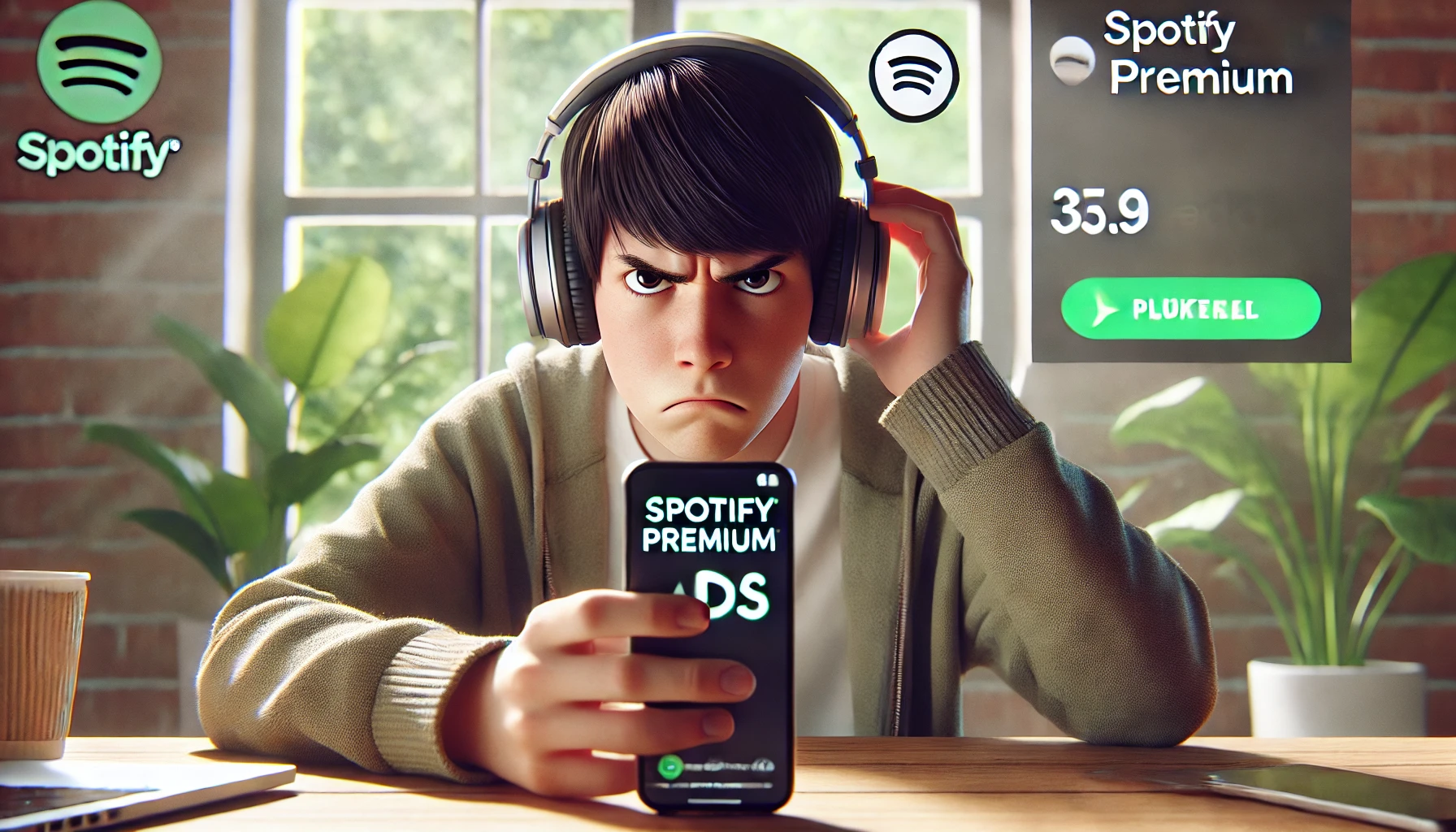
Spotify says it has fixed a bug that caused some Premium subscribers to hear ads while listening to music. For a service built around the distinction between its free, ad-supported offering and its paid, ad-free subscription, that is not a minor irritation. It strikes at the simplest expectation a Premium customer has: if they are paying to remove interruptions, advertisements should not appear.
The company said the problem affected a small number of users across its mobile, desktop, and web platforms. Even a limited outage can feel much larger when it concerns a core paid feature, particularly when subscribers encounter it during ordinary listening rather than while trying an optional or experimental tool. Reports had been frustrating users for weeks, and the experience naturally prompted questions about whether accounts, payments, or Spotify’s systems were at fault.
What happened to Spotify Premium users?
Users began reporting the problem on Spotify’s Community website about four weeks earlier. They described hearing ads during music playback despite having an ad-free subscription. Some tried the familiar first-line troubleshooting step of logging out and back in, but the advertisements continued to play.
That detail matters because a log-out-and-log-in fix is generally used to refresh an account session or force an app to re-check subscription status. When it does not work, customers are left with little visibility into whether the problem is local to their device, tied to an account, or occurring on Spotify’s side. For people listening across several devices, the reports spanning mobile, desktop, and the web made the issue especially confusing.
Spotify acknowledged the bug through its customer service account on X (formerly Twitter) and said it was investigating. The company later told TechCrunch that the issue was different from previously reported problems. That clarification is useful, but it also illustrates the difficulty of communicating service failures in public: users do not experience a distinction between one technical issue and another. They experience an ad in the middle of a service they paid to make ad-free.
For related coverage, read Spotify Experiences Quick Outage, Service Restored Fast, published on October 4, 2024, by SquaredTech.
A fix, but reports of lingering trouble
Spotify said it deployed a fix and that the issue had been resolved. Yet, at the time of writing, the company’s X account was still directing users toward temporary workarounds, including logging out and back in. That gap between a declared fix and ongoing support advice is often where customer frustration grows.
A fix can be real without reaching everyone at once. Apps and web services operate through different versions, sessions, devices, and account states, so a repaired underlying problem does not always produce an immediate clean result for every person affected. Still, users are not obliged to care about that distinction. Their measure is straightforward: do the ads stop?
Some subscribers demanded refunds, arguing that they were paying for an upgraded service that did not deliver its promised experience. Others said their payment information was up-to-date, removing a likely source of confusion. That does not automatically settle what compensation, if any, is appropriate, but it explains why the reaction was sharper than it might be for a brief cosmetic bug. Ads are not incidental to Spotify’s product model; avoiding them is one of the defining reasons to choose Premium.
The problem crossed devices
The reports were not confined to one platform. Users said the bug affected:
- Mobile apps on Android and iOS
- Desktop apps on Windows and Mac
- The web browser version
Cross-platform problems carry a particular reputational cost because they remove the easy assumption that switching devices will solve the issue. Someone who hears ads on a phone may try a computer or the browser version; when the same complaint appears in each environment, it feels less like a local glitch and more like a failure of the subscription itself.
Subscribers voiced their concerns on social media and online forums, frustrated that the ad-free experience they expected was not being delivered. The response reflects how subscription services are judged. Customers do not only pay for access. They pay for consistency, convenience, and the removal of friction. A service can have an enormous catalog and still lose goodwill quickly when a basic promise is interrupted.
New subscription tiers raise the stakes
The Premium bug arrived as Spotify prepares to introduce new subscription options, including a “superfan” subscription tier. The planned offering is set to include:
- Exclusive music and video content
- Special fan experiences
- A deeper music catalog
Warner Music Group, or WMG, will partner with Spotify on the initiative. The proposal points toward a familiar direction for streaming: subscriptions increasingly compete not only on basic access, but on exclusivity and proximity to artists. For listeners willing to pay beyond a standard plan, the question becomes whether added perks feel meaningful and dependable.
That makes an interruption to the existing Premium experience awkward timing. Before asking users to consider a tier centered on additional value, Spotify has to protect confidence in the value customers already receive. An ad appearing for a Premium subscriber is a small event in technical terms, perhaps, but it is highly visible proof of a service not behaving as advertised.
YouTube’s lower-cost alternative
Spotify is also operating in a subscription market where competitors are testing different trade-offs. YouTube recently launched its Premium Lite subscription, priced at $7.99 per month. The plan offers ad-free video streaming, but it does not include YouTube Music, background play, or downloads.
That limitation is the point of the comparison. Subscription services increasingly divide features into tiers, asking users to decide which frustrations they want removed and which extras they value enough to pay for. Spotify’s forthcoming superfan option takes that logic in a more music-focused direction, while YouTube Premium Lite offers a narrower proposition. In either case, clarity matters: customers need to know exactly what they are buying and trust that the promised benefits will work.
Spotify says the bug that made Premium users hear ads has been fixed. The company maintains that only a small number of subscribers were affected, but the frustration was understandable and widespread in public discussion. As Spotify moves toward new subscription tiers, the central lesson is less about one bug than about the fragility of subscription trust. Premium users can tolerate the occasional technical problem; they are far less likely to accept repeated failures of the feature they are paying for.
Stay updated: Tech News


