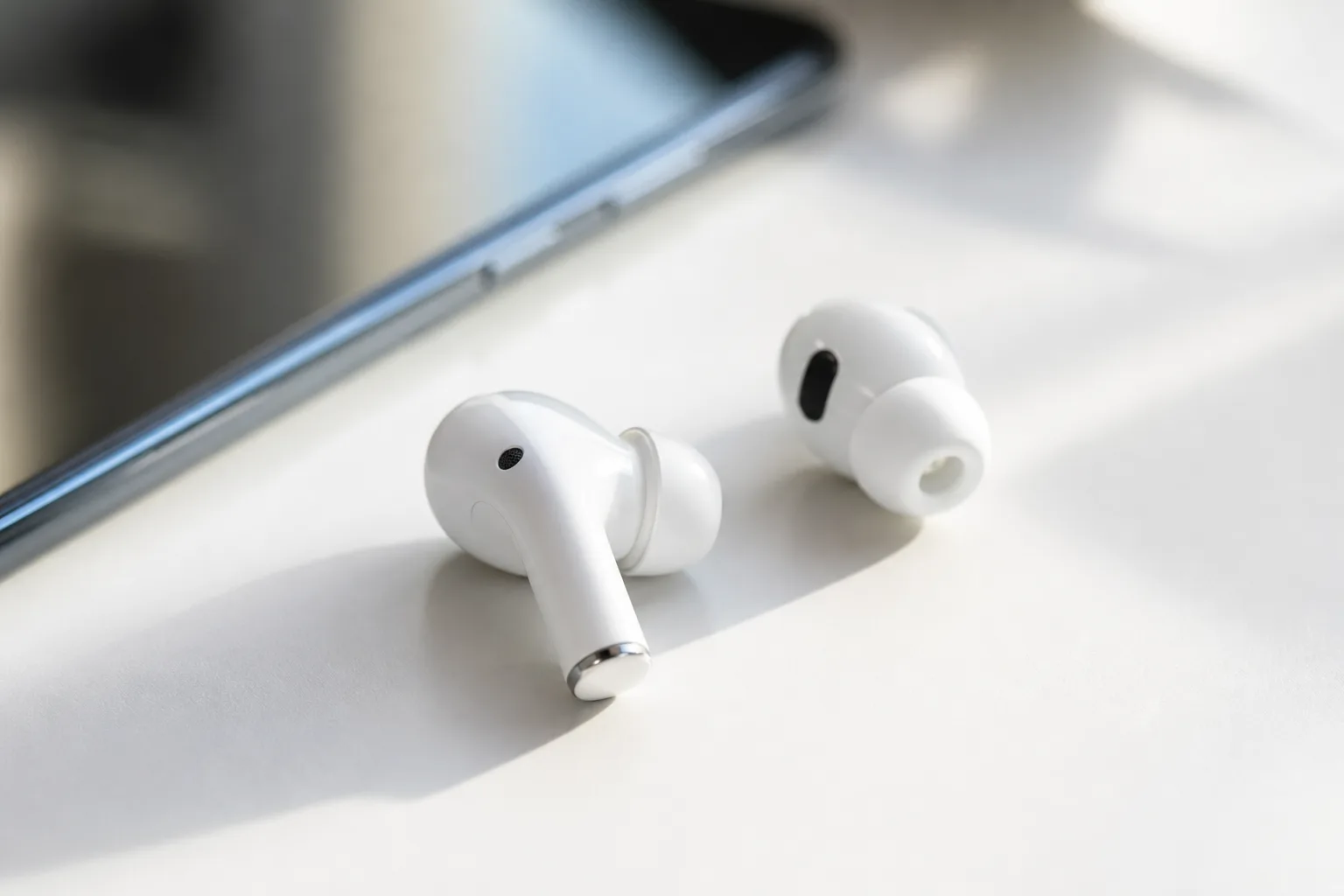
Hidden inside the second beta of iOS 27, developer Sam Henri Gold has uncovered what looks like Apple’s clearest signal yet that AirPods Pro with cameras are a real, actively developed product — and closer than many expected. The find is a system-level prompt tied to an internal codename, and it spells out in plain language how these earbuds would actually work.
- AirPods Pro with cameras appear in iOS 27 beta 2 under the internal codename B790, confirming development is well underway.
- The leaked system prompt reveals AirPods Pro with cameras will use two lenses — one on each side — to feed Visual Intelligence.
- Apple’s camera-equipped earbuds were originally set for this year but face a software delay, pushing the launch to fall 2026.
- The new AirPods are expected to debut alongside the 20th anniversary iPhone, making them a flagship accessory launch.
Table of Contents
What the iOS 27 Beta Code Actually Reveals
Gold, posting on X (formerly Twitter), flagged a system prompt within iOS 27 beta 2 referencing a device codenamed B790. The prompt is notable not just for its existence but for its specificity. It describes a setup using ‘two images from cameras on either side of user’s head’ — meaning one camera per earbud, capturing a combined field of view that Apple’s on-device AI can interpret in real time. This is the clearest software-side evidence yet that AirPods Pro with cameras are a functioning engineering project, not a distant concept.
That’s a significant technical detail. Stereo camera placement on earbuds isn’t just about capturing more pixels — it provides spatial context. The slight angular difference between each lens gives the system enough information to better understand depth, object positioning, and the relationship between items in a scene. If Apple engineers this correctly, it could produce a more reliable Visual Intelligence experience than a single camera phone lens held up awkwardly in front of something.
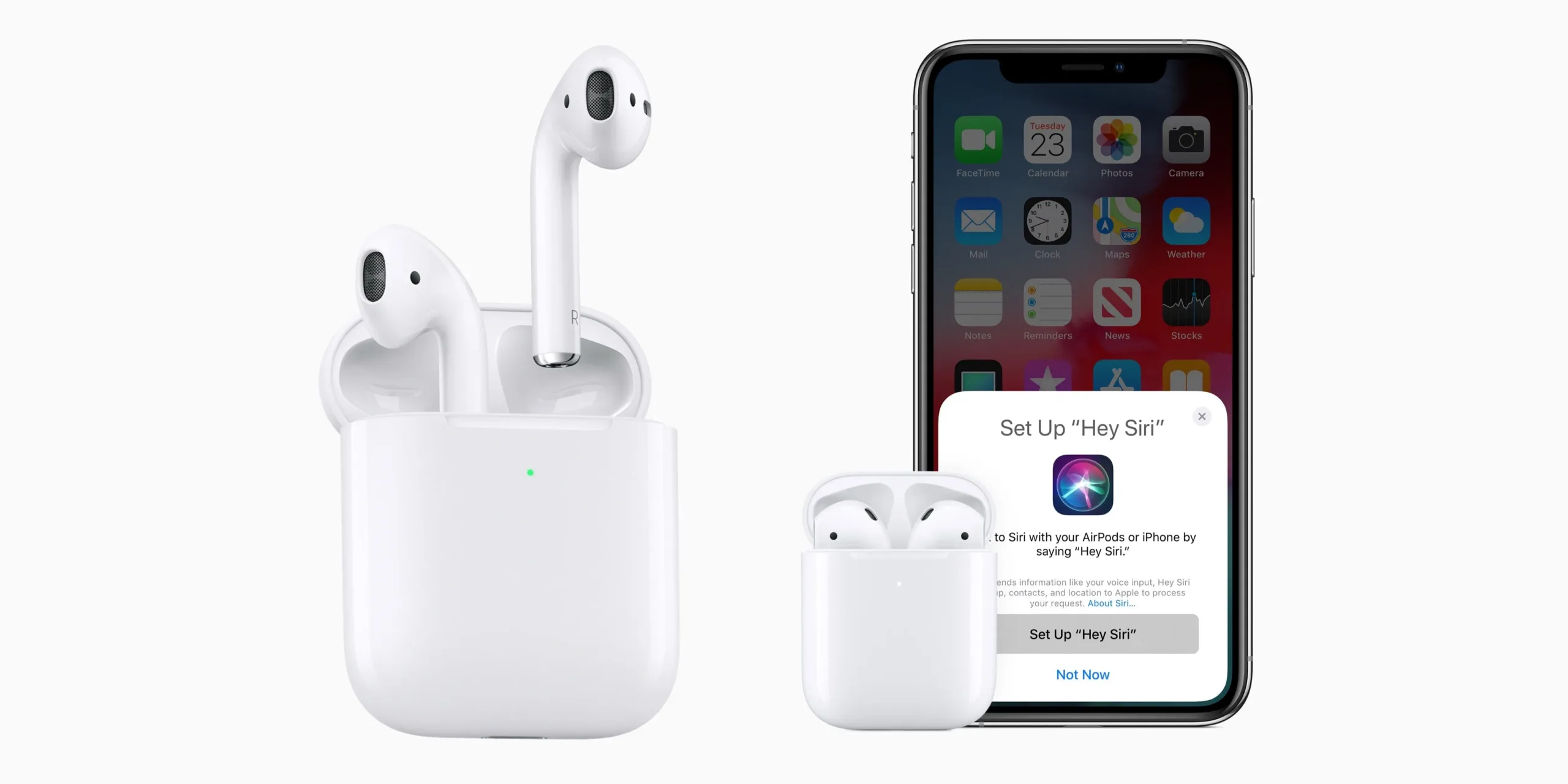
Gold initially floated the idea that B790 might refer to an Apple AI glasses product — a reasonable guess, given that Meta’s Ray-Ban smart glasses have proven there’s genuine consumer appetite for hands-free visual AI. But the codename structure and the ‘either side of user’s head’ description point much more convincingly toward earbuds. Glasses would typically position a camera at the front, not bilaterally. AirPods Pro with cameras fit the bilateral description far more naturally than any glasses form factor would.
AirPods Pro with Cameras and the Visual Intelligence Opportunity
Apple introduced Visual Intelligence with the Apple Intelligence rollout on iPhone 16, letting users point their camera at something and get Siri-powered contextual answers — think identifying a restaurant from a storefront, reading a product label, or getting real-time translation. It’s genuinely useful, but the friction is real: you have to take your phone out, open the camera, and hold it steady.
That’s exactly the gap AirPods Pro with cameras are designed to close. If the earbuds can passively observe your environment and surface relevant information through audio — answering a question about something you’re looking at before you even think to ask — that’s a fundamentally different kind of interaction. It’s ambient computing in the most literal sense.
The implications for accessibility alone are worth thinking about. For visually impaired users, having a wearable device that can describe surroundings, identify people, read text, and answer spoken questions without requiring a phone interaction would be a meaningful step forward. Apple has a strong track record in this space, and AirPods Pro with cameras fit neatly into that history.
The Codename Confusion: B790 vs B798
There’s a wrinkle worth addressing. Bloomberg has previously reported Apple’s camera AirPods project under the codename B798, while Gold’s discovery in iOS 27 beta 2 points to B790. That’s a meaningful enough difference to raise questions — are these the same product?
The most likely explanation is that the two designations reflect different phases of the project. Hardware codenames in Apple’s development pipeline aren’t always static; a product can carry one internal identifier during early engineering validation and another as it moves toward mass production. It’s also possible that B790 represents a software-side reference model while B798 tracks the physical hardware. Either way, the convergence of independent reporting from Bloomberg and a first-party code discovery strongly suggests they’re describing the same device.
The Delay — and What It Means for the Timeline
Here’s the part that stings a little if you were hoping to see these this year: AirPods Pro with cameras were reportedly on track for a 2025 launch before running into software problems. Apple has since pushed the debut to fall 2026, aligning it with what is shaping up to be one of the company’s biggest product moments in years — the 20th anniversary iPhone.
That pairing isn’t accidental. Apple has historically used milestone iPhone releases to anchor entire ecosystem narratives. The original iPhone launched a platform. The iPhone X redefined the form factor. The 20th anniversary model — expected to be a dramatic design departure — will presumably carry equally ambitious software ambitions. Launching AirPods Pro with cameras alongside it gives Apple a second stage for the Visual Intelligence story, keeping the headline-grabbing features concentrated in one event rather than spread thinly across the calendar.
The software delay is also telling in its own right. It suggests that the camera hardware itself isn’t the hard problem — integrating it meaningfully into the operating system is. Getting Visual Intelligence to work seamlessly on an earbud, where there’s no screen, no manual trigger, and no obvious moment of ‘I’m going to use AI now,’ requires a different interaction model than anything Apple has shipped before. You’d need intelligent decisions about when to activate, what to process, how to surface answers without being intrusive, and how to handle battery drain responsibly. That’s genuinely hard software work, and a delay to get it right is probably the right call.
The Bigger Picture: Wearables as the Next AI Interface
Zoom out for a moment, and this leak fits into a broader industry argument that’s been building since at least 2023: the smartphone may not be the best interface for AI assistants much longer. Meta’s Ray-Ban glasses have sold in the millions. Humane’s AI Pin flopped, but it clarified what the market does and doesn’t want from wearable AI. Google is reportedly reviving its glasses ambitions. And now Apple — with its 600-million-plus active iPhone user base and an existing AirPods install base in the tens of millions — is engineering a path to put always-available AI directly on your ears.
AirPods Pro with cameras wouldn’t require users to adopt a new device category or wear something conspicuous on their face. They’d slide into a routine millions of people already have. That’s a significant distribution advantage over every competing wearable AI play in the market right now. If Apple gets the software experience right — and that ‘if’ is doing serious work after the reported delays — this could shift expectations for what a pair of earbuds is even supposed to do.