

Table of Contents
AirTag 2’s priorities are range, responsiveness and trust
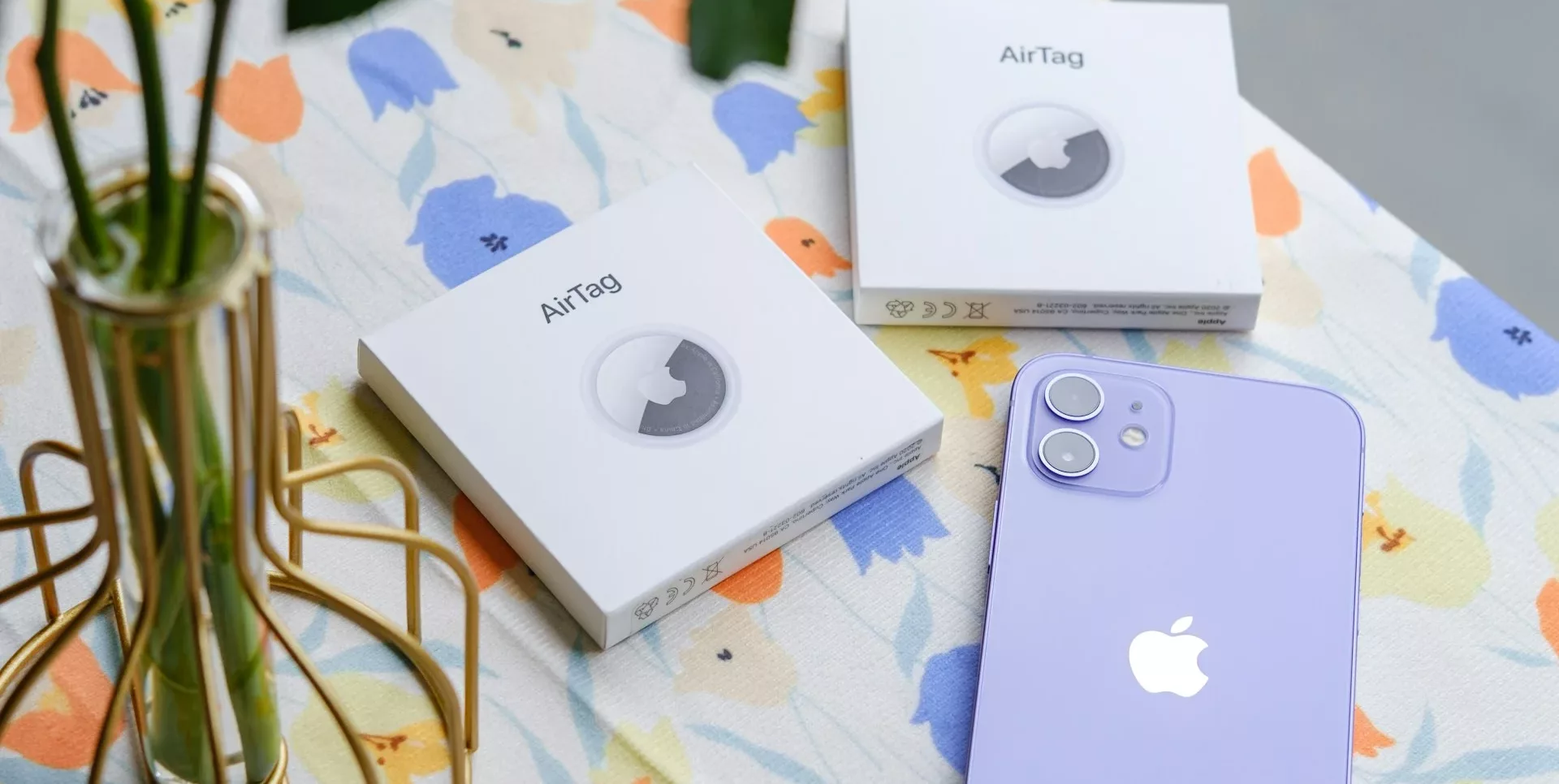
Apple’s AirTag 2 is expected to arrive in 2025, more than three years after the first AirTag. That gap matters. The original model made item tracking feel unusually simple: attach a small tracker to something easy to misplace, then use your phone to narrow down where it might be. But the product has also carried a harder question from the beginning: how do you make a location-tracking device useful without making it easier for someone to track another person?
The second-generation AirTag appears aimed directly at both sides of that equation. It will include Apple’s new U2 Ultra-Wideband chip, replacing the older U1 chip in the first AirTag. Apple is also redesigning the device to make its speaker harder to disable, a change intended to address privacy concerns including stalking.
Those are not cosmetic updates. Better locating performance is the obvious consumer benefit, but making a tracker harder to silence may be the more consequential decision. A product such as AirTag only remains viable if people who do not own one can have confidence that unwanted tracking will be detectable.
What the U2 chip could change when an item is actually lost
The AirTag 2 will feature the U2 Ultra-Wideband chip for faster connections and a longer tracking range. In practical terms, that should make the most frustrating part of finding a lost item less frustrating: the final stretch. Knowing that a bag, keys or another tagged possession is nearby is useful; getting a clearer, faster connection when searching for it is what turns that information into a recovery.
The first AirTag uses the U1 chip, and the new U2 chip is described as faster and better. That distinction is important because a tracker is judged in moments of inconvenience, not during setup. People notice delays when they are leaving home, looking through a crowded room, or trying to identify which of several similar objects is theirs. A longer tracking range should also give users more room to work with when the item is not immediately within reach.
Apple does not need to reinvent the basic AirTag idea for the sequel to be worthwhile. The appeal of the category has always been its narrow focus: it is designed to help find belongings. The AirTag 2’s proposed connectivity changes suggest Apple is concentrating on making that familiar task more dependable rather than expanding the product into something more complicated.
That is a sensible direction. Tracking products can promise a lot in marketing, but the value is straightforward: reduce the time spent searching and increase the chance that a misplaced item is found. Faster connections and improved range speak directly to that job.
For related Apple coverage, see SquaredTech’s Apple’s AI Evolution.
Privacy cannot be an afterthought for a tracker
AirTag’s popularity has existed alongside legitimate privacy concerns. The same small, inexpensive-looking object that helps an owner locate personal property can be misused if it is placed with another person’s belongings without their knowledge. Stalking concerns are therefore not a peripheral issue for Apple; they are central to whether location trackers can be used responsibly in everyday life.
Apple is working to address that problem by making the AirTag 2’s speaker harder to disable. The purpose is clear. If a speaker can be disabled, one of the ways an unwanted tracker might draw attention to itself can be removed. A redesign that makes disabling it more difficult raises the effort required to misuse the device and helps preserve a warning mechanism for people who may be carrying an AirTag that is not theirs.
There is no single hardware change that eliminates misuse. Privacy in this category depends on product design, user awareness and the willingness of companies to treat abuse prevention as a product requirement rather than a public-relations response. Still, the speaker redesign is a meaningful signal. Apple is not presenting privacy as separate from the AirTag experience; it is changing the physical device around a known concern.
That approach should make the AirTag 2 easier to recommend to cautious buyers as well. Many people want a tracker for keys, luggage or other possessions but do not want to support a product category that appears indifferent to personal safety. Improving the AirTag’s safeguards is not only the responsible move. It is also necessary to protect the usefulness of the product itself.
A 2025 release within a wider Apple product cycle
Some expected the AirTag 2 in 2024, but reports confirm that it will arrive in 2025. The timing puts it within a broader set of Apple releases planned for the year. Apple will also release a smart home display, updated iPad Air, entry-level iPad, MacBook Air, Mac Pro, Mac Studio and iPhone SE.
That wider product line gives the AirTag 2 some useful context. It is not likely to command attention in the same way as a new iPhone or a major Mac update, yet it addresses a very ordinary problem that touches a wide range of users. Apple’s smaller products often matter because they fit into existing habits rather than demanding new ones. An item tracker is valuable precisely because it can disappear into the background until it is needed.
The smart home display and the updated iPads, Macs and iPhone SE point to a 2025 schedule spanning several parts of Apple’s business. Against that backdrop, AirTag 2 looks like a targeted refresh: a product that retains a familiar role while addressing the two areas where a second generation has the strongest reason to exist—better finding performance and stronger safeguards.
Readers looking further ahead can also visit What to Expect from Apple in 2024 and Beyond on SquaredTech.
Why the update matters even without a radical redesign
The AirTag 2 will fix issues from the first model by tracking items better, connecting faster and being safer to use. That sounds modest, but it is the right test for a second-generation tracker. Owners do not need an AirTag that asks them to learn a new system. They need one that is quicker to find, works from farther away and is less vulnerable to misuse.
The improved U2 Ultra-Wideband chip addresses the utility side of the product. The redesigned speaker addresses the social cost of that utility. Together, those changes make a stronger case for AirTag 2 than a simple annual refresh would. Apple appears to be responding to how the first AirTag has been used in the real world: as a popular tool for keeping track of belongings, and as a device whose privacy protections need to be taken seriously.
Whether the AirTag 2 becomes the better choice will ultimately come down to how those changes work in daily use. On paper, though, the priorities are sound. Better range and faster connections should make finding lost items easier. Making the speaker harder to disable should help deter misuse such as stalking. For a product built around location, that balance is not a bonus feature. It is the product.

