- MapQuest Lake Ontario downloads rose more than tenfold after the company rejected the federal push to rename the Great Lake.
- The MapQuest Lake Ontario decision sent the app to first place in the US Navigation category and near the top overall.
- Google Maps followed federal naming data, while Apple Maps had not changed the lake name at the time of reporting.
- The episode shows a dormant consumer app can still find an audience when a platform decision becomes a cultural flashpoint.
Table of Contents
MapQuest Lake Ontario became an unlikely app-store rallying cry
There are few things less glamorous than downloading a navigation app in 2026. Most people already have Google Maps, Apple Maps, Waze, or some combination of all three. Yet MapQuest Lake Ontario became the phrase behind one of the stranger mobile app surges of the year after the veteran mapping service said it would keep using the lake’s long-established name.
The company said last week that it would not relabel Lake Ontario as ‘Lake America’ on its maps, despite an executive order from President Donald Trump directing the US Interior Department to update the federal geographic naming system. The MapQuest Lake Ontario response was immediate: MapQuest says it gained hundreds of thousands of downloads and saw usage run 50 times above normal levels over the weekend.
Sensor Tower data gives that claim some useful scale. During the week beginning August 24, MapQuest recorded roughly 184,000 global downloads and 162,000 US downloads, each more than ten times the prior week’s level. By Monday morning, the app had reached No. 1 in the US Navigation category, No. 4 among non-game iPhone apps, and No. 8 across the entire US App Store. In Canada, it climbed to No. 2 overall.
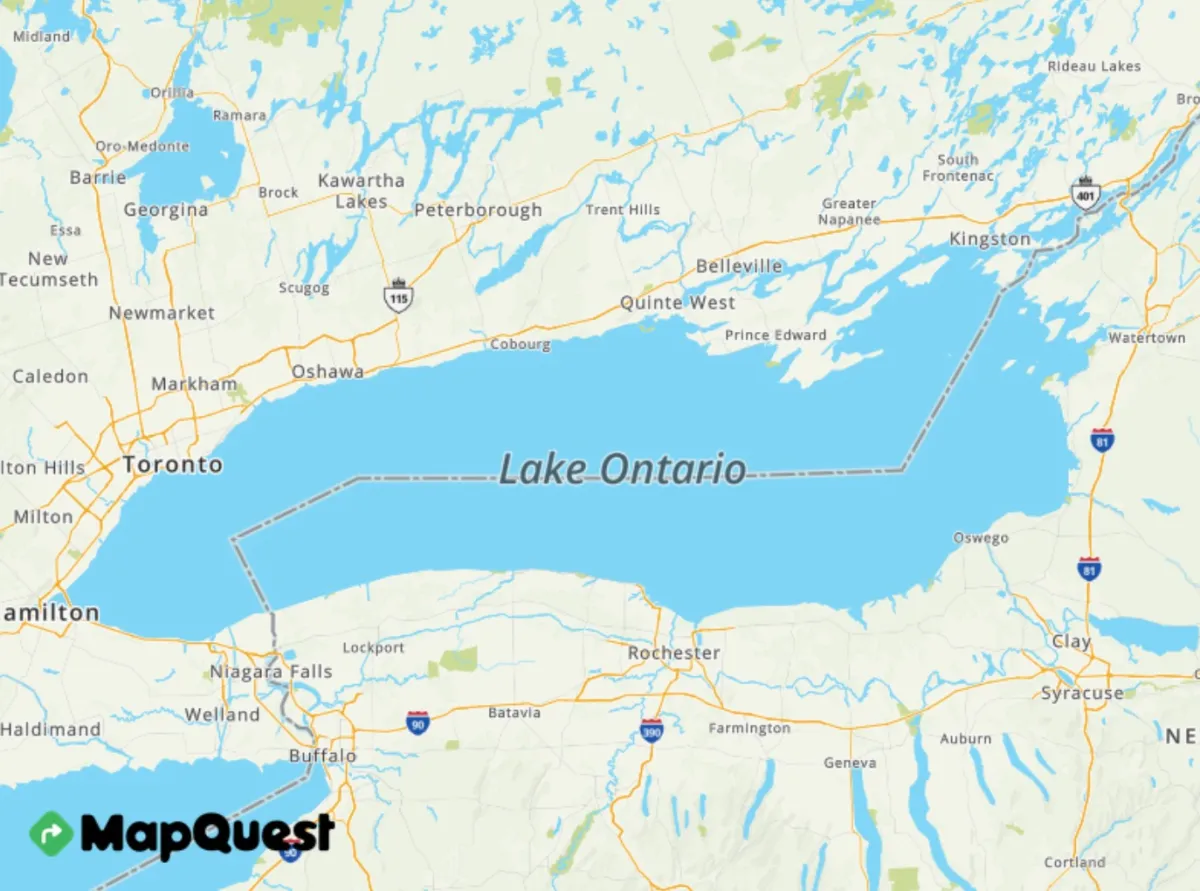
This surge had nothing to do with a dazzling new routing engine or an aggressive subscription discount. It was a consumer protest expressed through the most low-friction tool available: the App Store download button. MapQuest gave people a small, conspicuous way to register their annoyance with an official naming decision.
Why the MapQuest Lake Ontario stance landed
Geographic names look mundane until they become political. A map is supposed to settle an argument about where you are; it feels distinctly less reassuring when it appears to pick a side in an argument about what a place should be called. That is the opening MapQuest saw with MapQuest Lake Ontario, much as it did during last year’s dispute over the Gulf of Mexico.
Doug Berger, MapQuest’s general manager, put the company’s strategy plainly: “We took the same approach we did with the Gulf of Mexico: be part of the conversation, and give people an app that keeps the names they’re familiar with.” He added that the weekend downloads showed users believed the company “got it right.”
MapQuest also brought back a playful renaming tool that lets visitors assign Lake Ontario a name of their own and share the result. That may sound trivial, but social sharing is doing real work here. The tool turns what could have been a dry cartographic policy dispute into a meme-sized expression of identity. Companies have been chasing that kind of attention for years, often with painfully forced brand posts. MapQuest had the rare advantage of being relevant to the actual dispute.
The broader political backdrop sharpened the reaction. The naming move arrived amid a worsening US-Canada trade dispute, including new US tariffs on Canadian goods and expected retaliation from Ottawa. For Canadian users especially, the MapQuest Lake Ontario decision carried more weight than a label tucked inside a map interface.
Google’s data policy meets a messy public reality
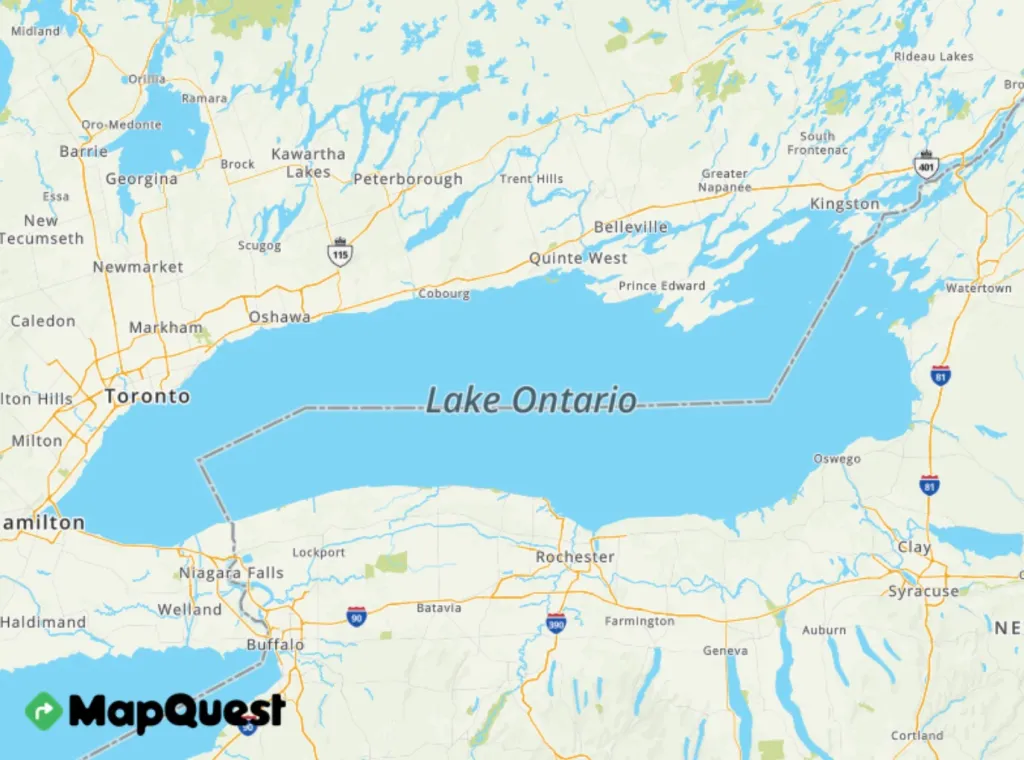
The contrast with Google Maps is instructive. Google said it would follow its established policy of reflecting changes in official government sources. In this case, that source is the US government’s Geographic Names Information System. US users would see ‘Lake America,’ Canadian users would continue to see ‘Lake Ontario,’ and users elsewhere would see both names.
That policy is consistent, and consistency matters for a global information service. Google cannot realistically adjudicate every naming fight on political, historical, or cultural grounds without becoming an editorial board for the planet. The company made a comparable change for the Gulf of Mexico after the prior executive order.
But “we follow the official database” is also not a neutral experience for users. It is an operational rule with a political outcome. When Google Maps changes a familiar label, most people do not see a data-governance decision; they see Google Maps changing the name. That gap between internal process and public perception is where MapQuest Lake Ontario found its audience.
Apple Maps, meanwhile, had not changed the name at the time of reporting and had not publicly explained what it planned to do. Apple’s silence may be temporary, but it creates an unusually visible test. The company will have to decide whether alignment with US federal data outweighs the value of a stable experience for users in two countries that share the lake.
An old mapping brand gets a very current opening
For readers who remember printing driving directions from a desktop browser, yes, this is that MapQuest. The service helped define online directions before smartphones turned live navigation into an everyday utility. It later passed through AOL and Verizon before Verizon sold it to ad-tech company System1 in 2019.
The numbers explain why the surge matters. Sensor Tower estimates MapQuest had about 687,000 worldwide app downloads so far this year, up 29% from the same period a year earlier. Since 2012, it has accumulated 24.4 million downloads, with 97% coming from the US. A single news cycle that adds hundreds of thousands of installs is therefore not merely a flattering chart position; it could materially change the app’s near-term user base.
Whether those people stay is the difficult part. Downloading MapQuest to make a point is easy. Making it your default navigation app means trusting it during a missed highway exit, a late airport run, or an unfamiliar city when your phone is at 12%. The products that win navigation tend to win through habit, location data, traffic intelligence, and years of accumulated confidence.
MapQuest Lake Ontario is a sharp reminder that mature tech markets are not completely closed. Google and Apple have enormous distribution advantages, but their scale can make them rigid when public sentiment turns against a policy. MapQuest has found a way to turn its relative smallness into a point of view. If it can convert this political moment into a genuinely better daily product, the old map brand may have more than a viral weekend on its hands.