

Pharmacy AI automation has moved from conference buzzword to operational priority — and McKesson’s ideaShare 2026 made that unmistakably clear. The annual gathering, which draws independent pharmacy owners, chain operators, and healthcare technology vendors, put artificial intelligence and dispensing automation front and centre this year in ways that would have seemed premature just a few years ago.
- Pharmacy AI automation is central to McKesson’s ideaShare 2026 agenda, signalling a major industry pivot away from manual dispensing workflows.
- McKesson is pushing pharmacy AI automation as a solution to persistent staffing shortages and rising prescription volumes hitting independent and chain pharmacies.
- Automated dispensing technology promises to free pharmacists from repetitive filling tasks, redirecting their time toward direct patient care and clinical services.
- The shift toward AI-driven pharmacy operations reflects a broader healthcare trend of applying machine intelligence to reduce errors and improve throughput.
Table of Contents
The Dispensing Problem That AI Is Being Asked to Solve
To understand why pharmacy AI automation is getting this much attention right now, you have to start with the problem it’s trying to fix. American pharmacies are caught in a genuinely difficult squeeze. Prescription volumes keep climbing — driven by an ageing population, expanded insurance coverage, and the explosion of chronic disease management programmes — while the pool of available pharmacy technicians has thinned out considerably. Burnout is real. Turnover is high. And the administrative weight of filling hundreds of prescriptions a day leaves less and less time for the clinical work that pharmacists are actually trained and licensed to do.
That’s the context McKesson walked into ideaShare 2026 with. And it’s what makes the automation conversation feel less like a tech vendor sales pitch and more like a genuine operational lifeline for operators who are struggling to keep up.
What Pharmacy AI Automation Actually Looks Like on the Floor
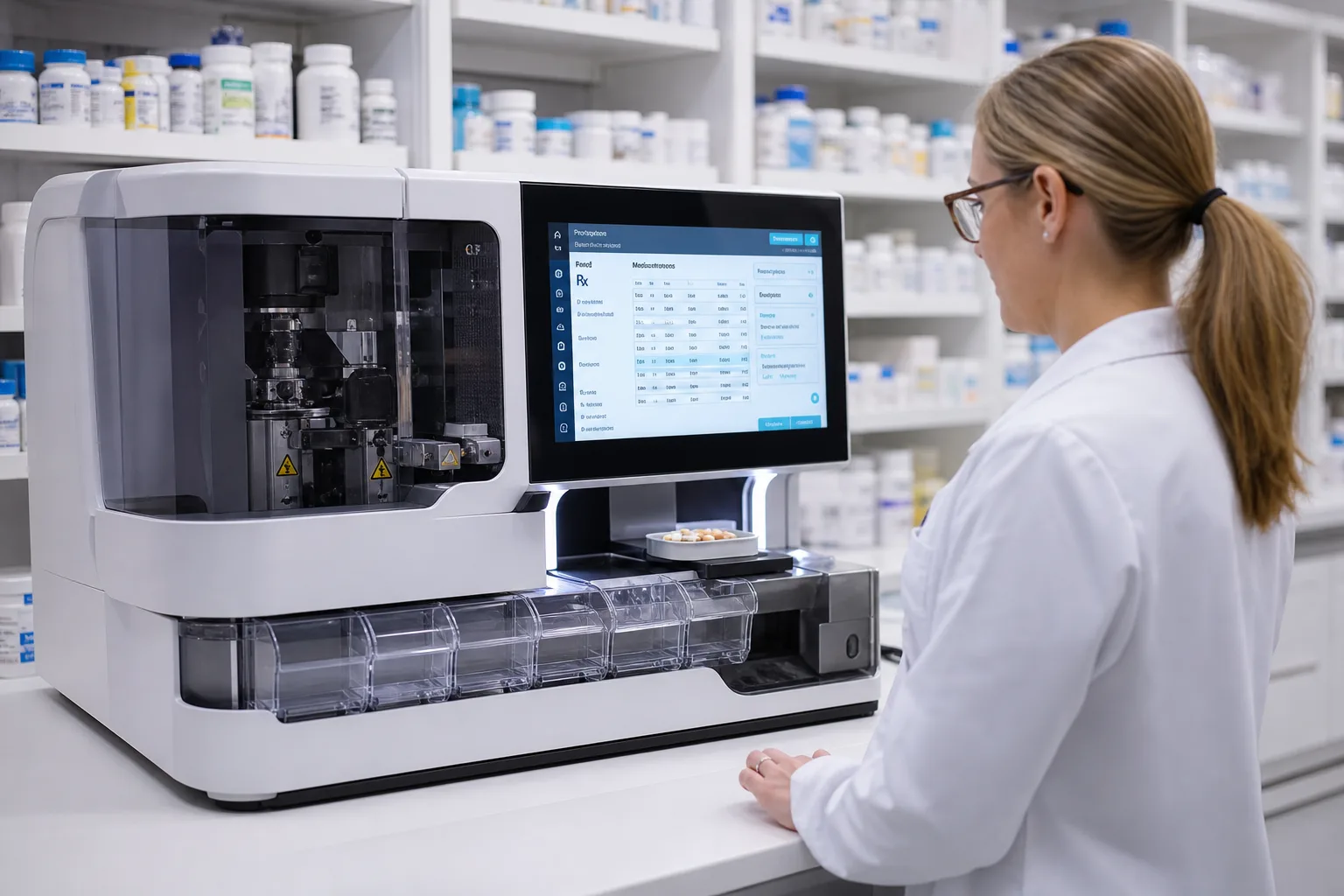
When people hear ‘AI in pharmacy,’ they often picture something futuristic and abstract. The reality being demonstrated at events like ideaShare is considerably more concrete — and, frankly, more immediately useful. Pharmacy AI automation in the dispensing context typically combines robotic pill-counting and packaging hardware with intelligent software layers that handle verification, drug interaction checking, inventory management, and workflow routing.
The software side is where AI earns its keep. Modern dispensing systems can flag potential interactions across a patient’s full medication profile, prioritise fills based on urgency or pickup windows, and learn from historical dispensing patterns to anticipate demand. This isn’t speculative — McKesson’s own pharmacy automation portfolio already includes tools designed around exactly these capabilities, and ideaShare 2026 was partly a showcase for where that product line is heading next.
Robotic dispensing units — which automate the physical act of selecting, counting, and packaging medications — have been in high-volume pharmacy environments for years. What’s changed is the price point and the accessibility. What once required the capital budget of a hospital health system is increasingly within reach for mid-sized independents and regional chains.
Pharmacy AI Automation and the Pharmacist’s Changing Role
Here’s the argument McKesson and its technology partners are making: pharmacy AI automation doesn’t shrink the pharmacist’s role, it expands it. Strip away the hours spent counting tablets and printing labels, and you create capacity for medication therapy management, immunisation programmes, chronic disease screenings, and the kind of face-to-face consultations that drive patient outcomes and, not incidentally, revenue.
It’s a compelling reframe. Pharmacists spend years in clinical training, and deploying that expertise to resolve a pill-count discrepancy is a waste of everyone’s time. Whether the workforce itself is convinced is a separate question — automation announcements in any industry tend to land with some anxiety among the people whose workflows are being ‘optimised.’ But the data from pharmacies that have already deployed dispensing robots suggests that staff retention actually improves when the most tedious parts of the job are removed from the equation.
This mirrors what’s happened in other parts of healthcare. Radiology AI that flags anomalies in scans hasn’t replaced radiologists; it’s changed what radiologists spend their day doing. The pharmacy parallel is reasonably strong.
McKesson’s Broader Play in Healthcare Technology
It’s worth stepping back to consider what McKesson’s aggressive push into pharmacy AI automation says about the company’s direction. McKesson is one of the three largest pharmaceutical distributors in the United States — a business that has historically been about logistics, supply chain, and scale. The pivot toward technology-driven dispensing services represents a deliberate bid to own more of the pharmacy value chain, moving from wholesaler to technology partner.
That’s a significant strategic shift. And it’s one that puts McKesson in closer competition with companies like Omnicell, Parata, and ARxIUM, all of which have been building out automated dispensing hardware and software for years. The ideaShare platform gives McKesson a direct pipeline to pharmacy operators who are already customers — a built-in distribution advantage that pure-play automation vendors don’t have.
For independent pharmacy owners specifically, the McKesson relationship is often a financial and operational lifeline. Access to automation tools through an existing wholesale partnership lowers the friction of adoption considerably. You’re not evaluating a new vendor from scratch; you’re expanding a relationship you already depend on.
Where This Is All Heading
Pharmacy AI automation is still early in its real-world deployment curve, particularly outside of large chain environments. The technology at ideaShare 2026 reflects where the leading edge is today — but the more interesting story is the rate of change. Software capabilities that required expensive custom integration two years ago are now showing up as standard features. Hardware costs are declining. And the regulatory environment, while still complex, is becoming more accommodating of automated dispensing processes as the evidence base for safety and accuracy builds up.
The pressure on pharmacies isn’t going away. If anything, the next decade will intensify it — more prescriptions, tighter margins, higher patient expectations, and a healthcare system that increasingly wants pharmacists to function as clinical access points rather than just pill dispensers. Pharmacy AI automation is one of the few levers that addresses all of those pressures simultaneously.
McKesson is betting that the pharmacies that move earliest on this will be the ones still standing in ten years. Based on what ideaShare 2026 put on display, that bet looks increasingly well-placed.
Frequently Asked Questions
What is pharmacy AI automation and how does it work in dispensing?
Pharmacy AI automation uses machine learning and robotic systems to handle prescription sorting, counting, labelling, and dispensing with minimal human input. The technology cross-references patient data, drug interactions, and inventory in real time, reducing manual errors and speeding up fulfilment for pharmacists managing high prescription volumes.
What did McKesson showcase at ideaShare 2026?
McKesson’s ideaShare 2026 focused on AI and automation tools designed to modernise the pharmacy dispensing workflow. The event highlighted technologies aimed at reducing pharmacist workload, improving accuracy, and enabling pharmacy staff to spend more time on patient-facing clinical roles rather than back-counter filling tasks.
Does pharmacy automation replace pharmacists?
No — the general position is that automation handles repetitive, lower-judgement tasks in the dispensing process. Pharmacists are repositioned toward clinical consultations, medication therapy management, and patient counselling, roles that require human expertise and licensure.
How widespread is AI adoption across retail and independent pharmacies?
Adoption is accelerating but uneven. Events like McKesson ideaShare are partly designed to help pharmacy operators learn about AI and automation tools and how they can be applied to modernise dispensing workflows.

