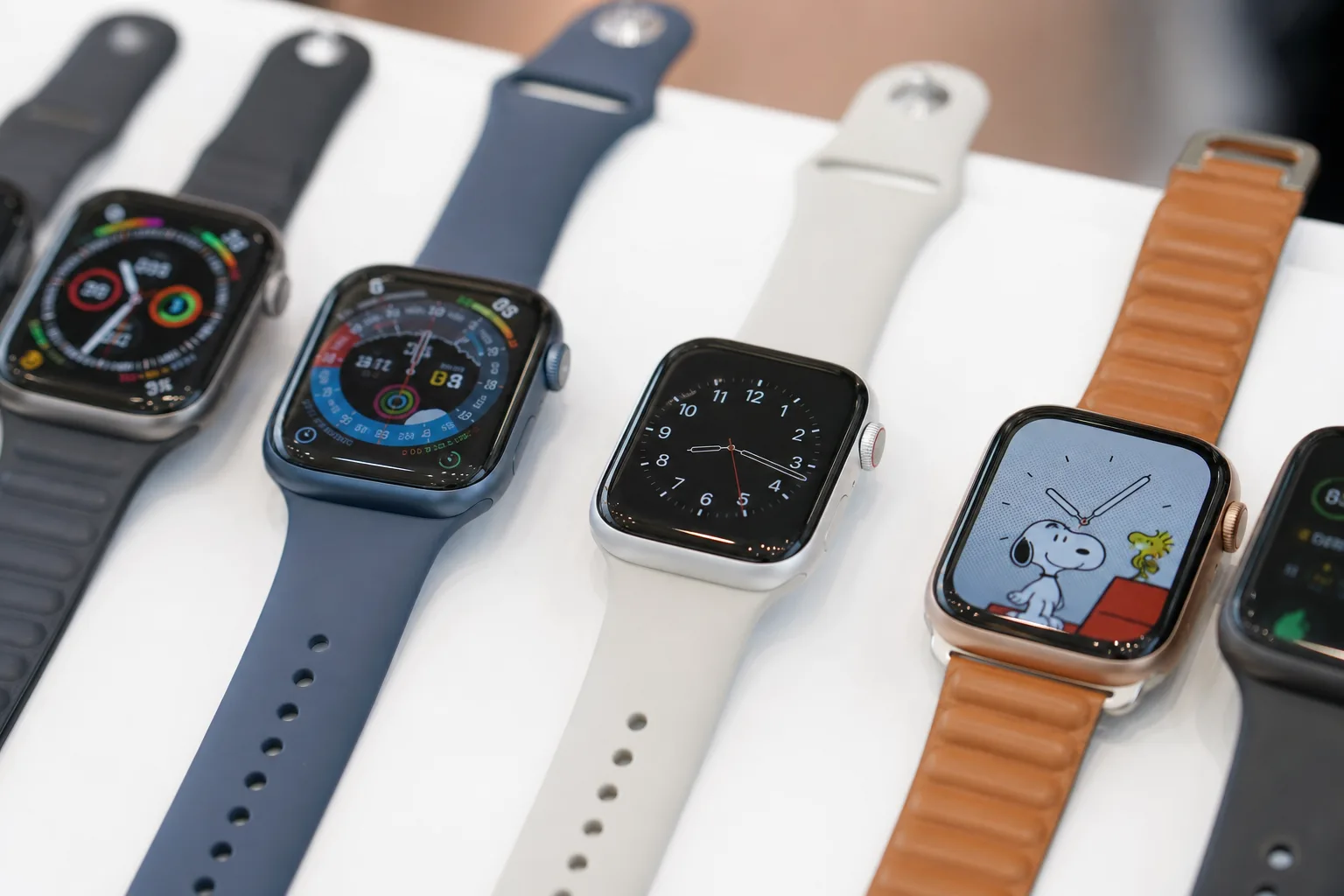
Apple confirmed last week that watchOS 27 will cut off five Apple Watch models from full software support — and now we have a clearer picture of exactly why Apple made that call. It’s one of the biggest compatibility purges the platform has seen in a single release cycle, and it touches everything from a three-year-old mid-ranger to the original Apple Watch Ultra.
- watchOS 27 drops Apple Watch Series 6, 7, 8, SE 2nd gen, and the original Ultra from compatibility.
- Apple says watchOS 27 features like Siri AI require the processing power found in Series 9 and later.
- Dropped models can still pair with iPhones running the latest iOS and will continue receiving security updates.
- watchOS 27 public beta arrives in July, with a full release expected for everyone this fall.
Table of Contents
Which Apple Watch Models watchOS 27 Leaves Behind
The list of devices losing support is broader than usual. watchOS 27 will not run on the Apple Watch Series 6, Series 7, or Series 8. It also drops the Apple Watch SE (2nd generation) and — perhaps most eyebrow-raising — the first-generation Apple Watch Ultra, the flagship model Apple launched with considerable fanfare back in 2022.
For context on the scale of this cut: the Series 6 launched in September 2020, which makes it roughly six years old at the point of exclusion. That’s a reasonably long run, though Apple has historically pushed software support further than most Android OEMs. Losing the original Ultra stings more — it’s only a few years old and was positioned as the toughest, most capable Apple Watch ever made at its launch. Owners who paid a premium for that device will now be running older software.
The watches that will run watchOS 27 are:
- Apple Watch SE (3rd generation)
- Apple Watch Series 9
- Apple Watch Series 10
- Apple Watch Series 11
- Apple Watch Ultra 2
- Apple Watch Ultra 3
The Official Reason: Processing Power, Not a Policy Shift
Apple rarely explains its compatibility decisions in granular detail, so the interview TechRadar conducted with Cait Dooley — Apple’s Watch and Health Product Marketing Manager — is genuinely useful. Dooley’s explanation is straightforward: the headline features in watchOS 27 simply need more silicon than the older chips can provide.
“With every software release across every single one of our platforms, we always want to ensure that you have the best experience, so we make power and performance a priority. The great new features in watchOS, including the capabilities of Siri AI and the new tap gesture, work best with the processing power that is in Apple Watch Series 9 and later, Ultra 2 and later, and SE 3. Older devices can still be paired with iPhones that are running the latest software and continue to receive security updates, so they can continue to have a great Apple Watch experience.”
The through-line in Dooley’s comments is Apple’s familiar ‘best experience’ framing — a phrase the company reaches for consistently when drawing a line in the sand. What’s different this time is the specific call-out of Siri AI as a driver. Apple has been steadily rebuilding Siri’s architecture with on-device intelligence, and the computational overhead of running a capable AI model on a device as small as a watch is non-trivial. The S9 chip (and its successors) includes a more capable Neural Engine than the S6 and S7 chips powering the dropped models, and that gap apparently became impossible to paper over with software optimisation.
What watchOS 27 Actually Brings to the Table
It helps to understand what Apple is asking these chips to carry. watchOS 27 introduces Siri AI with a dedicated app — a significant architectural change from Siri’s current role on Apple Watch, where it functions more as a voice shortcut layer than a true AI assistant. There’s also a new dynamic app grid that rethinks how apps are surfaced and arranged on the watch face, an overhauled Workout Buddy feature, and a new tap gesture that extends the double-tap interaction model Apple introduced with Series 9.
None of these are cosmetic tweaks. The Siri AI integration in particular represents Apple’s clearest statement yet about where the watch platform is heading — toward an always-available, context-aware assistant on your wrist rather than a notification relay for your iPhone. That vision requires compute headroom, and the Series 6 through Series 8 chips don’t have enough of it.
watchOS 27 and the Broader Question of Device Longevity
Apple tends to fare well in longevity comparisons with rivals — a flagship Android smartwatch from 2020 would have fallen off the update cycle long before now. But that reputation creates its own expectations, and losing the original Ultra will rankle some loyal customers who shelled out $799 for a device that’s barely had time to earn a scratch on its titanium case.
The pattern here also mirrors what Apple has been doing on iOS. With iOS 18 and now the intelligence features rolling through iOS 19 territory, Apple has used neural engine capability as the primary filter for which devices make the cut. The A12 Bionic was the cutoff for Apple Intelligence on iPhone. On Apple Watch, the S9 chip appears to be playing an equivalent role in the watchOS 27 era.
It’s a defensible position technically, but it does raise a broader question the industry hasn’t fully reckoned with: as AI features become the headline reason to upgrade software, the effective lifespan of premium hardware gets shorter regardless of how well it’s built. A device that runs perfectly and does everything its owner needs can still find itself cut off because a new software feature needs a newer chip — not because the old chip is broken, but because it isn’t fast enough for what’s next.
Timeline: When You Can Get watchOS 27
watchOS 27 is currently in developer beta, which means the usual small-scale testing phase before Apple opens the doors wider. A public beta is expected to land in July, giving non-developers a chance to try the new features on compatible hardware ahead of the full release. The final public rollout is scheduled for fall, almost certainly timed alongside the annual iPhone and Apple Watch hardware announcements.
If your Apple Watch made the cut, the new Siri AI features and updated interface are worth watching closely — pun acknowledged. If it didn’t, the security update commitment Dooley confirmed at least means your device won’t become a liability to use, even if it won’t be getting any smarter. Whether that’s good enough is a question only your wrist can answer.