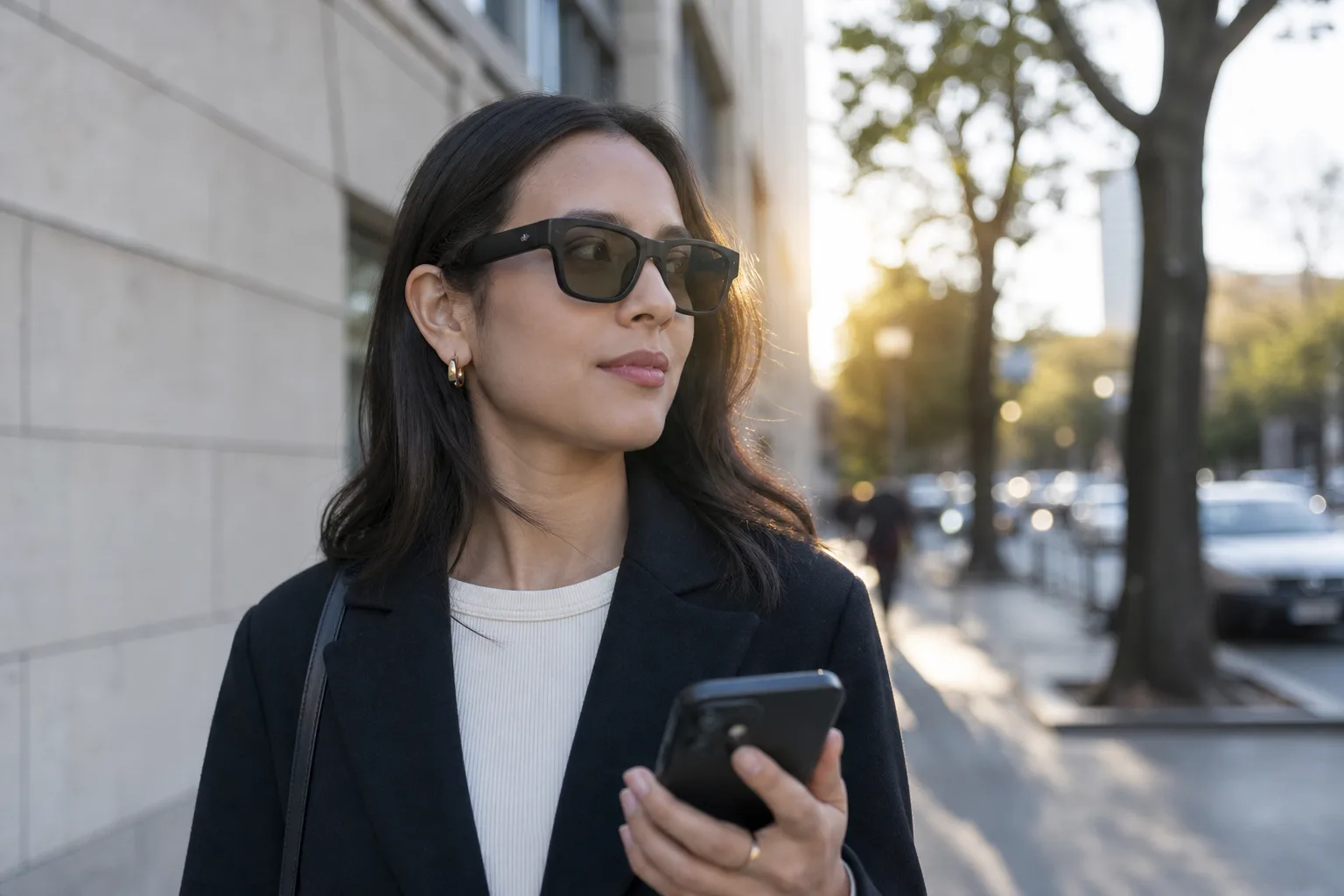
- Samsung smart glasses are designed to work alongside a Galaxy phone, not replace the smartphone in your pocket.
- Samsung smart glasses will send demanding AI work to connected phones, keeping the frames light enough to wear every day.
- Samsung says it has put the eyewear through tests for drops, cosmetics, weather exposure, and the kind of hinge wear inspired by its foldables.
- Privacy safeguards are meant to stop recording if the wearer covers the indicator or takes off the glasses.
Table of Contents
Samsung smart glasses put the phone back at the center
The most revealing detail about Samsung smart glasses may be what they are not trying to do. Samsung does not appear interested in selling a fantasy where a pair of frames makes the smartphone disappear. Its first intelligent eyewear is being framed as an accessory to the Galaxy phone already in your pocket — and, frankly, that is a more believable pitch than the industry’s recurring post-phone sermon.
Speaking after Galaxy Unpacked in London, Samsung Electronics XR research and development chief Choi Jae-in described the product as “an extension of the experience centered on the smartphone, rather than being a post-smartphone device.” That sentence sounds cautious. It is also strategically sharp.
Meta has spent years promoting glasses as the next computing platform, first through Ray-Ban Stories and now through AI-equipped Ray-Ban Meta models. There is logic to that ambition: a camera, microphones and an assistant placed on your face can be more immediate than fishing a handset from a pocket. But people have heard grand replacement claims before. Remember when tablets were meant to replace PCs, or when Google thought Stadia could dissolve the need for local hardware? The old device usually hangs around longer than the keynote suggests.
Samsung is acknowledging that reality. Phones remain where our messages, identity, apps, photos, payment credentials and cellular connection live. They also have batteries and thermal headroom that a fashionable pair of glasses simply cannot match. A companion device has less magic in the marketing copy, perhaps, but a much better chance of becoming something people actually wear.
Why Samsung smart glasses are splitting the workload
For Samsung smart glasses, the technical trade-off is straightforward. Samsung plans to use Qualcomm’s Snapdragon AR1 platform in the glasses, while relying on a paired Galaxy phone for heavier processing such as AI translation, navigation and image work. Choi said stuffing enough compute into lightweight frames would compromise comfort, which is hard to dispute. Nobody wants a miniature laptop balanced on their nose by lunchtime.
This split-computing design does create a constraint: Samsung smart glasses will be only as useful as the phone connection behind them. Leave the Galaxy handset at home and the glasses may lose much of their intelligence. That is a compromise, but it is one most buyers already understand from smartwatches, wireless earbuds and even many car systems. The question is not whether the glasses can do everything alone. It is whether they remove enough tiny bits of friction during the day to justify charging, carrying and wearing another device.
Samsung’s answer rests on the broader Galaxy ecosystem. A Galaxy Watch could handle gestures for a photo, music controls or calls; Galaxy Buds could take over audio; apps including Samsung Notes, Gmail and Google Maps are expected to move between screens and form factors. Samsung has a genuine advantage here because it sells each piece of that puzzle. Apple has made the same ecosystem argument for years, while Meta must build around the phone platforms controlled by Apple and Google.
There is a catch, though. Ecosystems are valuable only when the handoffs feel dependable rather than theatrical. A gesture to snap a photo sounds handy. A gesture that fires after you have already lowered your hand is the sort of feature users abandon in two days. Samsung needs to make the boring fundamentals — pairing, notifications, audio switching and voice commands — almost invisible.
Durability and privacy are the parts that matter in public
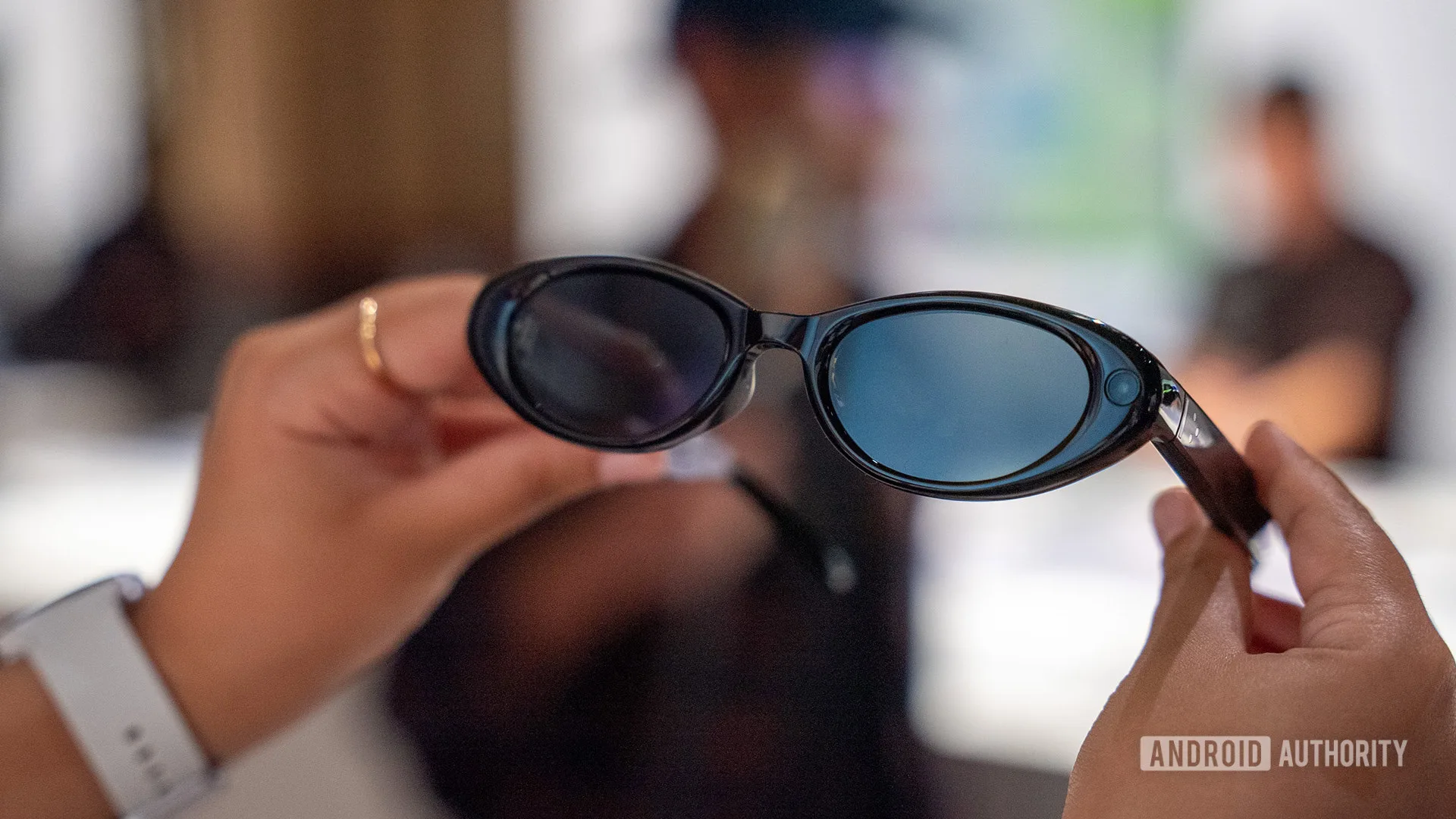
Samsung is also talking unusually loudly about build quality. Choi said the frames have received phone-grade testing for drops, outdoor exposure, sunscreen and cosmetics, plus hinge evaluations informed by Samsung’s foldable-phone work. The company says it created more than 20 additional test methods specifically for smart glasses.
That is not glamorous, but it matters. Eyewear gets sat on, tossed into bags, exposed to sweat and smeared with whatever is on your hands. A premium wearable that feels fragile is not a premium wearable; it is an expensive anxiety machine. If Samsung smart glasses are meant for all-day use, durability is as central as battery life.
Privacy may be the harder problem. Camera-equipped glasses make bystanders uneasy for a reason: a phone held upright signals recording, while a person wearing ordinary-looking frames may not. Samsung says about 10% of its relevant patents concern privacy and misuse prevention. Its stated protections include blocking recording when someone tries to cover the recording indicator or when the glasses are not being worn.
Those protections are sensible, assuming they work reliably, but they will not settle every concern. The social contract around wearable cameras remains unsettled, especially as AI features make captured images and spoken prompts more useful to the wearer and less legible to everyone nearby. Meta’s Ray-Ban glasses have already pushed this issue into the mainstream. Samsung will need clear indicators, firm defaults and candid explanations of where visual and voice data goes. Hardware policies should not require a law degree to understand.
For readers who want Samsung’s own view of its connected-device strategy, the company’s Galaxy product pages offer the broader ecosystem context, though the real proof will come once these glasses reach people outside a controlled demo.
A premium bet on normal-looking eyewear
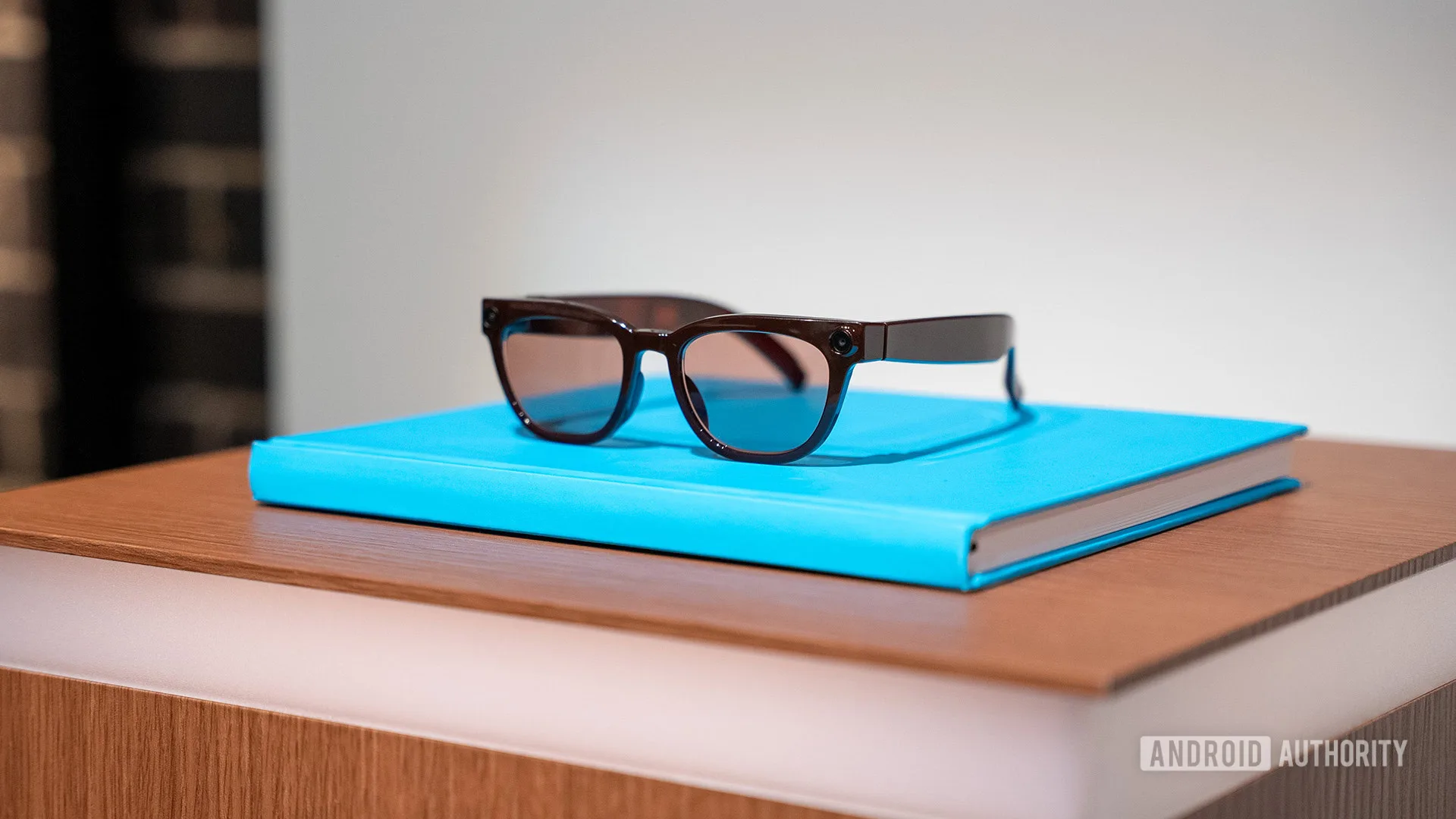
Samsung has confirmed partnerships with Gentle Monster and Warby Parker, a decision that hints at the company’s priorities. The first models are expected to sit in the premium tier, with Samsung promising a “reasonable” price rather than naming one. They reportedly offer up to nine hours of battery life and lean toward understated frames instead of overtly futuristic styling.
That fashion-first restraint could be the company’s strongest choice. Smart glasses fail when they announce themselves before they help you. Samsung smart glasses do not need to look like a prop from a science-fiction set; they need to survive a commute, work with the Galaxy phone, and avoid making their wearer look like they volunteered for a beta test.
My read is that Samsung is making a pragmatic wager while Meta chases a larger one. It is betting that the smartphone will remain the personal-computing anchor for years, and that Samsung smart glasses can earn their place as a convenient second screen for ears, eyes and voice. If the experience is polished, that is not a compromise. It may be the only version of smart eyewear people are ready to live with.