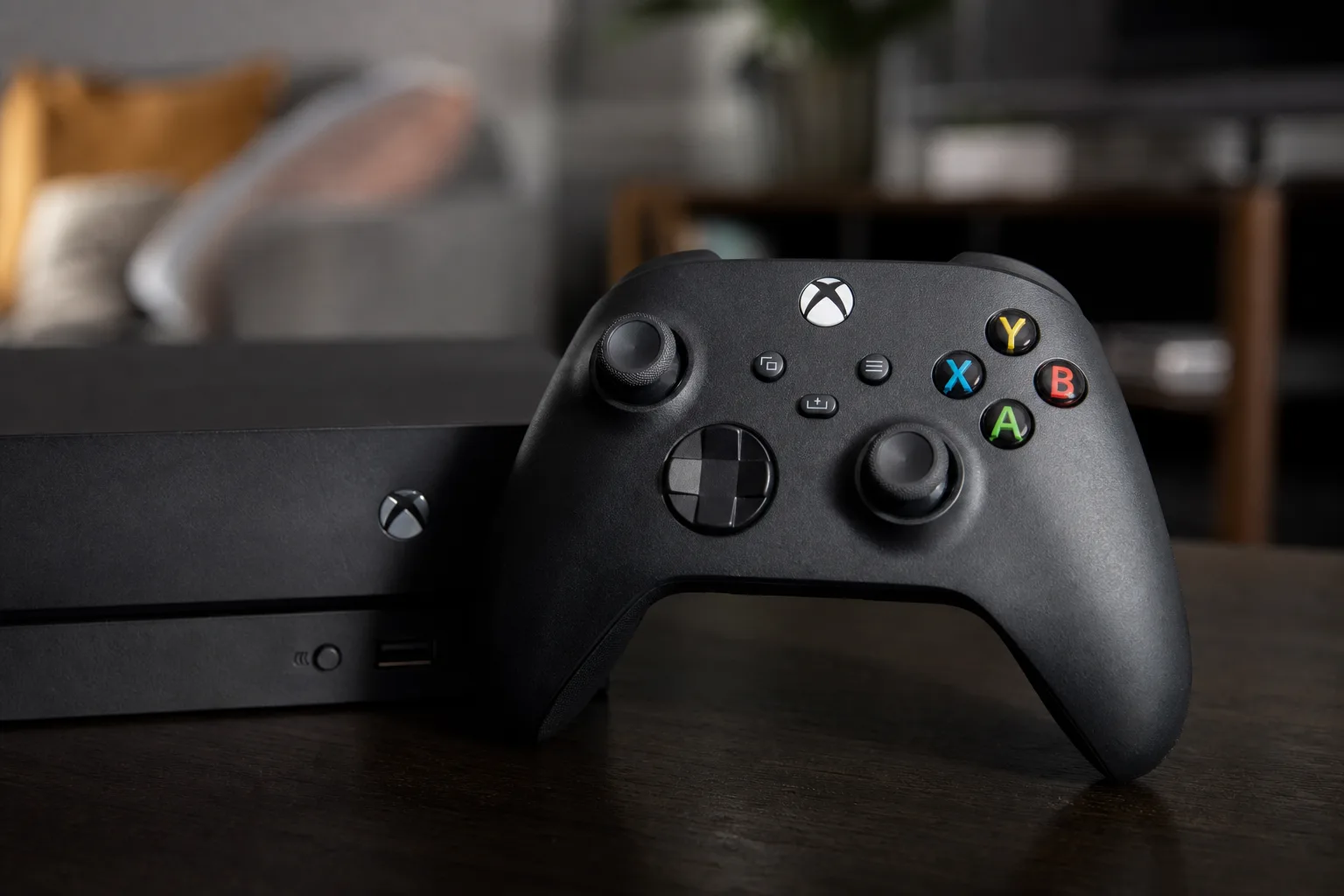
Microsoft is tearing up its console playbook. With memory and storage prices spiralling out of control — an industry-wide supply crunch now being called RAMageddon — the company’s Xbox division is openly questioning whether its existing Xbox business models can survive contact with the next console generation. Two of the most senior people at Xbox have said as much publicly this week, and the picture they’re painting isn’t reassuring for anyone hoping that the next Xbox will simply slot in at $499 like clockwork.
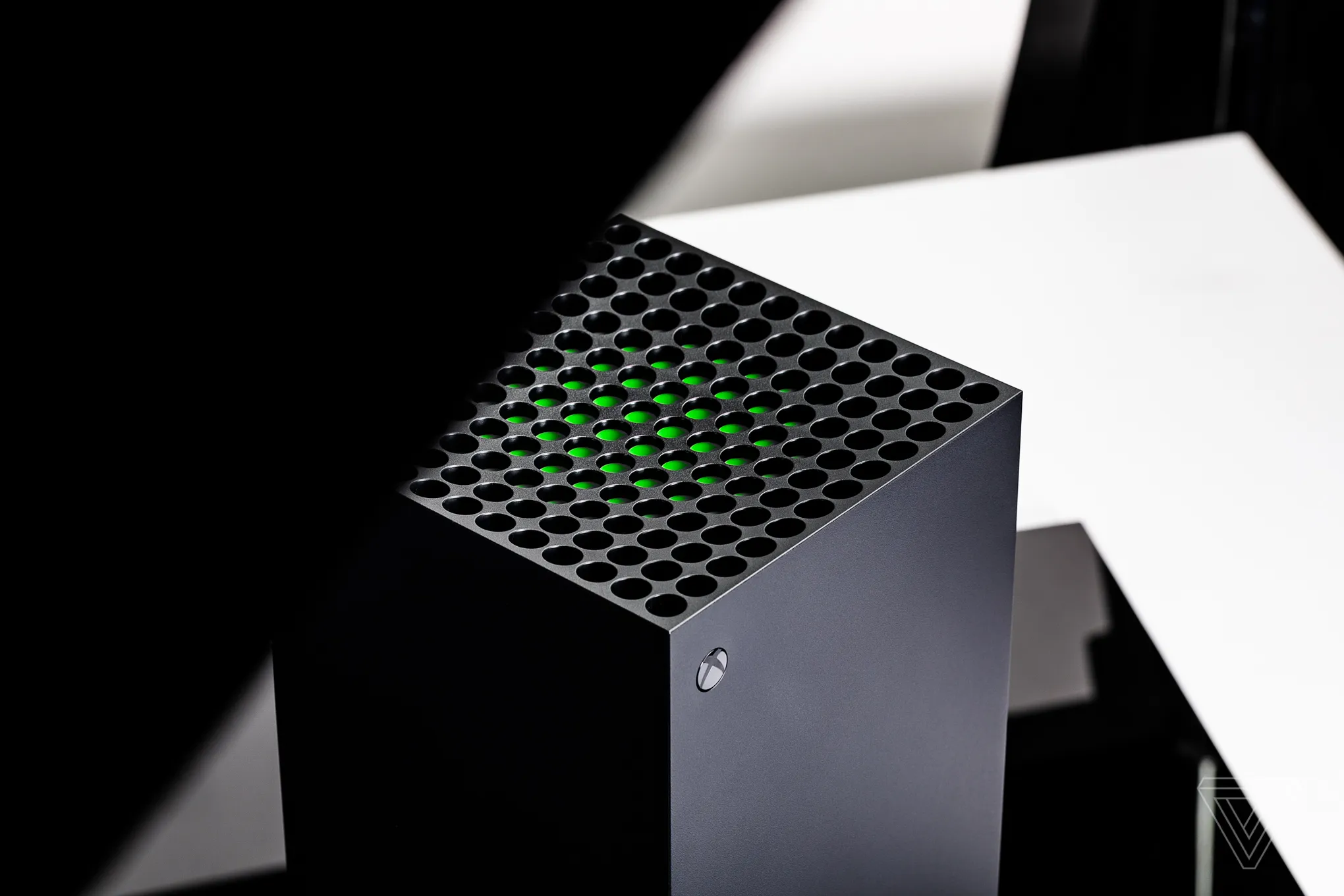
- Xbox business models are being fundamentally rethought as soaring memory costs threaten to price out mass audiences from next-gen consoles.
- Microsoft’s Xbox CEO and strategy chief both confirm Project Helix is being redesigned with affordability and flexibility as top priorities.
- Subscription bundles, third-party hardware partnerships, and ad-supported cloud gaming are all reportedly on the table for Microsoft.
- The wider industry is struggling too — PS5 sales have dropped after price rises, and Valve raised Steam Deck prices by over $200.
Table of Contents
Xbox Business Models Are Under Genuine Pressure
Xbox CEO Asha Sharma was unusually blunt in an interview with Fortune. ‘On hardware, we are in a crisis right now, the entire industry is,’ she said. That’s not the kind of language you hear from platform holders unless the situation is genuinely serious. Sharma went further, saying Microsoft ‘must think about other ways to think about the cost construction of a console’ and ‘how we create different plans, so more people can participate in the console.’ She also flagged partnerships as a route to better distribution and reach. The pressure on Xbox business models, she made clear, is real and immediate.
Meanwhile, Matthew Ball — a member of Xbox leadership speaking to The Game Business — confirmed the company is rethinking everything it can about Project Helix, Microsoft’s next-generation console. Ball said the company is very aware of the need to change current Xbox business models in order to make the console affordable and flexible. That’s a significant pivot from back in October, when former Xbox president Sarah Bond described the upcoming console as ‘a very premium, very high-end curated experience.’ Premium and affordable don’t usually live in the same sentence, which tells you how quickly the calculus has shifted.
What ‘Radically Different’ Could Actually Mean
Sharma put a timeline on the disruption, predicting that ‘radically different business models that we never expected’ will start appearing later this year. So what might that look like in practice when it comes to Xbox business models specifically? A few directions are worth taking seriously.
The most obvious revival would be something resembling Xbox All Access — Microsoft’s discontinued 24-month hardware financing programme that bundled a console with a Game Pass subscription. Retailers pulled out and Microsoft quietly killed it last year, but the logic of spreading hardware costs across a subscription still makes sense when upfront prices are climbing. As one of the more proven Xbox business models in recent memory, a revived version of All Access would at least give consumers a familiar framework. The catch is that Microsoft would need to subsidise hardware more aggressively to make the numbers work for consumers, which is a financial bet the company has historically been reluctant to make at scale.
Then there’s the hardware partnership angle. Microsoft already has an Xbox-branded handheld in the works with Asus, which is a meaningful precedent. If third-party PC manufacturers — think Lenovo, HP, or other AMD-ecosystem partners — can build Xbox-certified devices based on AMD’s forthcoming chips, you get market competition driving prices down rather than a single Microsoft-controlled SKU. Project Helix has long been rumoured to blur the line between console and PC, and a multi-OEM approach would fit neatly into that vision. Licensing hardware to partners is one of the Xbox business models that would represent the sharpest break from the company’s traditional playbook.

The wildcard is advertising. Microsoft has been quietly building a free tier of Xbox Cloud Gaming for over a year, with testing confirmed as far back as October. An ad-supported streaming option lowers the barrier to entry without requiring anyone to buy hardware at all. It’s not a new concept — we’ve seen it work in music and video — but applying it to games at console quality is genuinely uncharted territory for a major platform holder. Among proposed Xbox business models, an ad-supported tier would still not qualify as ‘radically different’ compared to what startups have already proposed; the TV company Telly, for example, gives you a free television in exchange for watching ads on a second screen. Something in that neighbourhood for Xbox would be a real shock to the market.
Project Helix and the Storage Problem
Beyond pricing models, both Sharma and Ball flagged that the hardware design of Project Helix itself needs to change. Sharma was specific about storage: ‘We will have to apply new techniques, so that we can compress that. We will have to empower customers to have very flexible storage offerings.’ That’s almost certainly a reference to moving away from the expensive proprietary expansion cards that Xbox Series S and X owners have had to contend with. Flexible storage is increasingly being discussed alongside flexible Xbox business models as part of the same broader affordability push.
Sony made a different call with the PS5 — standard M.2 SSD slots, compatible with off-the-shelf drives. It was a bit fiddlier to set up, but the cost difference for consumers was dramatic once the M.2 market matured. Microsoft’s expansion cards were genuinely convenient, but convenience has a price, and that price increasingly looks like a mistake in hindsight. If Project Helix ships with standard expandable storage, it would be a quiet but meaningful win for Xbox owners.
The Industry Can’t Escape This
It’s tempting to frame this as a Microsoft-specific stumble, but that would be unfair. RAMageddon is everyone’s problem. Sony has already raised PS5 prices in multiple markets, and the sales data has responded accordingly — volumes have dropped sharply as consumers baulk at the new numbers. Valve raised Steam Deck prices by more than $200 last month, a hike that would have seemed inconceivable at launch. All eyes are now on Valve’s Steam Machine pricing this summer, which could act as a kind of industry barometer for where $300 or $400 buys you in 2025.
The difference with Microsoft is that it’s publicly acknowledging the problem and signalling structural change to its Xbox business models, not just repricing existing hardware. Sharma’s comment that ‘it will be hard to imagine that mass audiences can afford thousands of dollars to spend on a console generation’ is a frank admission that the traditional console business model — sell hardware at a thin margin, make it back on software — is straining under conditions the industry didn’t plan for.
Game Pass Gets Flexible Too
Sharma also hinted that Microsoft is planning to ‘do more this summer’ with Xbox Game Pass to create more flexible subscription offerings. That tracks with recent moves: Microsoft cut the price of Game Pass Ultimate in April, and last month it partnered with Discord to bundle a free Game Pass starter edition with Discord Nitro subscriptions. These feel like early steps in a broader effort to widen the top of the funnel — get more people touching Game Pass in some form, then convert them to paying subscribers over time. Evolving the subscription tier is one of the more tractable Xbox business models available to Microsoft right now, since it doesn’t require new hardware to ship first.
Taken together, the picture Microsoft is sketching is one where the console itself becomes less central to the Xbox proposition. The various Xbox business models being explored — financed hardware, streaming tiers, partner devices, flexible subscriptions — all point toward a platform that tries to meet players where they are rather than demanding a single large upfront purchase. Whether Microsoft can execute on all of that simultaneously — while also shipping a competitive next-gen console on some kind of reasonable timeline — is the real question. The ambition is clear. The delivery is the hard part, and ‘this will take years, not days, not weeks,’ as Sharma herself admitted. The industry will be watching closely to see whether Microsoft’s flexibility becomes a genuine advantage or just a very expensive hedge.
Frequently Asked Questions
What are Microsoft’s new Xbox business models being considered?
Microsoft is exploring subscription bundles, third-party hardware partnerships, ad-supported cloud gaming, and more flexible storage options. The goal is to make consoles affordable for mass audiences at a time when memory and storage costs are rising sharply across the industry.
What is RAMageddon and why does it matter for Xbox?
RAMageddon refers to an industry-wide shortage and price surge in memory and storage components. Xbox CEO Asha Sharma called it a ‘crisis’ affecting the entire games hardware sector, pushing up the cost of building and buying consoles.
Is Project Helix still happening?
Yes. Xbox strategy chief Matthew Ball confirmed Microsoft is ‘committed to shipping’ Project Helix, but the team is rethinking its design and cost structure. The console has been hinted to be some kind of console-PC hybrid, and Microsoft has been exploring having other manufacturers create Xbox-branded devices.
Will Xbox All Access return as part of the new strategy?
It’s possible. Microsoft quietly discontinued Xbox All Access — its 24-month hardware financing programme — last year after retailers pulled out. Given the renewed focus on affordability, a similar subscription-financed hardware scheme could resurface, potentially with greater Microsoft subsidies.