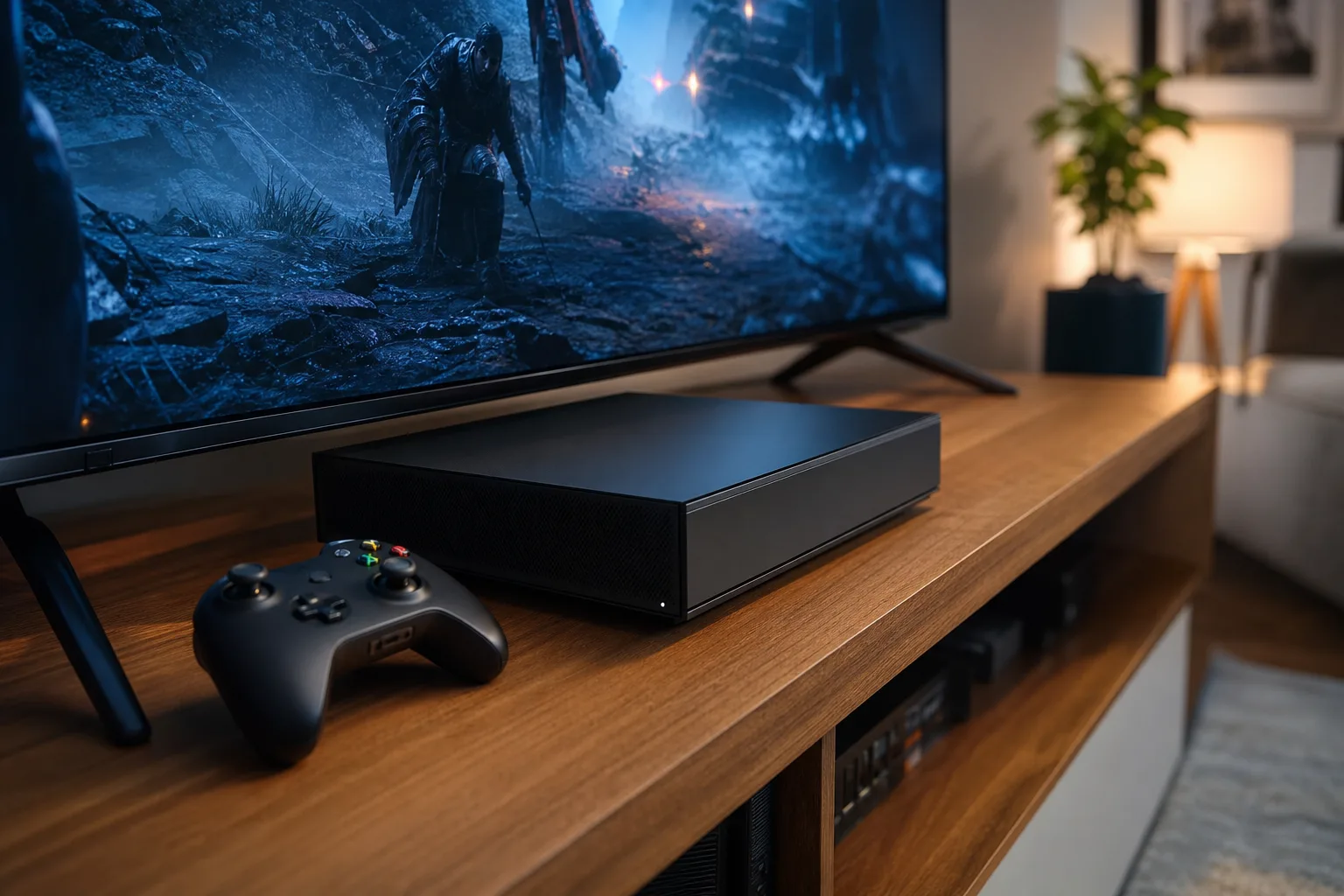
Game console prices have been creeping upward for years, but 2025 is starting to feel like the moment the dam finally breaks. Valve just revealed what it’ll cost to get its Steam Machine — the company’s ambitious living-room PC — into your home, and the numbers are a bracing reality check for anyone hoping the next generation of gaming hardware stays within reach of a mainstream audience.
- Game console prices are rising sharply, with Valve’s Steam Machine starting at $1,049 — nearly double a PS5 Pro.
- The global RAM shortage is the primary driver pushing game console prices higher across PC and traditional platforms.
- Valve openly refuses to subsidize its hardware, unlike Sony and Microsoft who absorb losses to attract players.
- Xbox’s Project Helix and the PS6 may launch at prices that price out mainstream audiences entirely.
Table of Contents
What the Steam Machine Actually Costs
The Steam Machine starts at $1,049 for a 512GB model, climbing to $1,128 if you add a Steam Controller. Want the 2TB version? That’s $1,349, or $1,428 with the controller bundled in. These aren’t arbitrary markups — Valve is being unusually transparent about why game console prices have reached this level. The company had already delayed the device in February specifically because of the ongoing global RAM shortage, a crisis that has sent memory costs spiraling across the entire tech industry.
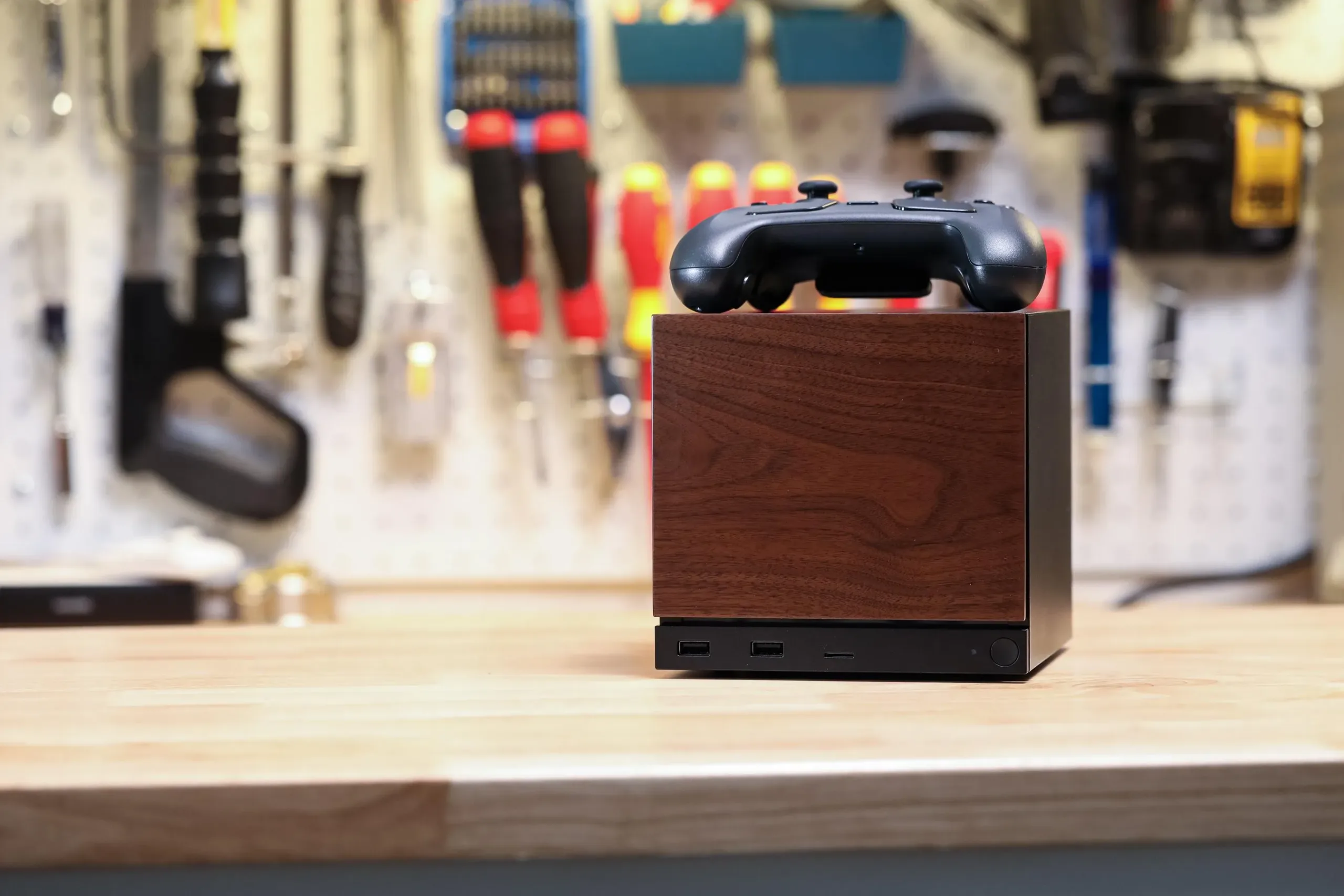
To put those numbers in context: a 2TB Xbox Series X currently retails at $729.99. A PS5 Pro will cost you $899.99. The Nintendo Switch 2, which arrives in September, starts at $499.99. The Steam Machine isn’t just more expensive than its console competition — it’s dramatically more expensive, and that gap is hard to ignore when Valve is pitching this thing as a living-room device that sits comfortably next to your TV. Game console prices at this level were almost unthinkable just a few years ago.
Game Console Prices and the RAM Crisis Driving Them
The elephant in the room — and the reason game console prices are becoming a genuine talking point across the industry — is the global RAM shortage. This isn’t a Valve-specific problem, and it isn’t a gaming-specific problem. Even Apple, a company with a market capitalisation in the trillions, recently signalled it would need to raise prices because the situation around memory costs has become, in its own words, ‘unsustainable.’ When Apple starts sweating component costs, you know the pressure is real.
For gaming, the ripple effects have been wide. PC component prices have spiked. The Steam Deck, once a relatively affordable handheld, is no longer the bargain it was at launch. And traditional console makers — Sony and Microsoft — are finding it harder to do what they’ve historically done best: sell hardware at a loss and make the money back on games and subscriptions over time. Game console prices are caught in the crossfire of a component crisis that shows no sign of easing quickly.
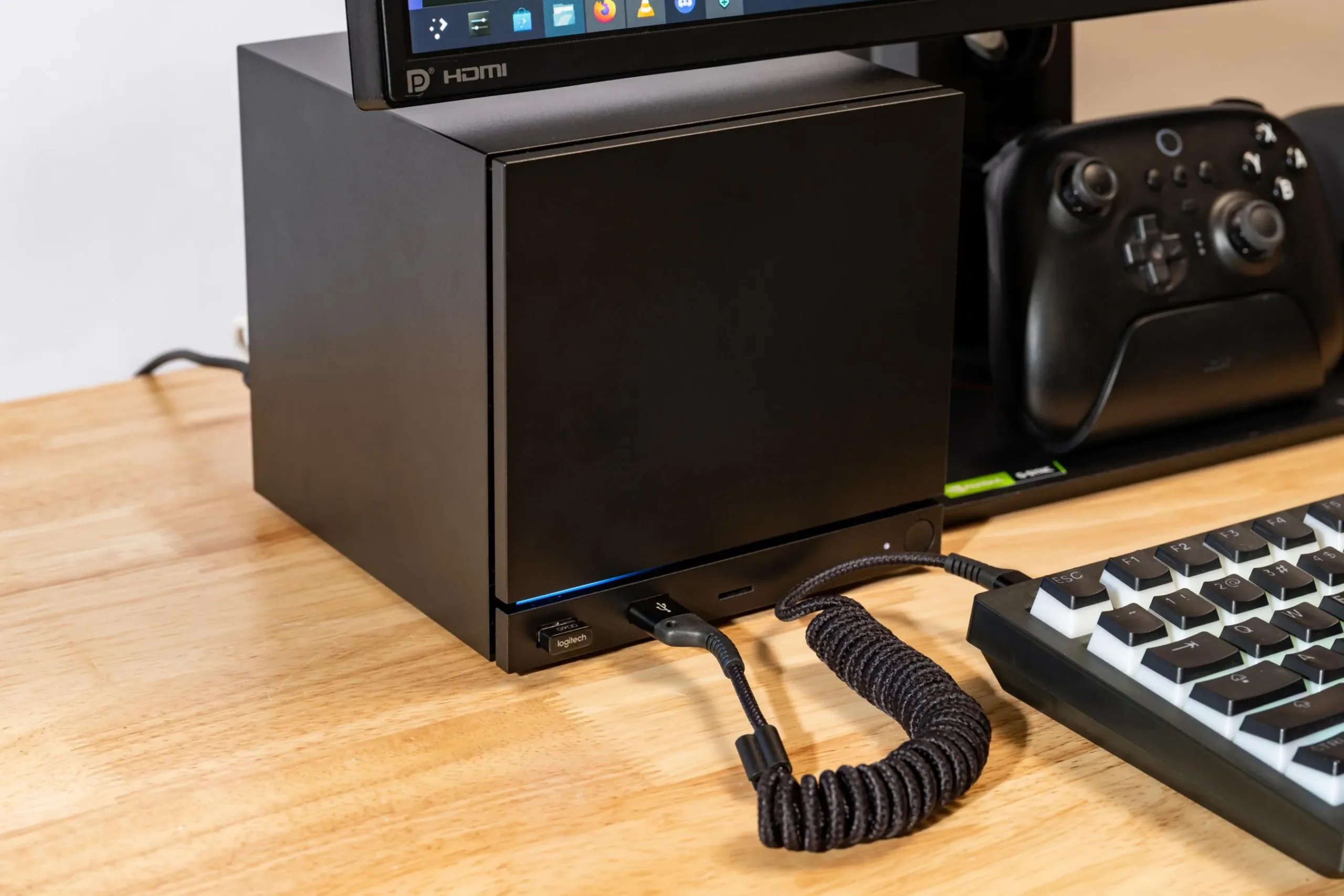
Valve’s position here is at least honest. In a blog post explaining its pricing philosophy, the company drew a clear line between itself and traditional console manufacturers: ‘We think of Steam Machine as an extension of PC gaming, not as a console. The traditional console model is to sell hardware at a loss and make up the revenue with subscription services or by selling games that are locked-in to the hardware. We think this can make sense for a single business in the short term but that open ecosystems are better for customers over the long term.’
That’s a principled stance, and arguably a correct one from a long-term industry health perspective. But it doesn’t make the price tag easier to swallow.
Are You Actually Getting More for the Money?
The honest answer is: not in the ways you might expect. The Steam Machine’s access to Steam’s enormous game library — thousands of titles, years of sales history, a back-catalogue that dwarfs any console storefront — is a genuine, meaningful advantage. If you already have hundreds of games on Steam, this device suddenly makes a lot more sense. Still, when game console prices climb this high, buyers reasonably expect a proportional leap in what the hardware delivers.
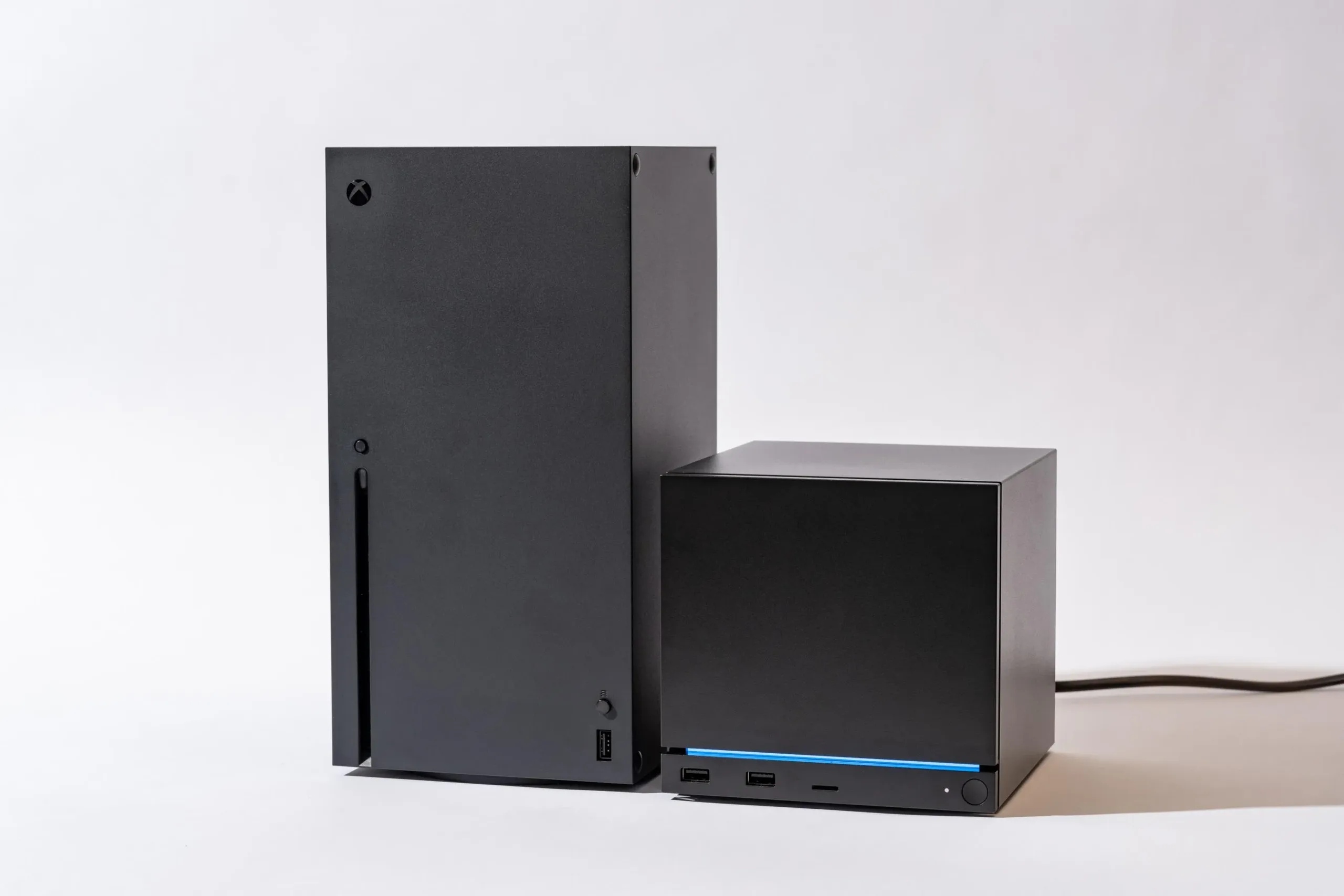
But raw performance? That’s where things get awkward. The Verge’s Sean Hollister, in his Steam Machine review, put it plainly: ‘you aren’t getting a significant boost in performance over the 5.5-year-old Sony PS5 you can still buy today.’ So you’re spending roughly twice what a PS5 Pro costs, and you’re not walking away with twice the performance. That’s a tricky sell for anyone who isn’t already invested in the PC gaming ecosystem.
The Steam Machine makes the most sense for a specific kind of buyer: someone who wants the flexibility and openness of PC gaming but prefers it delivered via a box under the TV rather than a full desktop rig. That’s a real market. It’s just not a mass market — and that distinction matters enormously when we start thinking about where game console prices are headed next.
What This Means for the PS6 and Xbox’s Project Helix
Here’s where the Steam Machine stops being just a Valve story and becomes an industry story. If a device positioned as a living-room gaming PC is launching at $1,049 today — during a RAM shortage that shows no immediate sign of easing — what does that imply for game console prices on the next PlayStation and Xbox?
Sony already has a data point worth paying attention to. In May, the company announced PS5 sales were down 46 percent year over year, following a price increase that pushed the base PS5 to $649.99 — $150 more than its 2020 launch price. Consumers noticed. They responded by buying fewer consoles. Now imagine the conversation Sony has to have internally if the PS6 needs to launch anywhere near $1,000 to be profitable.
Microsoft’s situation is, if anything, even more complicated. The company is currently navigating a period of significant internal turbulence, and the next Xbox — codenamed Project Helix — has been a slow drip of carefully managed information. Initially described as a ‘premium’ device that would blur the line between console and PC, reports now suggest those plans have been revised, with game console prices cited as a major factor in the decision. Xbox CEO Asha Sharma recently offered a candid assessment of where things stand: ‘I think we’ve reached a point where it will be hard to imagine that mass audiences can afford thousands of dollars to spend on a console generation, and so I think we will start to see radically different business models that we never expected start to come into orbit later this year.’
That phrase — ‘radically different business models’ — is doing a lot of heavy lifting. It could mean deeper subscription integration, it could mean cloud-first strategies that reduce dependence on expensive local hardware, or it could mean something nobody has publicly articulated yet. Sony, for its part, has said very little about the PS6 beyond hinting at new GPU technology last year, technology that’s presumably going to be considerably more expensive to integrate now than it would have been before the memory market deteriorated.
A Niche Future for a Once-Mass-Market Industry
Gaming consoles have never been cheap in absolute terms, but they’ve historically been affordable enough to reach enormous audiences. The Nintendo Switch has sold over 150 million units. The PS5 has topped 90 million. Those numbers reflect devices that, whatever their shortcomings, people could reasonably justify buying. The Steam Deck — a genuinely well-regarded piece of hardware — sells in far smaller volumes, and that’s partly because it was always priced a step above where casual buyers are comfortable. Sustained increases in game console prices risk pushing the next generation into that same niche territory.
The Steam Machine will almost certainly trace a similar trajectory: respected, capable, and fundamentally niche. That’s fine for Valve, which operates a different business model and doesn’t need to shift 100 million units to justify its hardware investments. It’s a much bigger problem for Sony and Microsoft, whose entire ecosystems — developer relationships, first-party studio investments, subscription revenue — depend on reaching the kind of scale that only comes from selling to mainstream buyers.
If game console prices continue rising at the current pace, and if neither Sony nor Microsoft finds a way to meaningfully absorb those costs, the next generation of gaming could look less like a mass-market entertainment product and more like a premium hobby. That would be a seismic shift for an industry that’s spent three decades trying to expand its audience, not contract it. The Steam Machine’s $1,049 price tag is one data point. But it’s a data point that points in a very uncomfortable direction.
Frequently Asked Questions
Why are game console prices increasing so much right now?
A global RAM shortage is the main culprit, driving up costs for PC components, handhelds, and traditional consoles alike. Even Apple has cited ‘unsustainable’ RAM prices as a reason to raise its own product prices. Valve delayed the Steam Machine in February specifically because of this memory crisis.
How much does the Steam Machine cost compared to a PS5 or Xbox?
The entry-level Steam Machine starts at $1,049, or $1,128 bundled with a controller. By comparison, a PS5 Pro is $899.99 and a 2TB Xbox Series X is $729.99. The Nintendo Switch 2, launching in September, will be the most affordable at $499.99.
Does the Steam Machine outperform a PS5 for that higher price?
Not meaningfully. According to a colleague’s Steam Machine review, the device doesn’t deliver a significant performance boost over the PS5, despite costing nearly twice as much. You’re paying a premium largely for PC openness and access to Steam’s library, not raw speed.
What is Project Helix and how does it relate to game console prices?
Project Helix is Microsoft’s codename for its next Xbox. Originally pitched as a premium hybrid between a console and a PC, plans appear to have shifted due to pricing concerns. Xbox CEO Asha Sharma has suggested radically different business models may be needed as hardware costs soar.