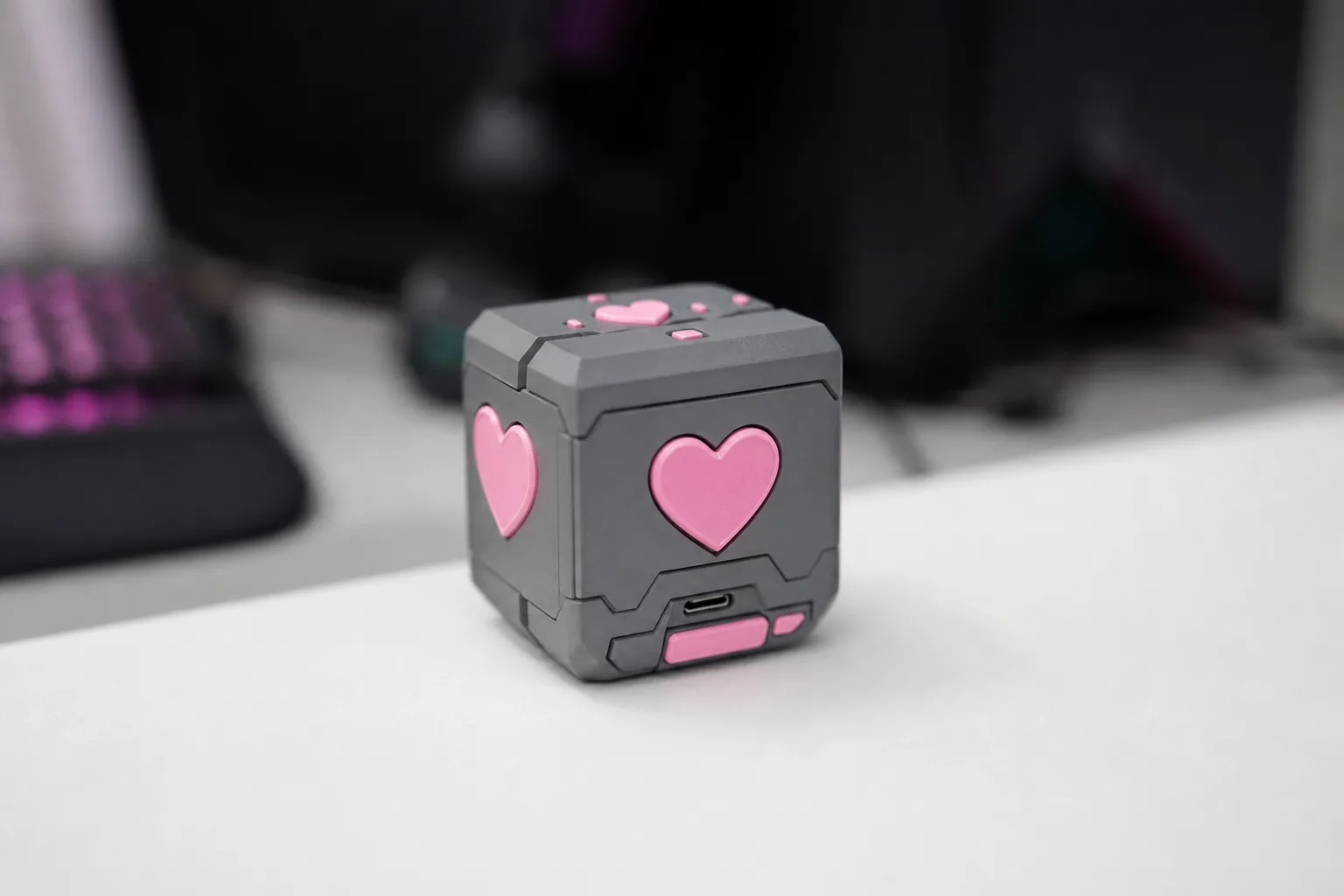
The Dbrand Companion Cube is gone — cancelled, condemned, and headed for the trash. Every physical unit that the company managed to manufacture will be destroyed, and the Portal-themed Steam Machine shell that briefly looked like one of the most creative gaming accessories of the year will never reach a single customer. For a brand that built its entire identity on daring lawyers to blink first, this one stings differently.
- The Dbrand Companion Cube was cancelled on June 29th after Valve’s legal team intervened over apparent copyright concerns.
- Dbrand CEO Adam Ijaz confirmed the Dbrand Companion Cube is a total loss — every manufactured unit will be destroyed.
- Dbrand has a history of pushing legal boundaries, having previously clashed with both Nintendo and Sony over accessory designs.
- Photos taken on June 19th offer a rare look at the Portal-themed external shell before it was pulled from existence.
Table of Contents
Dbrand’s Legal Track Record — Until Now
To understand why this cancellation is such a big deal, you need to know what Dbrand is. The company isn’t just a maker of device skins and shells — it’s spent years cultivating a reputation as the accessory brand that simply doesn’t back down. When Nintendo’s lawyers came calling, Dbrand essentially told them where to go, publicly and loudly. When Sony threatened legal action over a set of custom PS5 side plates, Dbrand reportedly had a second set of legally-distinct replacement plates already waiting in the wings. The company has treated intellectual property disputes almost like a marketing channel — generate controversy, get headlines, sell products.
That playbook worked brilliantly, right up until June 29th, 2025, when Valve got involved. Unlike Nintendo and Sony, Valve apparently wasn’t interested in a public sparring match. The lawyers moved, and this time Dbrand didn’t have a counter-move ready.
What the Dbrand Companion Cube Actually Was
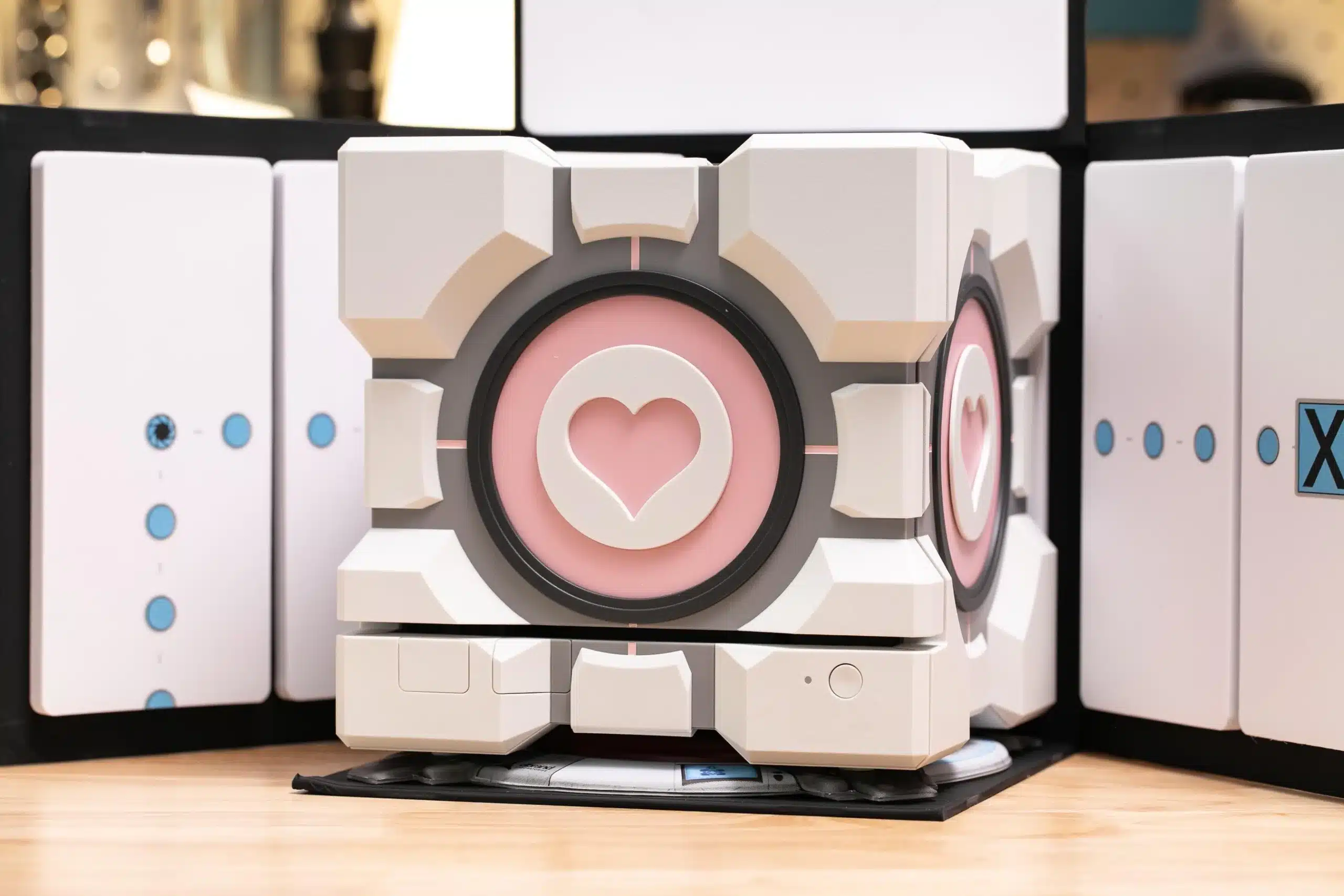
The product itself was a themed external shell for the Steam Machine — styled directly after the Companion Cube from Valve’s Portal franchise. If you’re unfamiliar, the Companion Cube is one of gaming’s most recognisable objects: a grey box stamped with pink hearts, originally introduced in Portal (2007) as a darkly comedic prop that players were eventually forced to destroy. The irony of Dbrand’s actual units being destroyed is, at this point, almost too on the nose.
Photos taken on June 19th — ten days before the cancellation was announced — captured the Dbrand Companion Cube in close-up detail. The shell translated the Cube’s distinctive aesthetic onto physical Steam hardware with the kind of precision Dbrand is known for: clean edges, accurate iconography, and a finish that looked production-ready rather than prototypical. This wasn’t a rough mock-up. It was done.
The CEO Admits There Was No Plan B
What makes the Dbrand Companion Cube story genuinely unusual — and a little painful to watch — is the rare moment of candour from the top. CEO Adam Ijaz didn’t spin the cancellation or hint at some future workaround. He was blunt:
‘There is no further plan. We fucked this one up.’
That’s a remarkable admission from a company whose brand is built almost entirely on swagger. Dbrand’s tone across social media, product pages, and even its customer service is famously combative and self-assured. Watching that persona crack, even briefly, tells you something about how badly this one went. Ijaz confirmed that destruction of the manufactured inventory isn’t optional — and in a detail that carries its own grim poetry, the company won’t even get to do something theatrically appropriate like incinerating them. The cubes go out quietly.
Why Valve Succeeded Where Nintendo and Sony Didn’t
The obvious question is why this IP holder landed a hit when others couldn’t. Part of the answer is probably structural. Nintendo and Sony make hardware; Dbrand makes accessories for that hardware. There’s an awkward interdependence there — neither company wants to be seen crushing the ecosystem of third-party accessories that their customers actually want. Valve’s situation is different. The Companion Cube is pure IP: a character design with no functional accessory ecosystem around it. Valve had nothing to lose by enforcing the copyright cleanly.
There’s also Valve’s specific posture around its intellectual property. The company is famously relaxed about Portal fan art, mods, and derivative works in non-commercial settings — but it has historically moved decisively when commercial use of its properties crosses a line it cares about. Dbrand was selling a product, at scale, built around one of Valve’s most iconic visual designs. That’s a different proposition than a fan posting fan art on Reddit.

What Gets Destroyed, and What It Means for Dbrand
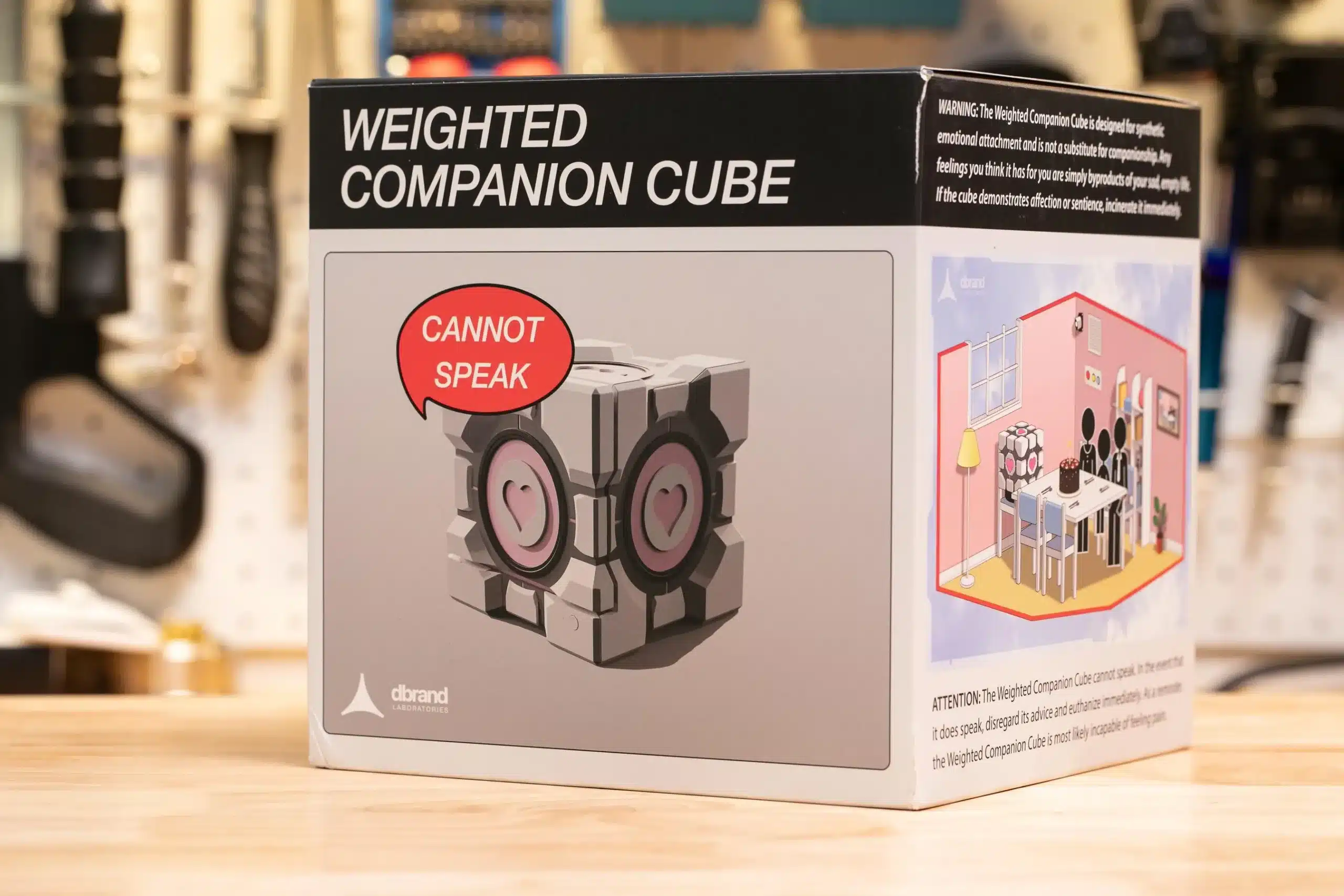
The Dbrand Companion Cube won’t become a rare collector’s item sold quietly through back channels. According to Ijaz, every unit gets destroyed — full stop. For a company that prides itself on manufacturing quality at scale, that’s not just an embarrassment, it’s a genuine financial hit. The cost of tooling, production runs, and materials for a product like this isn’t trivial, and none of it will be recovered.
More broadly, this episode might mark a subtle shift in how Dbrand approaches licensed-adjacent territory going forward. The company’s legal boldness has always been partly strategic — the kind of calculated risk that generates organic attention — but the Companion Cube situation shows that calculation can misfire. Valve’s IP enforcement wasn’t something Dbrand could out-manoeuvre with a redesign or a cheeky tweet. The product simply had to die.
Whether this actually changes Dbrand’s appetite for risk is another matter. The company’s identity is too deeply tied to that confrontational energy for one expensive setback to fundamentally rewrite the approach. But the next time Dbrand announces a product that borrows heavily from a beloved franchise’s visual language, the question will be asked faster and louder: did you check with the lawyers first? After the Dbrand Companion Cube debacle, that question will be very hard to dodge.