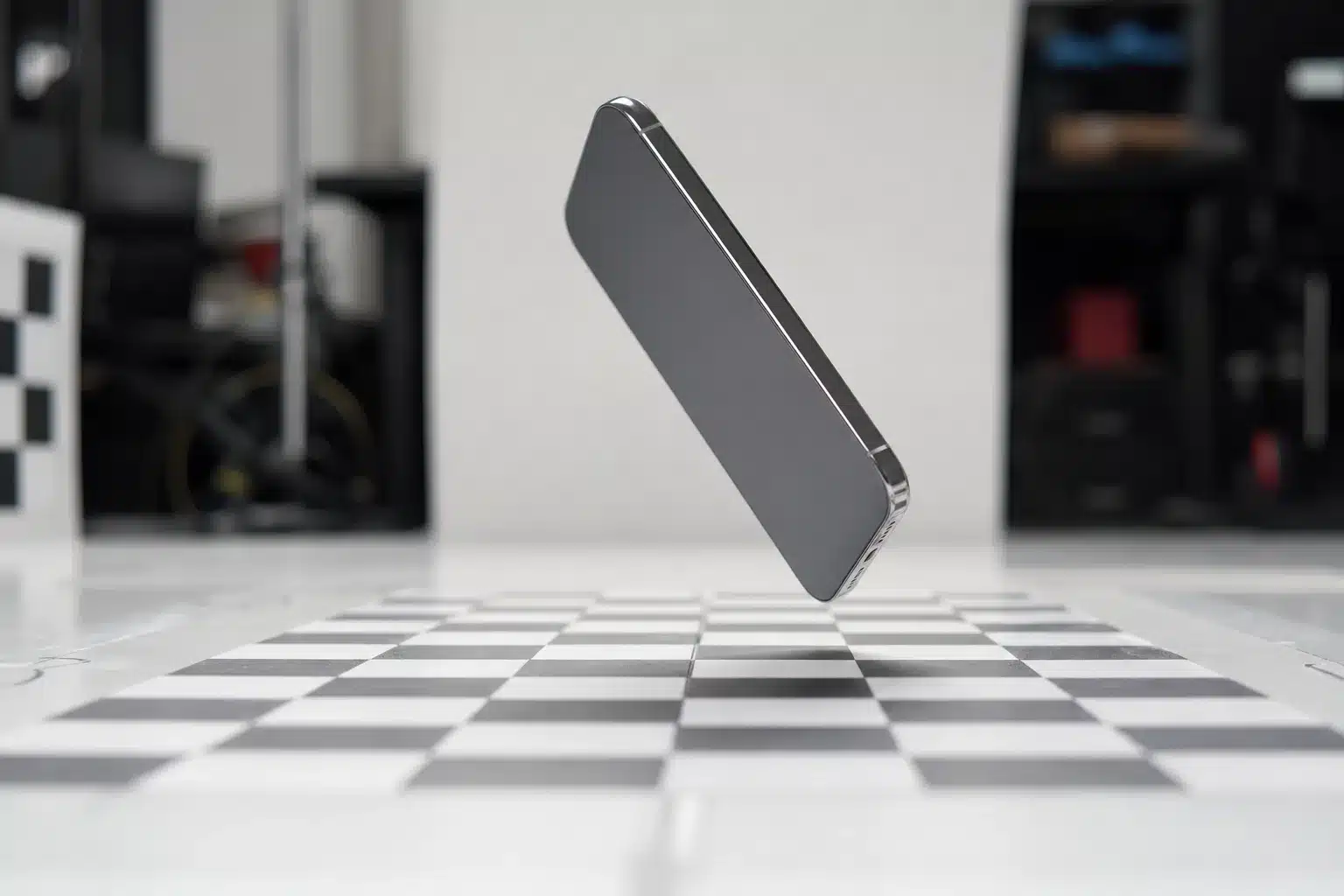
The iPhone 18 Pro leak that surfaced this week moved at the kind of velocity that gives Apple’s security team nightmares — videos live on X one moment, scrubbed the next, and already mirrored across a dozen other accounts before anyone could do anything about it. What makes this one different from the usual pre-launch rumour cycle isn’t the blurry CAD renders or whisper-chain specs. It’s that the footage apparently came from inside a supplier’s systems, not from a well-placed source with a loose tongue.
- The iPhone 18 Pro leak originated from a data breach at Tata Electronics, one of Apple’s key manufacturing partners.
- Videos from the iPhone 18 Pro leak showed a three-camera device undergoing a drop test before being removed from X.
- An account impersonating leaker EvLeaks was suspended after sharing the clips, but the footage continued spreading via reposts.
- Apple reportedly expressed concern about the breach, which also exposed parts lists and internal testing materials.
Table of Contents
What the iPhone 18 Pro Leak Actually Showed
The videos that briefly circulated on X depicted a grey device falling a short distance against a checkered testing background — the kind of controlled drop test engineers run to verify structural integrity before a product anywhere near reaches consumers. The device in the clips carries a three-camera array on the rear and a visible Apple logo, consistent with what we’d expect from a Pro-tier iPhone model. Nothing about the footage looked staged or fan-made. The production quality was too mundane for that; real leak content tends to be boring precisely because it’s internal documentation, not a trailer.
This matches what Reuters reported earlier in the week — that the iPhone 18 Pro leak included both photos of the device’s drop test and internal parts lists. When the video content lines up that cleanly with a separately sourced written report, it’s hard to dismiss either as fabrication.
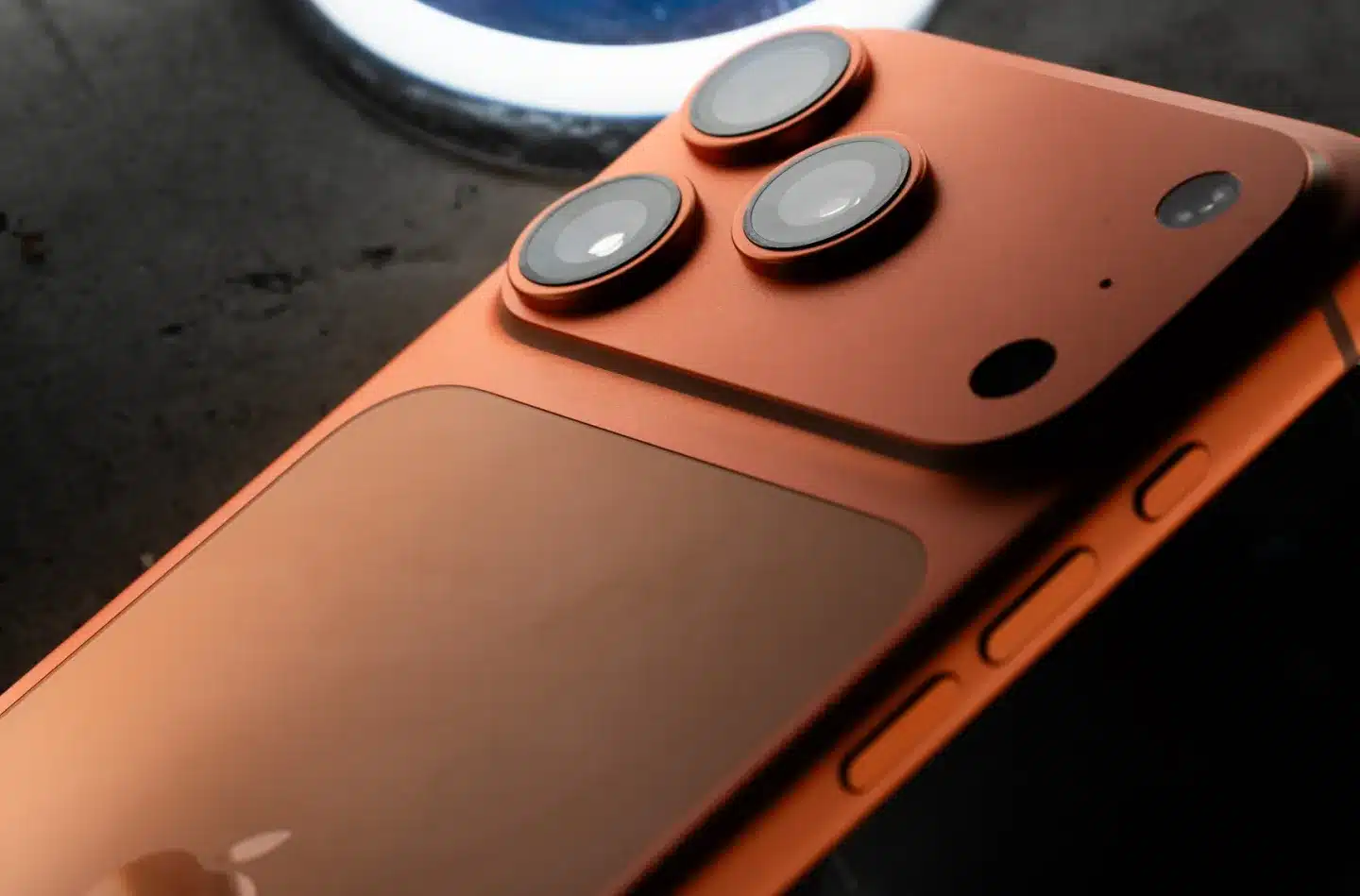
Tata Electronics: The Breach Behind the iPhone 18 Pro Leak
Reuters traced the origin of the iPhone 18 Pro leak to a data breach at Tata Electronics, one of Apple’s most significant manufacturing partners in India. Tata Electronics has rapidly grown into a key node in Apple’s supply chain strategy as the company works to reduce its dependence on Chinese production — a push that’s been ongoing since geopolitical tensions began making single-country manufacturing concentration look increasingly risky.
The breach reportedly put sensitive pre-production material on the dark web, which is where the photos first surfaced before the videos made their way onto public social platforms. A source told Reuters that Apple had been ‘concerned’ about the breach — which, given what was apparently exposed, feels like understatement. Drop test footage and parts lists represent real engineering data, the kind of material that tells competitors not just what a product looks like but how it’s been designed to perform under stress.
Apple didn’t respond to requests for comment at time of writing. That silence is fairly standard for the company in situations like this, but it doesn’t exactly dispel the story.

X Takes Action — But the iPhone 18 Pro Leak Spreads Anyway
The platform formerly known as Twitter moved quickly once the clips started gaining traction. An account impersonating the well-known leaker EvLeaks — itself a sign that bad actors were trying to capitalise on the breach — was suspended, and the original post was removed with X citing a platform rules violation. That’s the expected playbook: take down the source, suspend the account, move on.
The problem is that this playbook has never worked particularly well for viral content. IceUniverse, a credible and frequently accurate leaker active primarily on Weibo, shared a screenshot of the takedown notice and noted — via machine translation — that ‘Apple has already started blocking the leaked data on Twitter.’ The framing is telling. Blocking leaked data after it’s already been seen and screenshotted and reposted is a bit like locking the door after the house has been toured by a hundred people.
By the time X acted, the iPhone 18 Pro leak footage had already been reposted by multiple other accounts. That’s the fundamental challenge with platform-level content moderation in a leak situation: the speed at which content travels almost always outpaces the speed at which it can be pulled. Apple can issue DMCA takedowns and pressure platforms, but with enough reposts, the material effectively becomes impossible to fully contain.

What This Means for Apple’s Supply Chain Security
This incident sits inside a much larger and more uncomfortable conversation Apple has been having internally for years: how do you maintain tight secrecy over a product when your supply chain spans dozens of companies, thousands of employees, and multiple continents?
Apple has historically been remarkably good at this. The company runs a famously compartmentalised operation — suppliers often know only their specific component, not the broader product it feeds into. Employees work under strict NDAs. Leaks, when they happen, are usually incremental: a CAD drawing here, a component photo there. Pre-production video of actual device testing is a different category of exposure entirely, and the iPhone 18 Pro leak demonstrates just how damaging that category can be.
The Tata Electronics angle is particularly significant given the strategic context. India has become central to Apple’s manufacturing diversification, with Tata, Foxconn, and others all expanding capacity there. A high-profile breach at a major Indian supplier doesn’t just embarrass Apple — it creates pressure on the entire effort to prove that Indian manufacturing can meet Apple’s security and quality bar, not just its cost and capacity requirements.
Supply chain data breaches aren’t unique to Apple. Samsung, Google, and other major OEMs have all dealt with pre-release leaks that originated somewhere in their supplier networks. But Apple’s product secrecy is so central to its launch strategy — the reveal moment still genuinely moves the needle on consumer excitement and media coverage — that any erosion of that secrecy has real commercial implications, not just PR ones.
The Bigger Picture: Supplier Security Is Now a Product Risk
What’s changed in recent years is the sophistication of the threat. Early supply chain leaks often came from employees taking casual photos on a production floor. The iPhone 18 Pro leak, by contrast — with data appearing on the dark web after an apparent intrusion — suggests organised breach activity rather than opportunistic carelessness. That’s a fundamentally harder problem to solve with NDAs and employee training.
For Apple, the calculus going forward likely involves tightening the data access controls that suppliers have over pre-production testing materials, possibly segmenting that documentation more aggressively so that a breach at any one point in the chain exposes less of the whole picture. Whether Tata Electronics had adequate security protocols in place before this incident is a question Apple will almost certainly be asking directly — and the answer may shape how the company structures its supplier relationships in India as production there continues to scale up ahead of the iPhone 18 cycle.