

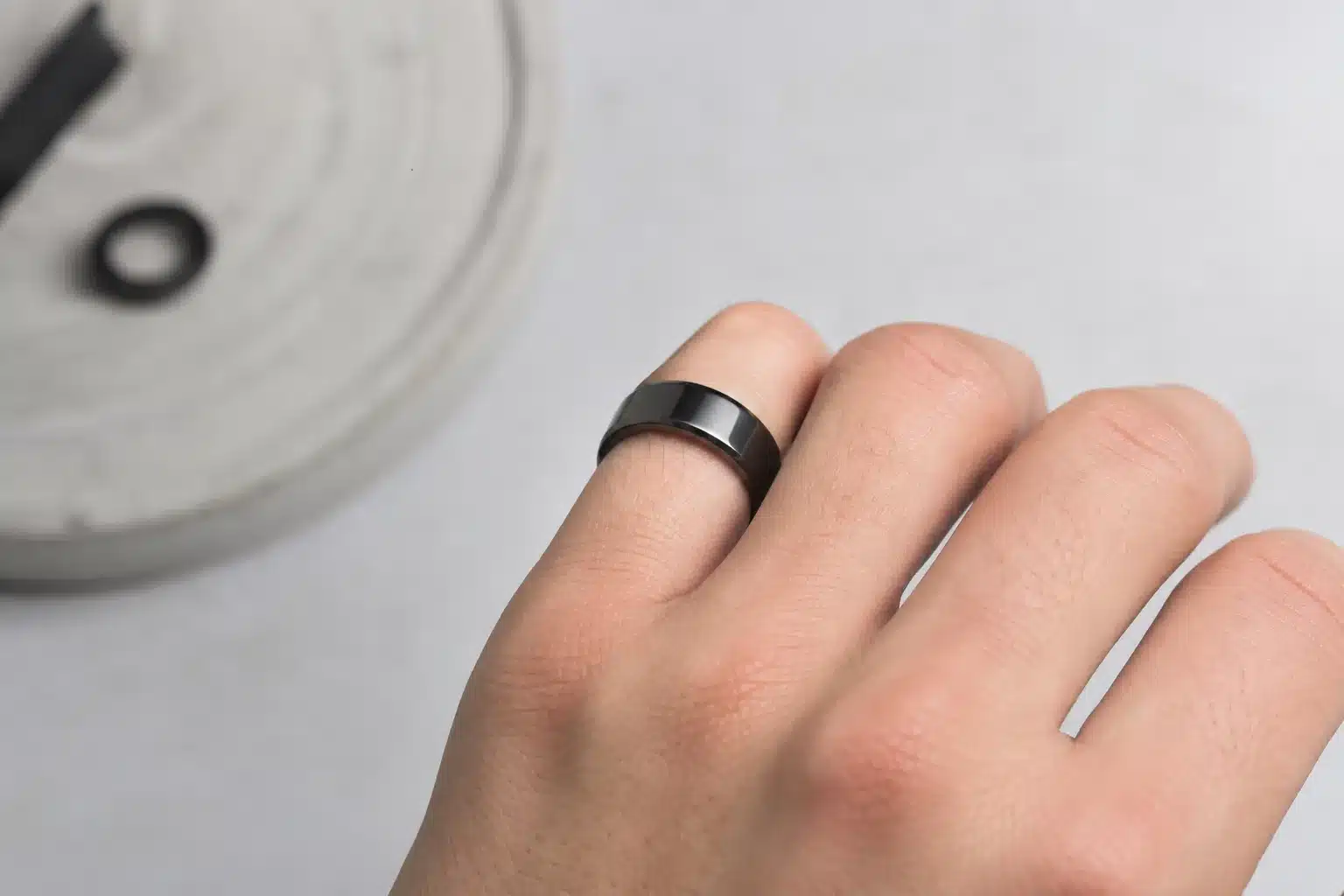
Samsung has confirmed what many had been quietly expecting: the Galaxy Ring 2 is real, it’s in development, and if a senior executive’s barely-contained smile is anything to go by, it could be about to do something the original never managed — work with an iPhone.
- Samsung has officially confirmed the Galaxy Ring 2 is in development, ending months of near-total silence on its smart ring roadmap.
- The Galaxy Ring 2 will focus on software and services as its main differentiator rather than new or proprietary sensors.
- Senior VP Hon Pak strongly hinted at iPhone compatibility, saying users will be ‘very pleased’ with upcoming announcements.
- Samsung is building a connected device ecosystem rather than a single all-in-one wearable, signalling a broader platform strategy.
Table of Contents
Samsung Breaks Its Silence on Galaxy Ring 2
It’s been two years since Samsung dropped the original Galaxy Ring and made a credible first move in the fast-growing smart ring market. Since then? Near-total silence on what comes next. Rumours circulated about a possible 2027 launch window, but Samsung itself said very little — until now.
Speaking to Forbes, Samsung’s Senior Vice President and Head of the Digital Health Team, Hon Pak, confirmed that the next-generation Galaxy Ring 2 is actively in development. He didn’t hand over a spec sheet or a release date — that would’ve been too easy — but what he did say tells us a great deal about how Samsung is thinking about its place in the wearables market.
Hardware Is a Commodity — Software Is the Battleground
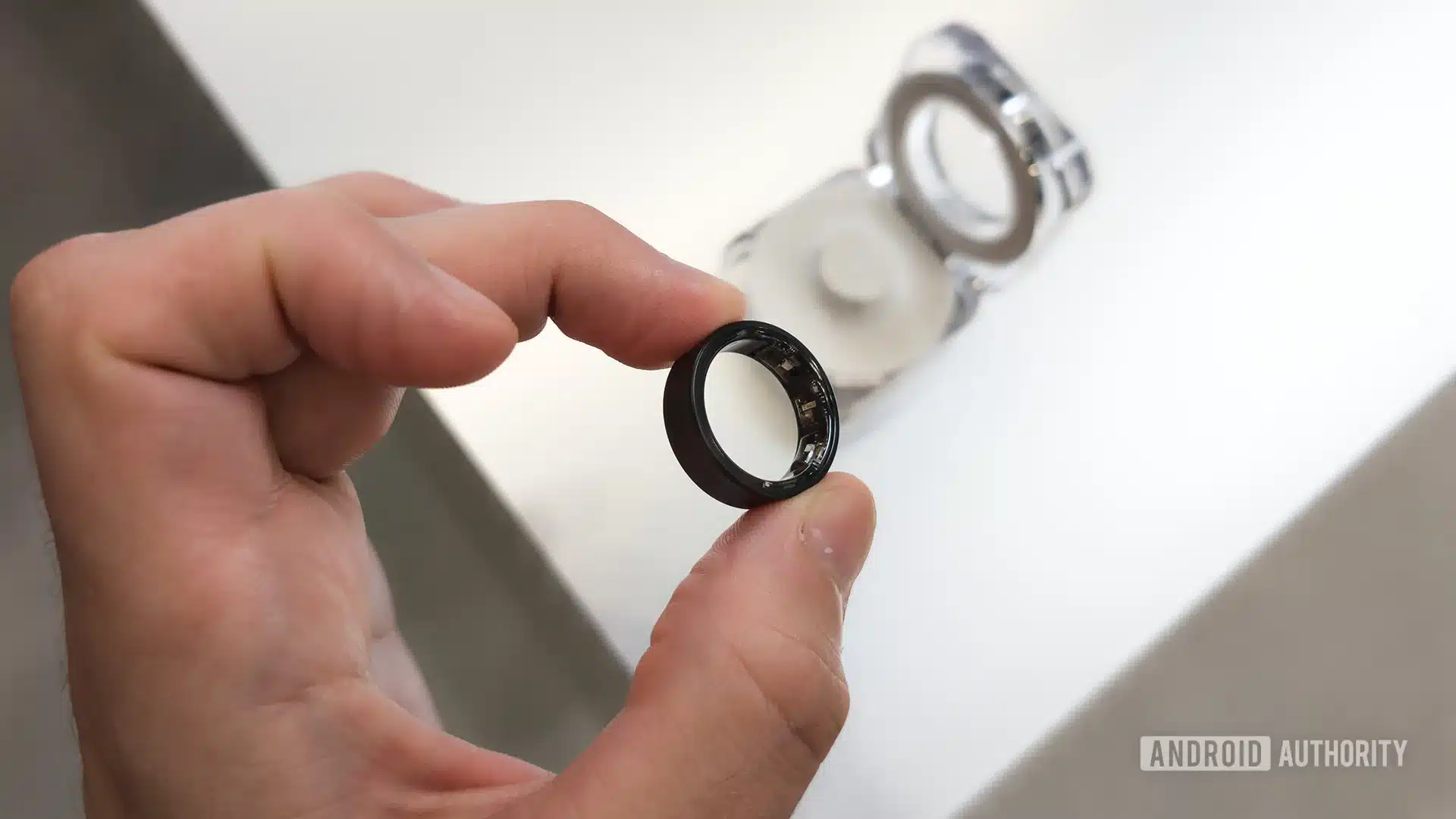
Pak’s central argument is blunt and, frankly, hard to disagree with. Sensor technology across competing smart rings has largely converged. Whether you’re looking at the Oura Ring, the Galaxy Ring, or any of the smaller players now crowding the space, the underlying hardware — optical heart rate sensors, accelerometers, temperature sensors — is broadly similar across the board.
‘If you look at the comparison of other rings, regardless of the competitor, the sensors are not that different right now,’ Pak told Forbes. ‘It’s really about what services you create on the top layer. It’s really the software differentiation that you see.’
That’s a significant strategic admission. Rather than chasing proprietary sensor breakthroughs for the Galaxy Ring 2, Samsung is doubling down on what it arguably does better than most hardware rivals: building out a health software platform. Samsung Health already connects data from Galaxy Watches, phones, and the original ring into a unified picture. The implication is that the Galaxy Ring 2 won’t be judged on specs alone — it’ll be judged on what Samsung can do with the data once it has it.
This shift mirrors what we’ve seen elsewhere in wearables. Apple Watch’s hardware hasn’t changed dramatically cycle over cycle, yet it remains the dominant smartwatch largely because of how tightly HealthKit, watchOS, and the broader Apple ecosystem work together. Samsung appears to be making a calculated bet that the same logic applies to smart rings.
The iPhone Question — and That Telling Smile
Perhaps the most tantalising moment in Pak’s interview came when Forbes pressed him on whether the Galaxy Ring 2 might finally support iPhones. His answer was technically non-committal, but practically speaking, it was about as close to a confirmation as a corporate executive is likely to get before an official announcement.
‘I’m smiling, but I can’t say anything,’ Pak said. ‘I think you’ll be very pleased with some of the releases and the upcoming news.’
Read the room. That’s not a denial. That’s not ‘we have no plans to support iOS.’ That’s a senior executive visibly struggling to keep a lid on something he clearly wants to talk about.
If the Galaxy Ring 2 does land with iPhone support, it would represent a genuinely significant strategic pivot for Samsung. The original Galaxy Ring works with most modern Android phones but is deliberately hobbled on non-Samsung devices — certain health tracking features are locked to Galaxy phones entirely. iPhones aren’t supported at all. Opening that up would mean Samsung is willing to trade some ecosystem lock-in for a much larger potential customer base.
And that trade-off makes more sense than it might initially appear. Apple doesn’t make a smart ring. Oura, the current category leader, works seamlessly across both iOS and Android and has built a substantial user base partly because of that openness. If Samsung wants to scale the Galaxy Ring 2 beyond its existing Galaxy loyalists, iPhone compatibility isn’t just a nice-to-have — it’s arguably essential.
An Ecosystem Play, Not a Single Device Strategy
There’s a broader strategic thread running through everything Pak said. Samsung isn’t trying to build one wearable to rule them all. The Galaxy Ring 2 sits within a larger connected health ecosystem — alongside Galaxy Watch, Galaxy Buds, and Samsung phones — where each device contributes its own piece of health data to a more complete picture of the user.
Pak was explicit about this: Samsung’s focus is on ‘creating an ecosystem of connected devices that gives people the ability to choose what they want.’ That’s a deliberate positioning against the idea of a single all-in-one device, and it’s smart. A ring is worn constantly, even during sleep and exercise, capturing continuous passive data that a watch or phone simply can’t match with the same comfort. Combined with a Galaxy Watch’s more active monitoring capabilities, the two form a genuinely complementary pair.
The question is whether that ecosystem story can extend to iPhone users who have no Samsung devices at all. Can Samsung Health’s software differentiation stand on its own, without the broader Galaxy hardware ecosystem behind it? That’s the real test of the Galaxy Ring 2’s iOS ambitions, and it’s one Samsung will need to answer clearly before launch.
Pressure From All Sides — and Why Timing Matters
Samsung isn’t moving in a vacuum here. The smart ring market has gotten considerably more crowded since the original Galaxy Ring launched. Oura continues to iterate rapidly — its Oura Ring 4 brought improved sensors and a thinner profile. Google has entered the space with the Pixel Watch expanding its health tracking capabilities. And there’s ongoing regulatory scrutiny of closed device ecosystems in both the EU and the US, which is increasingly making it harder for companies to justify platform exclusivity on health-related products.
That regulatory backdrop makes Pak’s iPhone tease even more interesting. It’s possible Samsung is getting ahead of a conversation it knows is coming, rather than being forced into openness later on less favourable terms. Getting credit for voluntarily opening up the Galaxy Ring 2 to iOS users is a much better story than being compelled to do it.
There’s no confirmed launch date for the Galaxy Ring 2 — Pak gave nothing away on that front. But with the confirmation that development is well underway, and with hints this substantial about what’s coming, Samsung appears to be gearing up for a smart ring market that looks very different from the one it entered in 2023. The software will need to deliver. And if the iOS door really does open, the stakes just got considerably higher.

