

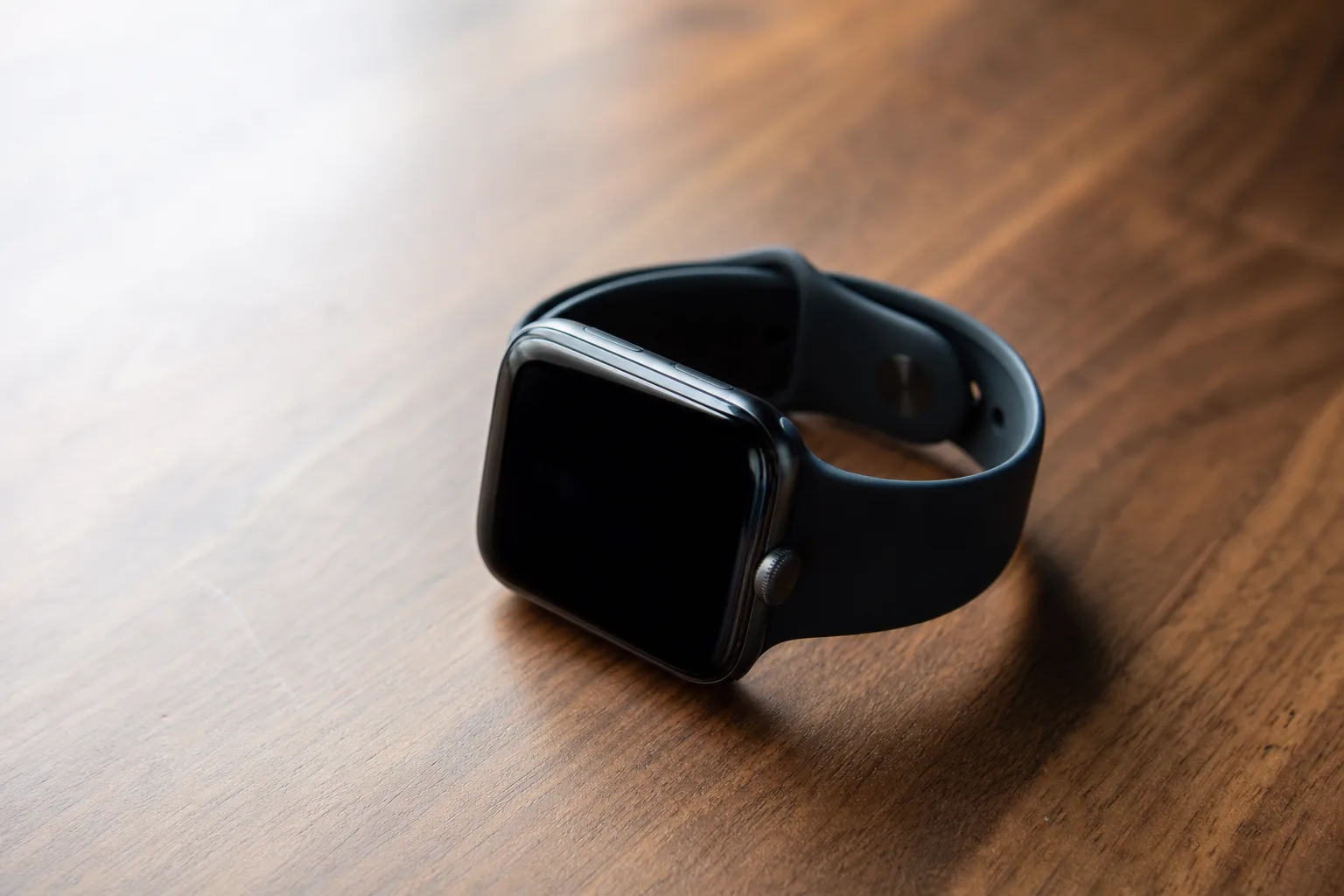
The Apple Watch SE 3 has quietly become the smartwatch recommendation that makes the most sense for the widest range of people — and right now, with a Prime Day price of $199, it’s even harder to argue against. That figure represents an all-time low for the watch, and it comes at a moment when Apple’s mid-range wearable looks arguably stronger than it ever has.
- The Apple Watch SE 3 has dropped to $199 for Prime Day, the lowest price since the watch launched last year.
- Apple Watch SE 3 added always-on display, double tap gestures, 5G, fast charging, and a wrist-temperature sensor — a major generational leap.
- The Series 11 is also discounted to $279, but only makes sense if EKG and atrial fibrillation detection are priorities.
- A Series 12 is expected this autumn, though the SE line won’t likely see a refresh for at least another year.
Table of Contents
Why the Apple Watch SE 3 Was Already the Standout of 2024
Cast your mind back to Apple’s autumn 2024 event. The Series 11 arrived with modest changes, the Ultra 3 remained a product for endurance athletes with deep pockets, and most observers expected the SE to be an equally restrained refresh. It wasn’t. The Apple Watch SE 3 came in with a list of additions that would’ve made a decent Series upgrade: an always-on display, double tap and wrist flick gesture support, a wrist-temperature sensor, 5G connectivity, fast charging, a built-in speaker, and a newer processor with enough headroom to run watchOS 27 when it ships this autumn. That’s not a minor spec bump — that’s Apple catching up an entire product line in one generation.
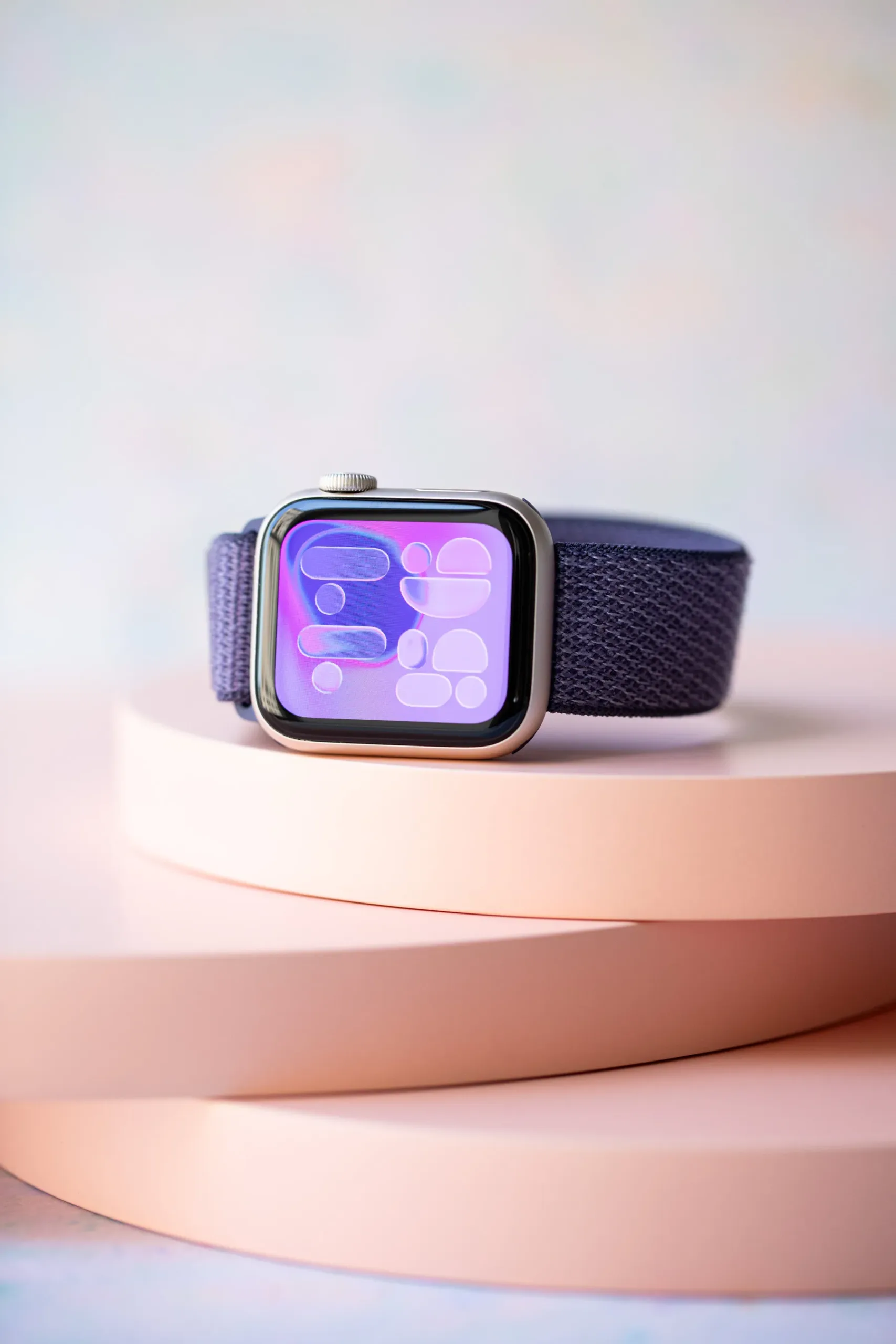
For context, the previous SE models were conspicuously missing several of these things. No always-on display, no temperature sensing, no fast charging. The SE existed to hit a price point, and Apple made sure you knew it. The third generation feels meaningfully different — less like a deliberately hobbled tier and more like a genuinely capable watch that happens to cost less than the flagship.
What You’re Giving Up Compared to the Series 11
The Apple Watch SE 3 isn’t perfect for everyone. The two features it still lacks compared to the Series 11 are EKG (electrocardiogram) recording and atrial fibrillation detection. For the majority of buyers — younger users, fitness-focused wearers, or anyone who just wants notifications, activity tracking, and Apple ecosystem integration — those omissions are irrelevant. But if you have a family history of heart conditions or your doctor has suggested cardiac monitoring, they matter a great deal.
Apple’s Series 11 is also on sale for Prime Day, currently sitting at $279 — $50 off its usual price and also an all-time low. That $80 gap between the two models is, honestly, the clearest way to frame the buying decision: is EKG and AFib detection worth $80 to you? For most people, probably not. For some, absolutely.

Apple Watch SE 3 at $199 — What the Price Actually Means
At $199, the Apple Watch SE 3 is pushing into territory where it starts to look genuinely competitive with the broader smartwatch market. Samsung’s Galaxy Watch FE, Google’s Pixel Watch 3, and a range of Garmin entry-level devices all orbit this price point. The difference is that the Apple Watch, even at the SE level, carries the full weight of watchOS, native iPhone integration, and Apple’s health sensor ecosystem in a way that Android Wear alternatives simply can’t replicate for iPhone users.
For households already invested in Apple — iPhone, AirPods, maybe an iPad — the SE 3 at $199 is less of a gadget purchase and more of a utility decision. Continuity features, Handoff, Find My, and seamless Apple Pay integration all just work. That frictionless experience has a real-world value that doesn’t show up in spec sheets.
Timing Matters: What’s Coming This Autumn
There’s a caveat worth raising for anyone sitting on the fence specifically about the Series 11 deal. Apple typically updates its main Watch lineup every September alongside new iPhones, and by most credible accounts, a Series 12 is coming this year. If you’re prioritising the flagship tier, waiting a few months is a reasonable move.
The calculus is different for the Apple Watch SE 3, though. Apple doesn’t update the SE every year — the SE line has historically run on two-to-three year cycles, and by current expectations, the next SE refresh is at least a year away, possibly longer. That changes the urgency calculation considerably. You’re not buying a watch that’s about to be replaced by the next model in September. You’re buying a watch that’s at the start of its commercial life, now at its cheapest price ever.
The Practical Case for Going SE Over Series
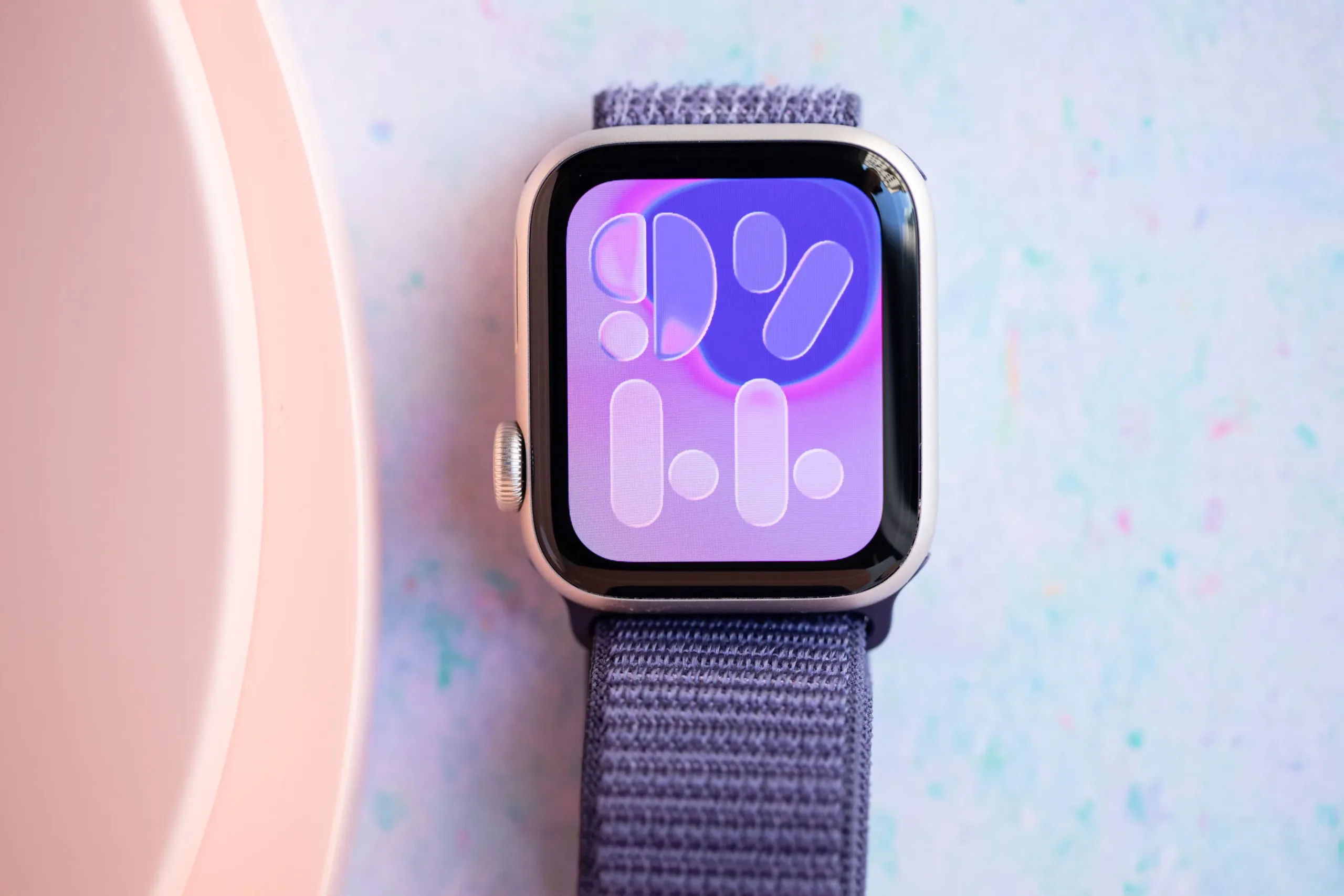
Wrist size is an underrated part of this conversation. The Apple Watch SE 3 ships in 40mm and 44mm configurations, and for users with smaller wrists the 40mm option sits more comfortably than the larger Series models. Apple’s design language hasn’t changed dramatically across the lineup, but proportionality matters more than most people realise until they’re actually wearing the thing day to day.
Then there’s the processor question. The upgraded chip inside the SE 3 isn’t just about current performance — it’s about longevity. Apple has already confirmed the watch will run watchOS 27 this autumn, and a newer chip means it’s far better positioned for the software cycles ahead than an older SE 2 bought at a discount would be. In practical terms, you’re likely looking at four to five years of software support, which at $199 works out to an absurdly low cost-per-year for a wearable of this calibre.
The broader smartwatch market is in a strange place right now. Fitbit has essentially been absorbed into Google’s hardware ambitions. Samsung’s Galaxy Watch line is strong but requires an Android phone to unlock its best features. Garmin rules the serious athletic and outdoor space but asks you to trade interface polish for battery life. In that landscape, the Apple Watch SE 3 at $199 occupies a position that’s genuinely hard to challenge: a fully-featured, ecosystem-integrated smartwatch from the world’s largest consumer electronics company, at a price that removes most of the hesitation from the buying decision.
Whether Prime Day deals like this reflect a broader strategy by Apple to cement wearables as a volume category — rather than a premium one — is an interesting question. Either way, for anyone who’s been waiting for the right moment to buy in, this might be as good as it gets before the autumn product cycle reshapes the conversation entirely.

