

- A Texas woman’s Facebook arrest for posting about contaminated water has sparked a federal free speech lawsuit against local officials.
- The Facebook arrest came weeks before the city itself issued a boil water notice, undercutting officials’ claims that her post was baseless.
- Trinidad police used a statute designed for fake bomb threats to charge a community page admin who was relaying neighbors’ reports.
- Residents say the chilling effect is real — many now feel too afraid to speak publicly about a water crisis that city leaders admit exists.
Table of Contents
A Facebook Post, a Night in Jail, and a Water Crisis Nobody Denies
The Facebook arrest of Jennifer Combs on May 8 didn’t happen because she hacked a government database, leaked classified documents, or coordinated a public panic. She ran a community Facebook page called “Southern Belle Watch” and wrote that residents had reportedly been hospitalized due to bacteria in Trinidad, Texas’s water supply. That was enough to bring police to her door and send her to the Navarro County Justice Center on a state jail felony charge. The Facebook arrest drew immediate attention from civil liberties advocates who recognized exactly what kind of precedent it threatened to set.
Combs had no prior criminal record — not even a traffic violation. The charge filed against her was felony false alarm or report under Texas Penal Code § 42.06, a statute that exists to punish people who phone in fake bomb threats or fabricate emergencies to tie up emergency services. Trinidad’s police chief, Charles Gregory, and city officials decided that same law applied to a woman who collected community reports and posted them online. Critics argue the Facebook arrest was a misuse of a law that was never designed to police social media speech about public health concerns.
Her actual post was measured, not hysterical. It read in part:
“We have received reports that some citizens have been hospitalized due to bacteria in the water. This is a serious public health concern that deserves immediate attention. If your water looks discolored, contains sediment, has a strong odor, or you have experienced related health issues, please send us a message. We are gathering information and reporting findings to the state.”
That’s a community organizer doing what community organizers do — gathering information, flagging a concern, and pointing it toward the appropriate authorities. What she didn’t expect was that the city would treat it as a criminal act worthy of a Facebook arrest.
The Water Is Brown. Everyone Agrees on That.
Here’s what makes this case genuinely hard to look away from: nobody in Trinidad is claiming the water is fine. Mayor Dennis Haws openly told reporters that the city’s pipes date back to the 1950s. “We have to get to a position where we can fix that infrastructure, and it’s very expensive as I’m sure you can imagine,” Haws said. “The city’s water situation is a struggle, without question.”
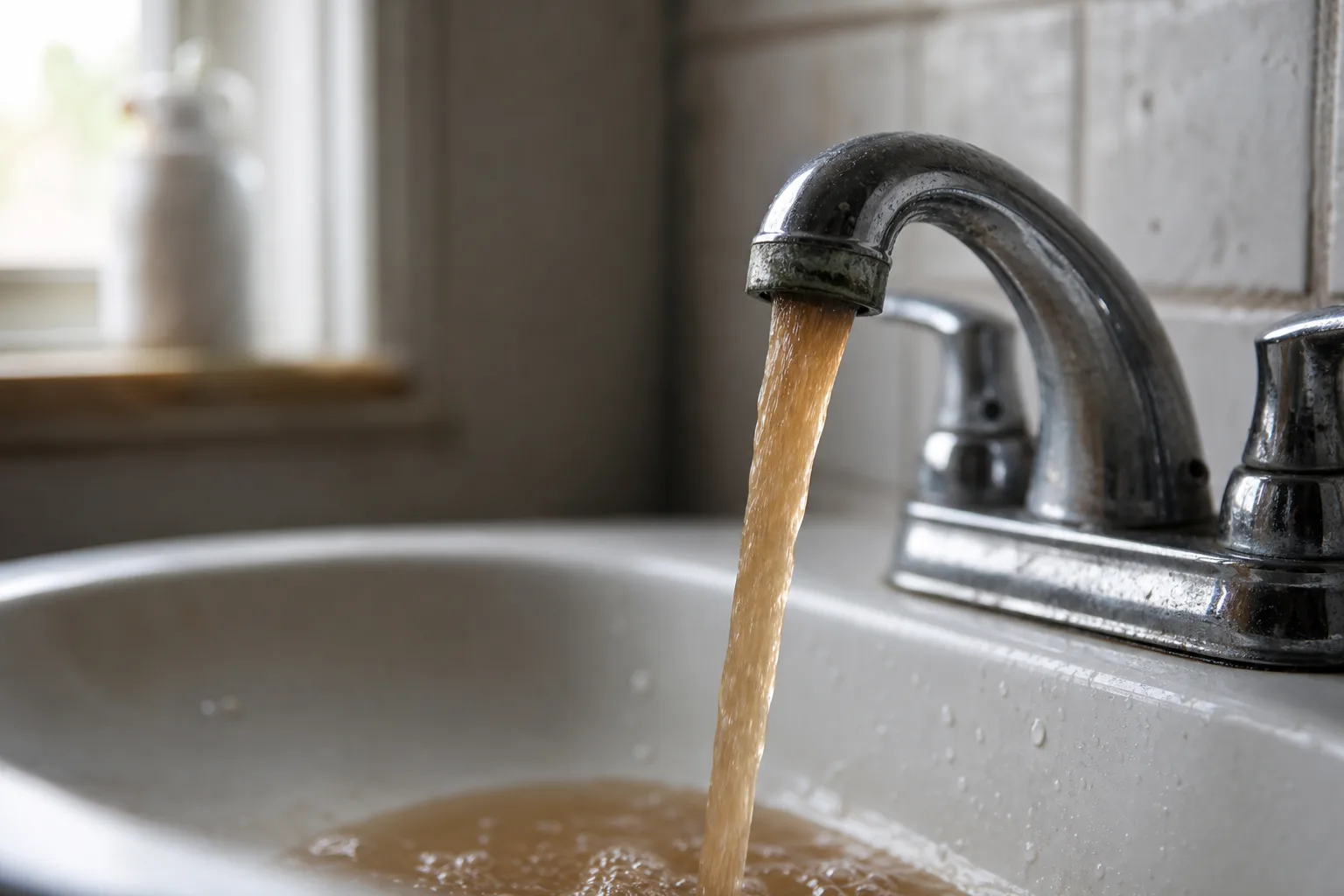
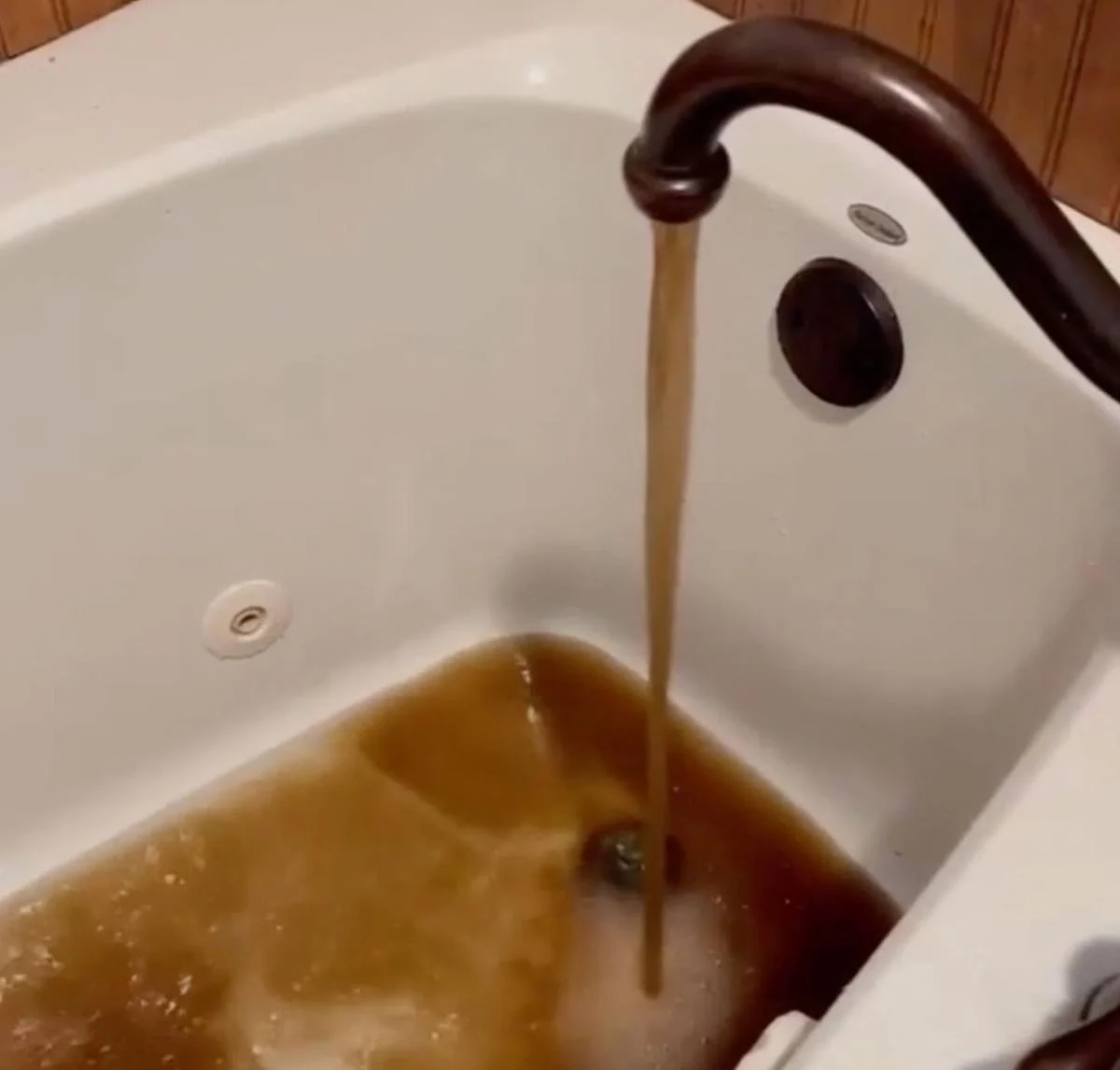
Combs described the water coming out of residents’ taps as looking like “the Trinity River is flowing from their water taps.” That’s not an exaggeration that’s easy to dismiss — residents provided photos to FOX 4 that showed brown liquid pouring from faucets and filling bathtubs.
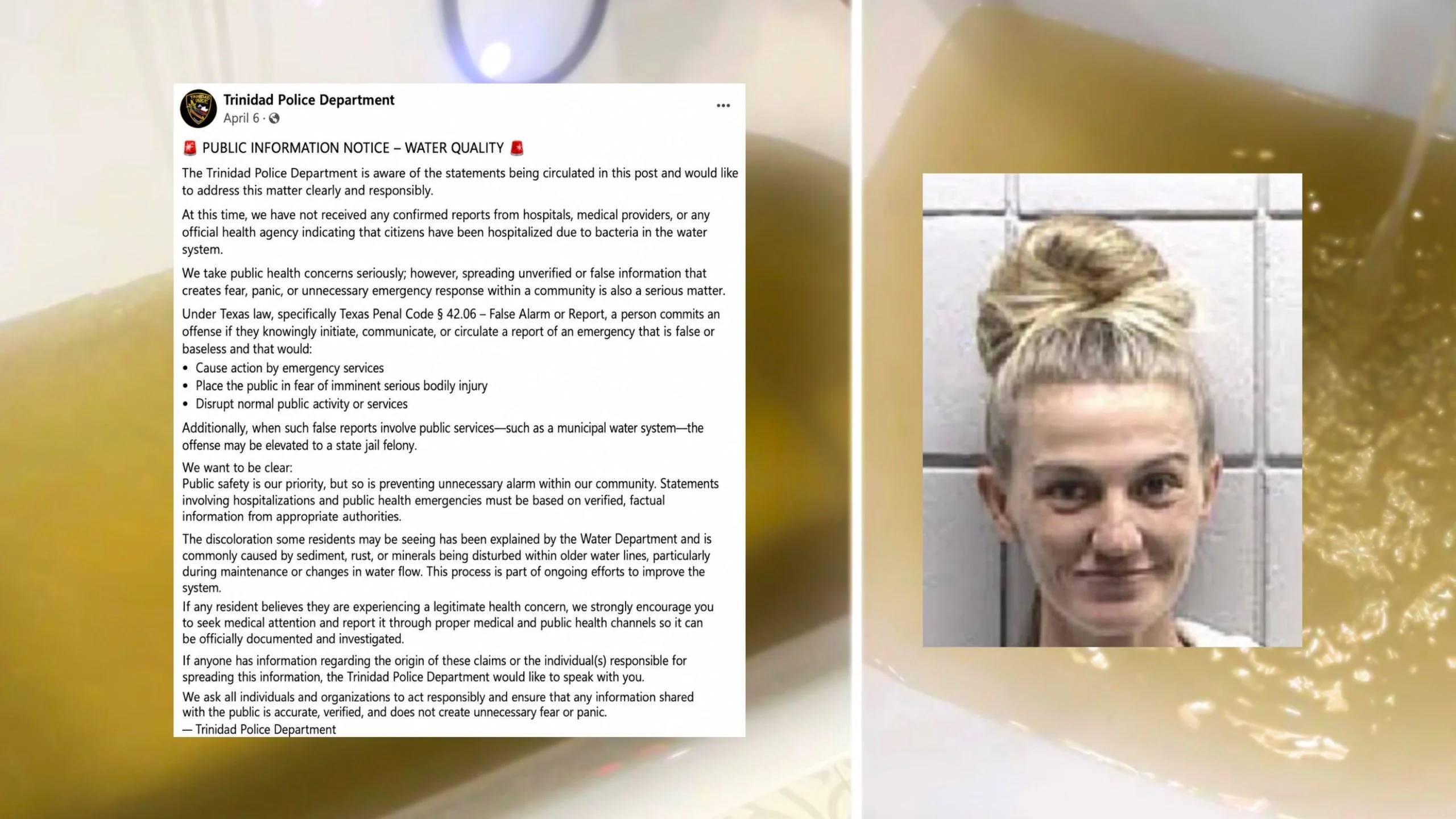
And then there’s the timeline. On April 6 — more than a month before the Facebook arrest occurred — the Trinidad Police Department posted a public warning on its own Facebook page, citing the false alarm statute and putting residents on notice that spreading unverified claims about the water supply could result in felony charges. Read that again: the police department threatened criminal prosecution for discussing water safety before anyone had been arrested, and before the city had taken any formal action on the water itself.
Fifteen days after that warning, on April 21, the city issued an official boil water notice. Residents were told not to drink, cook with, or wash dishes in the water without boiling it first. So the city’s position was, in sequence: don’t claim there’s a water problem or we’ll charge you with a felony, and also, don’t drink the water. The Facebook arrest that followed weeks later made that contradiction impossible to ignore.
How a Bomb-Threat Law Became a Tool Against a Community Blogger
Texas Penal Code § 42.06 was never written with Facebook posts in mind. Its purpose is to criminalize deliberate fabrications — someone calling in a false bomb threat at an airport, or faking a gas leak to clear a building. The law requires that the person knowingly circulate a false report. That word, knowingly, is doing a lot of heavy lifting in Combs’ Facebook arrest case.
Combs wasn’t inventing a story. She was aggregating reports from neighbors, many of whom had posted similar complaints directly on Trinidad PD’s own Facebook page. Her post explicitly stated she had “received reports” — language that signals a relay of information, not a first-person declaration of fact. Chief Gregory’s counterargument is that she should have verified the hospitalization claims with hospitals before publishing. That’s a reasonable journalistic standard. It’s a deeply unreasonable standard for a private citizen running a neighborhood watch page on Facebook.
Gregory called the case “cut and dry.” That framing tells you everything about how Trinidad’s leadership views the situation. From where they’re standing, the law is clear and Combs broke it. What they’re not grappling with is whether applying a bomb-threat statute to a community Facebook post is a legitimate use of that law — or whether the Facebook arrest was an abuse of the legal system designed to suppress inconvenient speech about a public infrastructure failure.
The Facebook Arrest Combs Says Was Political Retaliation
Combs has since filed a federal civil rights lawsuit, alleging that the Facebook arrest was “an act of deliberate political retaliation.” That’s a significant legal claim, and it puts the burden on her to demonstrate that officials acted with the intent to punish protected speech rather than enforce the law in good faith. Given the timeline — threats of prosecution, then a boil water notice, then an actual Facebook arrest — her lawyers will have material to work with.
“It was probably one of the most humiliating things I’ve ever gone through in my entire life. It was very, very bad,” Combs told reporters after her release. She also described what she sees as a broader culture of silence around the water issue: “There’s people that are saying that their appliances are getting ruined, they can’t cook with the water, they can’t bathe with it, they can’t do laundry. A lot of them feel hushed, and like they don’t have a voice and no one listens to them and no one takes them seriously.”
That last point is the real story. Whatever the legal outcome for Combs, the message sent to every other resident in Trinidad was already received the moment police showed up at her door. A Facebook arrest doesn’t need to result in a conviction to do its damage — the chilling effect sets in immediately. The Texas Commission on Environmental Quality has confirmed it received a complaint about Trinidad’s water and that an investigation is ongoing — but that news came too late to prevent the arrest, and it doesn’t undo the fear that’s now embedded in the community.
What This Means Beyond Trinidad
This case sits at the intersection of several uncomfortable trends in how local governments respond to online criticism. We’ve seen similar patterns elsewhere — officials using whatever legal tools are available to quiet residents who use social media to surface infrastructure problems, environmental concerns, or government failures. The tools vary: cease-and-desist letters, defamation threats, even criminal referrals. What they share is the intent to make the cost of speaking publicly feel higher than the cost of staying silent. A Facebook arrest is simply the most dramatic version of that playbook.
The First Amendment doesn’t protect knowingly false statements made to cause public panic — that’s settled law. But it does protect people who, in good faith, share what their neighbors are telling them about a water supply that everyone, including the mayor, acknowledges is a problem. The gap between those two things is where Jennifer Combs ended up spending a night in jail.
Chief Gregory’s demand that citizens verify claims with hospitals before posting is worth sitting with for a moment. Most residents don’t have the relationships, the authority, or frankly the time to independently confirm whether their sick neighbors were admitted to a hospital before they share a community concern online. If that’s the standard Trinidad intends to enforce with felony charges, it’s not a standard — it’s a prohibition on citizen speech about local government failures dressed up as one.
Combs’ federal lawsuit will take months, possibly years, to resolve. But the broader question it raises won’t wait that long: at a time when social media has become the primary way that ordinary people hold local institutions accountable, what happens when those institutions use the legal system to shut that down? The Facebook arrest in Trinidad may have happened in a small town an hour southeast of Dallas, but this case is being watched well beyond Henderson County. How the courts respond will say something significant about whether the law actually protects the people it’s supposed to serve — or whether a felony charge is all it takes to silence them.

