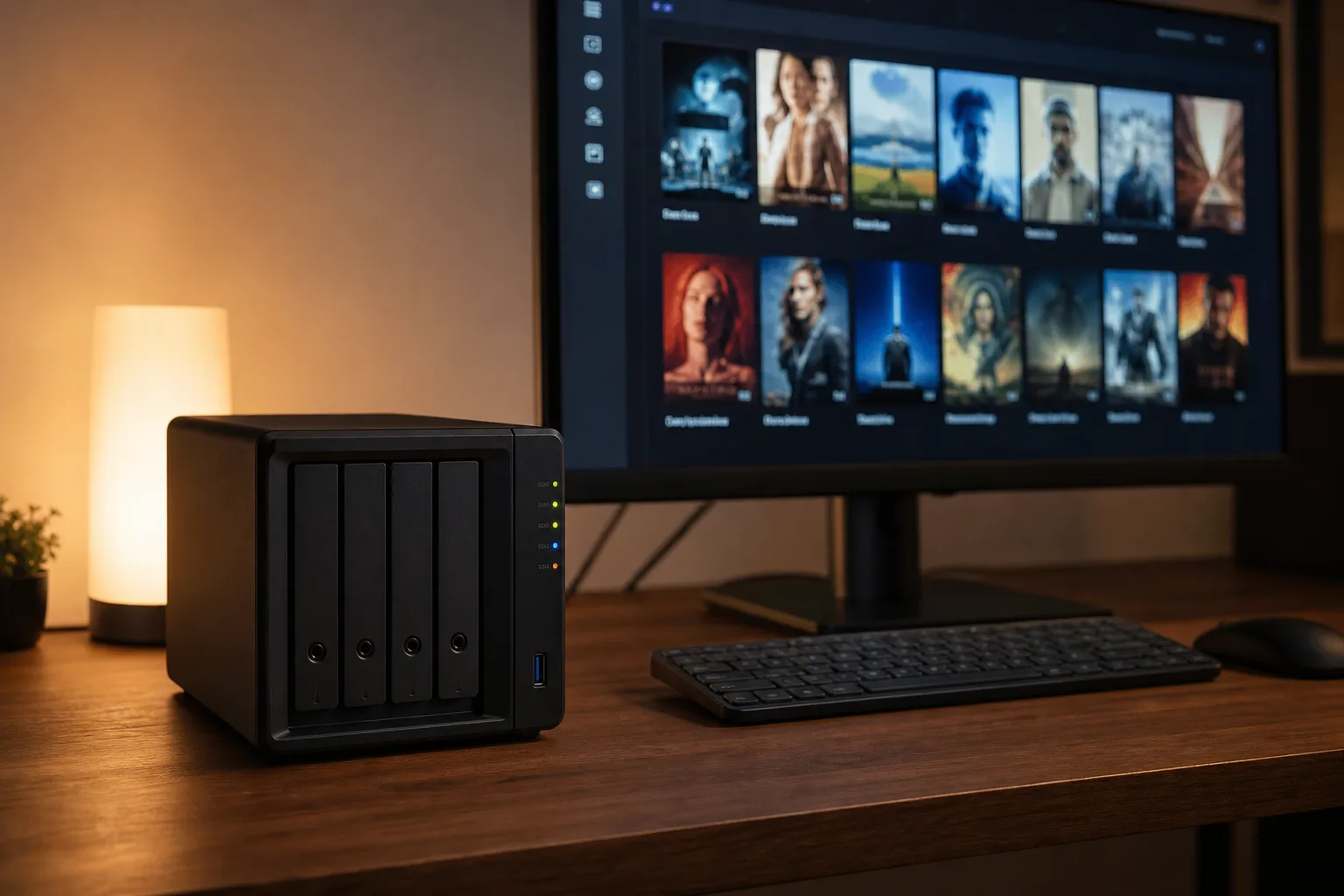
The countdown is on. If you’ve had the Plex Lifetime Pass sitting in the back of your mind as a ‘maybe someday’ purchase, someday is basically now — because on July 1, the price triples. What’s currently $249.99 becomes $749.99 overnight, and Plex isn’t being subtle about it. A bold ‘Last chance’ banner has appeared on the company’s website, and the urgency is entirely warranted.
- The Plex Lifetime Pass price triples from $249.99 to $749.99 on July 1, 2025, giving buyers just days to act.
- Existing Plex Lifetime Pass holders are fully protected and will not see any change to their benefits.
- Plex considered scrapping the lifetime option entirely, citing recurring subscriptions as a more sustainable model.
- A majority of polled users say they’d rather move to a different platform than pay the new $750 price.
Table of Contents
What the Plex Lifetime Pass Price Change Actually Means
The Plex Lifetime Pass gives subscribers permanent access to Plex’s premium features — offline sync, live TV, hardware-accelerated transcoding, mobile sync, and more — for a single one-time payment. Until now, that payment was $249.99. From July 1, it’s $749.99. That’s a $500 jump, a 200% price increase, and one of the steepest single-shot price hikes we’ve seen from a consumer software company in recent memory.
To be clear about who this affects: existing Plex Lifetime Pass holders are completely insulated. Their benefits carry over unchanged, and Plex has made no moves to alter that arrangement. This is purely a change for new buyers. Monthly ($6.99) and annual ($69.99) subscription tiers also remain untouched, so if you’re a recurring subscriber, your renewal costs aren’t going anywhere — at least not yet.
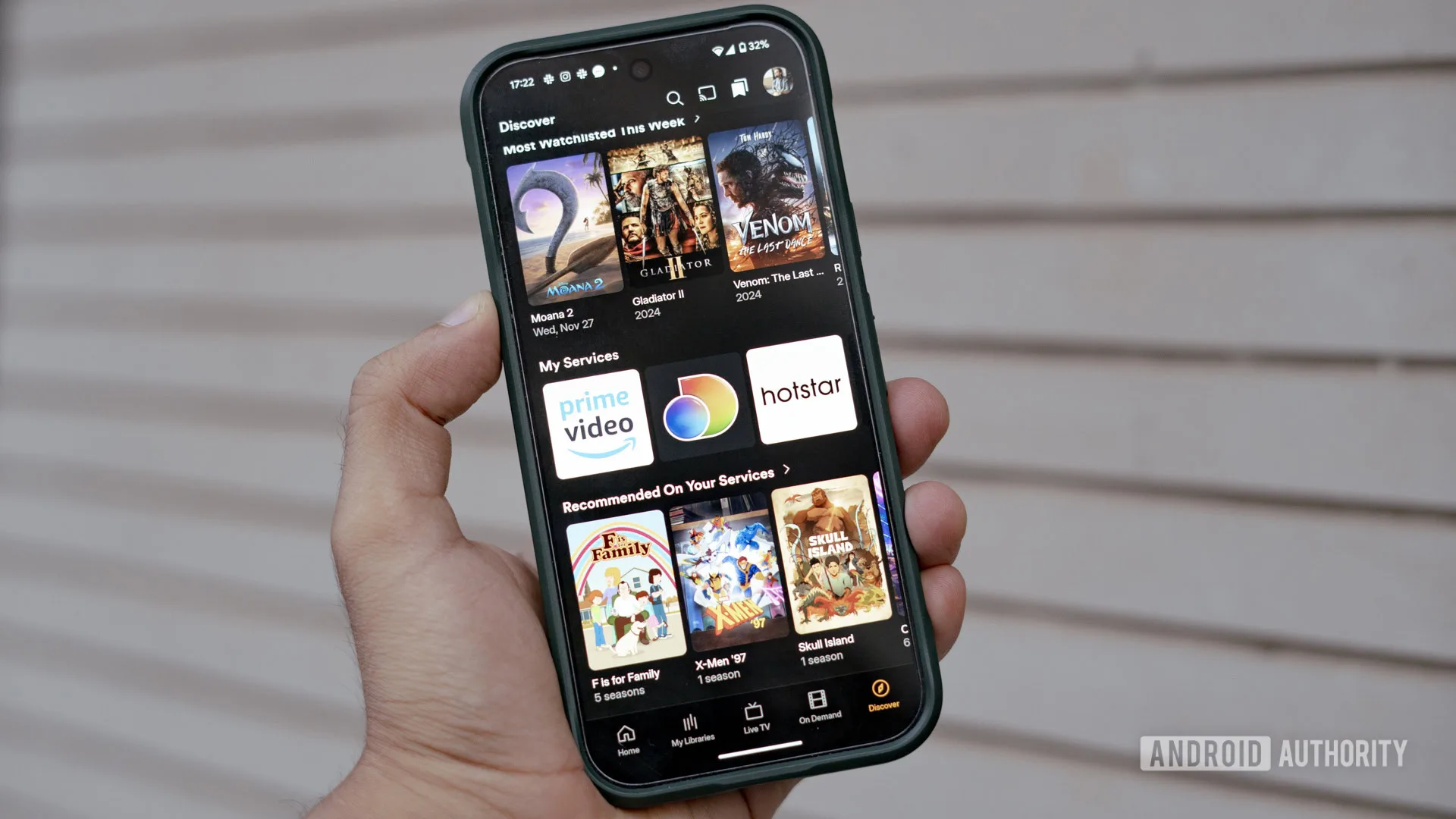
Why Plex Is Making This Move
When Plex dropped this announcement back in May, the company was surprisingly candid about its reasoning. It had apparently weighed whether to kill the Plex Lifetime Pass entirely. The logic isn’t hard to follow: from a business sustainability standpoint, recurring subscriptions are far more predictable than one-time sales. Monthly and annual plans generate reliable cash flow; lifetime passes front-load revenue without any guarantee of long-term customer value.
Rather than axing the lifetime option outright, Plex landed on a middle-ground strategy — keep it available, but price it in a way that reflects something closer to its true long-term value, while naturally steering most new users toward subscriptions. At $749.99, the Plex Lifetime Pass only starts paying for itself financially if you’d otherwise be subscribing for more than ten years at the annual rate. That’s a long horizon, and Plex knows it.
This mirrors a broader pattern playing out across the software industry. Companies that built their early user bases on generous one-time pricing — from productivity apps to media tools — are now wrestling with the uncomfortable reality that investors and operating costs demand predictable, recurring revenue. The lifetime deal, once a compelling growth lever, becomes an accounting headache at scale. Plex is far from the first to reckon with this.
How Users Are Responding — and What That Tells Us
The reaction hasn’t been warm. When Android Authority polled its readers after the May announcement, the most common response wasn’t an intention to rush out and buy a Plex Lifetime Pass before the deadline. It was the opposite — a majority said they’d rather migrate their media library to a competing platform than pay $750 for any lifetime subscription, regardless of what it offers.
That’s a notable signal. Plex’s value proposition has always rested on the idea that it’s the premium, polished option for home media management. But the home media server space has changed considerably. Jellyfin, the free and open-source alternative, has matured significantly and now handles much of what Plex does without any subscription requirement at all. Emby sits somewhere in between, offering a one-time Emby Premiere purchase that looks increasingly attractive to anyone feeling burned by Plex’s pricing shift.
Whether those users actually follow through on moving platforms is a different question. Media library migrations are genuinely painful — metadata, watch history, curated collections, and client configurations don’t transfer cleanly. Plex is probably banking on that friction keeping a significant chunk of its user base in place even as sentiment sours. It’s a reasonable bet, if a slightly cynical one.
Should You Buy the Plex Lifetime Pass Before July 1?
This depends almost entirely on your relationship with Plex and your confidence in its long-term trajectory. If Plex is already your primary home media hub — you’re running it on a NAS or dedicated server, your family uses it daily, and you have no interest in switching — then buying before the deadline is straightforward math. You save $500 today. That’s real money.
But if you’re on the fence about whether Plex remains the right platform for you, locking in $249.99 for a service you might abandon in two years isn’t necessarily a bargain. The annual plan at $69.99 gives you flexibility. You can reassess year by year, and if Plex’s direction stops making sense for you, you haven’t committed several hundred dollars to the relationship.
There’s also a fair question about what a $749.99 Plex Lifetime Pass signals for the product’s future. Pricing a lifetime option so aggressively high is partly an admission that Plex expects to be around for a very long time — but it’s also a way of telling you that lifetime purchases aren’t really the company’s priority anymore. If Plex’s focus shifts increasingly toward its streaming content layer and away from the self-hosted media server features that made it famous, the calculus for heavy power users changes substantially.
The Bigger Picture for Home Media Platforms
Plex’s pricing decision is, in some ways, the end of an era. The idea that you could pay once and get perpetual access to premium software was always going to collide with the realities of running a cloud-connected, actively developed platform. Servers cost money. Features cost engineering time. Support costs people.
The uncomfortable truth is that $249.99 for a Plex Lifetime Pass was almost certainly underpriced for years. The problem is that tripling the price in a single move — rather than incrementally raising it — creates sticker shock that pushes users toward alternatives at exactly the moment those alternatives have never been more capable. Jellyfin in 2025 is not Jellyfin in 2018. The competitive landscape has quietly shifted, and Plex’s aggressive repricing might accelerate that shift faster than the company anticipates.
For now, the deadline is July 1. If you want in at the old price, you have hours, not days. After that, Plex is betting that $749.99 is a number serious home media enthusiasts will ultimately accept. Whether the market agrees is a question that’ll take the rest of 2025 to answer.