Amazon’s Prime Day officially closed on June 26, and if you blinked, you missed most of it. But here’s the thing about Prime Day deals: the sale ending doesn’t always mean the savings do. A surprising number of discounts have stuck around, and a few of them are genuinely worth your attention — not filler items padded out to make a list look longer, but products people were actually buying in volume throughout the sale week.
- Several Prime Day deals are still active days after the sale officially ended on June 26.
- The best Prime Day deals that lingered include smart home accessories like Kasa’s ultra-mini smart plug 4-pack at 20% off.
- Competing sales from Best Buy and Walmart ran alongside Amazon but have mostly wrapped up now.
- Waiting too long on surviving Prime Day deals is risky — historically, these post-sale prices disappear within days.
Table of Contents
What Happened to the Competing Sales?
Every year, Amazon’s Prime Day triggers a kind of retail reflex. Best Buy launches its ‘Black Friday in July’ event, Walmart fires up its own competing sale, and Target quietly drops deals it hopes you’ll stumble across. Prime Day deals act as a gravitational centre for the entire industry during that window — retailers simply can’t afford to sit it out while Amazon hoovers up consumer spending.
This year was no different. Best Buy, Walmart, and others ran parallel promotions that overlapped with Amazon’s two-day window. Most of those have now wrapped, which makes the deals that are still active the more interesting story. When a discount survives the end of a major sale event, it usually signals one of two things: either the retailer or brand is sitting on inventory and needs to move it, or the product’s demand stayed high enough that they’re keeping the price low to keep conversion rates up.
Prime Day Deals Still Live Right Now
Of the products that were popular with shoppers during the sale period, a handful of Prime Day deals are still active. Here’s what’s worth looking at — and why.
Kasa Ultra Mini Smart Plug 4-Pack — $24 (was $30)
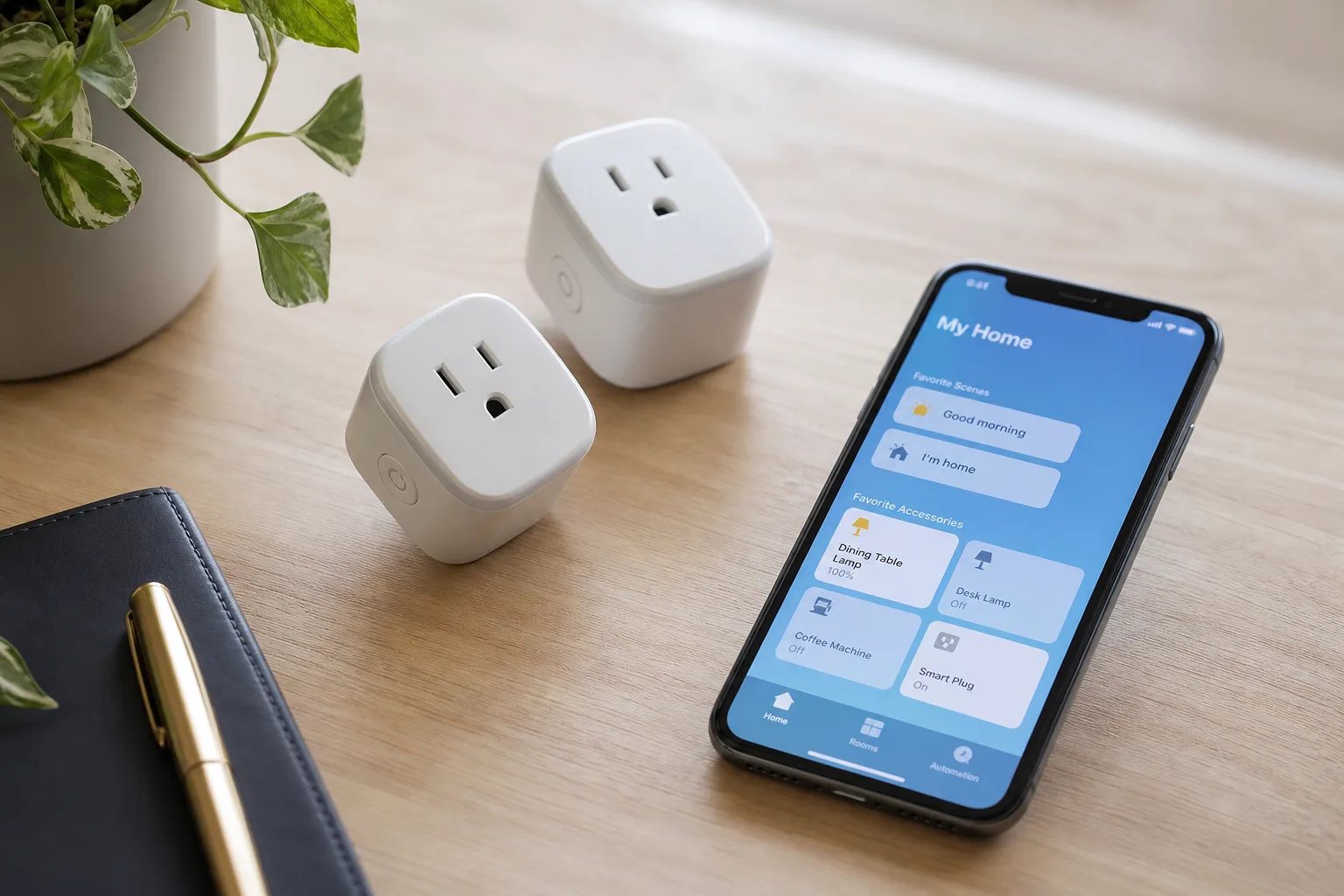
This is the one that stands out most clearly on value. Kasa’s ultra-mini smart plug 4-pack is down 20% to $24, and while Amazon’s own branded smart plug deal has expired, this Kasa option is arguably the better buy anyway. The ‘ultra mini’ form factor matters more than it sounds — standard smart plugs are notoriously bulky and frequently block the second outlet on a socket, defeating the purpose of buying a pack. Kasa’s compact design sidesteps that entirely.
As a brand, Kasa Smart — owned by TP-Link — has quietly become one of the most reliable names in budget smart home accessories. Their plugs integrate with both Amazon Alexa and Google Home, they don’t require a separate hub, and setup takes about three minutes. For anyone building out a smart home on a budget, a 4-pack at $24 is a strong entry point. At $6 a plug, you’re not taking much of a risk.
The practical use cases are straightforward: automate lamps so they turn on at sunset, set a schedule for a fan or space heater, or just kill the phantom power draw from devices you keep forgetting to unplug. None of this is new technology, but it’s useful technology — and at this price, the barrier to just trying it is basically zero.
Why Post-Sale Deals Disappear Faster Than You Think
There’s a tendency to treat post-sale discounts as if they’ll just sit there indefinitely. They won’t. The mechanics of how Prime Day deals linger are worth understanding. When Amazon or a third-party seller sets a promotional price, that price is often tied to a specific inventory allocation or a time window that’s been budgeted in advance. Once the stock threshold is hit, or once the marketing budget for the promotion runs out, the price snaps back automatically.
This is especially true for third-party brands selling through Amazon’s marketplace. A company like Kasa might have committed to 20% off on a set number of units as part of a Prime Day promotional agreement. When those units are gone, the deal is gone — regardless of what date it is. The post-sale window where deals remain active is typically measured in days, not weeks.
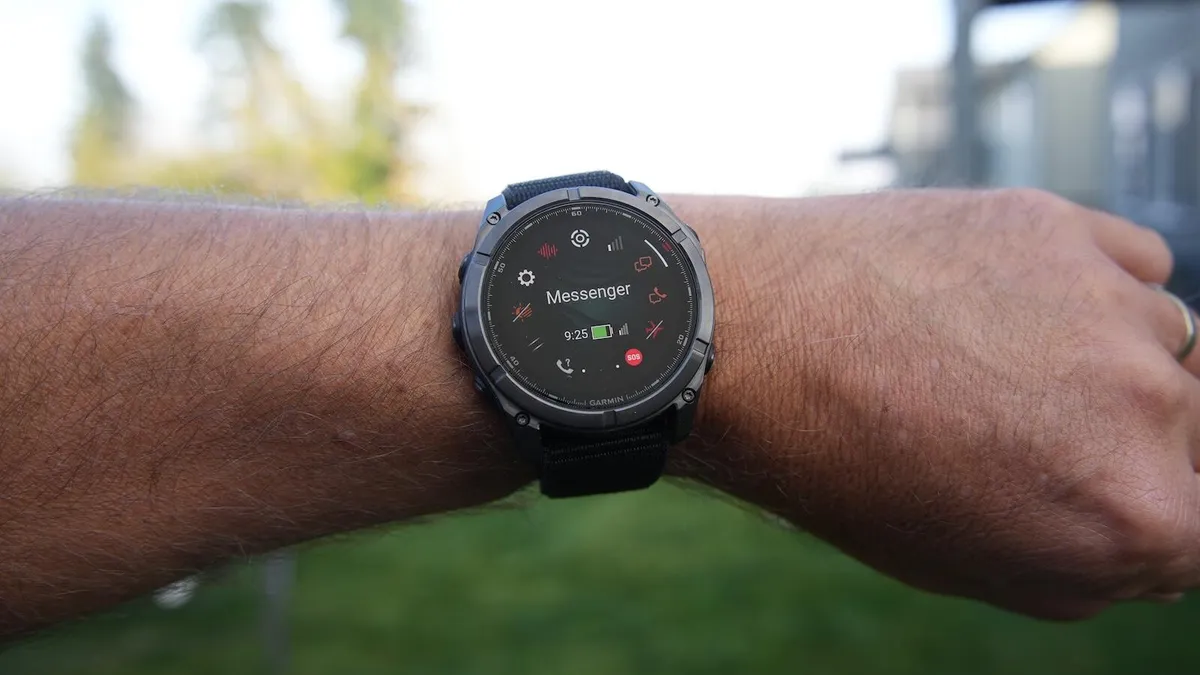
Historically, the pattern holds across categories. Smart home accessories tend to have short post-sale discount windows because demand stays elevated as deal-hunters continue searching after the official sale ends. Electronics like earbuds and smartwatches follow a similar curve. The Garmin Fenix 8 Pro, which was one of the top-selling items throughout Prime Day week according to purchasing data, is another example of a product where the post-sale price window is unpredictable — Garmin doesn’t discount aggressively often, so when a price drop surfaces, it’s genuinely notable.
The Broader Smart Home Angle
It’s no accident that smart home accessories consistently show up in post-sale deals. The category has matured significantly over the past three years — Prime Day deals on smart plugs, bulbs, and sensors have become almost a ritual, because the price points are low enough to drive impulse purchases and the use cases are broadly understood now.
What’s changed is the quality floor. Early cheap smart plugs from unknown brands were genuinely unreliable — laggy app responses, dropped Wi-Fi connections, firmware that never got updated. Kasa isn’t in that bucket. TP-Link has been around long enough and sells enough volume that the software gets maintained. That matters for something you’re going to plug in and leave running for years.
The smart home market is also in an interesting position right now with the Matter standard gaining traction. Matter — the interoperability protocol backed by Apple, Google, Amazon, and Samsung — promises that devices will work seamlessly across ecosystems without brand lock-in. Kasa has begun rolling out Matter support across its product line, which means buying one of these plugs today doesn’t trap you in a specific ecosystem if you decide to switch platforms later.
How to Spot Which Prime Day Deals Are Actually Worth It
Not every surviving discount after a major sale is a genuine find. Some products have ‘original’ prices that are artificially inflated to make a modest markdown look bigger. A few rules of thumb help cut through the noise when evaluating remaining Prime Day deals.
- Check price history. Tools like CamelCamelCamel or the Honey browser extension track Amazon price history over time. If a product’s ‘original’ price has only ever been charged for a few days before every discount, the discount isn’t what it looks like.
- Prioritise known brands. For smart home tech especially, the support and reliability difference between established brands and grey-market alternatives is significant. TP-Link/Kasa, TP-Link/Tapo, Amazon’s own Alexa devices, Philips Hue, and Meross are all reasonable names at various price points.
- Consider the use case realistically. A smart plug at $6 each is an easy yes. A smartwatch at a ‘record low’ price is worth more scrutiny — is it the model you’d actually use, or just the cheapest one on sale?
- Don’t wait more than 48 hours. If you’re genuinely interested in a surviving post-sale deal, the window is short. The farther you get from the official sale end date, the higher the probability the price reverts.
The longer pattern here is that Prime Day has become less a single event and more a seasonal moment in the retail calendar — one where deals cluster, competitors react, and a tail of genuine savings extends a few days past the official end. The shoppers who benefit most are the ones who know where to look after the noise dies down, not just during the peak of the sale itself. A $24 4-pack of smart plugs isn’t a headline, but it’s exactly the kind of quietly useful purchase that makes a smart home setup incrementally better without requiring a significant outlay. And right now, that deal is still there.
Frequently Asked Questions
How long do Prime Day deals last after the sale ends?
Some Prime Day deals expire when the sale closes, but a handful of discounts can linger afterward. Competing sales from retailers like Best Buy and Walmart wrapped up shortly after Amazon’s sale ended.
Are Kasa smart plugs compatible with Alexa and Google Home?
Kasa smart plugs are noted for automating lights, appliances, and more, making them a versatile pick for smart home setups. The ultra-mini 4-pack format also makes them practical for everyday use.
Do competing retailers match Amazon’s Prime Day deals?
Best Buy, Walmart, and other retailers ran competing sales timed to coincide with Prime Day. The source does not detail how closely their prices matched Amazon’s or membership requirements to access those deals.