

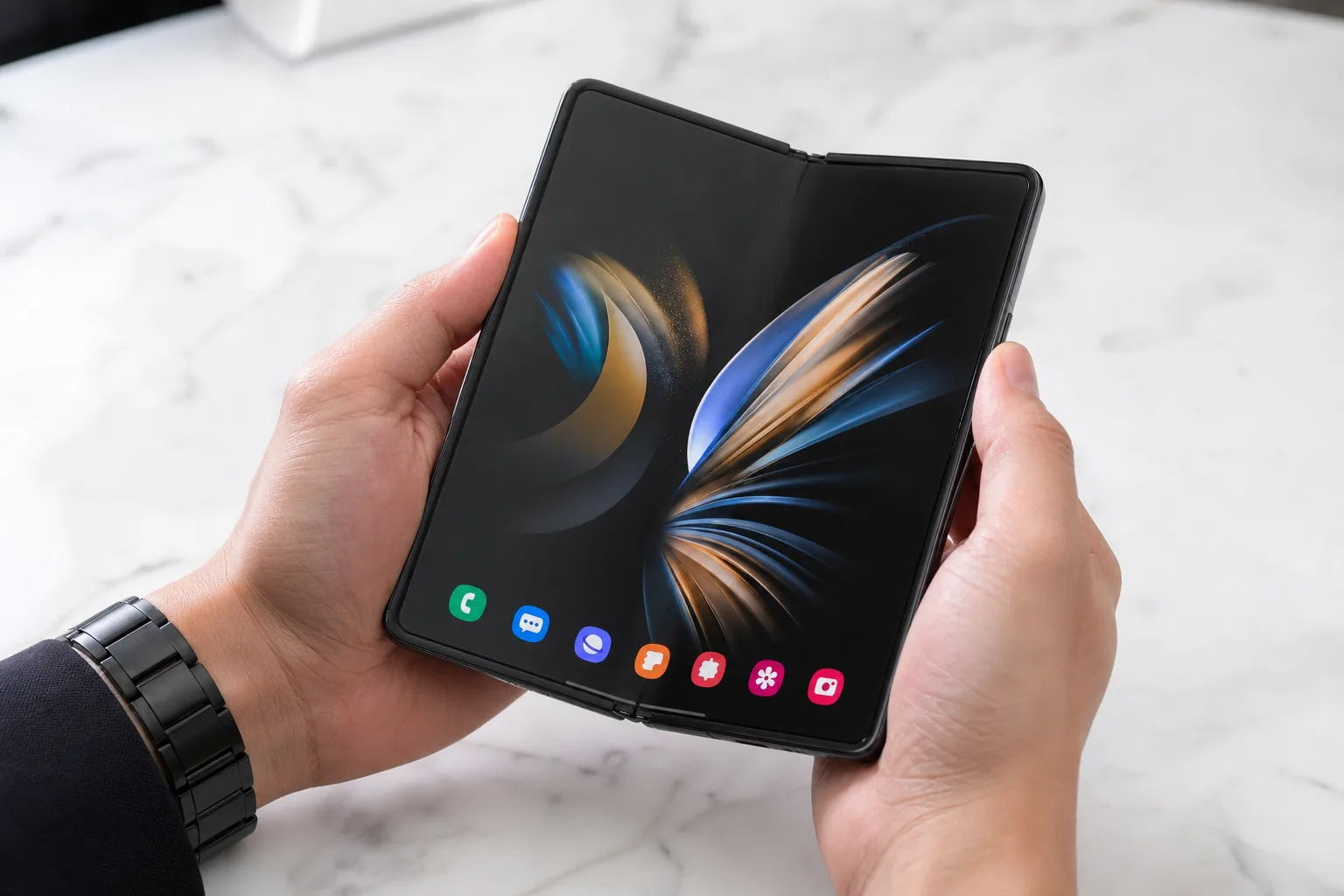
Apple is placing a much bigger bet on its first foldable than anyone initially expected. According to a new report from Nikkei Asia, the company has told suppliers to prepare for roughly 10 million units of the foldable iPhone Ultra — a number that’s comfortably ahead of the 7 to 8 million figure analysts had been working with just a few months ago. That upward revision says a lot about Apple’s internal confidence in a product that hasn’t even been officially announced yet.
- Apple has ordered 10 million foldable iPhone Ultra units, up from earlier forecasts of 7 to 8 million.
- The foldable iPhone Ultra is expected to carry a starting price of $2,500, with top storage configs reaching $3,000.
- Apple’s total 2026 iPhone orders could hit 220 million units, aligning closely with IDC’s 240 million shipment forecast.
- The standard iPhone 18 won’t arrive until spring, extending the iPhone 17’s market life to roughly 18 months.
Table of Contents
Apple Raises the Bar for Foldable iPhone Ultra Demand
A 25–43% jump in production targets isn’t something Apple does casually. The company runs one of the most disciplined supply chains in consumer electronics, and when it tells component suppliers to reserve capacity at this scale, it means the internal forecasting models are pointing strongly in one direction. Apple has reportedly also asked suppliers to hold back some common parts from the iPhone 17 series to be shared with the incoming iPhone 18 premium lineup — a sign that it’s actively managing component supply amid what Nikkei describes as ‘ongoing shortages.’
To put the 10 million figure in context: Samsung shipped roughly 10 million Galaxy Z Fold units globally across all of 2023 and 2024 combined. Apple is reportedly targeting that same number in its debut quarter window. Whether or not the foldable iPhone Ultra actually clears that bar will be one of the more closely watched launches in years.
The $2,500 Price Tag — Luxury Product, Not Mass Market
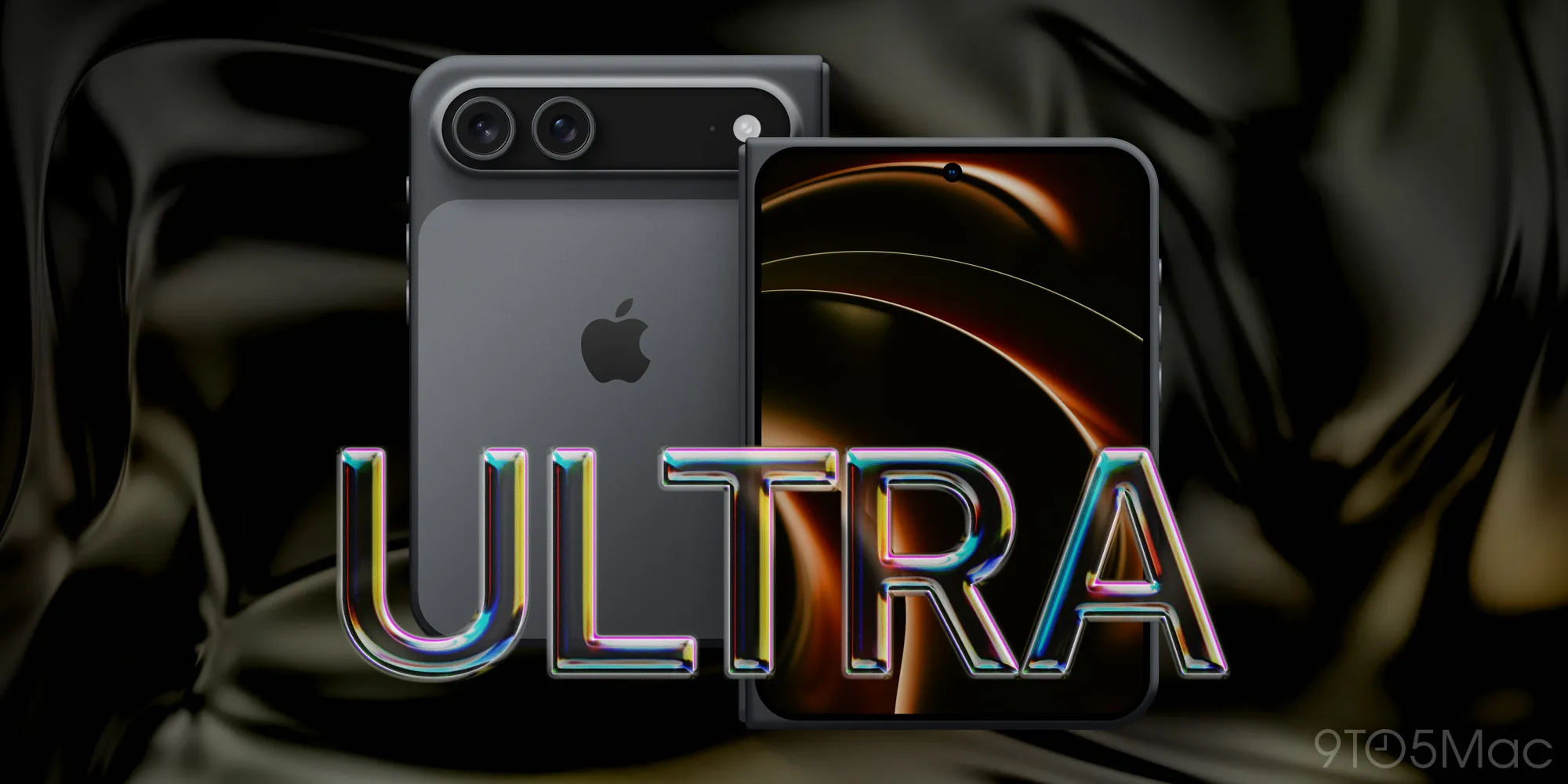
IDC has pegged the average selling price of the foldable iPhone Ultra at $2,500, with premium storage configurations potentially hitting $3,000. That pricing alone makes this the most expensive consumer iPhone Apple has ever sold — a distinction that carries both risk and strategic intent. Apple isn’t trying to out-volume Samsung here. It’s creating a category-defining device that sits firmly above even the iPhone 16 Pro Max, which currently tops out around $1,599.
For comparison, Samsung’s Galaxy Z Fold 6 starts at $1,899. Google hasn’t even entered the book-style foldable market in a meaningful way. Apple charging $600 to $1,100 more than the closest Android competitor is an audacious move — but it’s also very much on-brand for a company that has never shied away from extracting premium pricing when it believes the product justifies it. The question is whether the foldable iPhone Ultra delivers an experience that makes $2,500 feel like an obvious choice rather than an aspirational indulgence.
There’s also something telling about the ‘Ultra’ branding. Apple has used that suffix for the M-series chips and the Apple Watch Ultra, always at the top of the lineup and always at a price that signals ‘this is for people who want the absolute best.’ Attaching it to the foldable iPhone makes the positioning crystal clear from day one.
The Bigger 2026 iPhone Picture
The foldable iPhone Ultra is just one piece of a much larger supply chain story. Nikkei’s reporting indicates that the 10 million foldable units sit alongside approximately 70 million units of the iPhone 18 Pro and iPhone 18 Pro Max in the second-half 2026 order book. Combined with earlier orders, total iPhone production targets for 2026 land somewhere around 220 million units — not far from IDC’s independent forecast of close to 240 million shipments for the full year.
Apple has reportedly given some suppliers a ceiling of 85 million new iPhone units for the second half of 2026 alone, which would make H2 2026 one of the most supply-intensive periods in the company’s history. That kind of volume commitment, made while component shortages are still an active concern, reflects both ambition and a willingness to absorb risk to avoid the kind of supply constraints that throttled iPhone availability in previous cycles.
A New Release Calendar Takes Shape
Perhaps one of the more underreported elements of this story is what’s happening at the other end of the iPhone lineup. Apple is not expected to refresh the standard iPhone with an iPhone 18 model until spring — meaning the iPhone 17 will stay on shelves for roughly 18 months rather than the typical 12. That’s a deliberate schedule shift, not a delay.
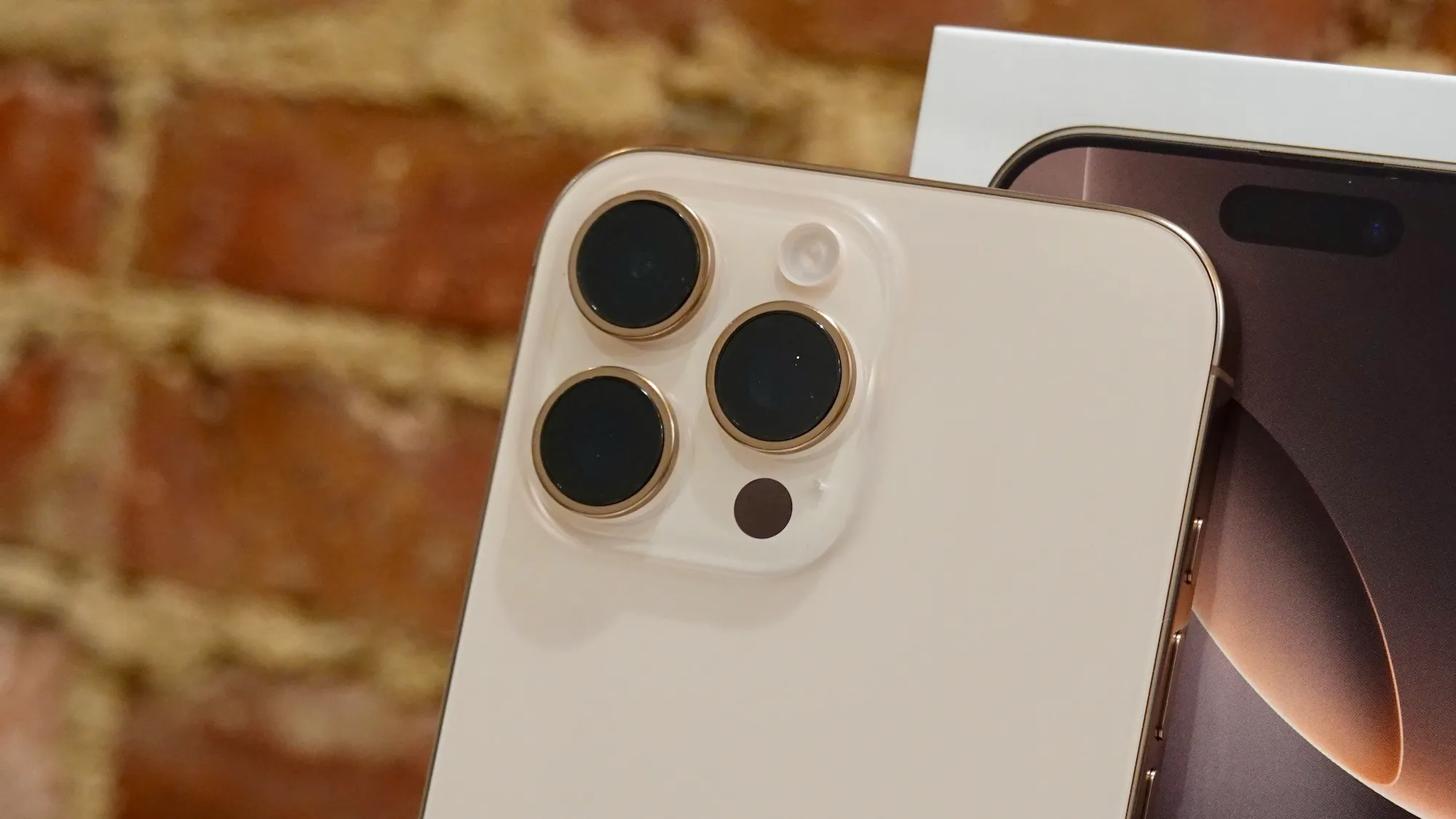
The iPhone Air, introduced in September 2025 as Apple’s thin-and-light mid-premium option, is expected to follow the same spring refresh cadence. What this creates is a two-wave iPhone calendar: a fall launch focused entirely on Pro and ultra-premium models (including the foldable), followed by a spring refresh covering the standard and Air tiers. It’s a smarter way to spread out the news cycles and manufacturing pressure — and it quietly signals that Apple views the standard iPhone as a different kind of product than its Pro lineup, one that doesn’t need to compete for the same September spotlight.
For consumers, the practical implication is straightforward: if you’re in the market for a standard iPhone 18, you won’t see it until 2027. If you want to be among the first to own a foldable iPhone Ultra, September 2026 is the window — with a possible slight delay for the foldable specifically, though still within the calendar year.
What This Means for the Foldable Market
The foldable smartphone segment has existed in a kind of permanent ‘almost mainstream’ state for five years now. Samsung has iteratively improved the Galaxy Z Fold series, but it’s never broken into truly mass-market volumes. Motorola, Huawei, and OnePlus have all taken shots, with varying degrees of success. The fundamental challenge has always been the same: consumers haven’t had a compelling enough reason to accept the form factor’s trade-offs — thickness, crease visibility, durability concerns, and price — when a conventional flagship does almost everything they need.
Apple entering with the foldable iPhone Ultra changes the calculus. Not because Apple’s engineering is necessarily superior to Samsung’s (though the rumored use of hi-tech adhesive to minimize the crease is worth watching), but because Apple’s ecosystem lock-in and brand weight mean millions of iPhone users who have never seriously considered a foldable will now at least pause and look. Apple legitimizing a product category has historically been more powerful than being first to it — it did it with smartwatches, true wireless earbuds, and tablet computing. The foldable iPhone Ultra may finally be the moment the foldable market tips from niche to aspirational mainstream.

