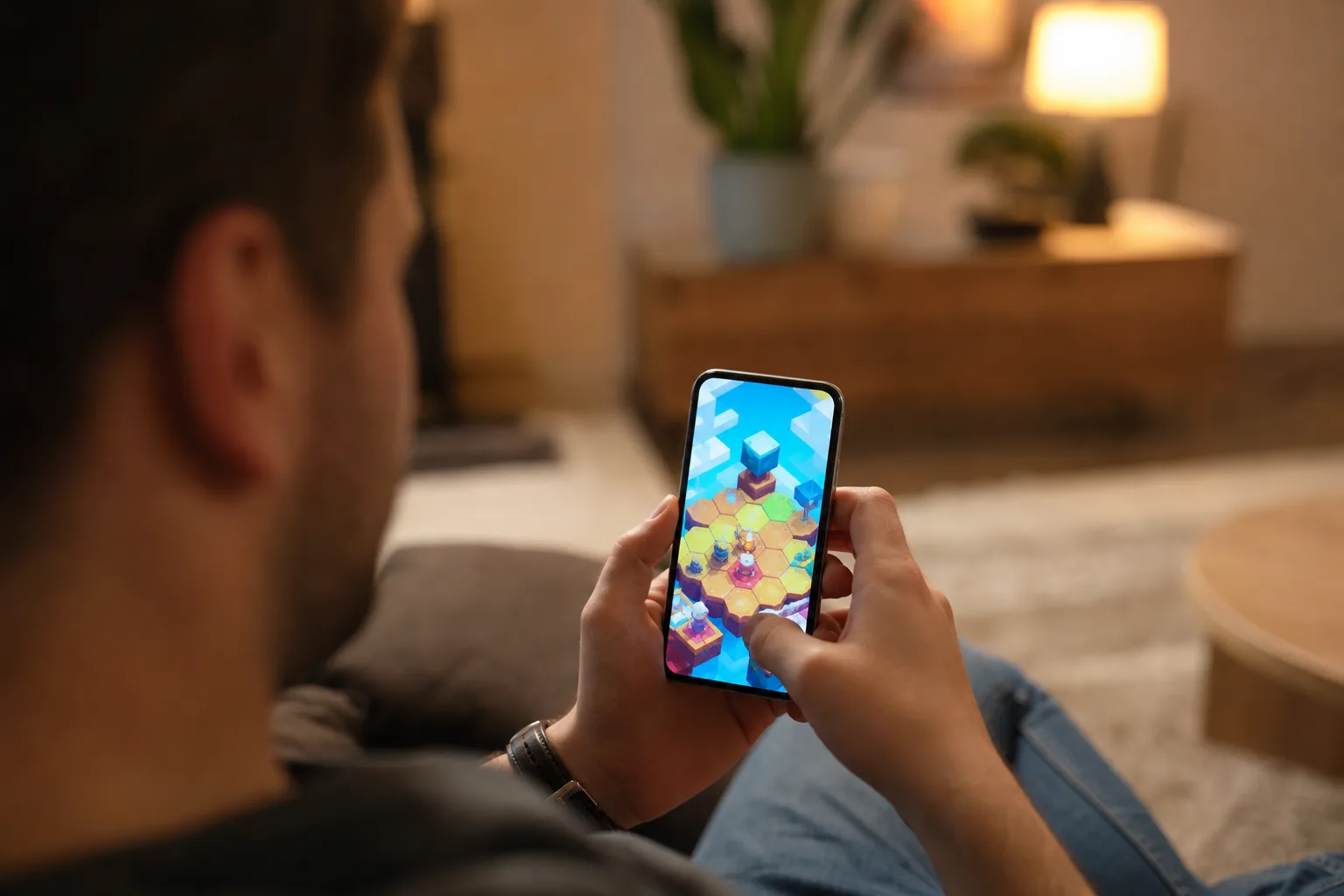
Meta has never been shy about acquiring a promising startup and folding it into something bigger. The Meta Pocket app is the latest example — a fresh, standalone platform that turns anyone with a creative idea into a game developer, no coding experience required. It’s vibe coding meets social media, and it’s arriving at exactly the moment when AI-assisted creation is becoming a genuine mainstream habit.
- The Meta Pocket app lets anyone build AI-powered games and experiences without writing a single line of code.
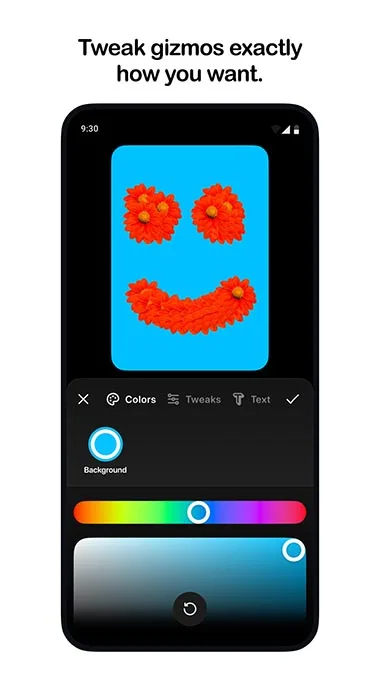
- Meta Pocket app creations, called ‘gizmos,’ respond to touch, phone tilt, sound, and even your camera roll.
- Meta acquired vibe-coded game platform Gizmo earlier in 2026, making Pocket a direct result of that deal.
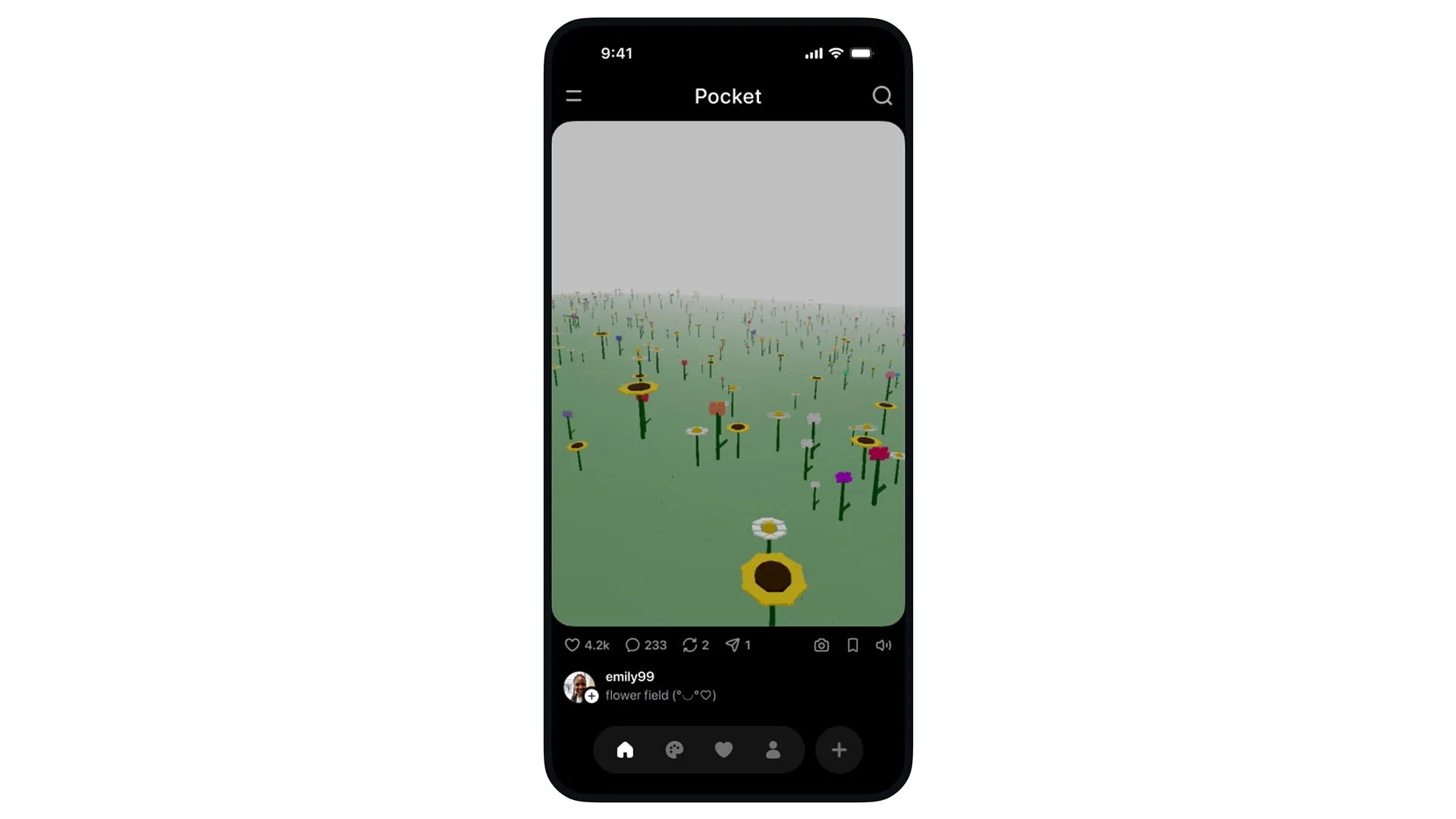
- Pocket includes a social feed where users can explore, interact with, and remix gizmos built by others.
Table of Contents
What the Meta Pocket App Actually Does
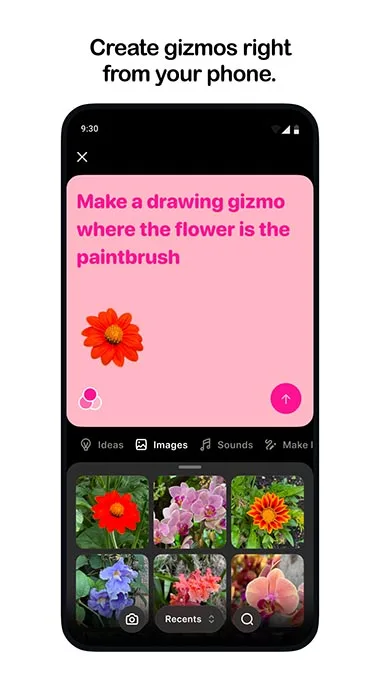
At its core, the Meta Pocket app is an AI-powered creation tool aimed squarely at people who have never touched a game engine in their lives. You describe what you want — a bouncy physics toy, a simple arcade-style game, an interactive camera experience — and the app’s AI builds it for you. Meta is calling these creations ‘gizmos,’ which is a deliberate nod to the startup behind the technology.
Gizmos aren’t just static little programs either. They respond to touch and to the physical tilt of your phone, can trigger sound effects and music, and have access to your device’s camera and camera roll. That last detail is significant. It opens the door to something well beyond simple gaming — think interactive photo experiences, custom AR-adjacent filters, or personalised camera effects that blur the line between a game and a creative tool. That’s territory currently occupied by Snapchat’s Lens Studio and Instagram’s own effects platform, and Meta will be very aware of that overlap.
The Gizmo Acquisition Connection
The Meta Pocket app didn’t materialise out of thin air. Earlier in 2026, Meta quietly acquired Gizmo, a startup that had already built a vibe-coding platform specifically for interactive games and experiences. Pocket is the direct consumer product that came out of that deal — Meta took Gizmo’s underlying AI creation engine, wrapped it in a social feed, and shipped it as a standalone app under a new name.
It’s a pattern Meta knows well. The company bought Instagram for its camera and community, WhatsApp for its messaging network, and Oculus for its VR hardware and software expertise. Gizmo gave Meta something it was clearly missing: a credible, working foundation for AI-driven game creation at a time when that space is heating up fast. Rather than build from scratch, Meta bought the head start.
Vibe Coding Is Having Its Moment — and Meta Wants In
If ‘vibe coding’ sounds like a buzzword that emerged from a late-night developer Twitter thread, that’s because it essentially did. But in 2026 it’s become a genuine product category. Google has been pushing the concept hard through Project Genie and its AI Studio, which lets users generate functional apps through natural language prompts alone. Dozens of smaller tools have sprung up around the same idea, from Cursor to Replit’s AI features to dedicated mobile-first platforms.
On the gaming side specifically, an iOS app called Jamboree has carved out an interesting niche — users describe games in plain English, Jamboree builds them with AI, and the community can then play and remix what others have made. Sound familiar? The Meta Pocket app is operating in very similar territory, though with the full weight of Meta’s distribution machine behind it rather than a scrappy indie team. That distinction matters enormously when it comes to reaching a mass audience quickly.
The Social Feed Is the Real Play Here
What separates the Meta Pocket app from a straightforward creation tool is the social layer baked in from day one. Users don’t just build gizmos and keep them private — they share them to a public feed where others can interact with and remix them. That remix mechanic is smart. It lowers the barrier for users who might feel intimidated starting from scratch, while also giving experienced creators a way to see their work spread and evolve.
Meta has built this loop before. The early days of Facebook’s app platform, Instagram’s Reels remixing, and the collaborative nature of WhatsApp group culture all point to the same underlying insight: creation is more compelling when it’s inherently social. Pocket is applying that thinking to games and interactive experiences, and if the content is good enough — genuinely fun, weird, or surprising gizmos that spread through the feed — it could develop a sticky community quickly.
There’s also a broader strategic angle worth considering. Meta’s Reality Labs division has been burning billions trying to make virtual and augmented reality mainstream through the Quest headsets and Ray-Ban smart glasses. Pocket is a much lighter-weight bet on the same instinct — that people want to create and experience interactive digital content — but one that runs entirely on the phone already in everyone’s pocket.
Where the Meta Pocket App Goes From Here
Right now, Pocket appears to be in a limited regional rollout, unavailable in large markets like India. That’s typical for a soft launch — Meta will be watching engagement metrics, stress-testing the AI creation pipeline, and almost certainly iterating on the gizmo format before a wider push.
The camera access angle deserves more attention as the app matures. If Meta lets the Meta Pocket app evolve into a tool for building shareable camera filters and effects — not just games — it becomes a direct competitor to Snapchat’s Lens Studio ecosystem, which has tens of thousands of community-built AR effects. Snapchat has spent years cultivating that creator community. Meta, with Pocket, could try to shortcut that entire process by making filter creation as simple as typing a description.
That’s a significant threat if it works. And given how quickly AI-assisted creation tools have improved over the past 18 months, ‘if’ is doing less work in that sentence than it used to. The Meta Pocket app is early, limited, and still largely unproven — but the timing, the acquisition strategy behind it, and the social mechanics all suggest this is a product Meta intends to take seriously. Whether gizmos become the next Reels-style format that spreads across the internet, or a forgotten experiment buried in the app store, will depend almost entirely on whether the AI can consistently produce something genuinely worth playing.