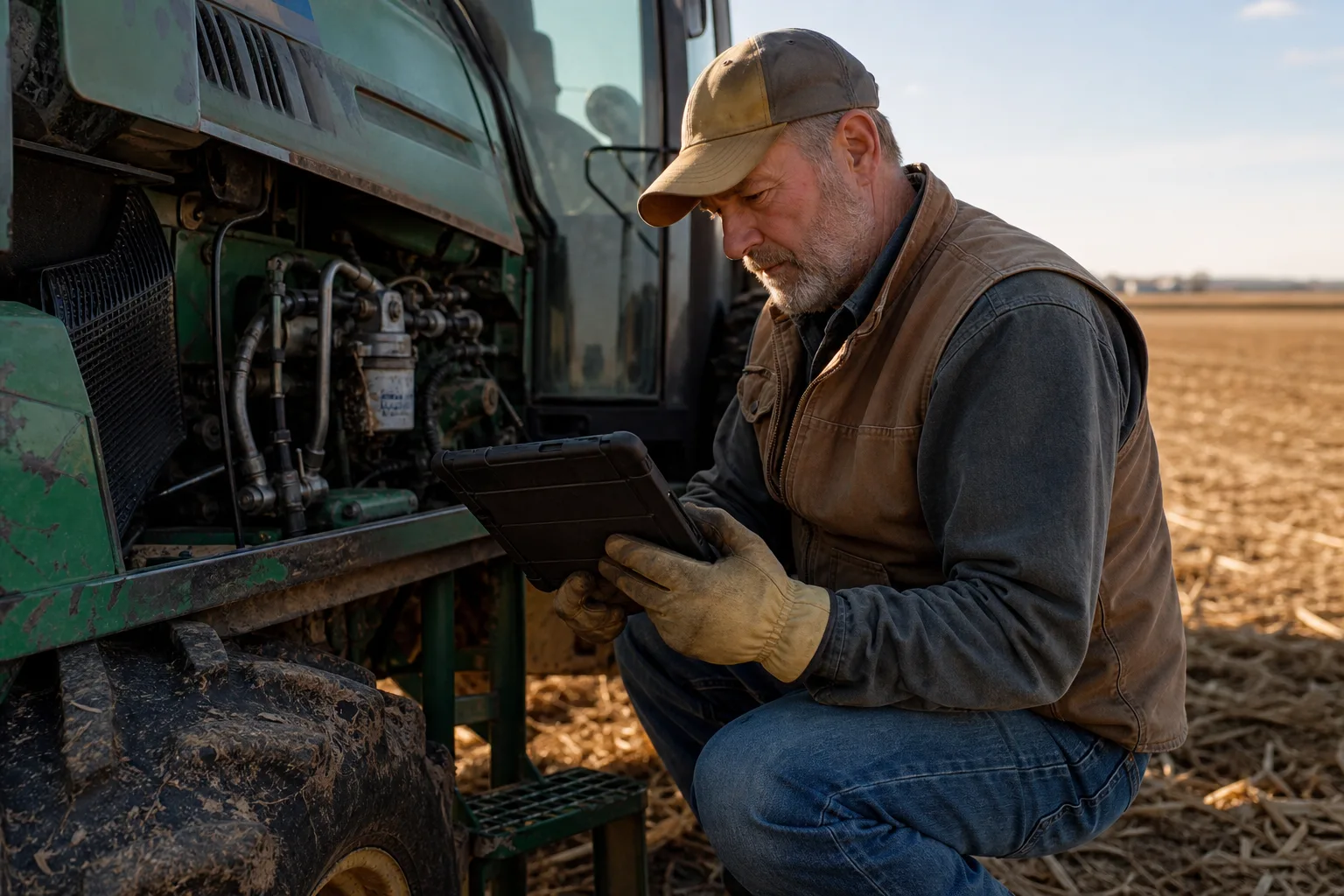
Farmers have been fighting this battle for years. Now, thanks to a landmark settlement between the Federal Trade Commission and John Deere, the right to repair has finally arrived for one of the most dominant names in agricultural equipment — and the ruling has implications that stretch well beyond the farm.
- The FTC’s right to repair settlement forces John Deere to give farmers and independent shops access to diagnostic tools.
- This right to repair deal is John Deere’s second major settlement in 2025, following a $99 million class-action payout in April.
- Deere must pay $1 million to five states and face strict compliance oversight for the next 10 years.
- Deere dealers are now banned from retaliating against customers or shops that choose to repair equipment independently.
Table of Contents
What the FTC Settlement Actually Requires
The core of the agreement is straightforward: Deere & Co. must make its diagnostic and repair tools available to equipment owners and independent repair shops, not just its network of authorized dealers. That sounds obvious, but it represents a significant reversal for a company that has spent years tightly controlling the software and tools required to fix its own machines. Advocates have long argued that the right to repair is fundamental to equipment ownership, and this settlement is a direct vindication of that position.
The order, filed in Illinois and headed to Judge Iain D. Johnston for approval, also includes a notable anti-retaliation clause. Deere’s dealers are now explicitly prohibited from punishing farmers or independent mechanics who choose to fix equipment themselves rather than pay for Deere-approved service. That kind of clause matters — without it, a company can technically comply with a settlement while making independent repair economically or practically painful through other means.

Deere will also pay $1 million collectively to the five states involved — Arizona, Illinois, Michigan, Minnesota, and Wisconsin — to cover antitrust enforcement costs. The company will face compliance oversight for the next decade. Ten years is a long leash, but it’s also a meaningful commitment: it signals that the FTC isn’t treating this as a one-time check-in. The FTC has made right to repair enforcement a stated priority, and this settlement is among its most consequential actions in that area.
A Pattern of Repair Restrictions — and Legal Pushback
The FTC and state attorneys general filed their antitrust lawsuit in January 2025, arguing that Deere had illegally locked farmers and independent shops out of the repair market by controlling access to a key piece of service software. The complaint specifically called out Deere’s practice of supplying a full diagnostic tool to authorized dealers while giving equipment owners and independent shops only a limited version — or nothing at all.
Deere pushed back hard. The company called the lawsuit baseless, denied that its software distribution was anticompetitive, and argued it couldn’t monopolize repair services because it doesn’t directly provide them. That’s a clever legal framing, but it didn’t hold up: controlling the tools required to perform a service is functionally equivalent to controlling the service itself, and the FTC clearly saw it that way.
Arizona Attorney General Kris Mayes put it bluntly in a statement Wednesday: “For too long, Arizona farmers and independent mechanics have been at the mercy of Deere’s monopoly over repair tools, forced to wait — and pay — for authorized dealers just to fix broken tractors and other equipment.” That waiting isn’t just inconvenient — during planting or harvest season, a broken tractor that can’t be fixed immediately is a direct financial loss. The right to repair movement has been making exactly this argument for years, and regulators are now listening.
Deere’s Second Settlement of 2025
This FTC action is actually the second time Deere has settled major repair-related litigation this year. Back in April, the company agreed to a $99 million class-action settlement with farmers who argued they’d been overcharged for dealer-only repairs. That settlement put money back in farmers’ pockets, but it didn’t change how Deere operates going forward. This FTC settlement does.
The difference matters. Class-action payouts compensate victims of past behaviour. Consent orders — which is what this FTC settlement effectively is — change future behaviour. The combination of both is genuinely meaningful, and it suggests that Deere’s repair restrictions weren’t just an aggressive business strategy — they were, at minimum, legally indefensible ones. For the broader right to repair movement, the precedent set here may prove just as valuable as the settlement terms themselves.

Denver Caldwell, Deere’s vice president of aftermarket and customer support, struck a conciliatory tone in the company’s official statement: