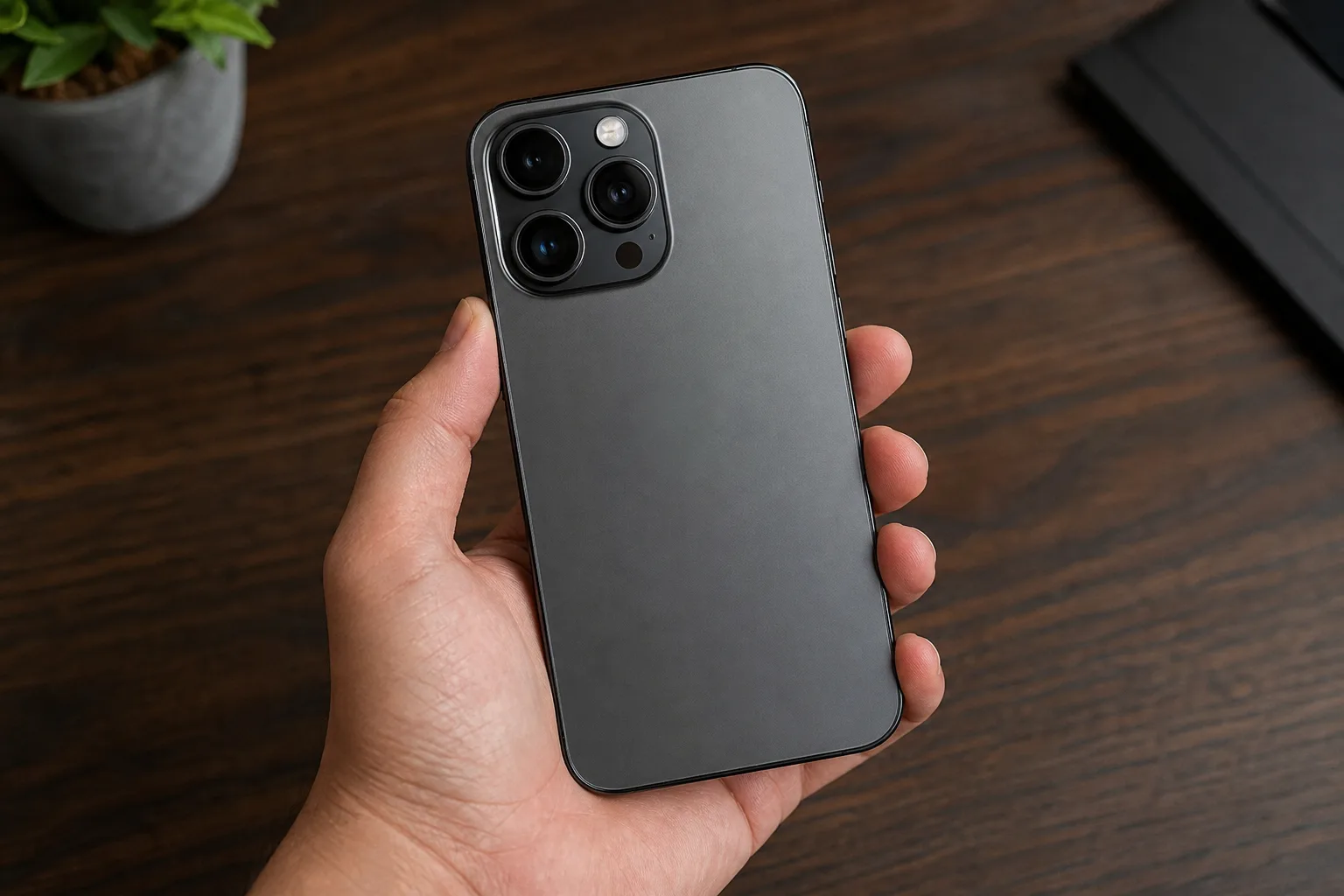
- The Galaxy S27 battery rumor points to 5,200mAh capacity for the Pro and 5,700mAh for the Ultra.
- A larger Galaxy S27 battery could give Samsung’s next flagships a meaningful endurance advantage without making the phones substantially thicker.
- Reported rated capacities are 5,087mAh for the Pro and 5,534mAh for the Ultra, before Samsung’s typical-capacity marketing figures.
- Silicon-carbon anodes may explain the gains, but charging speeds, heat management, and battery longevity remain unanswered.
Table of Contents
Samsung may finally treat battery capacity as a flagship feature
For years, Samsung has treated the battery inside its Ultra phones a little like the spare tire in a luxury car: necessary, competent, and rarely the thing anyone talks about. The latest Galaxy S27 battery rumor suggests that could change. Samsung’s next top-end slab phone may carry a 5,700mAh cell, a figure that would put it well ahead of the 5,000mAh pack used in the Galaxy S26 Ultra.
A report from Galaxy Club says the Galaxy S27 Pro could use a battery rated at 5,087mAh, likely marketed as 5,200mAh. The Galaxy S27 Ultra, meanwhile, is said to have a rated capacity of 5,534mAh and a typical advertised capacity of 5,700mAh. Those are not trivial bumps. The Ultra’s claimed increase would amount to 700mAh over Samsung’s current flagship baseline.
That matters because battery life has become one of the few smartphone upgrades people actually feel every day. Better cameras are welcome. Faster chips are nice. But getting through a long travel day, a concert, or a relentlessly busy workday without hunting for a USB-C cable? That’s the upgrade people remember.
The report stops short of confirming the chemistry behind the larger cells. Still, the likely explanation is silicon-carbon technology, which Samsung has reportedly begun using in its 2026 foldables. If that rollout is real, bringing the same approach to the Galaxy S lineup would make perfect sense.
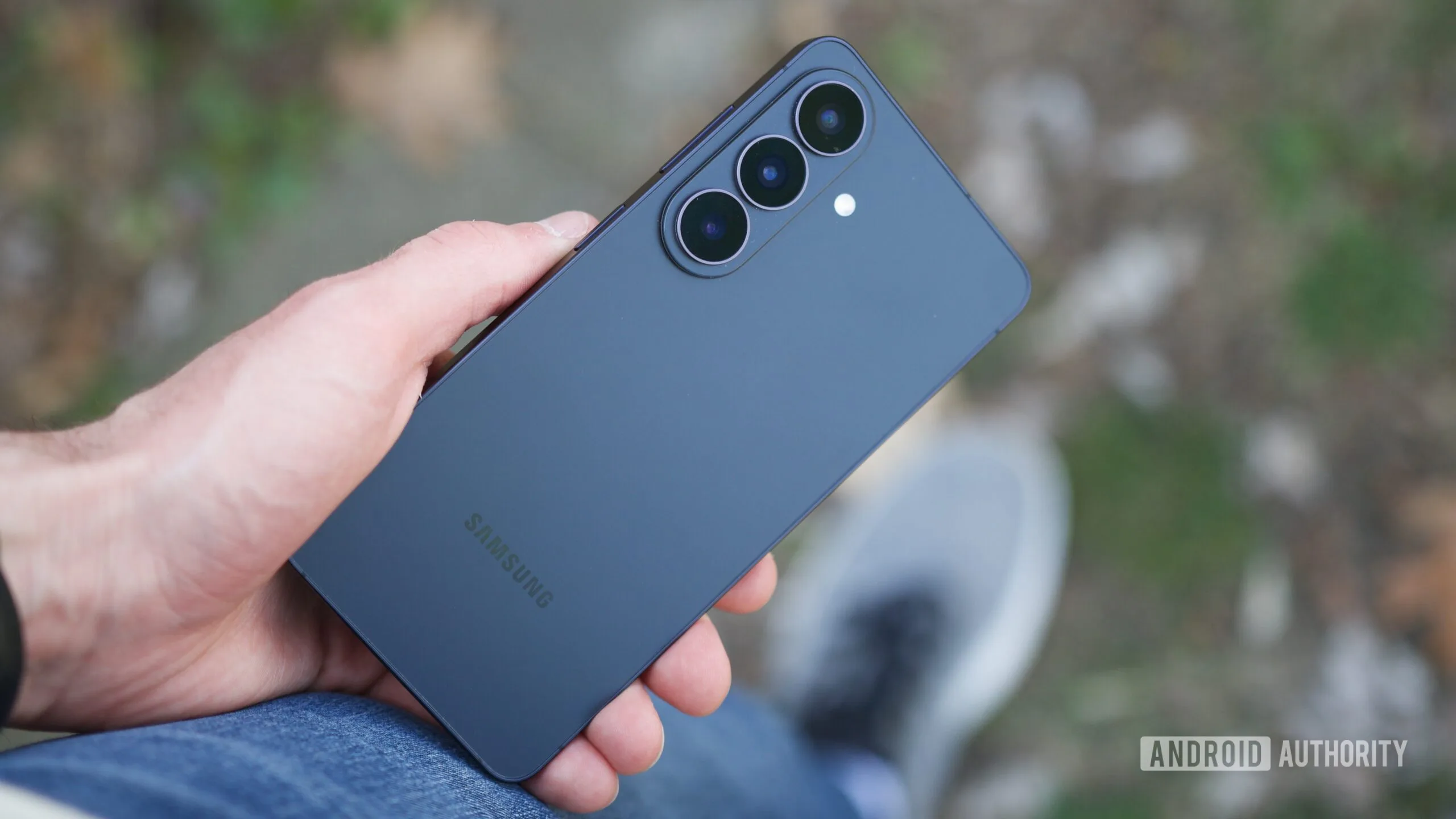
Why the Galaxy S27 battery numbers deserve attention
Smartphone makers have been flirting with larger silicon-carbon batteries for a while, particularly Chinese brands. Honor, Xiaomi, OnePlus, and others have used variants of the technology to fit capacities above 5,000mAh into relatively slim devices. Samsung, by contrast, has largely stayed conservative. There are sensible reasons for that restraint: battery failures are the sort of product disaster no phone company wants to revisit, especially Samsung.
Silicon can store far more lithium ions than conventional graphite anode material. The catch is that silicon expands and contracts during charging cycles, which can hurt long-term durability if the battery design is not carefully managed. Silicon-carbon blends aim to get the energy-density benefit while keeping that expansion under control. Research published through the American Chemical Society has documented both silicon’s potential and the stubborn engineering challenges around its cycle life.
For a Galaxy S27 battery upgrade, the practical upside is straightforward: Samsung could fit more energy into a phone without turning it into a brick. That is particularly useful for the Ultra, which already has to accommodate a large display, multiple camera modules, an S Pen slot, a vapor chamber, and the usual stack of antennas and sensors. Internal space is finite. Phone design, at this point, is mostly an elaborate game of Tetris.
The extra capacity could also help Samsung preserve battery life as displays get brighter, chips pull more power under sustained load, and on-device AI features chew through energy. A 5,700mAh cell does not automatically mean 14 percent longer runtime than a 5,000mAh cell. Efficiency, modem behavior, software tuning, display resolution, and background apps all get a vote. But capacity is still the easiest place to start.
Rated capacity versus the number on the retail box
The two capacities reported for each phone only look confusing until you know what Samsung is measuring. A battery’s rated capacity is the minimum it is certified to deliver. Typical capacity is the average figure manufacturers use for consumer-facing specifications, accounting for normal variation between individual cells.
So the rumored Galaxy S27 battery rated at 5,534mAh could be sold as a 5,700mAh typical battery. The Pro’s 5,087mAh rated cell would likely become a 5,200mAh specification. Samsung already uses this approach across its phones, and it is common industry practice, though the larger marketing number naturally gets the spotlight.
Buyers should not read the typical figure as a promise that every handset will test at precisely that capacity. It is more like the stated fuel-tank size for a car: useful and broadly meaningful, but not the sole predictor of how far you will travel. Software and real-world usage determine the rest.
The remaining questions are bigger than capacity
The Galaxy S27 battery rumor is promising, but plenty remains unknown. Galaxy Club reportedly has no details on the regular Galaxy S27 or Galaxy S27 Plus, despite rumors that Samsung will offer four models: S27, S27 Plus, S27 Pro, and S27 Ultra. It would be odd if only two variants received meaningful battery gains, though Samsung has drawn sharper distinctions between its models before.
Charging is the other major unknown. Samsung has historically been cautious here too. A bigger cell paired with unchanged charging speeds could make overnight charging easy but quick top-ups less appealing. Frankly, Samsung needs both: a larger Galaxy S27 battery and a charging system that does not feel behind the market.
Longevity will matter even more. Silicon-carbon cells can look fantastic in a launch presentation, but owners keep phones for three, four, or five years now. If Samsung can retain strong health after hundreds of cycles, its conservative approach will have paid off. If not, a massive day-one capacity number becomes less impressive by year three.
Samsung’s Ultra has a chance to close an obvious gap
My read is that Samsung has been leaving battery endurance on the table in exchange for predictability. That is understandable, but the market has moved. Flagship buyers are spending premium money on phones expected to handle everything from navigation and 4K video to long gaming sessions and increasingly aggressive AI processing. A 5,000mAh ceiling now feels more like a habit than a technical limit.
If the Galaxy S27 battery reaches 5,700mAh while the phone remains reasonably thin and thermally stable, Samsung will have addressed one of the Ultra line’s most persistent weaknesses. The company still needs to prove the rumor with an actual product. But after years of incremental gains, this is the kind of unglamorous hardware change that could make the Galaxy S27 Ultra easier to live with day after day.