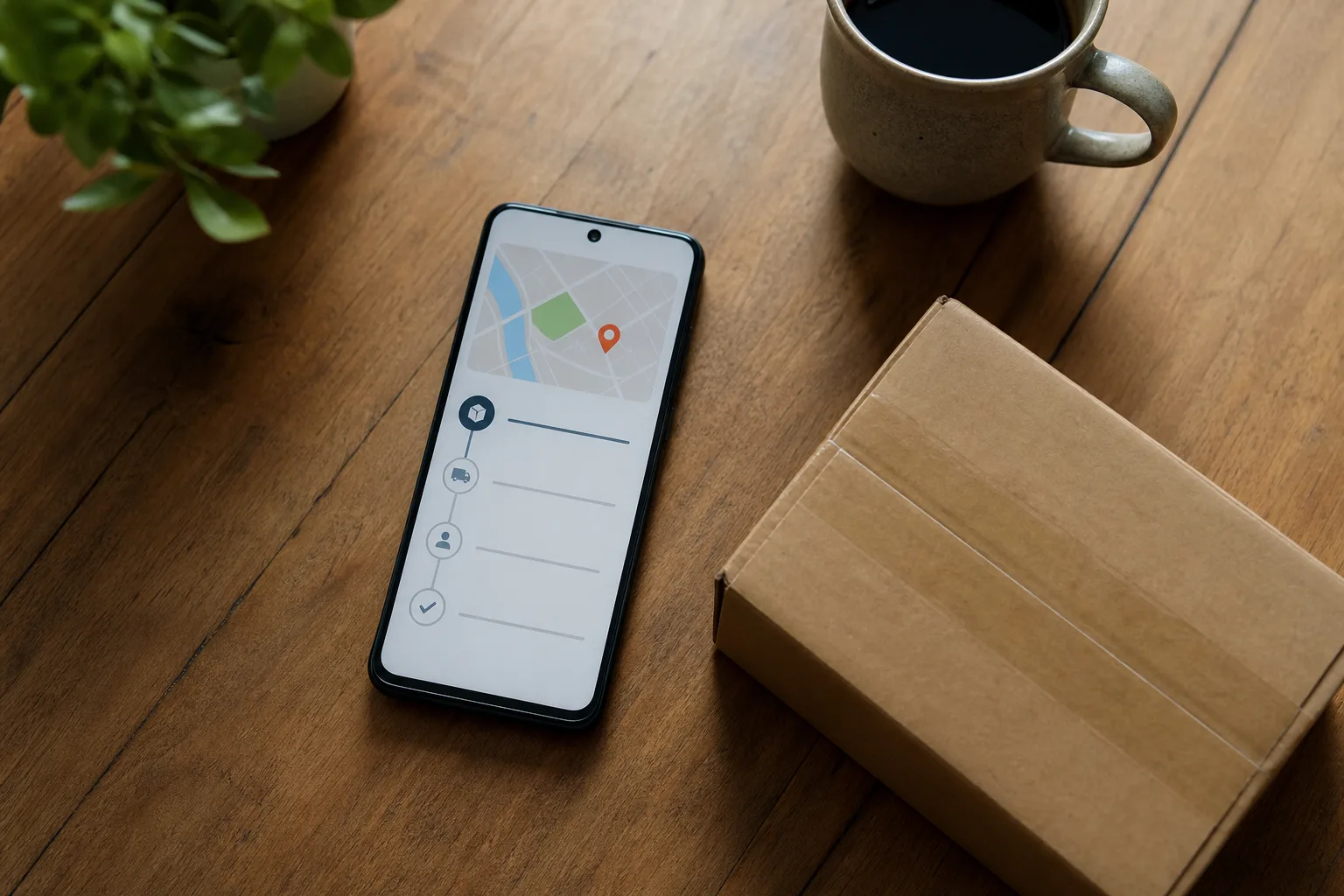
- Google Wallet order tracking pulls shopping updates from Gmail into the same app people already use for payments and passes.
- Google Wallet order tracking puts delivery status and purchase history in one place, without requiring another parcel-tracking app.
- The feature currently struggles with completed pickup orders and lacks a way to pin an important delivery to Wallet’s home screen.
- Google’s expanding Wallet ambitions make sense, provided the app avoids repeating the cluttered Google Pay experiment of 2020.
Table of Contents
Google Wallet order tracking puts shopping where it belongs
The most useful software improvements are often the least glamorous. Google Wallet order tracking, now rolling out across the US, is a good example: it takes the drab stream of shipping emails most of us ignore and places it beside the cards, tickets, and payment history we already open every day.
Google first outlined the feature in June, and says it can surface online orders in Wallet even when Google Pay was nowhere near the checkout button. That matters. A modern shopping history is scattered across Amazon, retailer apps, carrier links, inbox searches, and the occasional text message that arrives at 6:12 a.m. saying a package has been left somewhere vaguely adjacent to your front door.
Wallet’s answer is refreshingly plain. Delivery updates can appear on the app’s home screen, while the Transactions area now offers a horizontal view of recent online orders and an all-orders page for the longer record. Tap an item and you can see details such as the merchant, total, order number, and status.
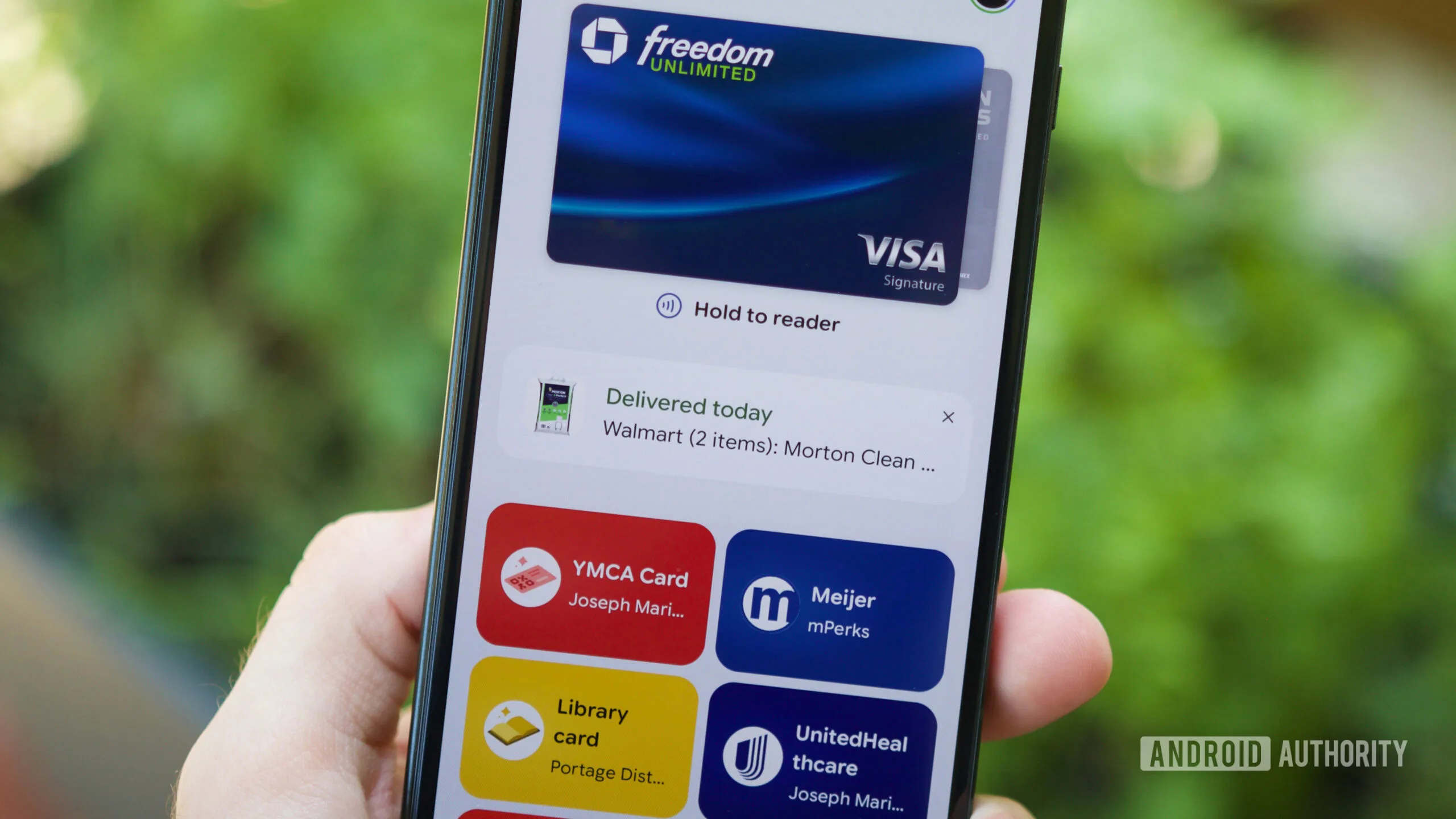
That’s not a moonshot. It’s better than that: it solves an irritating, repeated problem without asking users to change their habits. Google Wallet is already the place many Android owners reach for at a checkout terminal or airport gate. Adding package status is a logical extension of that role.
One inbox connection, a far more useful timeline
The engine behind Google Wallet order tracking is Gmail. If a retailer sends an order confirmation or delivery notice to a Gmail address tied to Wallet, Google can parse that information and add it to the app. The underlying data is not wholly new; Gmail has shown purchase and parcel details for years, and Google has also pushed Gemini as a way to hunt down order information.
But the location changes the experience. Gmail is where receipts go to be forgotten. Wallet is where transactions live. For anyone who tracks spending, returns, deliveries, or subscriptions, putting those records into a single reverse-chronological feed is simply more sensible.
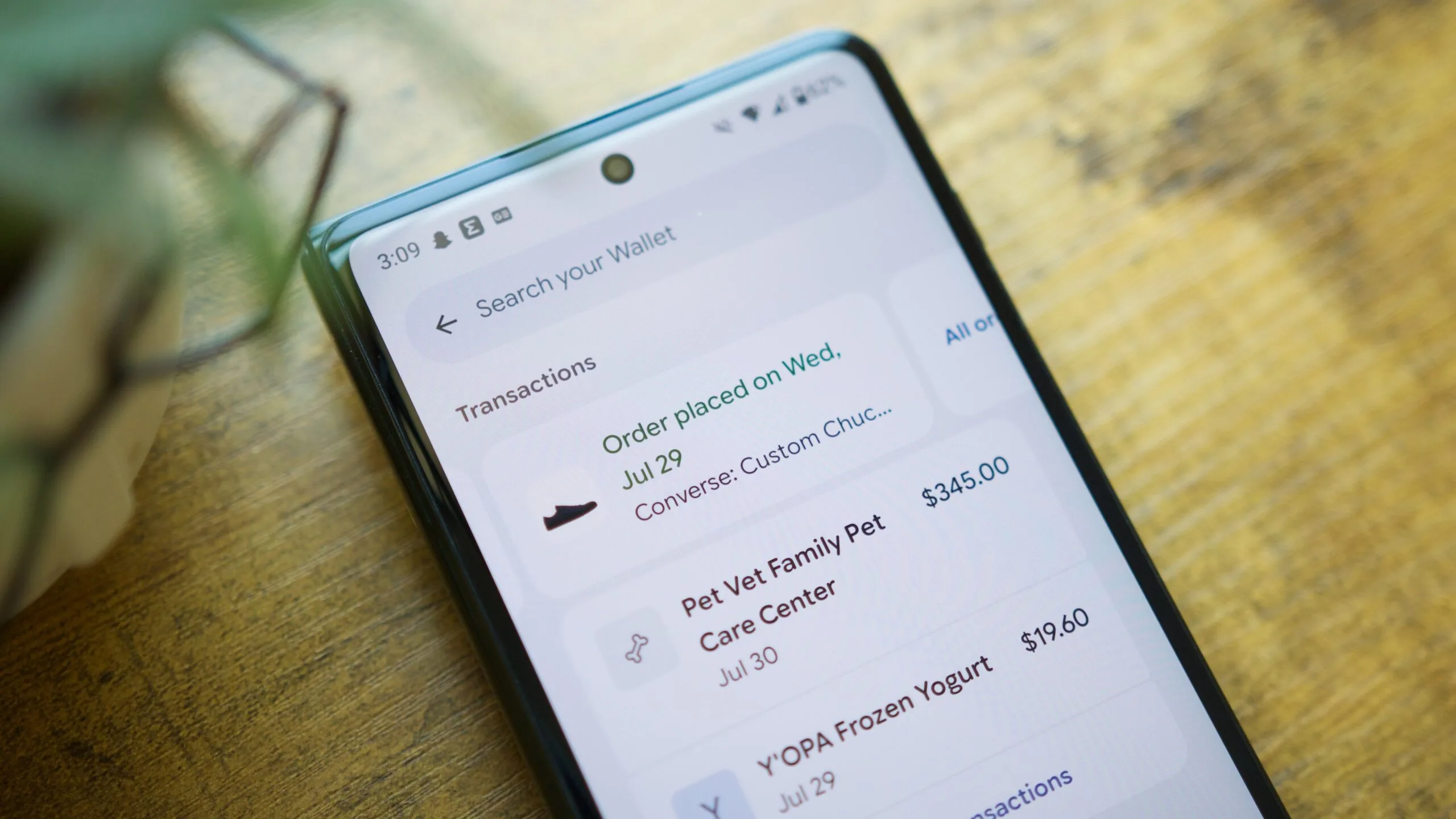
Google says users can filter the Transactions screen to show online orders, Google Pay and Wallet activity, or both. That last option may be the sleeper feature. A card statement tells you money left your account; a merchant receipt tells you what was ordered; an order tracker tells you where it is. Wallet is trying to bind those fragments into one record.
There are dedicated tracking apps that have done versions of this for years, of course. Shop is perhaps the most visible, while carrier apps offer their own narrow views. But each adds another account, another notification setting, and another service that wants access to your inbox. I’d argue Google has an advantage precisely because Wallet is already installed and trusted with a particularly sensitive part of your digital life.
The privacy trade-off is familiar, but still real
There is an uncomfortable wrinkle. Google Wallet order tracking works because Google can read and interpret commercial email in Gmail. That arrangement will not bother everyone; plenty of people already rely on Gmail’s automatic event cards, travel summaries, and purchase categories. Still, a consolidated ledger of where you shop, what you buy, and when it arrives is valuable data.
The service can display order details from Gmail. Users should take a minute to inspect their Wallet and Gmail privacy settings rather than assuming the default is right for them. Convenience tends to arrive with a consent screen attached, and this is one of those cases where paying attention is worthwhile.
My read is that Google has earned some room to make Wallet more helpful, but it should resist turning the app into an aggressively personalized shopping dashboard. There’s a fine line between a quiet receipt organizer and a storefront that happens to hold your driver’s license.
Google Wallet order tracking still needs a few basics
Early reports point to a couple of practical flaws. Pickup orders can linger as ‘Ready for pickup’ long after they have been collected. That’s a small status error, but it highlights the difference between parsing an email and actually understanding the lifecycle of an order. A manual ‘completed’ control would fix it immediately.
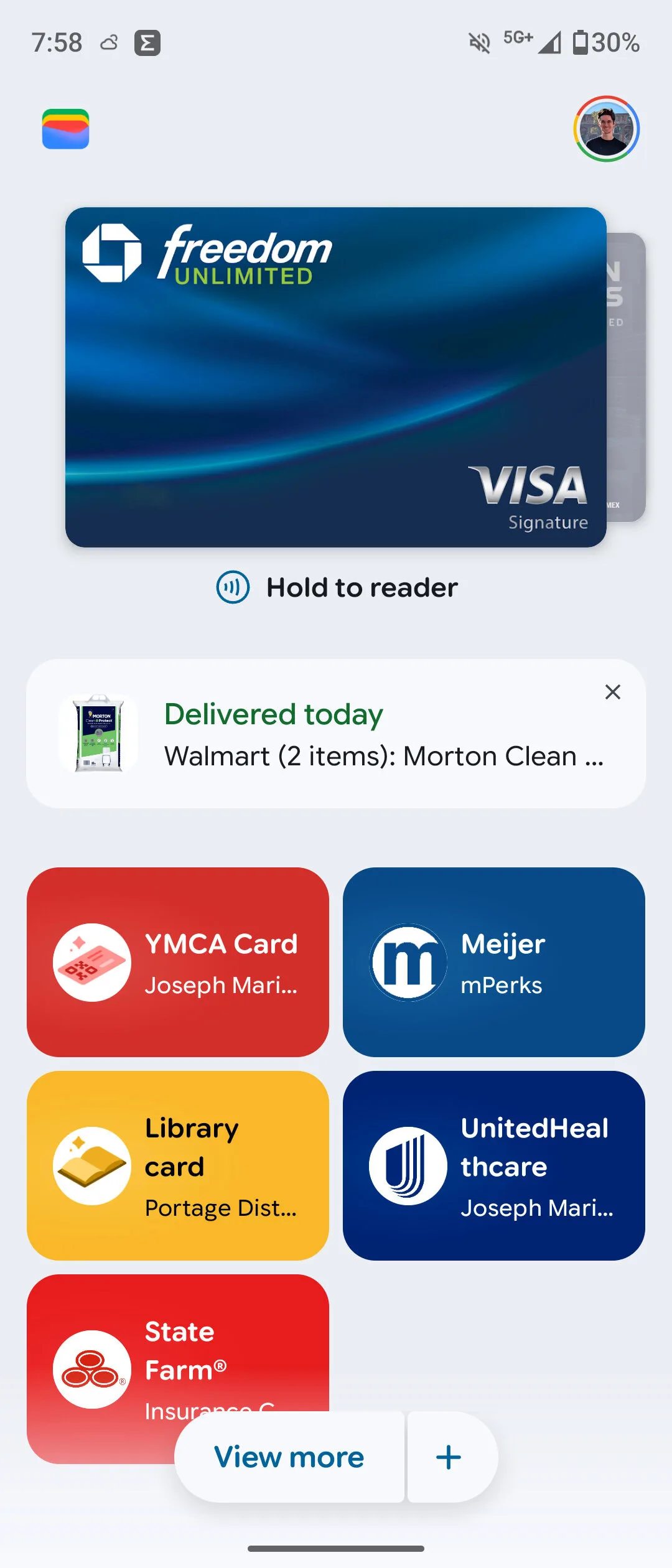
Google Wallet order tracking also needs pinning. If you are waiting on an expensive laptop, replacement passport, or the dog food you absolutely should have ordered earlier, that delivery ought to be one tap away on the Wallet home screen. Burying it behind the Transactions view is tidy, but not quite useful enough.
Those are fixable omissions, and the broader direction looks right. Google gave Wallet a sizable visual refresh in April and has been working on richer pass designs, a pass-updates area, and online age verification. None of that will make a splashy keynote slide. Yet Wallet has become one of Google’s most routinely useful apps because it handles boring real-world tasks reliably.
The danger is obvious: remember the overloaded 2020 version of Google Pay, which tried to mix payments with financial management and deals before Google eventually retreated? Wallet should not repeat that detour. If Google Wallet order tracking remains a quiet, optional utility rather than the opening act for retail promotions, it could become the kind of feature people notice only when they switch phones and suddenly miss it. That’s usually how you know software got the job done.