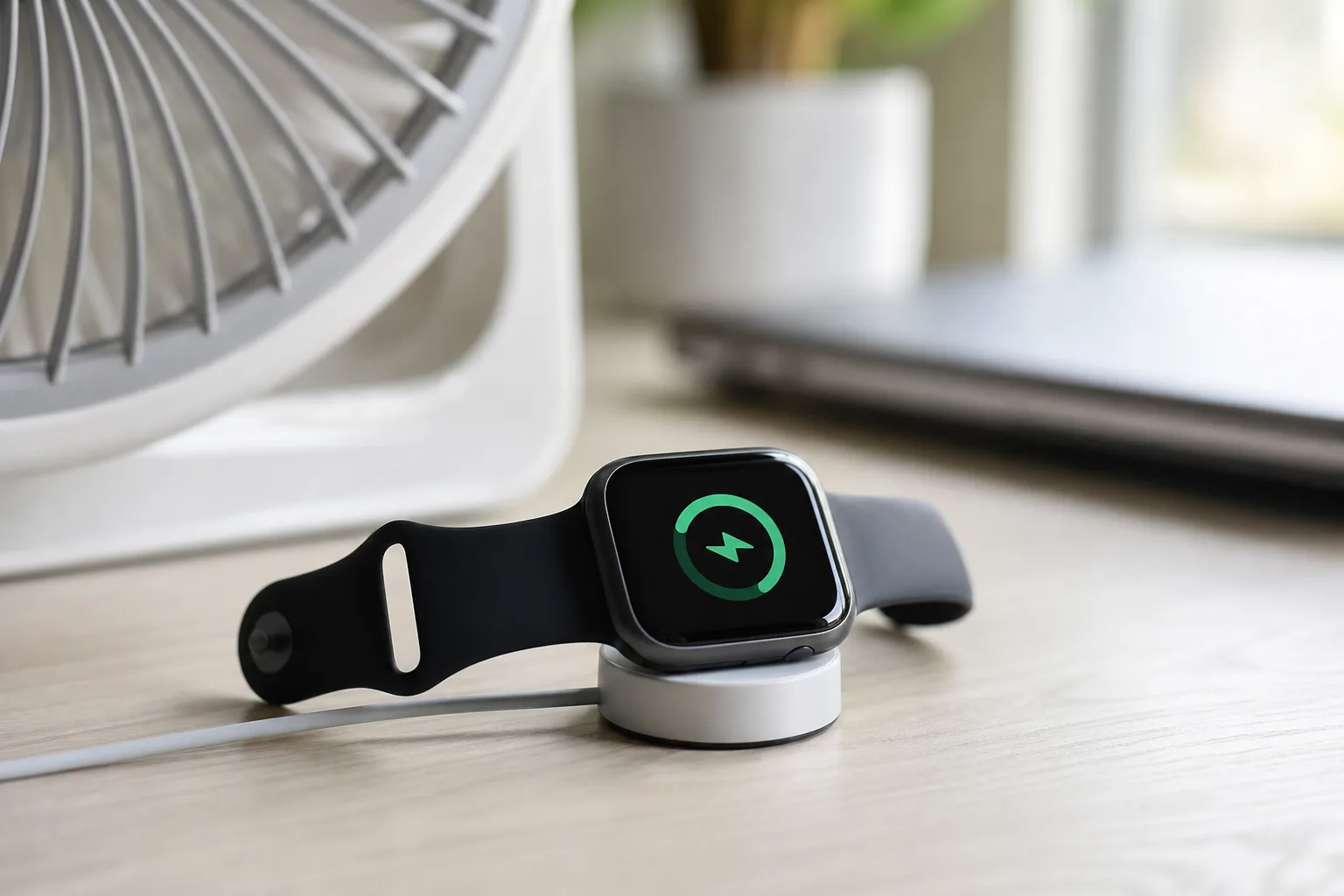
- Galaxy Watch 9 charging reportedly takes two to four hours for some owners, well beyond Samsung’s stated 80- to 90-minute estimates.
- Cooling experiments suggest Galaxy Watch 9 charging slows sharply when the watch or magnetic puck detects excess heat.
- Some owners report older Samsung charging pucks working better than bundled cables and newer multi-device docks.
- Samsung has not publicly explained the reports, leaving early buyers to test workarounds that should not be necessary.
Table of Contents
Galaxy Watch 9 charging is taking far longer than advertised
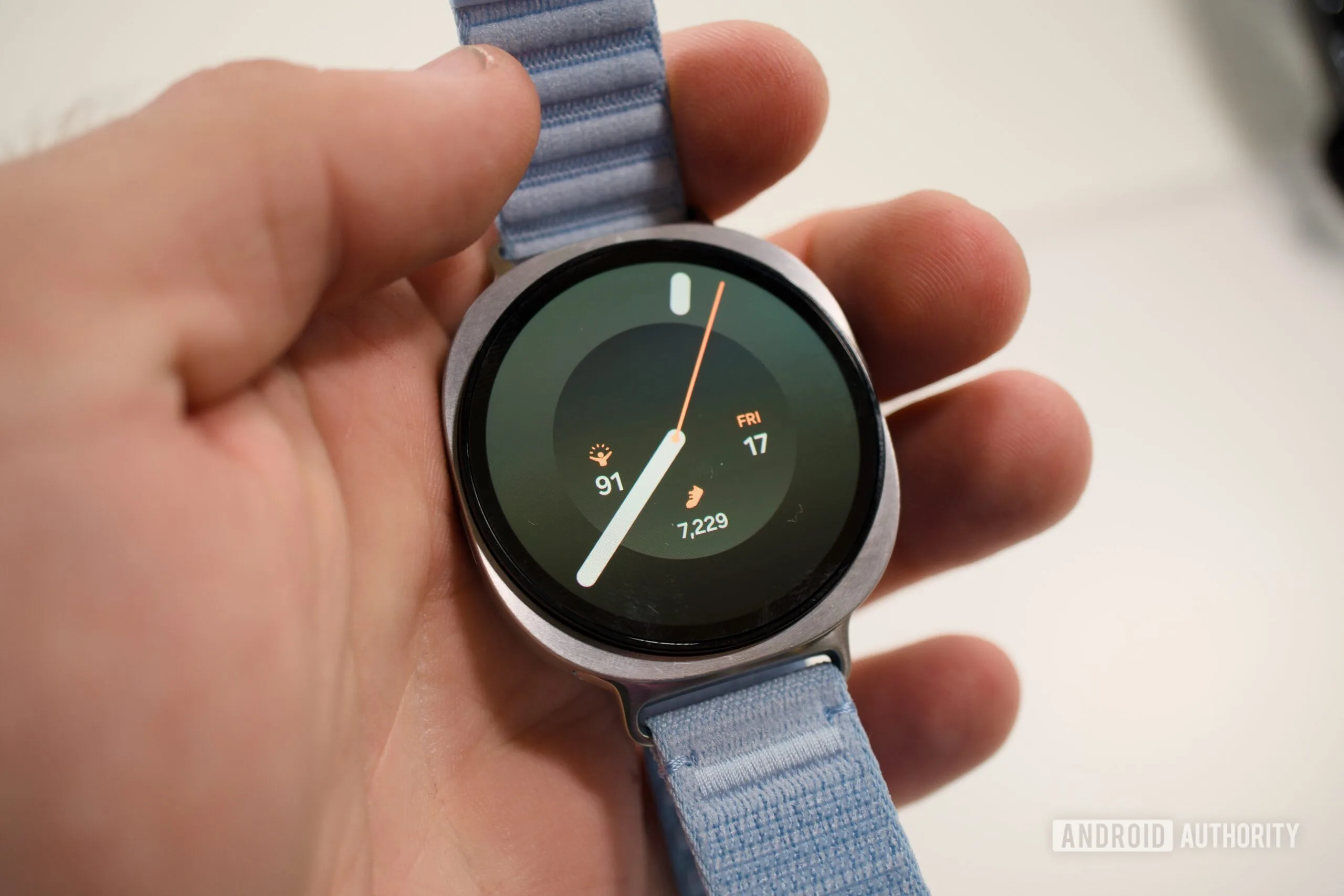
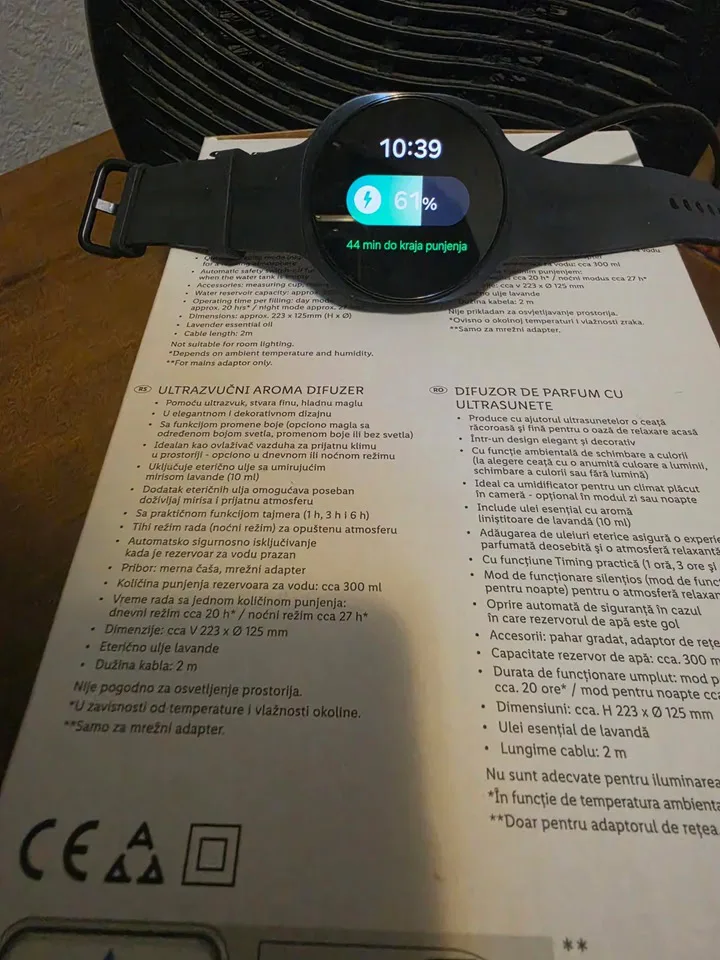
A smartwatch that needs four hours on its charger is a pretty lousy bedtime companion. Yet that is what some early owners say they are facing with Galaxy Watch 9 charging, including reports involving the larger Galaxy Watch Ultra 2. Samsung rates the 40mm Watch 9 for a full charge in roughly 80 minutes, while the 44mm model and Ultra 2 are listed at about 90 minutes. Those estimates set clear expectations for Galaxy Watch 9 charging. Real-world reports from Samsung’s community forums and Reddit paint a messier picture: two hours for some units, and as much as four for others.
That gap matters more than it might on a phone. Most people charge a watch in the narrow window between taking it off at night and putting it back on before sleep, especially if they use sleep tracking. A device that misses that window stops being a health tracker and becomes another little chore sitting on the kitchen counter.
The reports do not establish that every Galaxy Watch 9 or Ultra 2 has a defect. Plenty of owners appear to be getting normal results. But the pattern is consistent enough to be troubling: charging starts briskly, heat accumulates, and the watch backs off its power draw repeatedly. One reported measurement showed power dropping from roughly 5.5W to 3.5W or lower. That would neatly explain why a supposedly quick top-up turns into a long wait.
Heat protection is sensible; this implementation may not be
Wireless charging is inherently inefficient compared with plugging in a cable. Energy that does not make it into the battery becomes heat, and tiny charging coils inside a compact watch have very little room to shed it. Samsung is right to protect the battery, charging puck, and wearer from excessive temperatures. Nobody wants a wearable that cooks its own battery to save 20 minutes.
But Galaxy Watch 9 charging seems to be hitting thermal limits under ordinary indoor conditions for a subset of owners. For Galaxy Watch 9 charging, that is the real issue. Thermal safeguards should intervene during a hot car ride, a summer afternoon, or a watch that is already warm after a workout. If they routinely kneecap charging on a desk in an air-conditioned room, Samsung’s advertised timing begins to look more like a laboratory best case than a useful consumer promise.
Users have responded with exactly the sort of improvisation that signals a product experience has gone sideways. One owner reported better results by aiming a desk fan at the watch and charger. Another experiment involved attaching the puck to metal with thermal paste and placing that arrangement on ice. The fan test is at least understandable: less ambient heat can help a throttled system recover.
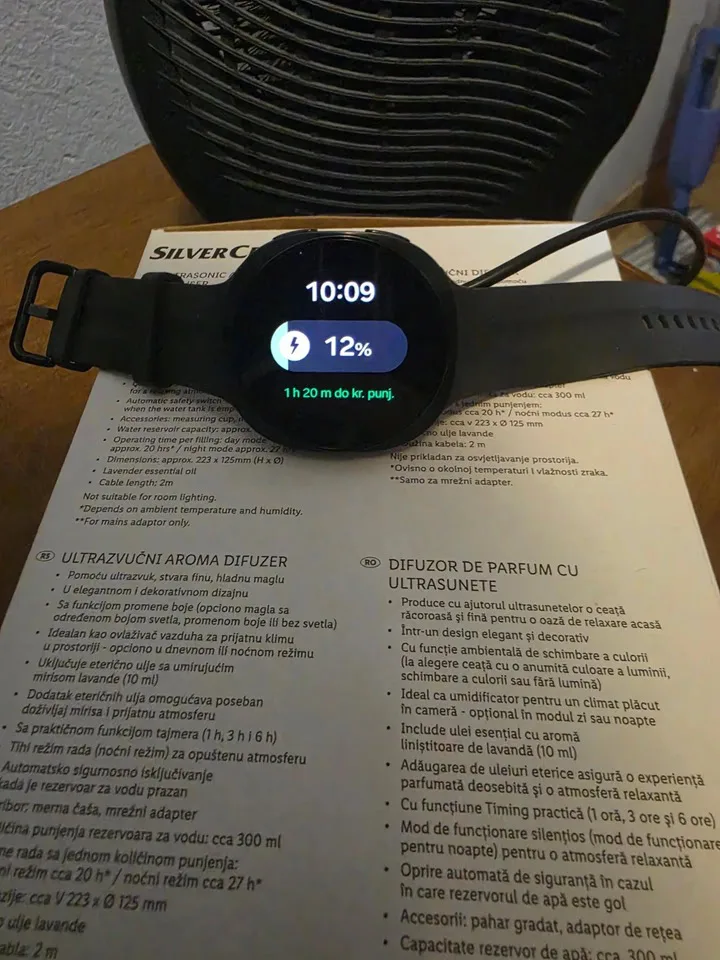
The ice approach is where I would draw a hard line. Condensation and powered electronics are a terrible mix, and using thermal paste or improvised metal surfaces around a wireless charger risks damaging the puck, watch, or both. It may make for a dramatic forum post, but it is not a fix anyone should copy. If an expensive new watch requires a miniature climate-control project to reach its claimed charge time, the watch needs the fix.
There may also be a charger handshake problem
Heat is not the whole story. Several owners say older Galaxy Watch 8 chargers and third-party docks produce a slow charging warning or fail to charge the new watches reliably. Stranger still, some users report that an older Watch 6 puck performs better than Samsung’s included fast-charging cable. That points less toward a purely physical heat problem and more toward firmware, charger identification, or power-negotiation behavior.
Galaxy Watch 9 charging depends on a magnetic puck doing more than simply supplying electricity. The watch and charger must agree on the available power and monitor temperature while the battery management system decides how aggressively to charge. A conservative software threshold, a buggy accessory handshake, or an overzealous compatibility check can all push the system into a slower mode. The fact that different Samsung pucks reportedly produce different outcomes is the clue Samsung should be chasing.
Buying a random higher-wattage USB-C adapter probably will not solve the problem. The limiting factor appears to be at the watch-and-puck layer, not necessarily the wall outlet. Owners should use the supplied puck and a known-good power source, remove thick cases or bands that interfere with the charger’s fit, and make sure the watch is cool before charging. Those are reasonable checks. They are not an excuse for multi-hour results.
Samsung needs to separate normal safeguards from a software flaw
Samsung has not publicly detailed the cause of these reports or committed to a software update. Its wearables support and product pages continue to frame charging performance around the company’s stated estimates, which are typically measured under controlled conditions. That caveat is common across the industry, but it cannot cover a four-hour outlier if it is happening at normal room temperature.
This would not be the first rough launch for a wearable. These devices increasingly pack faster charging hardware into sealed, compact bodies, leaving software tuning to determine whether that hardware feels fast or frustrating. Google, Apple, and Samsung have all had moments where battery or thermal management updates changed device behavior after release. A firmware fix could adjust charging curves, improve accessory detection, or make the thermal system less jumpy without removing protection.
My read is that this is probably solvable in software for at least some affected owners, particularly where an older Samsung puck behaves differently from a new one. Hardware variance may be part of the story too; early production runs can expose problems that do not appear across every unit. Samsung should say which scenario it is dealing with, and soon.
Until then, prospective buyers should not assume every review-unit charge estimate will match their bedside reality. Reliable Galaxy Watch 9 charging should be boring: place the watch on its puck, walk away, come back to a full battery. If Samsung cannot make that happen without a desk fan, the company has a quality-control problem hiding beneath a very polished smartwatch.