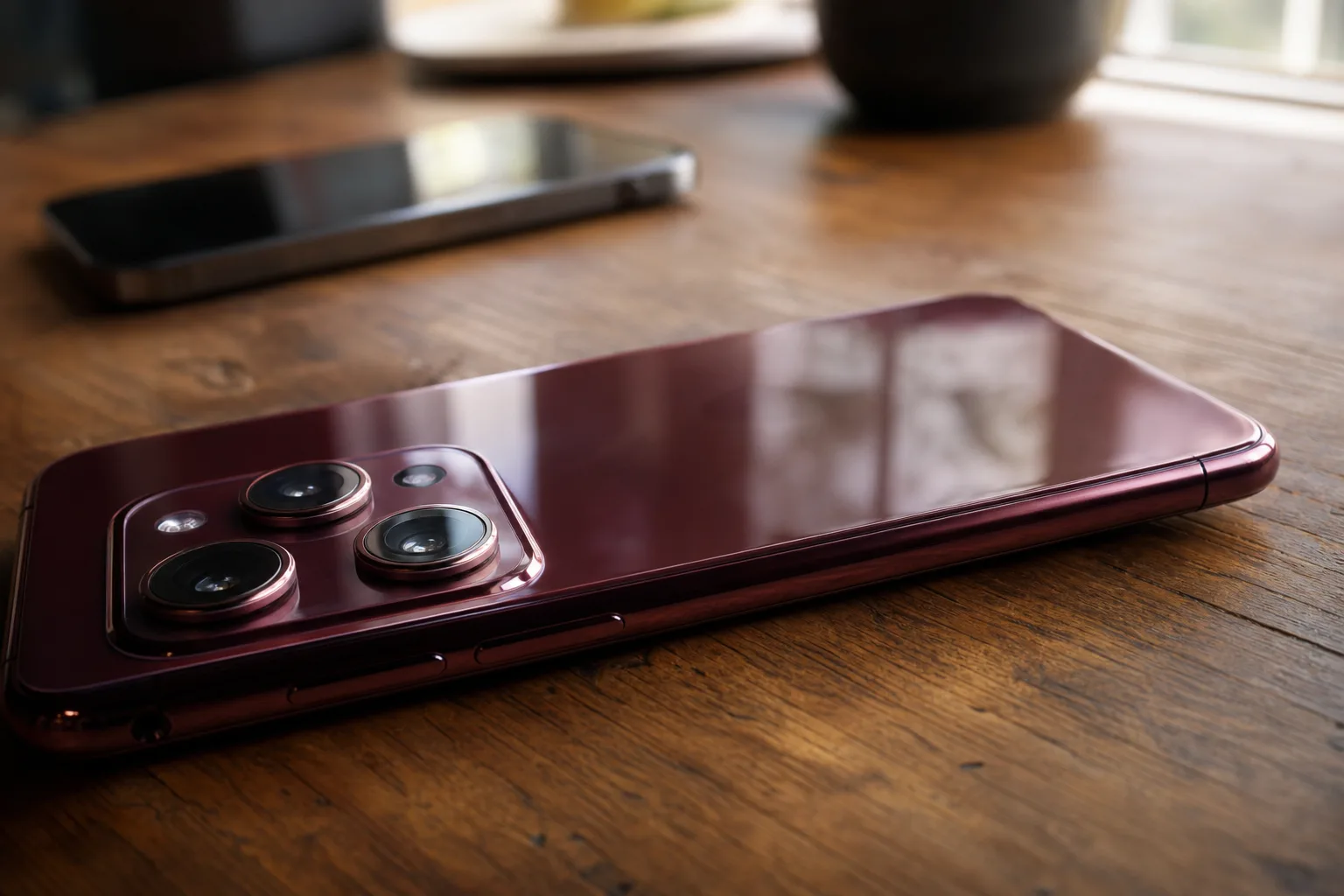
- The iPhone 18 Pro focuses on sustained speed, lower surface temperatures and battery endurance rather than a headline-grabbing redesign.
- A variable aperture gives iPhone 18 Pro photographers more direct control, pushing back against Apple’s traditionally opinionated image processing.
- Apple appears to be reserving its riskier industrial design ideas for the iPhone Duo and other newer product lines.
- For current iPhone 17 Pro owners, the strongest upgrade case depends on demanding workloads, heat sensitivity and manual camera preferences.
Table of Contents
The iPhone 18 Pro has a different job now
The iPhone 18 Pro may be Apple’s least flashy flagship in years, and I mean that as praise. While the company’s newer iPhone Duo reportedly draws attention with its more adventurous design, this phone is built for people who want every familiar iPhone feature working at full tilt, all day, without needing to think too hard about it.
Apple has spent the better part of a decade training buyers to expect the Pro model to be both the premium choice and the exciting one. That arrangement appears to be changing. The iPhone Air began nudging the company toward design-led differentiation, and the Duo seems to push that idea further. The Pro line, meanwhile, is settling into a more practical identity: the expensive, fully loaded workhorse.
It still looks broadly like last year’s model. There is no great visual reset, no radical new silhouette, no attempt to make the camera housing disappear. But the familiar shape is purposeful. The iPhone 18 Pro is about capacity rather than theater, and for a lot of buyers, that may be the more useful kind of premium.
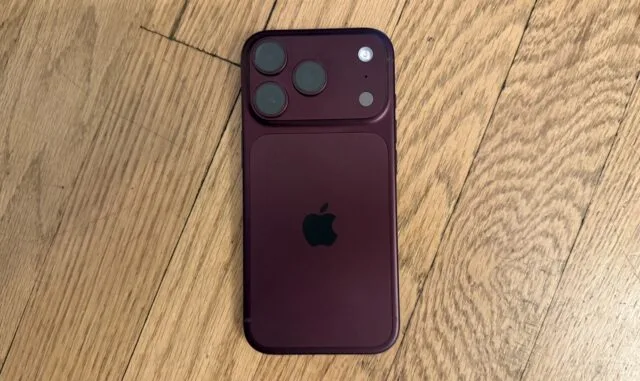
iPhone 18 Pro performance is about staying cool
The meaningful upgrades are largely invisible: a new processor, better endurance and substantially improved thermal behavior. Raw iPhone performance has been almost comically good for years, frankly. Most people don’t need another benchmark chart proving that an Apple phone can open an app quickly. They need it to avoid becoming a pocket hand warmer while recording video, gaming, navigating in bright sun or exporting photos.
That is where the iPhone 18 Pro seems to earn its keep. Better heat management should allow the phone to hold higher performance for longer, while also making it less uncomfortable to physically hold. It sounds mundane. It isn’t. Sustained performance is the difference between a sports car that feels quick around the block and one that can keep pace for an entire road trip.
Apple’s iPhone lineup is laid out on Apple’s iPhone page. But this year’s emphasis on cooling hints at a real pressure point: phones are now expected to capture high-resolution media, run console-style games and process increasingly complex on-device features without giving users a thermal warning.
If these gains hold up under extended use, they matter more than a thin yearly bump in peak speed. The iPhone 18 Pro appears designed for the moments when the previous model might have had to ease off.
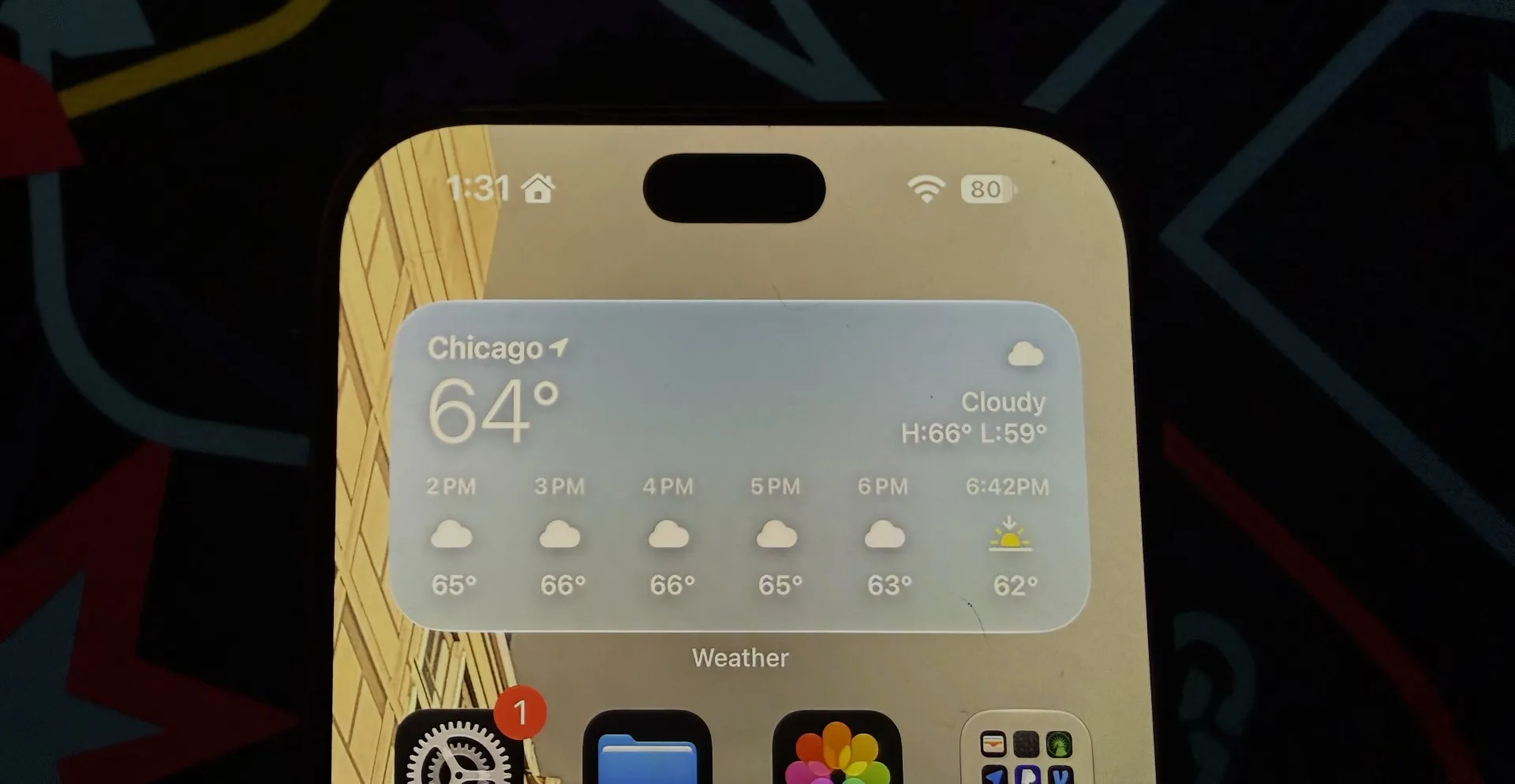
A camera that gives control back to the photographer
The standout camera addition is a variable aperture, paired with additional controls for users who want to take a more deliberate approach to mobile photography. Apple’s cameras have often been excellent at producing a pleasing image with almost no effort. They have also had a reputation for making too many creative decisions on the user’s behalf.
That’s the tradeoff of computational photography. The phone sees a face, a dark sky or a bright window and decides what reality ought to look like. Usually, it gets close. Occasionally, it turns a candid photo into something that looks faintly overprocessed, like a restaurant meal photographed for a delivery app.
The iPhone 18 Pro does not abandon Apple’s automatic approach, nor should it. Most people want a reliable shutter button, not a miniature film school. But a variable aperture gives serious users a more tangible way to manage depth of field and exposure decisions. It is a useful correction to the notion that better camera software must always mean less user agency.
There’s a broader strategic point here. Android rivals, particularly Samsung and Google, have spent years competing on computational tricks and increasingly elaborate camera hardware. Apple doesn’t need to copy every one of them. It does need to give enthusiasts a reason to believe the Pro label still means photographic flexibility, not merely a larger sensor and a few automated presets.
A familiar design, with one unusually good color
Physically, the iPhone 18 Pro remains a function-first device. That likely makes it less seductive than Apple’s thinner or stranger alternatives, but it also means fewer compromises around cameras, battery capacity and heat dissipation. Remember when every handset maker seemed convinced that shaving another millimeter from a phone was the whole assignment? The industry has mostly learned that people notice weak battery life faster than they notice thinness.
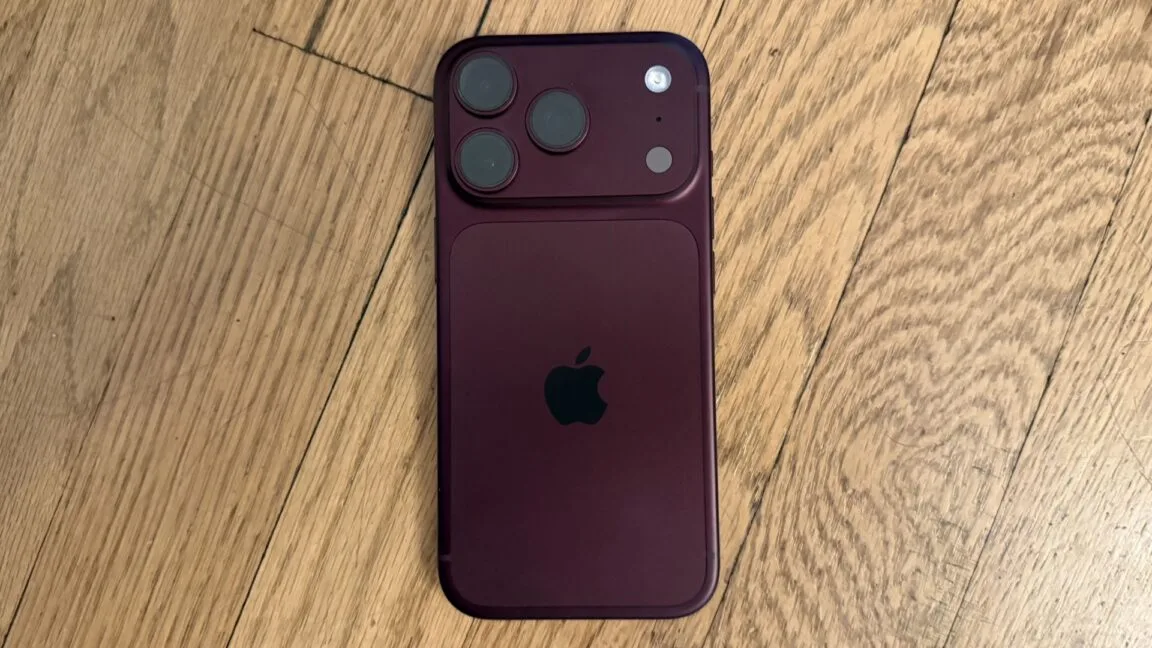
Apple’s new burgundy finish deserves a mention. Color rarely changes a purchasing decision for me either; black has been the default safe choice for years. Still, burgundy gives the handset some warmth and character without drifting into novelty. The catch is predictable: glossy, darker finishes attract fingerprints with the enthusiasm of a freshly cleaned window.
Who should actually buy it?
For someone holding an iPhone 17 Pro, the case for upgrading is not automatic. The visual experience is too similar, and Apple’s annual gains have reached the point where the previous generation remains more than capable. A new phone every year is rarely sensible unless your current device is part of your work kit or you are unusually sensitive to camera and battery changes.
If you’re coming from an older device, the iPhone 18 Pro looks like the safer premium pick. You get the mature camera system, strong battery gains, better sustained speed and what appears to be a more comfortable thermal profile. It is not trying to be a conversation starter. It is trying to be useful in every conversation, on every trip and during every stressful 2% battery moment.
My read is that Apple is splitting the iPhone family into clearer roles. The Duo and Air can carry the burden of surprise; the Pro can be the tool that professionals and enthusiasts trust when novelty wears off. That is a sensible division, assuming Apple does not eventually make its most interesting ideas exclusive to the experimental models. The iPhone 18 Pro may be cooler in the literal sense, but Apple still has to make sure the Pro name feels culturally warm enough to want.