

Table of Contents
Bluesky’s Surge in Popularity
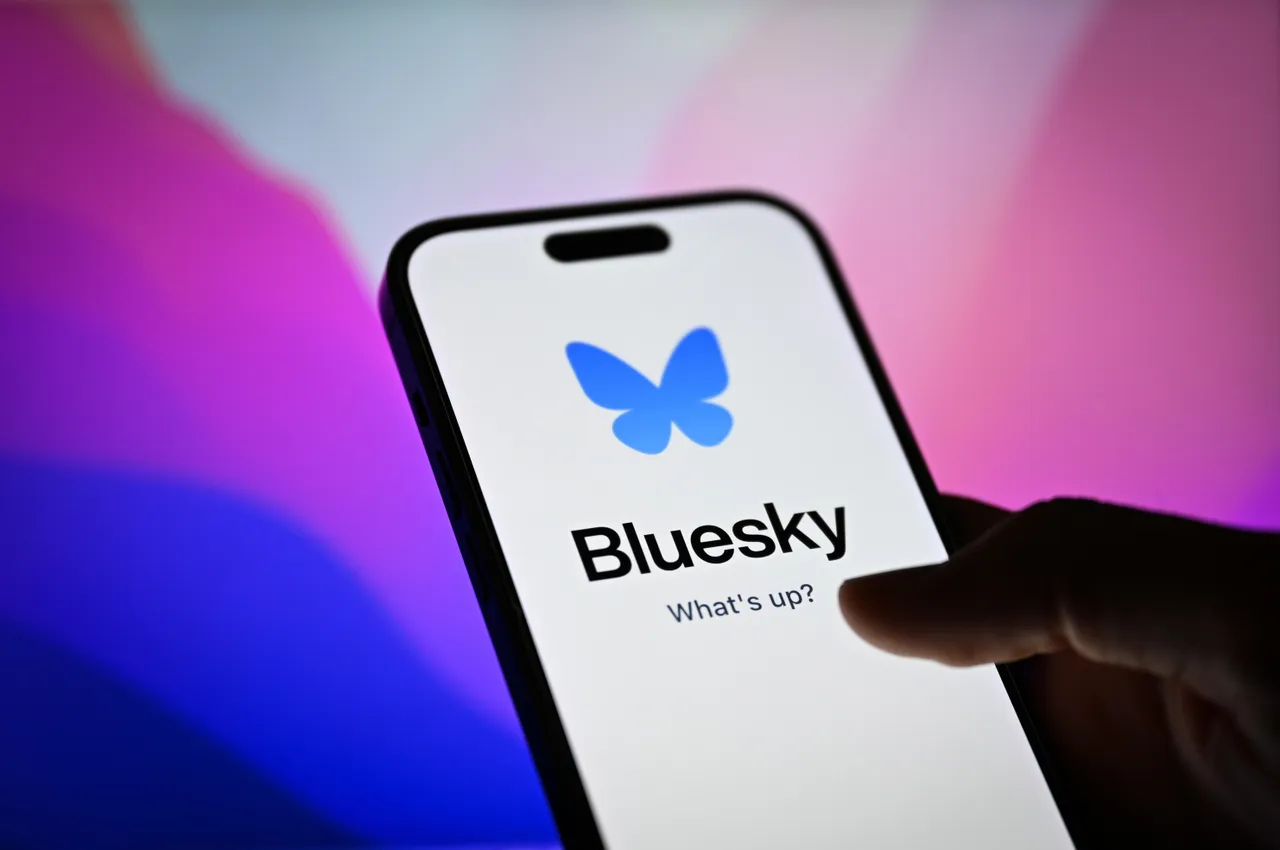
Bluesky, the decentralized social app, reached 16 million users this week. That figure does not settle the contest to become a lasting Twitter alternative, but it does make Bluesky harder to dismiss as a niche destination for early adopters. Social networks live or die by the people, conversations, and communities that make them feel active. Reaching this scale gives Bluesky a larger base from which those habits can form.
The timing matters because the market remains unusually unsettled. X still carries the cultural weight of the platform formerly known as Twitter, while Meta’s Threads has the benefit of operating beside a far larger social media business. Mastodon has become the best-known example of a decentralized alternative for many users. Bluesky now sits alongside all three, competing not only for sign-ups but for the much harder prize: becoming the place people open first when they want to post, reply, follow breaking conversations, or find a community.
Threads added 15 million users in a month, a reminder that raw growth numbers can tell very different stories depending on a platform’s reach, distribution, and moment. Bluesky’s 16 million users are meaningful, but user totals alone do not reveal how many people return regularly, how many are posting, or whether the conversations that begin there stay there. The social media race has repeatedly shown that curiosity can generate an account; durable social behavior is the real test.
Decentralization Is the Point — and the Challenge
Decentralization vs. Competition
Bluesky’s distinguishing ambition is its focus on creating a decentralized protocol for social networking. That can sound abstract next to the immediate appeal of a familiar feed and a recognizable set of accounts. Yet protocol design goes to the heart of the frustration many users have felt with conventional social platforms: a single company can set the rules, alter the experience, control access, and determine what happens to a community when its priorities change.
In broad terms, decentralization shifts some of that power away from one central operator. The promise is not that social media suddenly becomes simple or conflict-free. It is that users, communities, and services may have more room to make choices about how they participate. For people who have watched platforms repeatedly change their rules or public identity, that proposition has obvious appeal.
There is also a practical tension. The best social products tend to feel effortless: sign up, follow people, post, reply. Decentralized systems can ask users to think about matters that centralized services hide, including where a community lives and which service is handling their activity. A protocol is valuable only if its benefits are visible enough to justify any added complexity. Bluesky has to make its architectural argument without asking ordinary users to become infrastructure experts.
The rise of decentralized platforms like Bluesky also raises questions about its long-term potential and its rivalry with ActivityPub-based networks. Mastodon is central to that broader conversation because it has helped bring the idea of decentralized social networking into public view. But shared interest in decentralization does not automatically mean shared audiences, shared expectations, or a single winner. Different networks can attract different kinds of communities, moderation cultures, and posting habits.
That is why framing this as a simple Bluesky-versus-Mastodon battle misses the more interesting question. Can decentralized social media become a durable category rather than a refuge people visit during dissatisfaction with a larger platform? For that to happen, users need a reason to stay after the initial migration impulse fades. They need useful conversations, dependable tools, clear community norms, and enough familiar faces to make participation feel worthwhile.
No Clear Leader in an Open Field
Users are exploring platforms for posting, replying, and community building, but no clear leader has emerged yet. This uncertainty is not a minor detail; it is the defining condition of the current market. A social network can be large and still feel peripheral if the people a user cares about are elsewhere. It can also be smaller yet feel indispensable within a particular community.
Bluesky’s growth positions it as a potential Twitter alternative, but “alternative” is a demanding label. Twitter’s role was never only about short posts. It was a meeting point for public figures, journalists, hobbyists, brands, institutions, and people following fast-moving events. Replacing that kind of network effect is less about replicating a familiar format than about rebuilding the reasons people once treated one service as a shared public square.
Threads, Mastodon, X, and Bluesky each represent a different answer to the same dissatisfaction. Some users want scale and familiar social connections. Some want a more community-led model. Some want continuity with the platform they already know. Others are looking for a social network that is less dependent on one company’s changing decisions. The fragmentation can be frustrating, particularly for creators and organizations that must maintain a presence in multiple places. It can also be healthy: competition makes it harder to assume that one platform’s rules are inevitable.
For Bluesky, the immediate opportunity is to turn attention into belonging. Growth brings more possible connections, but it also brings pressures around discovery, conversation quality, and the character of the network. A platform that attracts people because it feels different has to retain that sense of purpose as it gets bigger. That is a tougher assignment than merely adding accounts.
Social Media Is Moving Inside a Wider Tech Story
Broader Social Media Trends
The Vergecast discusses shifts in social media alongside AI model slowdowns, Apple’s smart home innovations, and corporate acquisitions like Grubhub’s sale to Wonder. At first glance, those topics may seem disconnected from Bluesky’s user count. They are not. They reflect an industry in which technology companies are simultaneously chasing new computing narratives, adjusting to limits in the AI cycle, and reshaping their businesses through acquisitions.
Social networking does not operate in isolation from those pressures. Companies decide where to invest, which products deserve attention, and how tightly different services should fit together. A platform’s future can be shaped as much by business priorities and product strategy as by the enthusiasm around a new feature or a sudden wave of sign-ups.
Apple’s smart home innovations point toward the continuing effort to make software and services part of daily routines beyond the phone screen. AI model slowdowns complicate the assumption that progress will always arrive at the same pace. The sale of Grubhub to Wonder shows how quickly corporate ownership and consumer technology strategies can shift. None of these developments predicts a winner in social media. Together, though, they illustrate why the next phase of the social web will be shaped by more than a follower count.
Bluesky’s 16 million users therefore represent both momentum and an open question. The app has earned a place in the conversation with Threads, Mastodon, and X. Its decentralized protocol gives it a distinct argument for why social networking can be organized differently. But the race remains unresolved, and that may be the most important fact of all. The platform that lasts will need more than growth: it will need to give people a compelling reason to keep showing up.
Read more about:
Stay updated: Tech News

