

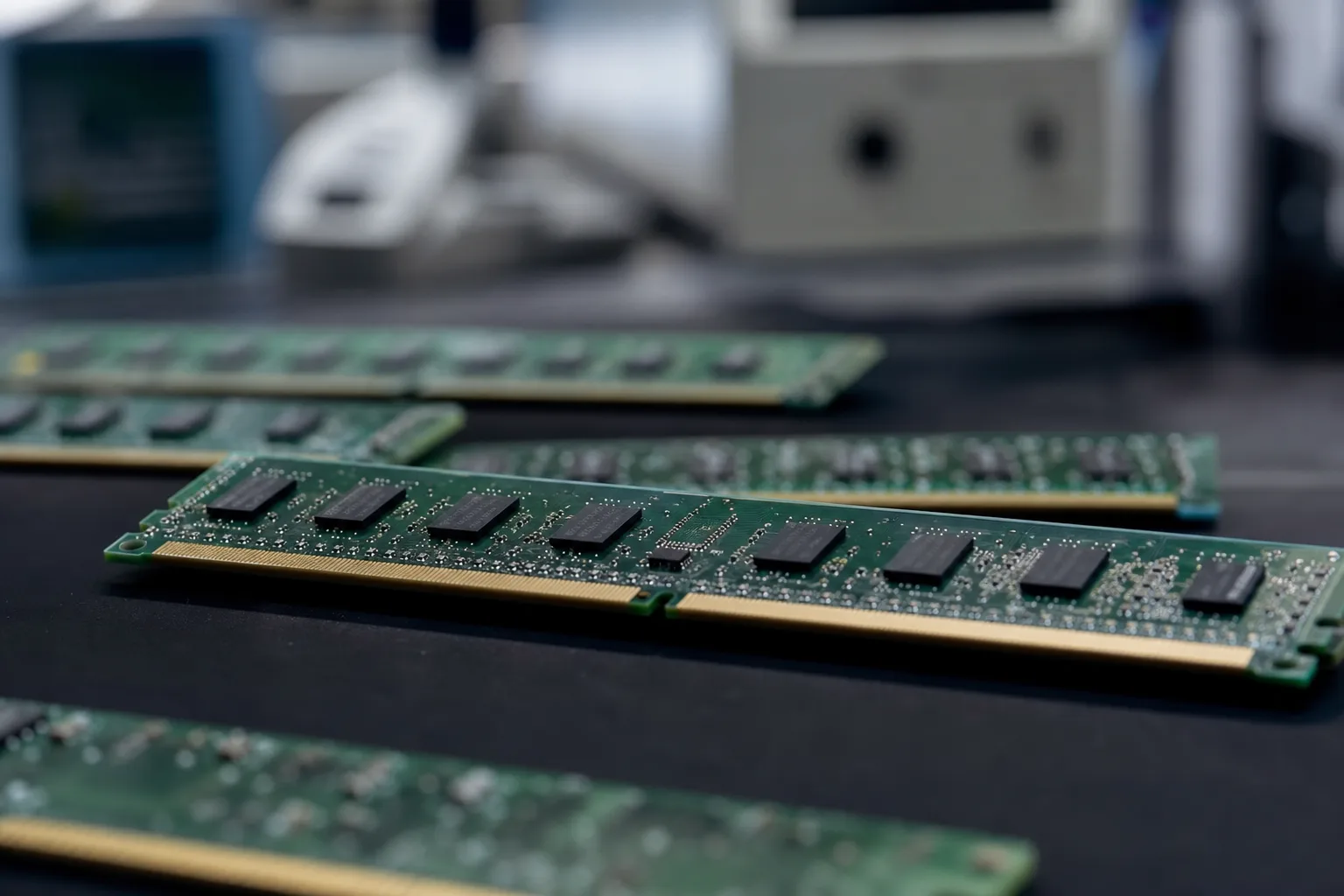
Apple is quietly lobbying the Trump administration for permission to source memory chips from CXMT — making this an Apple blacklisted supplier situation that puts the company squarely in the crosshairs of Washington’s growing hawkishness on China. According to a report from the Financial Times, Apple wants an exception that would let it buy DRAM from the Chinese firm, which the Pentagon has designated as tied to the People’s Liberation Army.
- Apple is seeking a White House exception to buy RAM from CXMT, an Apple blacklisted supplier with ties to China’s military.
- The Apple blacklisted supplier request comes as RAM prices surge, forcing Apple to raise prices across nearly its entire product lineup.
- Purchasing from CXMT carries serious reputational risks, even though no law currently bars Apple from doing so.
- Key Republican lawmakers are warning that partnering with a Chinese military-linked firm would deepen dangerous tech supply chain dependency.
Table of Contents
Why Apple Wants to Work With a Blacklisted Supplier
The timing makes complete sense when you look at what’s been happening to memory prices. RAM and NAND flash costs have surged dramatically over the past year, driven by a mix of AI-related demand, constrained supply from dominant players like Samsung, SK Hynix, and Micron, and the cascading effects of US-China trade tensions. Apple responded this week by raising prices on nearly its entire product line — something it doesn’t do lightly. The Apple blacklisted supplier debate is directly tied to these cost pressures, which show no signs of easing in the near term.
CXMT is one of China’s most ambitious DRAM manufacturers and has been growing fast, positioning itself as a lower-cost alternative to the Korean and American memory giants. For Apple, which buys memory components in staggering volumes across iPhones, iPads, Macs, and Apple Watches, even a modest cost-per-chip saving translates to hundreds of millions of dollars annually. The financial logic behind pursuing an Apple blacklisted supplier arrangement is hard to argue with.
The problem is that CXMT isn’t just any Chinese chip company. The Pentagon has included it on its so-called ‘1260H list’ — a catalogue of companies alleged to support China’s military-industrial complex. That designation doesn’t carry direct legal penalties for American companies doing business with it, but it’s about as close to a flashing warning light as Washington can produce short of an outright ban.
Apple Blacklisted Supplier Request: What’s Actually Allowed
Here’s the thing: there’s no law stopping Apple from buying CXMT chips right now. The company isn’t on the Commerce Department’s Entity List — the tool that actually restricts US companies from doing business with a foreign firm. The Commerce Department reportedly proposed adding CXMT to that list, but held back because the White House didn’t want to disrupt ongoing trade negotiations with Beijing. So the Apple blacklisted supplier request isn’t for permission to break the law — it’s really about securing political cover before taking a step that could invite serious blowback.
That distinction matters. Apple is essentially asking the administration to signal that sourcing from CXMT won’t invite future penalties, or put the company in an awkward position if export controls are eventually tightened. It’s a hedge, but it’s also a tell: Apple knows this is sensitive territory, and wants someone else in the room when it opens the door.
The Political Minefield Tim Cook Has to Navigate
Tim Cook has spent considerable energy cultivating goodwill with the Trump administration. He’s attended high-profile White House events, and Apple has made headlines for pledging significant US manufacturing investments. Cook clearly understands that in the current political environment, a CEO’s relationship with the president is as much a business asset as a product roadmap.

But this particular ask could test those bridges hard. John Moolenaar, the Republican chair of the House China committee, was blunt in his reaction to the Financial Times report. ‘Apple choosing to partner with a Chinese military company would be a grave mistake,’ he said, adding that ‘helping the [Chinese Communist Party] succeed in its plans to dominate critical supply chains will make our country’s tech industry and economy more dependent on China at a time when we must build secure tech supply chains with our allies.’
That’s not a fringe position. Bipartisan concern about Chinese technology companies and their links to the PLA has been one of the few areas of genuine consensus in Washington over the past several years. An Apple blacklisted supplier deal, even a legally permissible one, would hand critics a narrative that writes itself: the world’s most valuable company helping China’s military-linked chipmakers build scale and expertise. Many in Congress view any Apple blacklisted supplier arrangement as a strategic gift to Beijing, regardless of the immediate cost savings involved.
The Broader Supply Chain Dilemma
Apple’s situation also reflects a wider tension in the semiconductor industry. The US has pushed hard for allies and domestic manufacturers to build out memory capacity — CHIPS Act funding, export controls on advanced chip-making tools, and diplomatic pressure on partners like South Korea and Japan are all part of that strategy. But that build-out takes years, and in the near term, memory prices remain stubbornly high.

Chinese memory manufacturers like CXMT are benefiting from exactly this gap. They’re producing chips that are cheaper partly because they operate outside the cost structure of heavily scrutinised Western or allied supply chains. Buying from them might solve Apple’s short-term margin problem, but it also accelerates the exact dynamic that US policymakers are trying to slow: the maturation of China’s domestic semiconductor industry on the back of Western demand.
Other major tech companies are watching closely. If Apple secures an exception and nothing blows up, it could quietly open a door for other US firms facing similar cost pressures. If it doesn’t — or if the administration refuses and doubles down on CXMT restrictions — the pressure on companies to absorb higher memory costs, or pass them to consumers, will intensify.
What Happens Next
It’s far from certain the White House will say yes. Granting Apple an explicit carve-out to buy from a Pentagon-flagged Chinese military supplier would be politically complicated, even for an administration that has shown it can hold contradictory positions on China simultaneously — tariffs on one hand, deal-making on the other.
If approval is denied, Apple faces a choice between continuing to absorb costs, raising prices further, or finding alternative suppliers fast enough to matter. Micron, which has been aggressively ramping its HBM and DRAM production, is the obvious candidate — but at higher price points than CXMT can offer. Samsung and SK Hynix are similarly premium-priced.
The Apple blacklisted supplier story is really a preview of the conflicts that will define the next decade of tech supply chains. The economics of globalisation push companies toward the cheapest capable supplier. Geopolitics and national security arguments push back. Apple, caught in the middle, is trying to find a path that satisfies both — and discovering, as many companies have before it, that there often isn’t one.

