

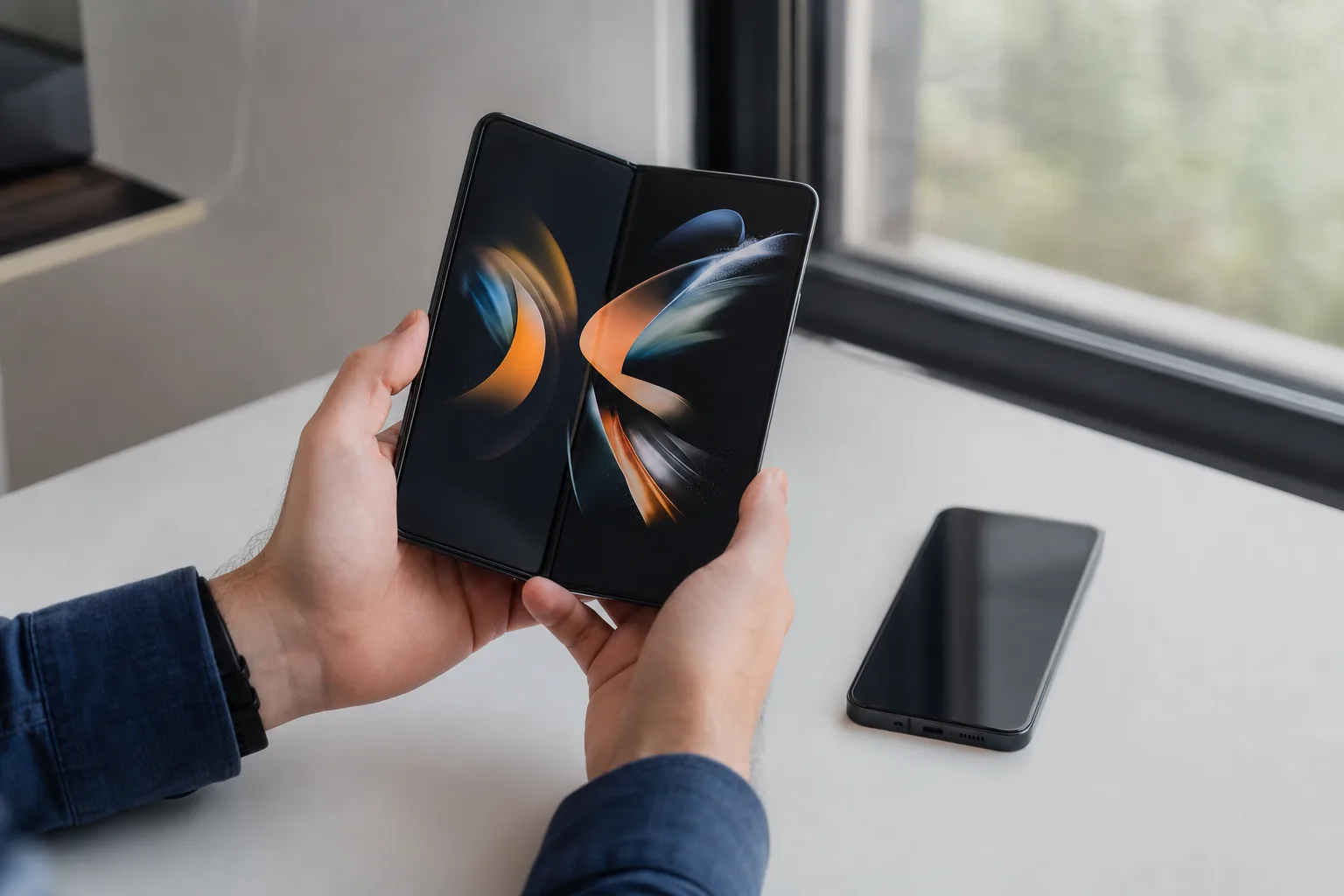
- The iPhone 18 lineup appears to include six devices referenced in iOS 27 beta battery and intelligence system files.
- Apple may split the iPhone 18 lineup across an earlier release and early 2027, changing its long-standing annual launch cadence.
- Internal identifiers point to Pro, Pro Max, standard, 18e, Air 2, and a foldable model reportedly called iPhone Ultra.
- The references are strong evidence of active hardware testing, but they do not confirm Apple’s final product names or release dates.
Table of Contents
iOS 27 points to a much broader iPhone 18 lineup
Apple may have accidentally put its next phone roadmap in plain sight. References found in iOS 27 beta 5 appear to identify six unreleased handsets in the iPhone 18 lineup, including the expected Pro models, a second-generation iPhone Air, and Apple’s long-rumored foldable.
The discovery was first reported by Macworld, which found the references in system components connected to battery drivers and Battery Intelligence. That matters because these are the unglamorous files that need to know what hardware they are running on. Marketing pages can be prepared at the last minute; low-level power-management support tends to show up when a device is far enough along to be tested seriously.
That makes the iPhone 18 lineup references more persuasive than a typical leak, even if they remain far short of an official announcement.
The company’s Newsroom remains the place where it confirms products, not beta-code breadcrumbs. Still, this looks more substantial than the usual case of someone squinting at a supply-chain rumor and inventing a product category around it.
Six codenames, with one major caveat
The iOS 27 files reportedly list internal model identifiers V62, V63, V64, V67, V68, and V69. Those labels are not consumer-facing names, so any direct mapping requires a degree of informed guesswork. Based on the broader stream of reporting around Apple’s 2026 and 2027 plans, the likely breakdown is V62 for iPhone Air 2; V63 and V64 for iPhone 18 Pro and iPhone 18 Pro Max; V67 for the regular iPhone 18; V68 for the foldable iPhone Ultra, or possibly iPhone Fold; and V69 for iPhone 18e.
That is a surprisingly complete sketch of the iPhone 18 lineup. Apple appears to be building a ladder rather than tossing one expensive experiment into its familiar range: entry-level at one end, a slim Air model in the middle, mainstream and Pro flagships above it, then a foldable at the very top.
The key uncertainty is the name of that foldable. “Ultra” has become the industry’s favorite shorthand for expensive phones with maximal specs, while “Fold” would tell ordinary buyers exactly what the device does. Apple has used Ultra for the Apple Watch, but it has also shown a willingness to avoid obvious naming when it thinks a product category needs its own identity. Remember the Vision Pro? Apple didn’t call that the Reality Headset.
Apple’s rumored split launch calendar is the real story
If these identifiers match the products Apple ships, the hardware itself may be less consequential than the schedule attached to it. The Pro models and foldable are expected to arrive first, while the iPhone 18, iPhone 18e, and iPhone Air 2 could follow in early 2027. The iPhone 18 lineup would therefore roll out in two waves instead of landing all at once in September.
For years, Apple’s annual iPhone event has operated like the tech industry’s back-to-school season: one massive launch, one giant marketing blast, and a clear moment for carriers and accessory makers to reset their shelves. A split calendar makes commercial sense, though. It gives Apple a second sales moment after the holiday rush, reduces the pressure to turn every new feature into a September-ready feature, and gives premium devices more room to breathe before cheaper models arrive.
There is a less flattering interpretation, too. Foldables are difficult machines to make at scale, and an iPhone Air successor may depend on component costs and yields that Apple cannot fully control. A staggered release could be deliberate strategy, production reality, or both. Apple is very good at presenting manufacturing constraints as elegant product planning, which is not a criticism so much as a description of how the company operates.
What the iPhone Ultra could mean for the range
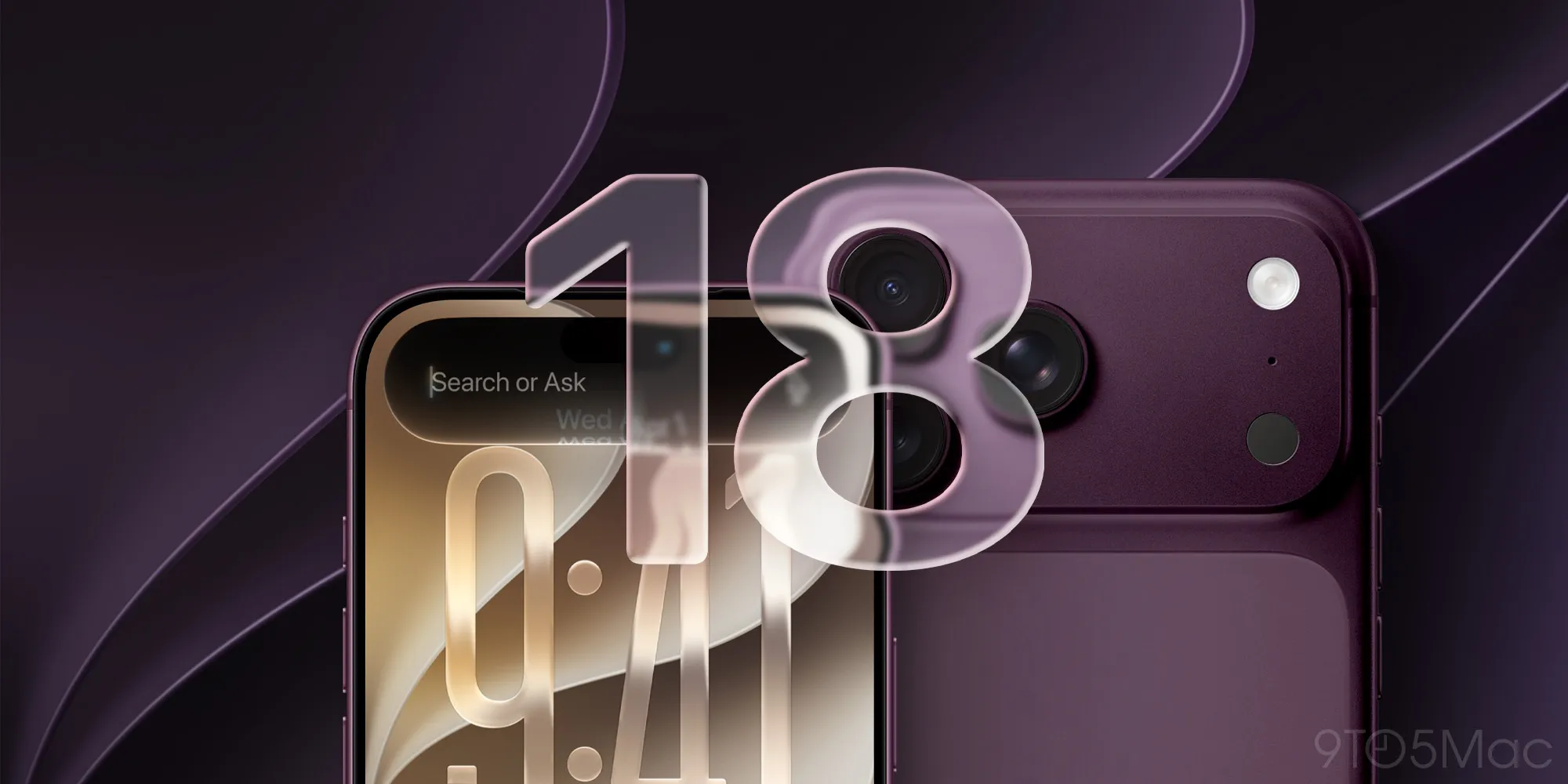
A foldable iPhone would be Apple’s biggest change to the iPhone 18 lineup, assuming V68 is indeed that product. Samsung has spent years proving there is an audience for folding phones, even if it remains a relatively premium niche. Google has pushed its Pixel Fold and later book-style designs toward the productivity crowd. Apple, characteristically, has waited.
Waiting has advantages. Apple can study the failures: fragile inner displays, visible creases, awkward aspect ratios, thick folded bodies, and prices that make a flagship phone feel like a monthly car payment. But delay also raises expectations. Nobody will give Apple credit simply for making a phone that folds in 2026 or 2027. Buyers will expect a hinge that feels invisible, software that makes the larger screen useful, and battery life that does not collapse the moment they open it.
The Battery Intelligence connection is the more interesting clue, if not a conclusive one. Foldables place extra demands on power systems because they carry larger, more variable displays and often need to juggle different screen states. References in battery-related iOS files do not reveal capacity, charging speed, or battery chemistry. They do tell us Apple is building software support around these devices rather than treating them as distant concept hardware.
The Air and 18e may matter more to actual buyers
The foldable will grab the headlines, naturally. Most people will probably care more about the regular iPhone 18, iPhone 18e, and iPhone Air 2. Those are the models that determine whether Apple’s redesigned portfolio makes practical sense outside a launch-event demo.
The rumored iPhone 18e would continue Apple’s effort to offer a more affordable current-generation option without reviving the old SE branding. The Air 2, meanwhile, needs to show that thinness can be more than a one-year novelty. A lighter handset is delightful until it compromises battery longevity, cameras, or repairability; ask anyone who has lived through an ultra-thin laptop era.
My read is that the iPhone 18 lineup is Apple trying to make the iPhone family feel less static without betting everything on one device. Pro buyers get the early access and the prestige hardware. Value-conscious shoppers get their moment later. The Air can occupy the style-first middle ground. And the foldable tests whether Apple can turn a well-established Android category into something consumers suddenly regard as mainstream.
These code references are not a launch invitation, and Apple can still rename, delay, or cancel products before they reach a store. But six distinct identifiers in iOS 27 make one point hard to ignore: the next iPhone cycle looks less like another annual refresh and more like Apple reorganizing the shelf. Whether customers embrace that new rhythm will depend on the prices Apple puts on it and how clearly the iPhone 18 lineup differentiates each model.

