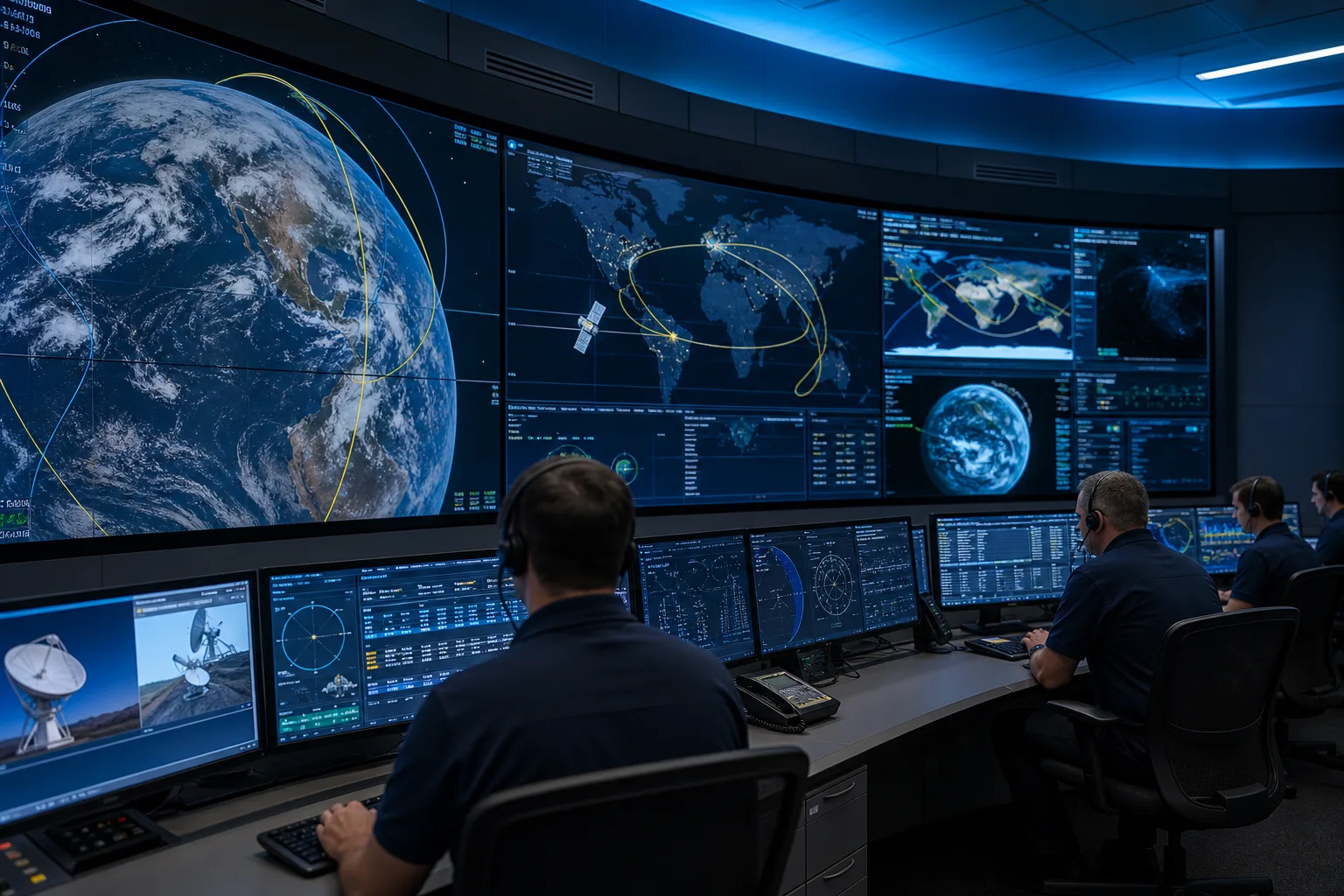
Every week, the European Space Agency publishes a curated set of photographs that quietly do something remarkable — they remind us just how much is happening above our heads, and how much effort goes into watching over our planet. The ESA space images collected between 29 June and 3 July 2026 are no exception, pulling together a range of scenes from low Earth orbit, astronaut training facilities, and the natural world as seen from hundreds of kilometres up.
- ESA space images from 29 June to 3 July 2026 showcase Earth observation, astronaut ops, and deep-space work.
- The weekly ESA space images collection includes a final shot from Sentinel-1A before the satellite’s end of service.
- Satellite views of the Grand Canyon captured during the week highlight the power of modern Earth observation tools.
- ESA’s ECOS console at the European Astronaut Centre featured prominently, reflecting active crew support operations.
Table of Contents
A Week of ESA Space Images Worth Paying Attention To
ESA’s weekly image digests might look like a tidy photo roundup at first glance, but they’re actually a compressed record of the agency’s operational reality. The ESA space images from this particular week span satellite captures of iconic landscapes, behind-the-scenes looks at mission control infrastructure, and farewell frames from a satellite that’s been watching the Earth for years. That range alone tells a story about how broad — and how active — Europe’s space programme really is.
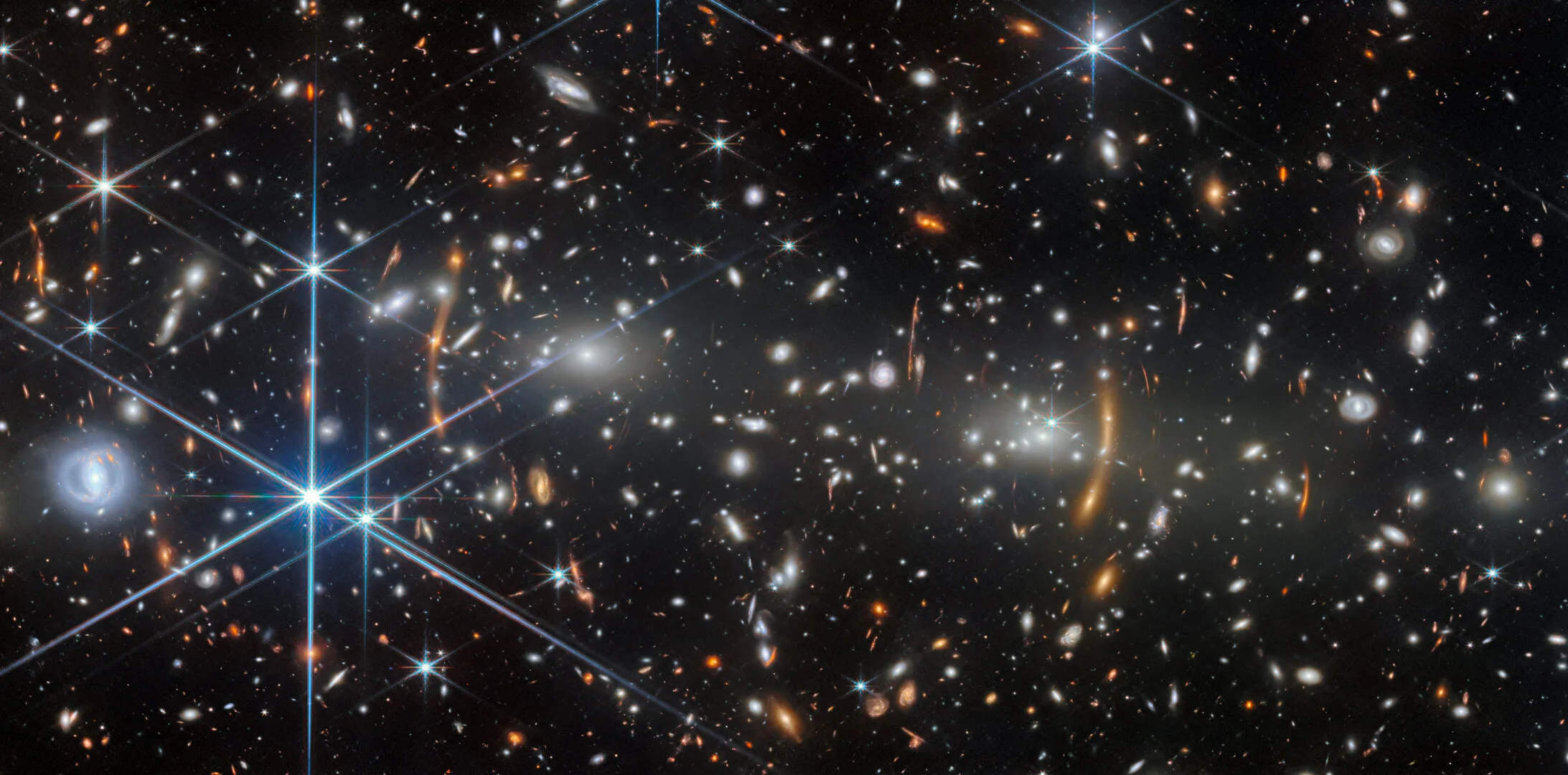
What’s easy to miss, scrolling through these collections, is the sheer technical complexity that underpins each shot. A satellite image of the Grand Canyon isn’t just a pretty picture; it’s a calibrated data product, processed from radar or multispectral sensor readings, corrected for atmospheric distortion, and often compared against historical captures to detect change over time. When ESA publishes that kind of imagery, it’s opening up a small window into what operational Earth observation actually looks like day to day.
The Grand Canyon From Orbit — Earth Observation at Its Most Striking
Among the ESA space images featured this week, satellite views of the Grand Canyon stood out as a vivid reminder of what modern observation infrastructure can deliver. The canyon — carved by the Colorado River over millions of years — stretches through northern Arizona, and from orbit it reads as an intricate wound in the desert plateau, layered in ochres, reds, and greys.
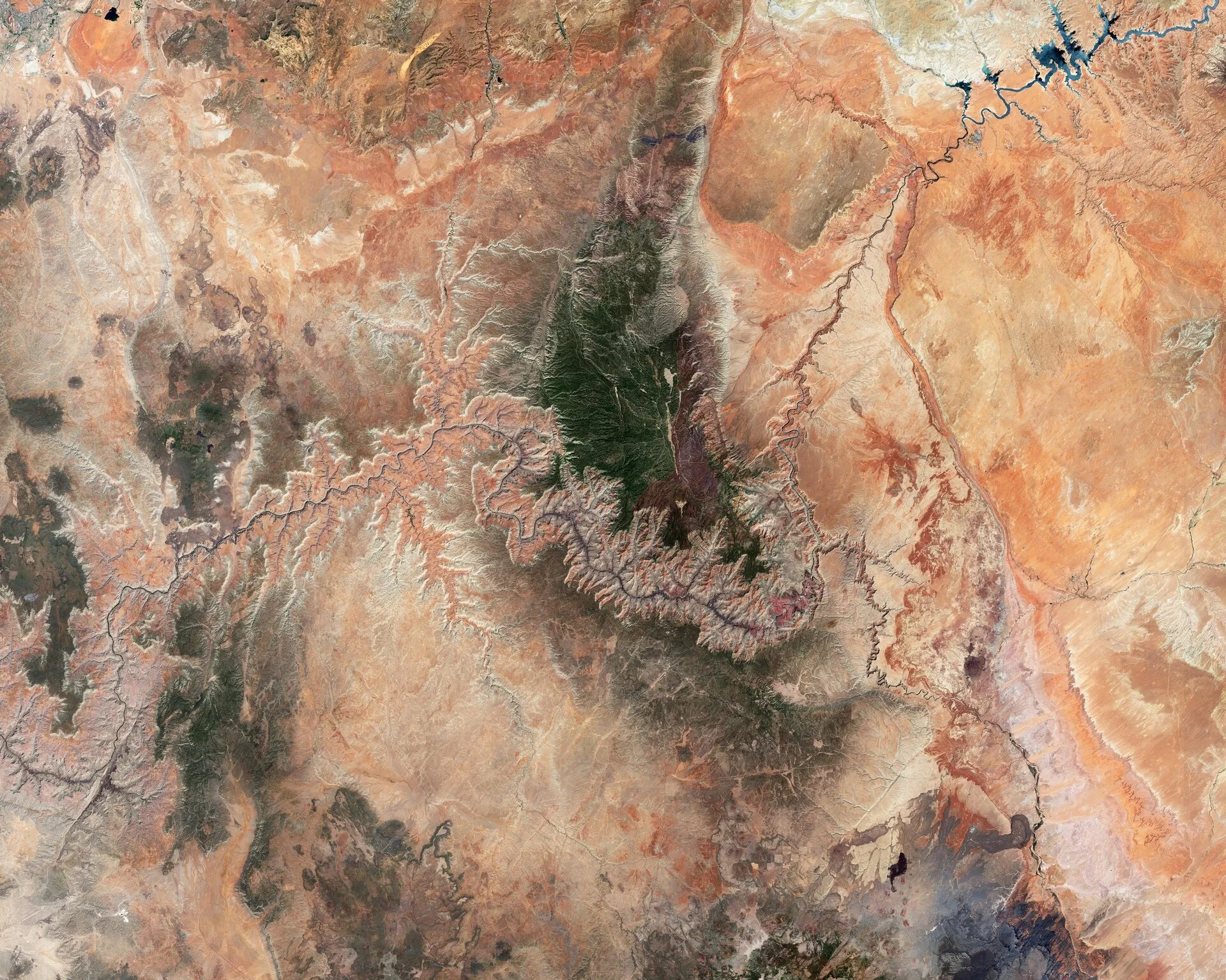
But these aren’t just aesthetic captures. Earth observation satellites track geological features like the Grand Canyon to study erosion patterns, sediment movement, and the long-term effects of climate shifts on arid landscapes. The ESA Earth Observation programme has spent decades building a constellation of satellites capable of tracking these changes with increasing precision, and images like these are the public-facing output of that infrastructure investment.
Sentinel-1A’s Final Frames and What They Mean for Earth Monitoring
One of the more quietly significant ESA space images in this week’s collection was described as one of the last from Sentinel-1A — the radar imaging satellite that’s been a cornerstone of the Copernicus programme. Sentinel-1A could see through cloud cover and operate day or night, making it especially valuable for disaster response, sea ice monitoring, and agricultural tracking.
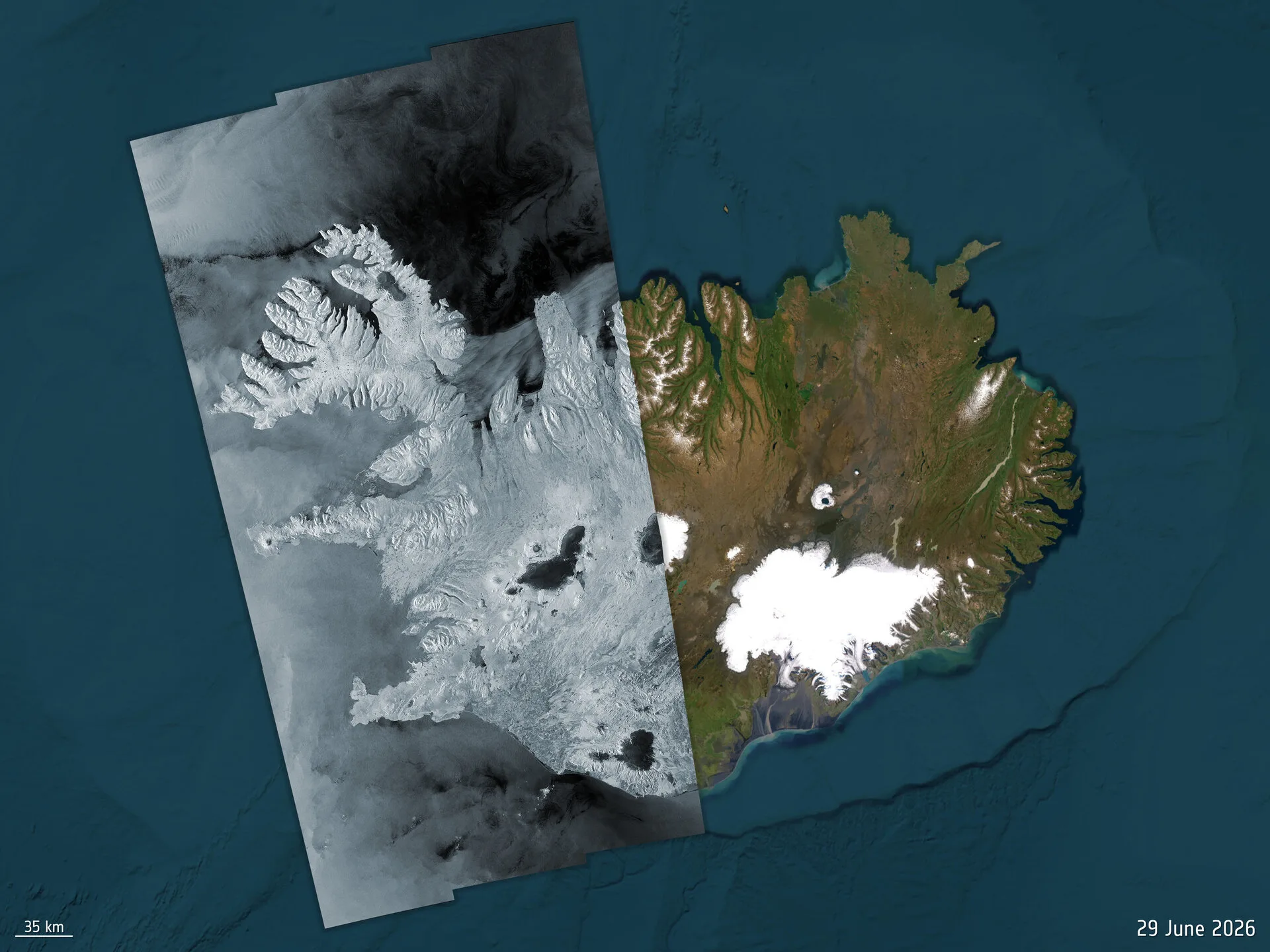
A fittingly raw and elemental scene reportedly served as its final capture — an appropriate note for a satellite that spent over a decade mapping some of the planet’s most dynamic and volatile terrain. Iceland itself is one of the most geologically active places on Earth, sitting astride the Mid-Atlantic Ridge and subject to constant volcanic activity. That Sentinel-1A ended its mission photographing it feels almost poetic.
The end of Sentinel-1A’s operational life doesn’t leave a gap, thankfully. Sentinel-1C was already in development and launch preparations well before this point, and the Copernicus constellation is designed with redundancy in mind. Still, the retirement of any long-serving satellite is worth acknowledging — each one carries years of calibration data, operational history, and scientific legacy that newer systems will need time to replicate in full.
Behind the Scenes: The ECOS Console at EAC
Not all of the ESA space images this week came from orbit. The collection also featured a look at the ECOS console at ESA’s European Astronaut Centre, where European astronauts prepare for missions to the International Space Station and, increasingly, future lunar and deep-space assignments.
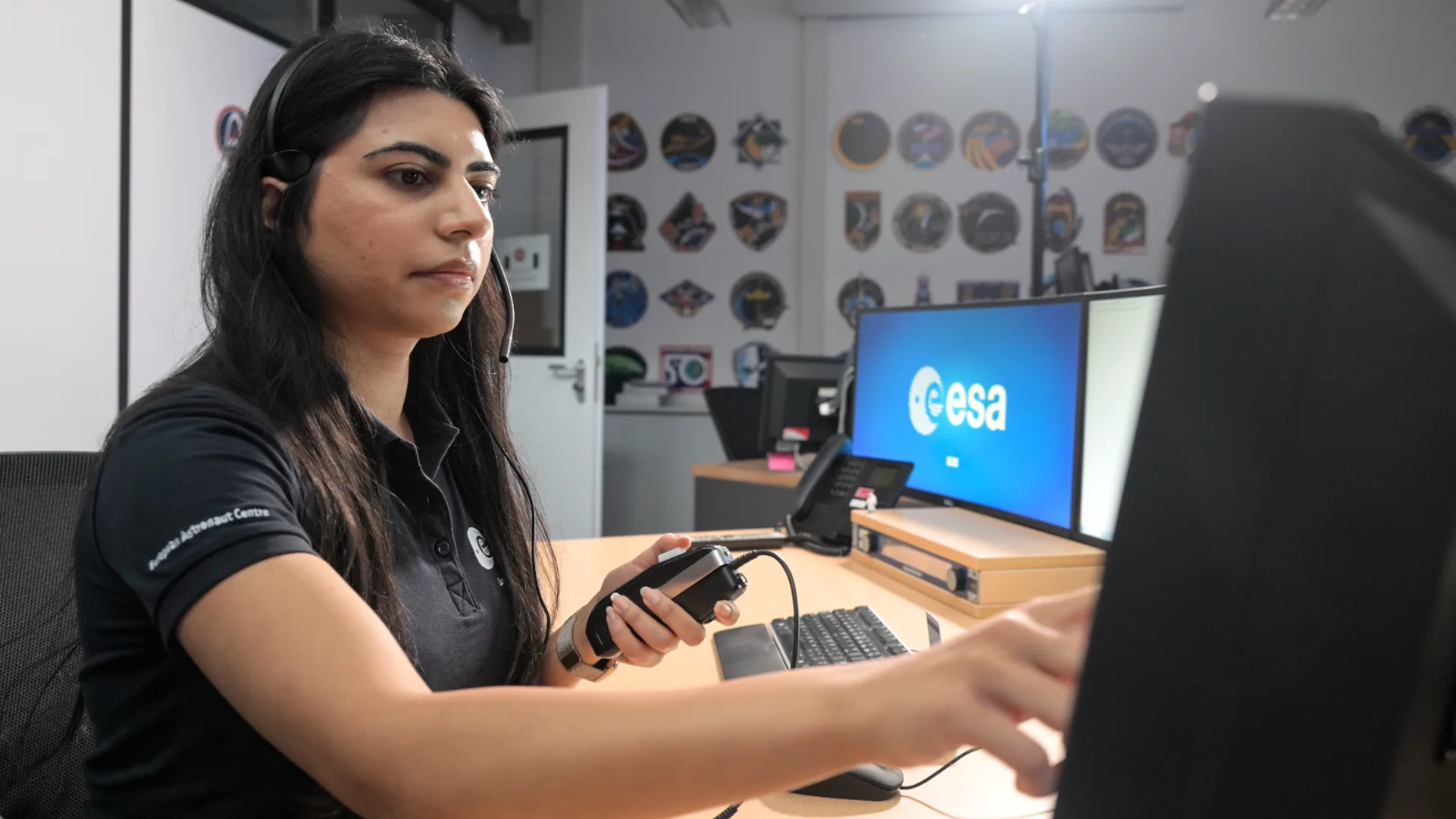
Shots like this one rarely get as much attention as the orbital photography, but they’re arguably just as important for understanding what ESA actually does. The ECOS console is part of the ground infrastructure that keeps astronaut missions running — a physical link between the people on the ground and the crew in space. As ESA works to expand its human spaceflight ambitions, facilities like EAC are becoming more central to the agency’s long-term strategy, not peripheral.
Europe’s human spaceflight programme has historically operated in the shadow of NASA and, more recently, SpaceX. But ESA has been quietly building capability — in astronaut training, in mission control expertise, and in the partnerships that will define who gets to participate in missions beyond low Earth orbit. Images of the ECOS console are, in a small way, evidence of that infrastructure growing up.
Why ESA’s Weekly Images Matter Beyond the Visual
It would be easy to treat ESA space images as little more than a communications exercise — pretty pictures that keep the agency in the public eye. And there’s some truth to that; space agencies everywhere understand the value of compelling visuals in sustaining public and political support for programmes that cost billions of euros over decades.
But the images also function as a kind of operational transparency. When ESA publishes a final frame from Sentinel-1A, or shows the interior of a mission control console, or releases satellite data over a recognisable landscape, it’s making real the abstract idea that a European space programme exists and is doing meaningful work. That matters especially now, as the agency navigates questions about funding, sovereignty in launch capability, and its relationship with international partners in an increasingly competitive space environment.
The weeks ahead will likely bring more of the same — more orbital captures, more astronaut training updates, more quiet evidence of a programme that doesn’t always make headlines but rarely stops working. That consistency is, in its own way, the most important thing ESA’s weekly image collections communicate.