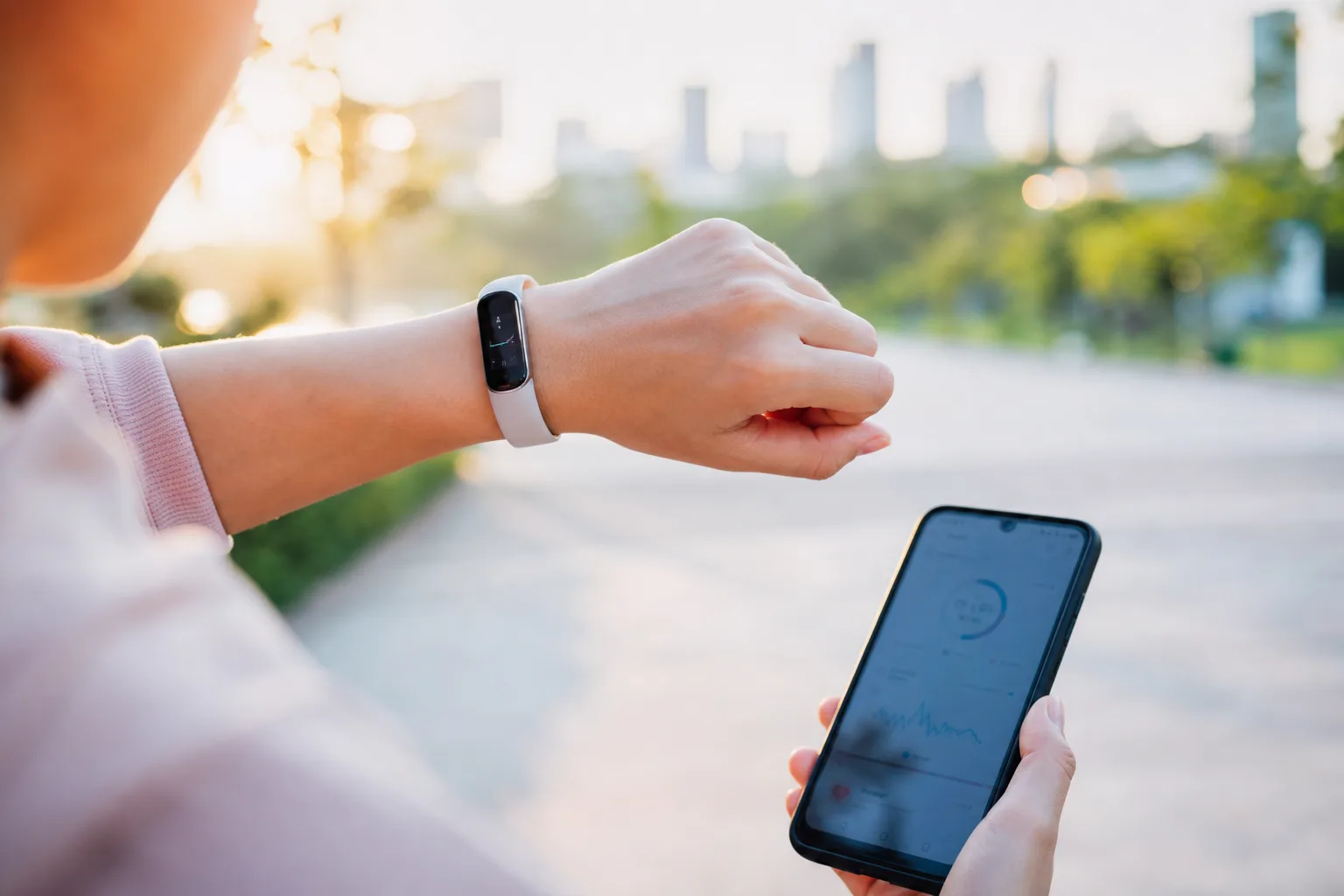
The Fitbit Edge is reportedly the missing middle child in Google’s wearable family: more substantial than a minimalist fitness band, but less demanding than a full Pixel Watch. That sounds obvious on paper. In practice, it is a category Google has struggled to define ever since it bought Fitbit.
A device called the Fitbit Edge is framed as a possible bridge between the Fitbit Air and the coming Pixel Watch 5. Specific technical details appear limited for now, so treat the name and positioning as early leak material rather than a finished-product promise. The idea, though, makes a great deal of sense.
Not everyone wants notifications, app stores, voice assistants, and another screen competing for attention. Plenty of people simply want decent sleep data, activity tracking, heart-rate readings, and a device they can wear for several days without reaching for a charger. Google has the pieces to serve that crowd. What it has lacked is a clean, convincing product map.
- The Fitbit Edge reportedly aims to sit between a simple Fitbit band and Google’s feature-heavy Pixel Watch lineup.
- A Fitbit Edge could give Google a clearer answer for buyers who want health tracking without a smartwatch’s distractions.
- Google still needs to explain how Fitbit hardware fits beside Pixel Watch after years of overlapping wearable strategies.
- The most compelling tracker would prioritize comfort, battery life, and trustworthy metrics over another tiny wrist computer.
Table of Contents
Why the Fitbit Edge could fill Google’s wearable gap
Fitness trackers and smartwatches increasingly look like the same thing from a distance, but they solve different problems. A smartwatch is a tiny general-purpose computer strapped to your wrist. A tracker is closer to a good kitchen scale: it should work quietly, reliably, and disappear into daily life until you need the information.
Google’s Pixel Watch sits firmly in smartwatch territory. It runs Wear OS, handles calls and notifications, supports apps, and offers Google’s software services. Those are useful features, but they come with the standard smartwatch trade-off: battery life measured in roughly a day rather than a week, plus a higher price and a more involved ownership experience.
At the other end, a product described as the Fitbit Air suggests an even lighter, simpler approach. That leaves a sensible opening for the Fitbit Edge: a tracker with a proper display and richer health features, perhaps, without being pushed into the Pixel Watch’s mini-phone-on-the-wrist role.
I’d argue that this is where Fitbit historically did its best work. Devices such as the Charge series won because they were practical. They were not trying to replace your phone. They counted your steps, nudged you to move, tracked workouts, and generally lasted long enough that charging was not a nightly ritual. That mundane reliability matters more than wearable companies often admit.
The category is also far from dead. Wearable shipments have grown, with basic wearables continuing to play an important role alongside smartwatches. Apple and Samsung dominate the premium smartwatch conversation, while Garmin has built a loyal audience around serious training. Fitbit’s opportunity is less about beating any one of them spec for spec and more about being the sensible choice for people who find all that hardware a bit much.
Google needs a cleaner Fitbit strategy
The awkward question hanging over any Fitbit Edge report is not whether Google can make another tracker. Of course it can. The question is whether buyers understand why Google has both Fitbit and Pixel Watch branding at all.
Google acquired Fitbit, and the company later folded Fitbit’s health-tracking expertise into Pixel Watch products. The result has been capable hardware, but the brand lines can look fuzzy. Pixel Watch uses Fitbit health features. Fitbit sells its own trackers. Fitbit Premium sits in the middle. For shoppers standing in an electronics aisle, that can feel less like an ecosystem and more like corporate history leaking into product design.
A properly positioned Fitbit Edge could actually clarify things. Pixel Watch can be the connected smartwatch for Android users who want Google apps and a display-forward experience. Fitbit can be the health-first line: lighter hardware, longer battery life, fewer interruptions, and a lower entry price. That division is not glamorous, but it is legible.
Frankly, Google has earned some skepticism here. The company has a long record of reorganizing, renaming, and abandoning consumer efforts when its attention shifts. Remember Stadia? Wearables are different because people build routines around them. Sleep trends, training history, weight goals, and recovery data become personal over time. Google cannot treat Fitbit customers as a temporary funnel toward Pixel Watch.
That means existing Fitbit accounts, data portability, device support, and Premium subscription rules matter just as much as the physical tracker. A new device will not calm loyal Fitbit users if it arrives alongside another confusing policy change.
What a Fitbit Edge should prioritize
Leaks invite a familiar temptation: start making a wish list of sensors and screens. But the Fitbit Edge does not need to win a component-counting contest. Its appeal would come from disciplined compromises.
- Battery life: Several days of use should be the baseline. A tracker that needs daily charging has already surrendered its clearest advantage over a smartwatch.
- Comfort: Slim, light hardware is not a cosmetic feature when a device is meant for sleep tracking. A great sensor in a drawer is worthless.
- Health data people can understand: Fitbit’s app has long been approachable, though Google should avoid hiding basic trends behind too many subscription prompts.
- Reliable workout fundamentals: Heart rate, GPS support, sleep, activity, and common exercise modes need to be dependable before Google chases exotic metrics.
- A sensible price: The whole argument for a middle-tier tracker falls apart if it costs close to a Pixel Watch.
There is room for ambition, of course. Stress and recovery estimates, skin-temperature tracking, ECG support, or better workout coaching could make a Fitbit Edge feel modern. Yet each new feature raises questions about accuracy, battery drain, cost, and whether the result begins cannibalizing Pixel Watch.
That is the tightrope. Google cannot release a tracker so basic that it feels like a relic, but it should resist turning it into a shrunken smartwatch with a different logo. The best product in this category is usually the one you stop thinking about because it is always on your wrist, quietly doing its job.
The bigger competition is not another watch
If this device arrives, it will enter a market that has changed since Fitbit’s early boom years. The rise of screenless health wearables such as Oura Ring and Whoop has shown that many users will accept fewer on-device controls in exchange for comfort and longer battery life. Garmin, meanwhile, has demonstrated that buyers will pay for specialized fitness tools when the data and training features feel credible.
The Fitbit Edge would need a distinct answer. Google’s likely advantage is mainstream accessibility: a familiar app, Android integration, broad retail availability, and fitness insights that do not require becoming a data obsessive. There are millions of people who want to know whether they are sleeping poorly or moving less than usual, not build a spreadsheet around their resting heart rate.
That audience is bigger than gadget culture sometimes realizes. It is probably less interested in a flashy launch video than in whether the band is comfortable, whether the battery lasts through a weekend, and whether the numbers feel believable.
For now, the Fitbit Edge is still a reported product rather than an official Google announcement, and the eventual device could look very different from the early picture. But my read is that Google needs this kind of product badly. The company does not need another attempt to make every wrist wearable do everything. It needs to make choosing a Fitbit feel simple again.