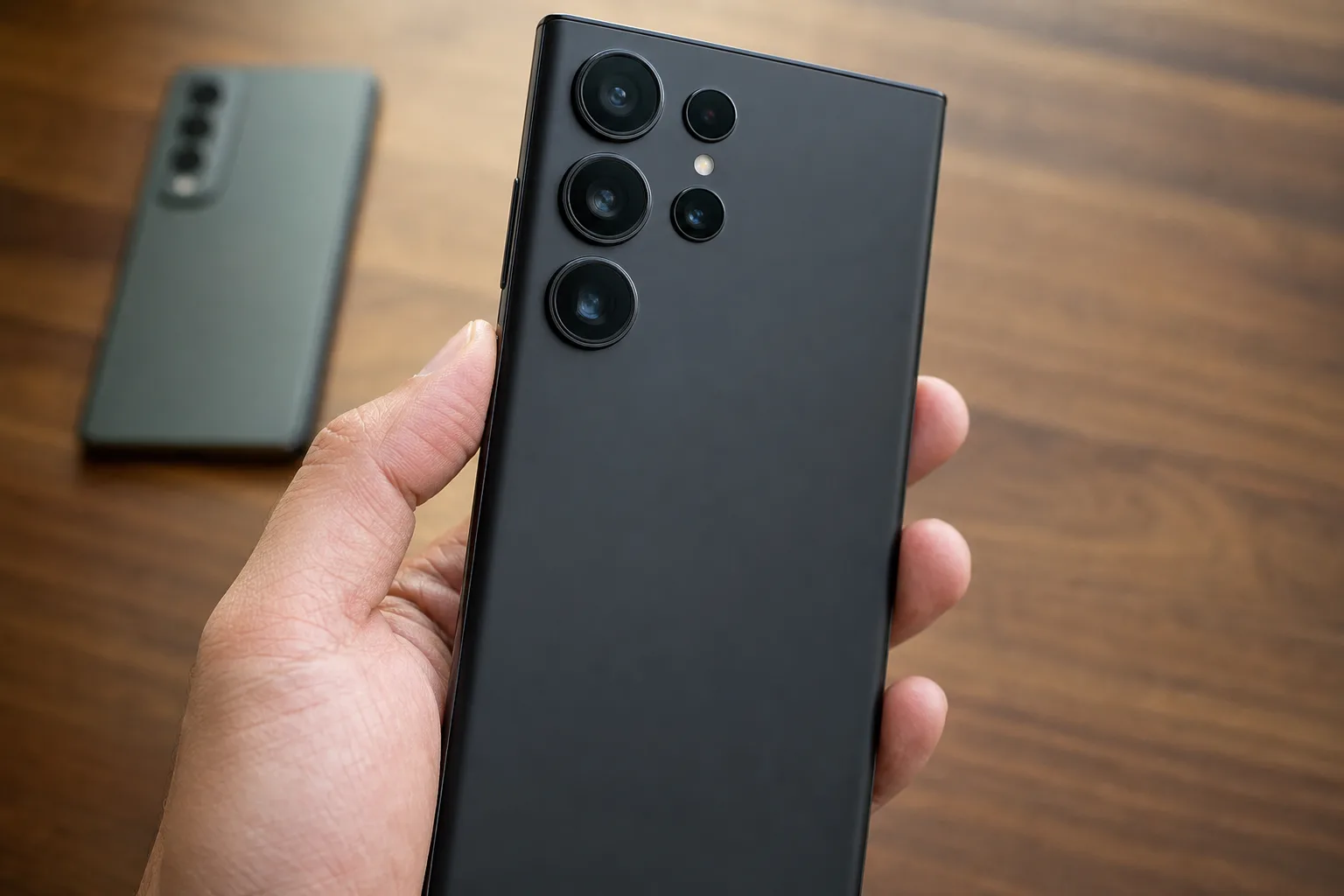
- The Galaxy S26 FE reportedly keeps the Galaxy S25 FE’s 50MP main camera and 8MP 3x telephoto hardware.
- Galaxy S26 FE camera upgrades may rest on software processing, since the leaked sensor list looks largely unchanged year over year.
- Samsung is also expected to retain 45W wired charging, according to a recent certification listing.
- The phone’s two remaining 12MP sensors are reportedly assigned to ultrawide and selfie duties, though their exact roles remain unclear.
Table of Contents
Galaxy S26 FE camera hardware may stand still
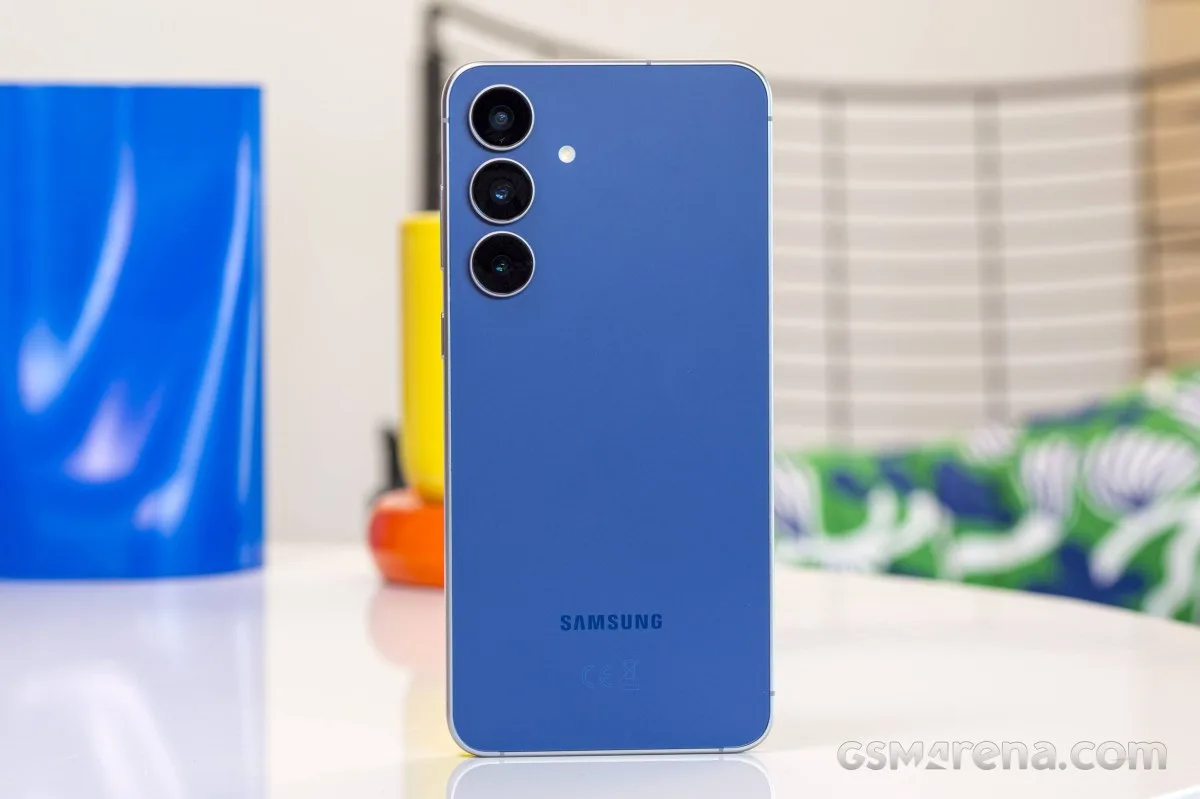
Samsung’s Fan Edition phones are supposed to be the sensible choice: enough flagship flavor to feel premium, without the Ultra-sized bill. But the early picture around the Galaxy S26 FE suggests Samsung may be asking buyers to accept an unusually familiar recipe. A new report indicates that its rear camera hardware will closely mirror the Galaxy S25 FE, including the 50MP main sensor and 8MP 3x telephoto camera.
Android Authority says it reviewed information from a trusted source connected to the device, codenamed ‘r14.’ Samsung hasn’t confirmed these specifications itself, so treat them as well-sourced reporting rather than a final spec sheet. Still, the details fit the broader picture taking shape around this phone: controlled evolution, not a dramatic reset.
The reported primary sensor is Samsung’s 50MP ISOCELL S5KGN3. Alongside it sits OmniVision’s 8MP OV08A1 for the 3x telephoto unit. Those are the same two components used on the Galaxy S25 FE. On paper, that means the Galaxy S26 FE may offer no obvious improvement in the two cameras that most shape everyday photos: the main lens and zoom lens.
Samsung has made a business out of reusing proven camera parts across product cycles, and there are defensible reasons for it. Mature components are cheaper, easier to tune, and less likely to generate ugly surprises at launch. But consumers don’t buy a bill of materials. They buy the result. If a new phone takes the same pictures as the old one, a slightly revised frame and a fresh model number won’t create much urgency.
Four sensors, but little evidence of a new camera strategy
The leak also points to two 12MP sensors: GalaxyCore’s GC12A2 and Sony’s IMX825. One is expected to handle ultrawide shooting, while the other should be used for selfies, though the report cannot yet say which sensor goes where. Both cameras are therefore expected to stick with the outgoing model’s 12MP resolution.
Resolution alone doesn’t settle whether the Galaxy S26 FE will take better photos. Sensor size, lens quality, autofocus, image processing, HDR behavior and night-mode tuning all matter. Google has spent years proving that computational photography can squeeze surprising results from hardware that doesn’t look spectacular on a spec sheet. Apple, too, often focuses more on consistency than headline megapixels.
Samsung could follow that playbook. The company’s newer image processing, improved portrait segmentation and potentially better video stabilization may yet give the Galaxy S26 FE a visible edge. But that is an ‘if,’ and a meaningful one. Camera software upgrades are hard to judge from a component leak because they are invisible until reviewers start shooting difficult scenes: a moving kid indoors, neon signs at night, a concert from the back row. Those are the photos people actually take, not the perfectly lit samples in a launch presentation.
The reported package has one especially awkward weak point: an 8MP telephoto camera feels dated in this part of the market. A dedicated 3x optical lens remains more useful than the digital zoom many midrange rivals offer, particularly for portraits and distant subjects. Yet buyers comparing specs may notice that Samsung’s own premium phones and several Chinese competitors have moved toward higher-resolution zoom sensors. The Galaxy S26 FE will need excellent processing to make that 8MP number feel less limiting than it sounds.
45W charging looks set to return, too
Camera hardware may not be the only carryover. A recent certification suggests 45W wired charging will remain in place for the Galaxy S26 FE. That’s not a dealbreaker on its own. Forty-five watts is perfectly workable for a phone likely aimed below Samsung’s flagship tier, and it beats the stubbornly slow charging still found on some expensive handsets.
Still, it reinforces the impression that Samsung is sanding down the edges of an existing formula instead of taking a swing. Battery capacity, sustained performance, cooling, display brightness and long-term software support will matter just as much as charging speed when the full device arrives. Samsung’s official support documentation also shows how much the company now treats software maintenance as part of the product proposition, not an afterthought.
That strategy has worked before. Fan Edition devices have tended to win on balance rather than on one knockout feature. The issue is timing. The phone market is less forgiving of annual updates that feel interchangeable, especially when last year’s device will likely be discounted heavily by the time its replacement hits stores.
Samsung needs a reason to upgrade, not merely a reason to wait
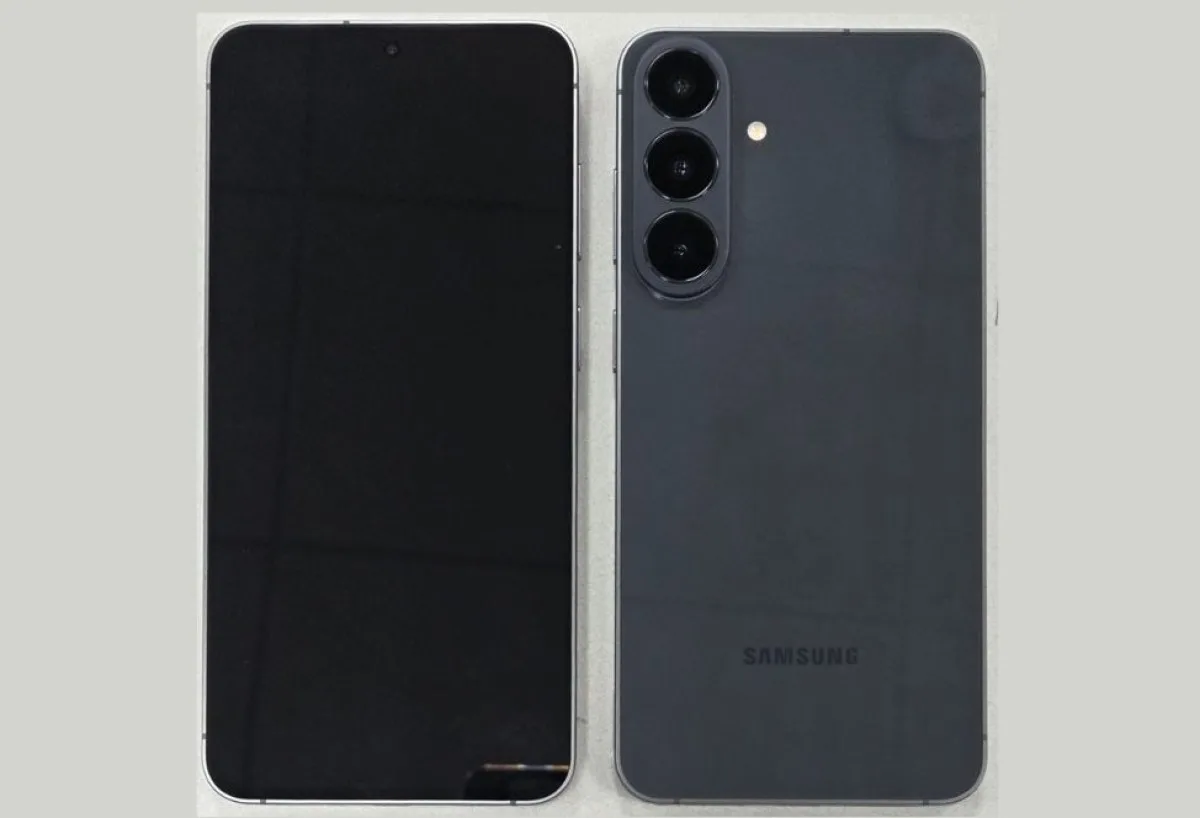
A Samsung executive has already acknowledged the Galaxy S26 FE exists, with a company representative indicating a launch this year. A Wireless Power Consortium listing has also given us an apparent look at the handset’s design. The remaining questions are the ones that decide whether this phone matters: its processor, battery, display, price and regional availability.
My read is that Samsung can get away with recycled sensors only if it gets the price and the experience right. Give the Galaxy S26 FE a sharp display, dependable battery life, genuinely improved image processing and a price that meaningfully undercuts the standard Galaxy S26, and it could still be a compelling mainstream Android buy. Price it too close to a discounted flagship, though, and those familiar camera specs will look less like prudent engineering and more like Samsung playing it safe one year too long.