

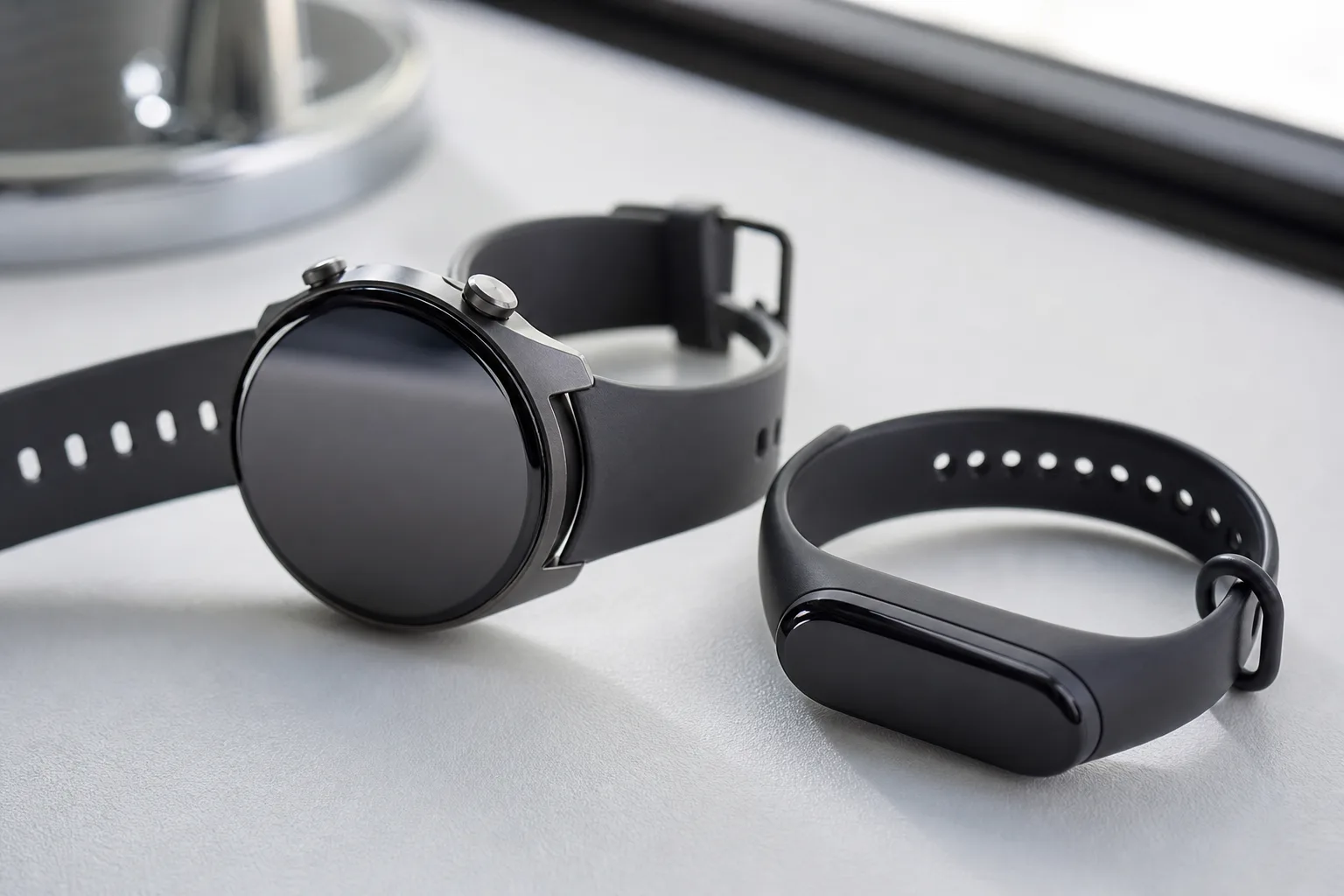
- Samsung could move the Galaxy Watch release cycle from annual launches to a two-year cadence, according to a South Korean report.
- A longer Galaxy Watch release cycle would reportedly give Samsung more time to support current watches with software updates.
- The reported change follows claims that Galaxy Watch 9 sales missed internal expectations after this year’s price increase.
- Samsung may introduce a new Galaxy Fit model during the potential smartwatch gap, targeting simpler and cheaper fitness tracking.
Table of Contents
Samsung’s Galaxy Watch release cycle may be slowing down
Samsung’s annual smartwatch refresh has become as predictable as its summer foldable-phone event. That rhythm may be about to break. The Galaxy Watch release cycle could shift to once every two years, a move that would make Samsung one of the first major Android wearable brands to openly step back from the yearly upgrade treadmill.
According to GSMArena.com, citing industry sources in South Korea, Samsung is considering skipping a new Galaxy Watch generation next year. The report ties that possibility to pressure inside Samsung Electronics’ Mobile eXperience division, which has reportedly posted losses for two consecutive quarters, and to underwhelming sales from the Galaxy Watch 9 series.
Samsung has released a new Galaxy Watch family every year since the original Galaxy Watch arrived in 2018. A pause in the Galaxy Watch release cycle would therefore be a genuine strategic change, not a one-off scheduling mishap caused by a delayed component or a launch event shuffle.
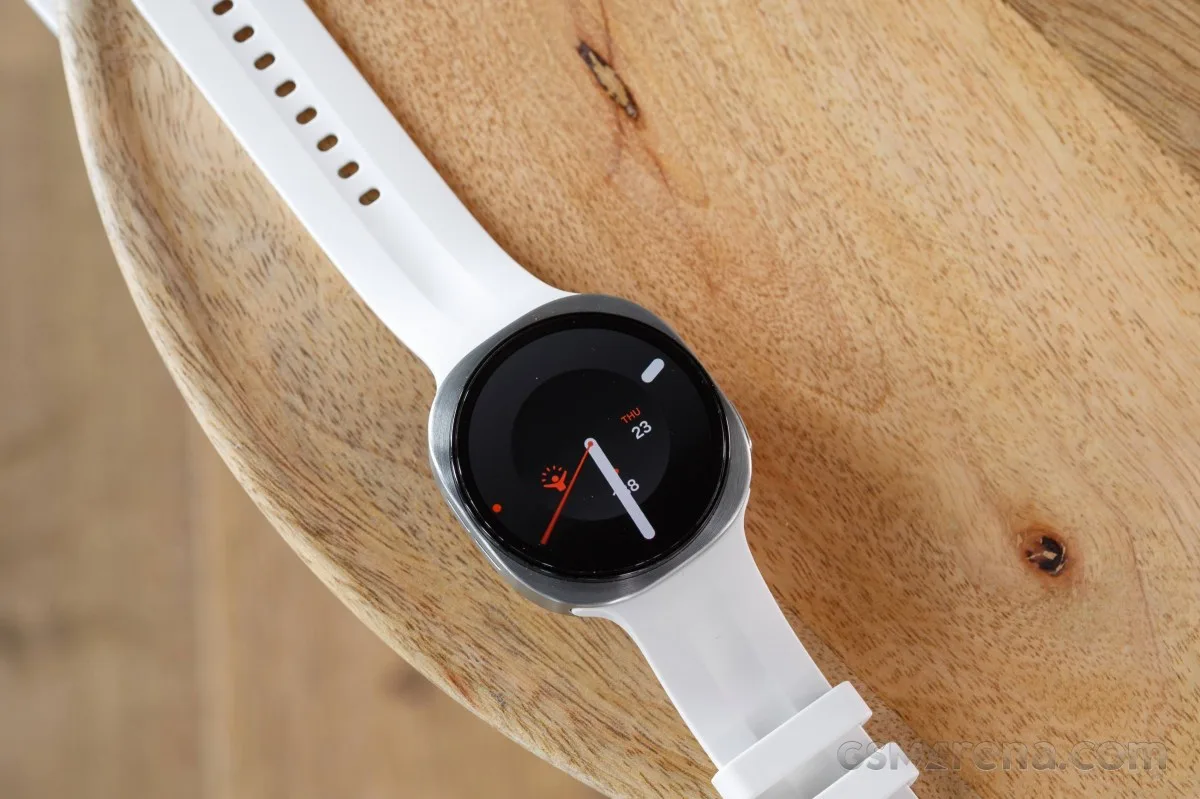
The reported plan is not official, and Samsung has not publicly committed to altering its wearable roadmap. Product plans move around all the time, especially when a company is balancing inventory, component contracts, software schedules and the rather unforgiving expectations of shareholders. Even so, the case for a slower Galaxy Watch release cycle is hard to dismiss.
Why an annual smartwatch upgrade is getting harder to sell
Smartphones can still create obvious reasons to upgrade: a major camera change, a larger battery, a different screen shape, perhaps a new cellular modem. Smartwatches are tougher. For most people, a watch already counts steps, shows notifications, tracks sleep, records runs and handles contactless payments. The next model needs to do something materially different, not simply put a newer processor behind the same wrist-facing rectangle.
That is the problem Samsung appears to be confronting. The South Korean report says the Galaxy Watch 9 family failed to meet sales expectations, while the watches also received a price increase. Higher prices are easier to defend when the benefits are immediately visible. When the improvements are mostly inside the case, buyers tend to keep wearing what they own.
Apple has experienced a version of the same problem, even with the iPhone ecosystem doing much of the selling for it. The Apple Watch remains a powerful product, but annual generations have often centered on incremental health, display and processor refinements. Google’s Pixel Watch has also settled into a familiar pattern of careful iteration. Wearables are maturing, and mature categories punish companies that mistake routine for demand.
A two-year Galaxy Watch release cycle would let Samsung bundle more substantial changes into each launch. That could mean meaningful battery gains, new health sensors where regulators permit them, sturdier materials or a larger jump in performance. It might also give Samsung a better chance to make a case for trading in an older model rather than asking customers to replace a perfectly serviceable watch after 12 months.
Software support becomes the real test
The report says Samsung would focus on software updates for existing models during a year without a flagship watch launch. That is exactly what the company should do if it adopts a longer Galaxy Watch release cycle. A smartwatch is not a fashion accessory with an app store attached; it is a health-adjacent computer people wear while sleeping, exercising and, increasingly, monitoring long-term trends in their bodies.
That makes ongoing software work more valuable than a modest annual hardware refresh. Better sleep insights, more useful coaching, improved workout detection, battery management and reliable compatibility with Android phones are the kinds of upgrades users actually notice on a Tuesday morning. Samsung already details its health features and supported devices through its official Samsung Health page, but the company’s challenge is turning that broad feature list into a reason to stay inside its ecosystem.
There is a risk. Samsung competes in Wear OS alongside Google, and its Galaxy Watches help keep Samsung visible in a category where Apple is still the cultural reference point. Sitting out a year gives rivals an opening to claim technical momentum. It could also make retailers less enthusiastic about dedicating shelf space to a lineup that has not been refreshed.
A yearly release is not automatically a competitive advantage. If the new model looks too much like the old one, it can make the whole category appear stagnant. A carefully supported two-year Galaxy Watch release cycle may be healthier than launching hardware simply because the calendar says it is time.
A new Galaxy Fit could fill the gap
Samsung is reportedly planning a new Galaxy Fit model to cover the period without a flagship smartwatch. That makes commercial sense. Fitness bands are generally cheaper and simpler, making them easier to position as an impulse purchase or a practical first wearable. They also avoid some of the expectations that come with a premium Wear OS device: rich apps, polished messaging, advanced sensors and increasingly expensive materials.
The split could become fairly clean. Galaxy Fit would serve people who want step counts, sleep tracking and basic activity data without another screen competing for their attention. Galaxy Watch would become the premium product, updated less often but with more to show for it. Samsung has used versions of this good-better-best playbook across phones, tablets and earbuds for years.
There is another element in the report: Samsung is said to be considering lower production of mid-range phones while expanding its premium smartphone range. If that direction is accurate, the potential Galaxy Watch release cycle change fits a broader effort to prioritize margins over sheer product volume. The mobile business has long been Samsung’s giant engine, but giant engines are expensive to run when every product tier is crowded.
The bigger question is whether buyers will reward restraint
A slower Galaxy Watch release cycle would be easy to describe as a retreat. It may instead be the more disciplined choice. Consumers have become wary of annual upgrade pressure, particularly for devices that remain useful for years. Regulators and right-to-repair advocates are pushing in the same direction, even if they are not dictating smartwatch launch calendars.
Samsung would need to earn the goodwill that comes with a pause. Software updates cannot be token patches, and its eventual next flagship watch cannot arrive with a recycled design and a handful of renamed features. If Samsung takes two years, customers will reasonably expect two years’ worth of progress.
That is the wager: fewer launches, less inventory risk and a clearer reason to buy when the next Galaxy Watch finally arrives. If the company can deliver on that promise, the annual smartwatch launch may soon look like one of those tech-industry habits nobody particularly needed in the first place.