Apple’s calendar is famously secretive right up until it suddenly isn’t, but the iPhone 18 event is already starting to look unusually easy to map out. The strongest current prediction is Wednesday, September 9, with invitations potentially arriving two weeks earlier on August 26. That may sound like tea-leaf reading, and it is. But Apple has turned its iPhone launch timing into something close to a ritual since 2022.
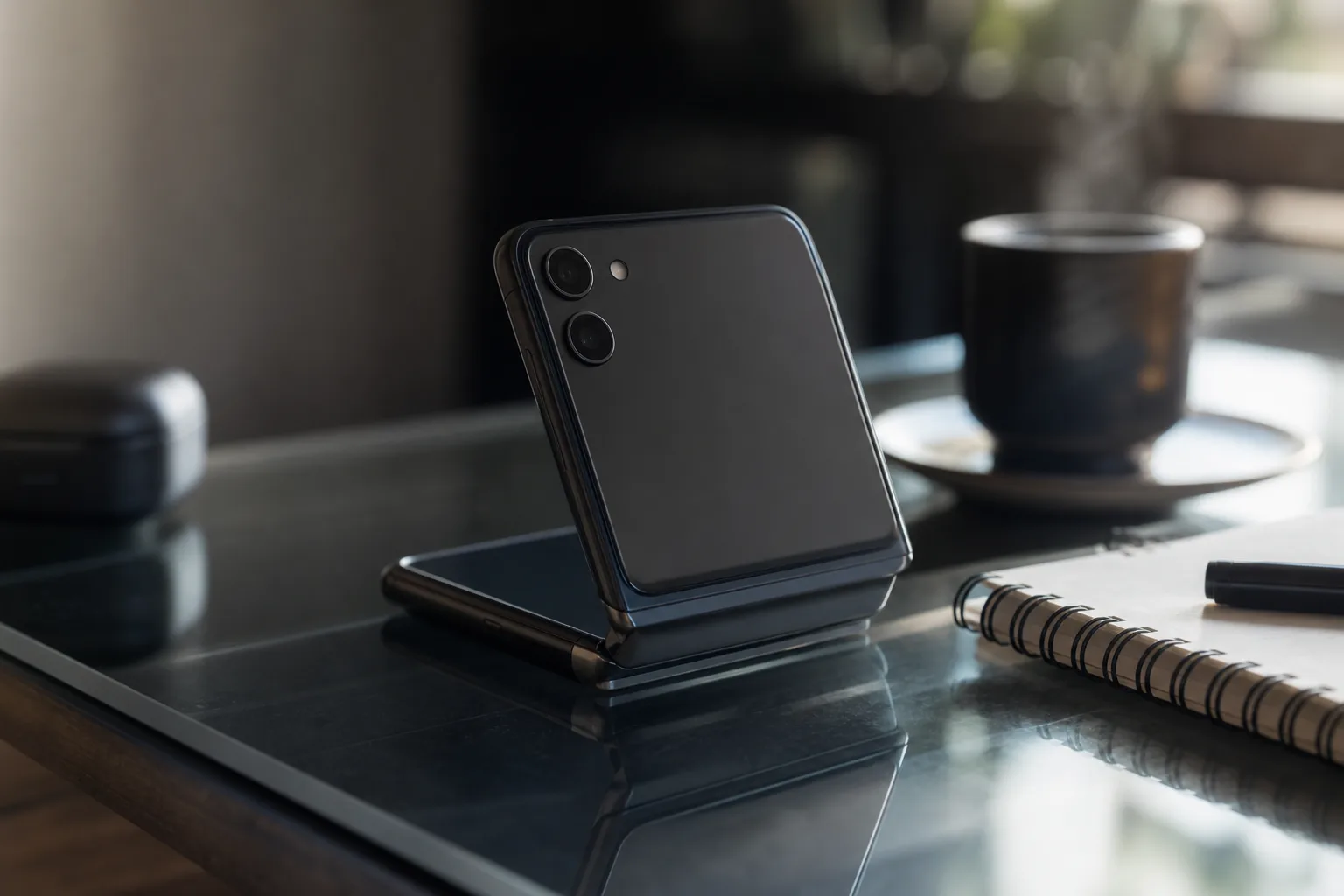
What makes this year different is the stakes. The expected lineup reportedly includes the iPhone 18 Pro, iPhone 18 Pro Max, and Apple’s first foldable phone, possibly carrying the iPhone Ultra name. Add a CEO handoff to the mix, and this could be the rare Apple September keynote that feels like a corporate changing of the guard rather than another annual lap around the track.
- The iPhone 18 event is most likely to happen on September 9, 2026, based on Apple’s recent annual launch rhythm.
- If Apple follows its four-year invitation pattern, the iPhone 18 event announcement should arrive on Wednesday, August 26.
- Apple is expected to introduce Pro models and a foldable iPhone while pushing standard iPhone releases into spring 2027.
- The September presentation may become John Ternus’s first iPhone launch event as Apple CEO after Tim Cook’s transition.
Table of Contents
Why the iPhone 18 event points to September 9
The best clue is not an errant case listing or an alleged factory leak. It is Apple’s own operational machinery. The company has reportedly opened applications for its California-based retail Event Support Experience Program and told employees to expect activity in the first half of September. That leaves a narrow and familiar window.
September 9, a Wednesday, fits Apple’s habits particularly well. Labor Day falls on Monday, September 7, in 2026. A midweek keynote gives journalists, analysts, retail staff, and production crews time to travel after the holiday, while preserving the tidy launch timetable Apple prefers: announcement, hands-on coverage, preorders on Friday, then stores full of new phones roughly a week later.
Apple does not publish a permanent keynote calendar, but its Newsroom provides a useful record of how the company stages major announcements. In the years after the pandemic chaos, the pattern has become strikingly disciplined. Apple announced its 2022, 2023, 2024, and 2025 iPhone presentations exactly 14 days before the event itself.
That history makes August 26 the leading invitation date for the iPhone 18 event, assuming September 9 holds. Tuesday, August 25, remains plausible; Apple has never been enslaved to a spreadsheet. Still, a 15-day lead time would break a four-year run, whereas August 26 preserves it precisely. My read is that Apple’s event team likes consistency more than outsiders sometimes give it credit for. At this scale, consistency saves everyone a headache.
Apple’s launch calendar may be changing for real
The more consequential rumor is not the date. It is the possibility that Apple will stop treating September as the moment when every mainstream iPhone arrives. Reports point to an autumn 2026 slate centered on premium hardware: the iPhone 18 Pro, the larger Pro Max, and a foldable model. The regular iPhone 18, lower-priced iPhone 18e, and a second-generation iPhone Air could reportedly wait until spring 2027.
That would be a meaningful break from the familiar Apple playbook. For years, September has been the company’s big consumer-electronics holiday: pick a color, choose a storage tier, stare at the trade-in quote, repeat. Splitting the launches would give Apple two marketing peaks per year and prevent its standard phones from getting buried under the attention-grabbing first foldable.
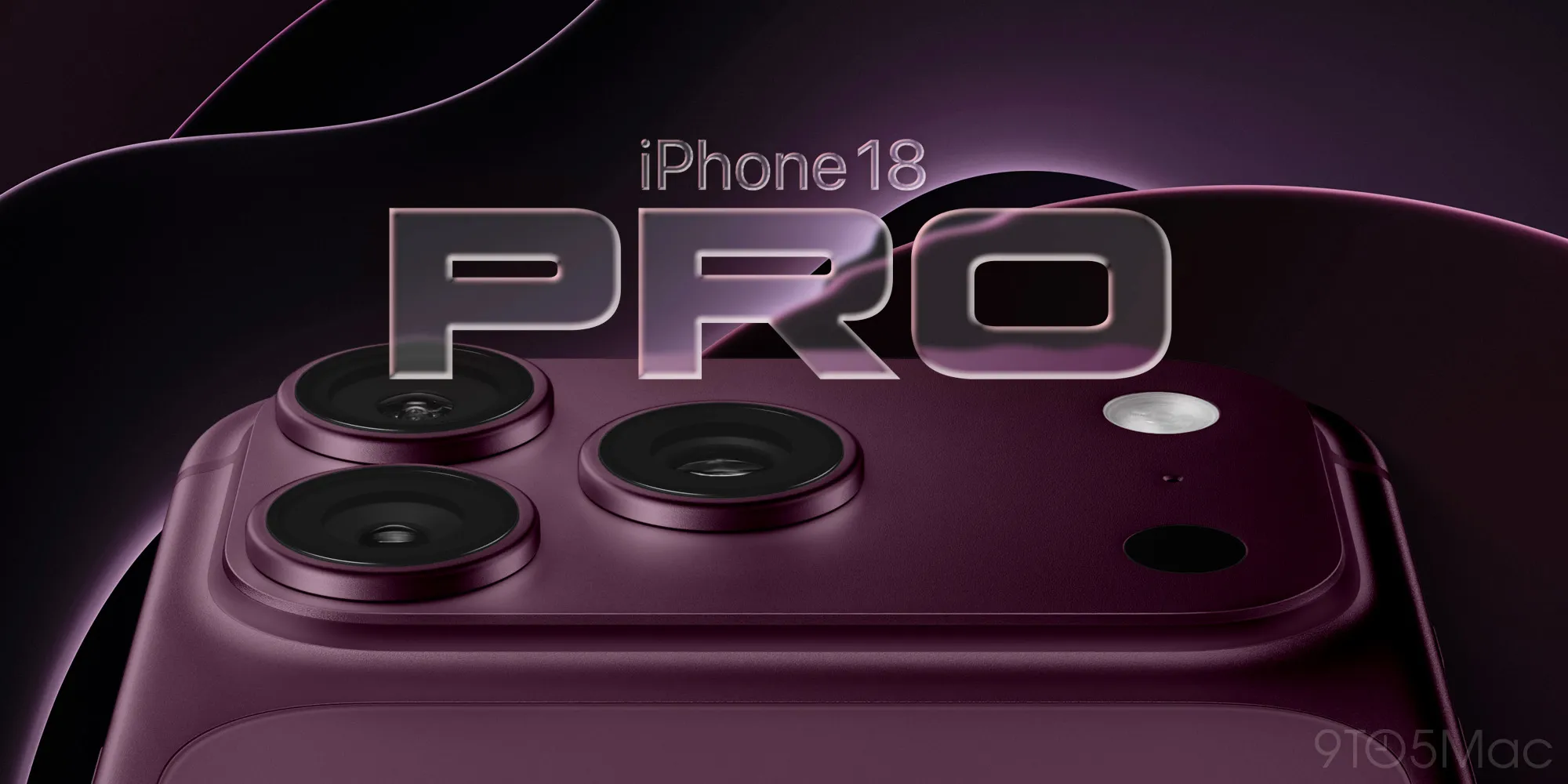
There is a practical business argument here, too. The Pro line already drives a disproportionate share of iPhone revenue, and a foldable would almost certainly carry a premium price. Putting those devices together at the iPhone 18 event creates a clearer luxury story. Then Apple could use spring to refresh the lower end of the lineup, a period that is usually quieter for smartphone makers.
Samsung has long spread its flagship launches across the year, with Galaxy S phones usually appearing early and foldables arriving later. Apple has generally preferred one giant September blast. A split schedule would not make Apple a copycat, but it would acknowledge that the smartphone market has matured. When annual upgrades are harder to sell, companies need more than one moment to command attention.
The foldable is the product to watch
For all the interest in timing, the likely foldable iPhone is why the iPhone 18 event could matter beyond Apple’s usual fanfare. Apple has spent years watching Samsung, Google, Huawei, and Motorola test the limits of folding displays. That patience has frustrated some enthusiasts, but frankly, it is familiar Apple behavior. The company rarely wants to be first; it wants to arrive after the hardware becomes less awkward.
The outstanding question is what problem Apple believes a folding phone solves. A book-style design could offer a compact tablet for video, work, and gaming. A flip-style device would be more about portability and fashion. Either choice would force Apple to make iOS feel more at home across changing screen sizes, something Android vendors have been working through in public for years.
Apple has not confirmed an iPhone Ultra, a foldable iPhone, or any details about the iPhone 18 event. Until invitations arrive, every date and product list should be treated as informed expectation rather than fact. Still, the clues form a coherent picture: a September 9 keynote, an August 26 announcement, and a product mix tilted toward the expensive end of Apple’s catalog.
John Ternus gets a very public first test
There may be a new face at the top of the presentation, too. Tim Cook is expected to move into an executive chairman role on September 1, with hardware chief John Ternus becoming CEO. If that transition occurs on schedule, the iPhone 18 event would be Ternus’s first major public product launch in Apple’s top job.
That matters because iPhone keynotes are part sales pitch, part culture-setting exercise. Cook inherited a company built around Steve Jobs’s showmanship and eventually made the presentation format his own: polished, operationally exact, sometimes a little too polished. Ternus, who has led Apple hardware engineering and appeared regularly in recent launch videos, knows the products. The harder task will be convincing investors and customers that Apple’s next hardware chapter has a distinct point of view.
If Apple really uses this September to debut a foldable, rearrange its iPhone calendar, and introduce a new CEO, the keynote will be more than the yearly procession of cameras, chips, and titanium finishes. It will be a test of whether Apple can make its most reliable franchise feel new again.