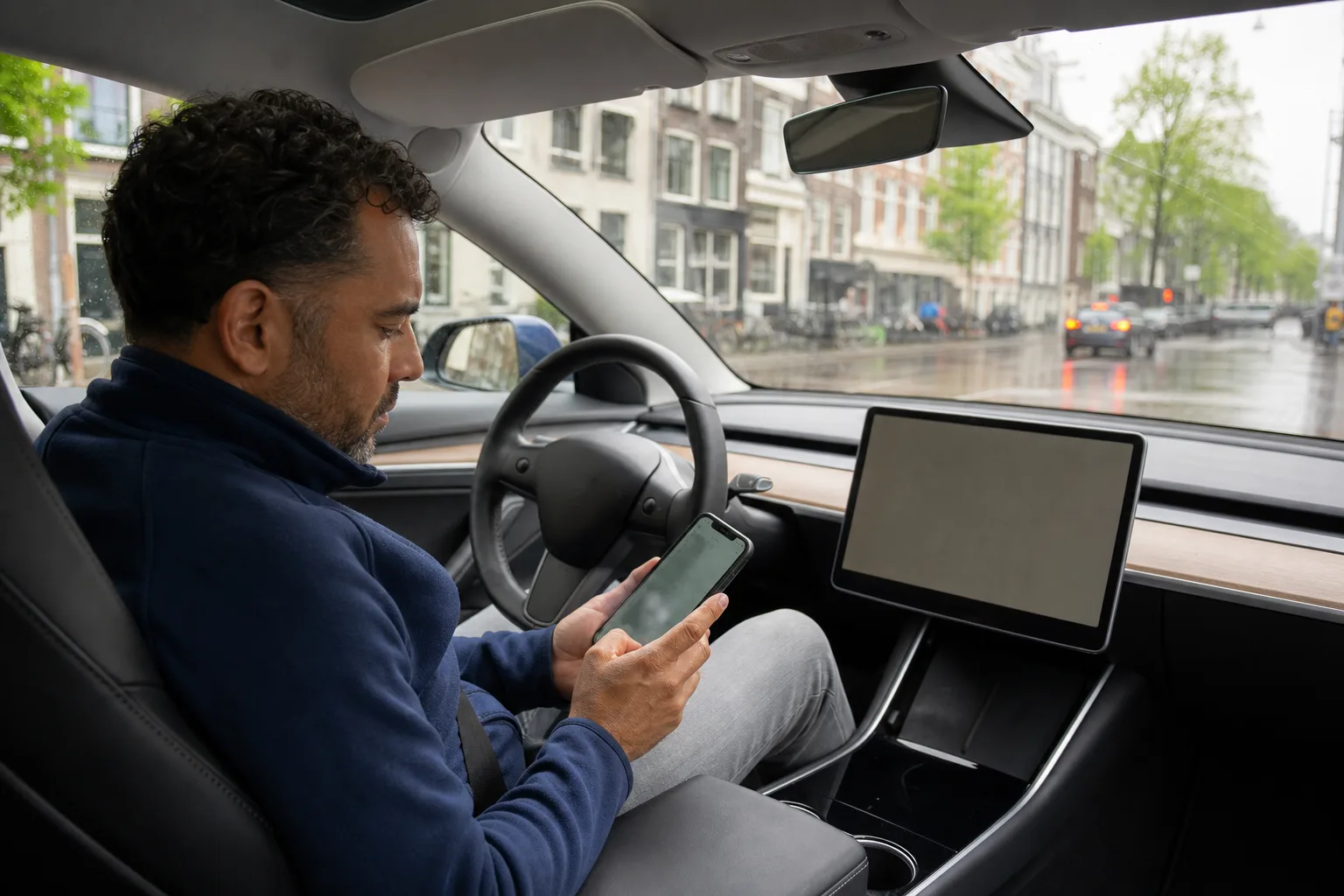
- The Uber GDPR fine of €824.9 million challenges account bans made entirely by automated systems, potentially stripping drivers of work without meaningful review.
- Dutch regulators say the Uber GDPR fine reflects the maximum four-percent GDPR penalty, while Uber has appealed the decision.
- The case began with complaints from 171 French drivers and reaches conduct dating from 2018 through 2022.
- For gig platforms, the ruling puts algorithmic enforcement and transparent human appeals at the center of European compliance.
Table of Contents
Why the Uber GDPR fine is about more than a penalty
An Uber driver can lose access to the app in seconds. No manager calls. No meeting is scheduled. The work simply disappears from the screen. That is the practical issue behind the Uber GDPR fine, a staggering €824.9 million penalty issued by the Netherlands’ data protection watchdog over allegedly automated decisions to deactivate drivers.
The Dutch Data Protection Authority, known locally as the Autoriteit Persoonsgegevens or AP, says Uber automatically deactivated driver accounts between 2018 and 2022 without sufficient human involvement. For a worker whose income depends on the app, that is not a minor software inconvenience. It is the digital equivalent of arriving at your job and finding the door lock changed.
The Uber GDPR fine follows complaints lodged by 171 French drivers through a human-rights organization. Since Uber’s European headquarters are in the Netherlands, the AP became the lead authority on the case. Uber has appealed, so the number could still change. But even before a final outcome, the case lands as a blunt warning to platform companies that have long treated automated enforcement as a routine part of doing business.
Monique Verdier, deputy chair of the AP, said drivers could lose their income through Uber from one moment to the next, and that computers should not make decisions on their own with major consequences for people.
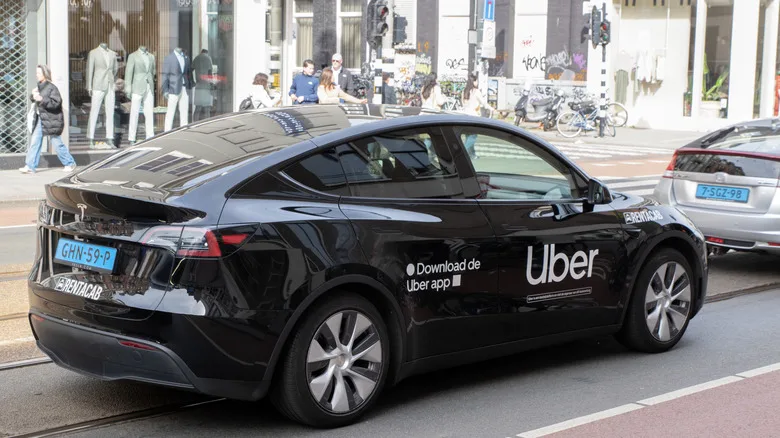
An Uber-branded Tesla on a Dutch street is a tidy image of the company’s European footprint. Behind that consumer-facing convenience sits a sprawling system of driver ratings, fraud checks, safety reports and account controls.
Automated decisions have a hard line under GDPR
The Uber GDPR fine turns on questions about automated decisions under Europe’s privacy rulebook, which get less public attention than cookie banners but have much greater stakes for workers.
Being removed from a work platform surely qualifies as significant in ordinary human terms. The legal question is whether Uber’s systems were making those calls on their own, and whether drivers were given a meaningful path to contest them with an actual person rather than an automated form and a long wait.
That distinction matters. Companies do not have to abandon algorithms. Uber, like every large ride-hailing service, has legitimate reasons to use automated systems to flag identity fraud, suspicious trips, manipulated GPS data, or serious safety concerns. A platform dealing with millions of transactions cannot route every alert through a manual review desk before taking any action.
But automation is not a blank cheque. If an algorithm’s score can cut off someone’s livelihood, regulators increasingly expect clear explanations, workable appeals and human oversight that is more than ceremonial. My read is that this is where many platforms are vulnerable: their systems may be technically sophisticated, but the appeals process can feel like trying to argue with a vending machine.
The Uber GDPR fine also illustrates a broader collision between the gig economy’s business model and European labor and privacy rules. Ride-hailing apps sell speed and scale. European regulators are asking a less glamorous question: what happens when that scale denies an individual a chance to be heard?
Uber faces a €824.9 million escalation
The AP says it calculated the Uber GDPR fine at the maximum level permitted under GDPR: four percent of a company’s worldwide annual turnover. At €824.9 million, it is dramatically larger than Uber’s previous penalties from the same Dutch regulator.
The company was fined €600,000 in 2018, then €10 million in 2023. In 2024, the AP issued a €290 million penalty over Uber’s transfer of European driver data to the United States. That sequence matters. This is not a regulator encountering a young startup that made one clumsy compliance mistake; it is a long-running and increasingly expensive relationship between a global platform and the authority responsible for its European privacy oversight.
Uber’s appeal is hardly surprising. A penalty approaching €1 billion is big enough to demand a lengthy legal fight, and the company will have room to challenge both the AP’s findings and the size of the sanction. It may argue that its review systems involved people at key points, or that its account actions were justified by safety and fraud prevention obligations. We will see how those arguments fare.
Even under appeal, the Uber GDPR fine carries plenty of weight. The headline amount tells other companies that regulators are prepared to connect data-protection violations with their real-world economic impact, not merely with abstract paperwork failures.
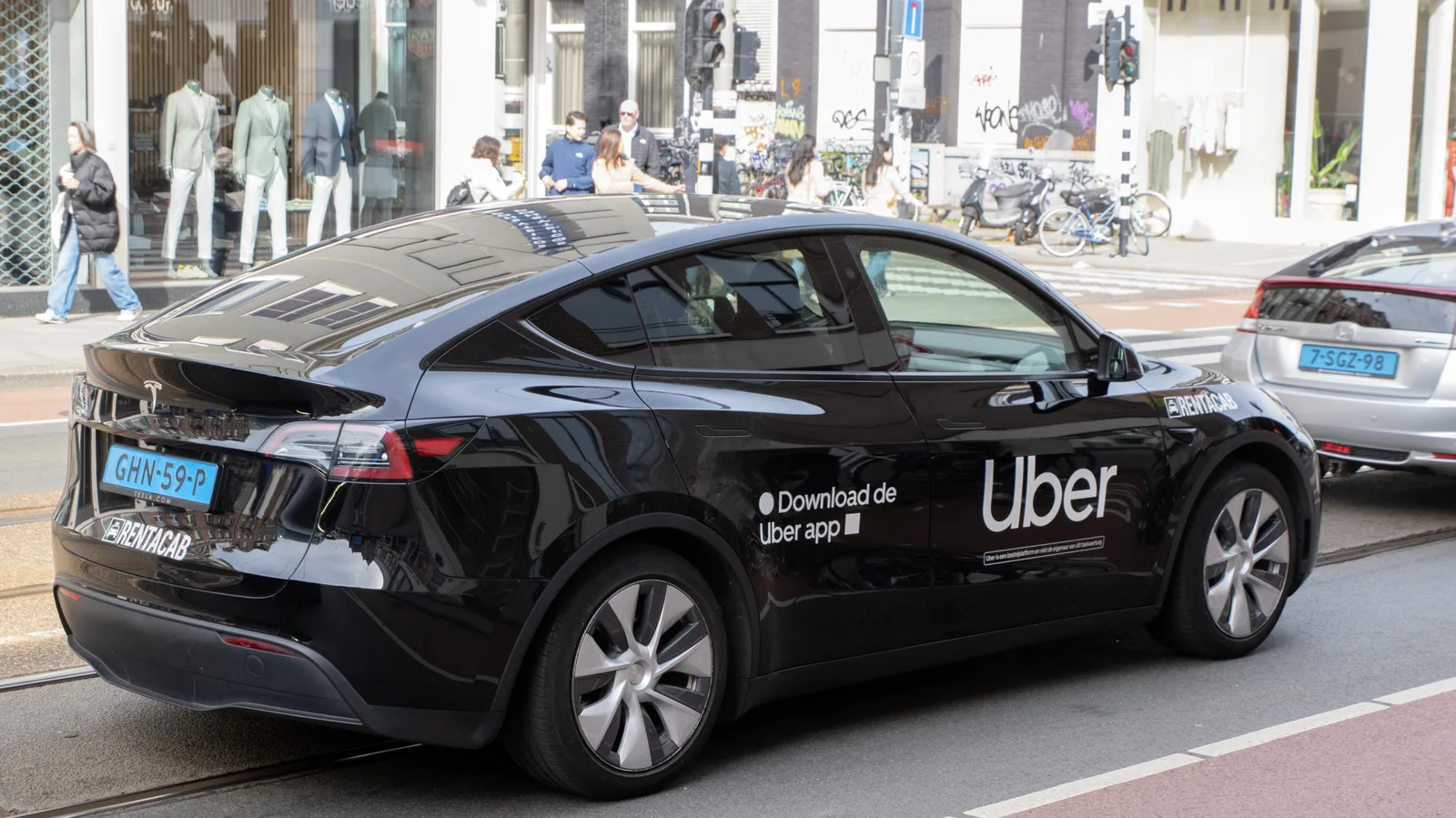
Uber’s app has made a simple promise to passengers: tap a button and a car arrives. The regulatory challenge is less visible, but no less central: drivers need to know why the system has acted against them and whether anyone can fix an error.
Every algorithmic workplace should be paying attention
The Uber GDPR fine reaches far beyond ride-hailing. Food-delivery couriers, warehouse workers, marketplace sellers, social-media creators and even office employees are increasingly managed by systems that rank performance, identify risk and trigger restrictions. The software may look different, but the underlying power dynamic is familiar: an opaque score decides who gets access to income.
Europe is moving toward tougher controls on this kind of digital management. Companies can no longer wave these complaints away as a niche privacy issue.
For Uber’s competitors, the immediate task is boring but vital: document when automated systems make decisions, map the human review process, test whether appeals actually work, and make explanations intelligible to affected workers. Frankly, the last part is often where corporate compliance language falls apart. Telling someone they violated an unspecified policy based on an undisclosed signal is not an explanation.
The AP has published details of its enforcement work on its official website, and Uber’s appeal will determine how much of this penalty survives. But the larger signal is already clear. The Uber GDPR fine asks a question every app-based employer should take seriously: when software ends someone’s ability to earn, who is accountable for the software’s judgment?